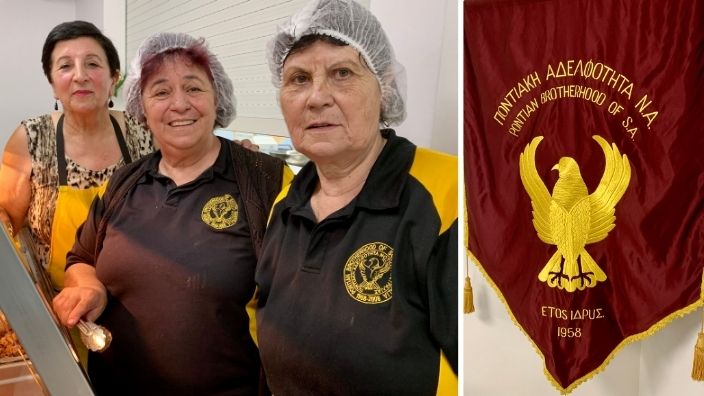
For more than three decades, on the first Sunday of every month, South Australia’s Pontian community get together to share a meal, socialise, share stories and celebrate their common roots.
The most recent lunch was held on Sunday, March 7 at the Pontian Brotherhood of SA’ new building in Pennington, Adelaide.
“Our Sunday lunches are used to create a connection between our heritage and traditions, through food, dance and music. These gatherings of our extended Pontian family are symbolic, as we strive to keep the gap between generations small with our youth and community elders all get together in a familiar family setting.
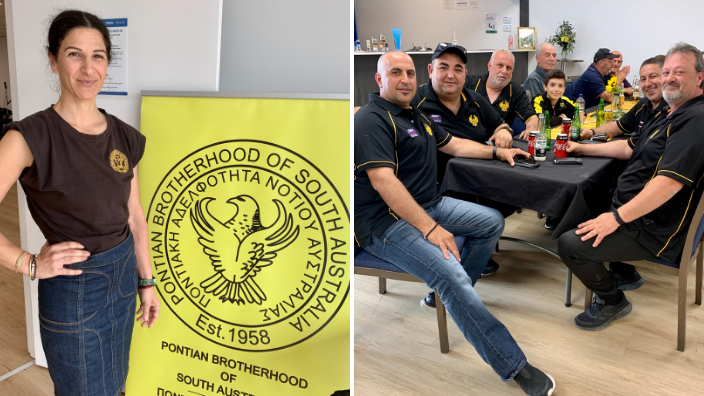
“We want to grow our community and invite all to come along because this is their home, built for the greater Pontian community,” President of the Pontian Brotherhood of SA, Nazareth Nalpantidis Chisholm, tells The Greek Herald.
Established in August 1958 SA’s Brotherhood is the second Pontian community in Australia and the second oldest outside of Greece and events like this have pulled the community members together throughout the years.
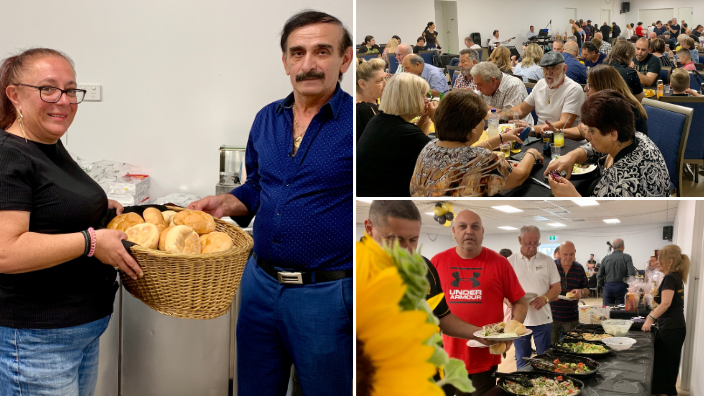
“This is a massive team effort from all that have supported the Pontian Brotherhood of South Australia from its creation to date and it’s all driven for the love of Pontos, our Motherland,” says Nazareth.
“It’s our duty to keep the stories alive”
A member since she was a child and for the last four years the Brotherhood’s Treasurer, Sofia Varvaris says it’s important to keep the traditions alive.
Both her maternal and paternal grandparents migrated to Australia from Trapezounta in 1922.
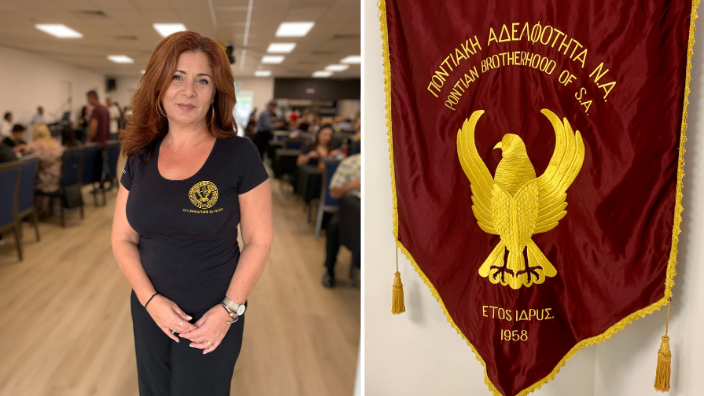
“It’s our duty to keep the Pontian history and culture alive and pass on the stories to future generations,” Sofia says.
“Pontos does not exist. We can go back but we know we are not welcome there. The Brotherhood and our ancestors’ history is all we have left and it’s encouraging that in our dancing groups we have so many young people.
“When they dance, they dance with their souls and not with their feet,” Varvaris concludes.
READ MORE: Grand opening of new ‘home’ for South Australia’s Pontian community hailed a success
*To stay up to date with the Pontian Brotherhood of SA upcoming events visit their FB Page on: Pontian Brotherhood of SA

