Following the recent internal conflict within the Macquarie University Greek Studies Foundation, The Greek Herald spoke exclusively with the Head of Modern Greek Studies at the university, Dr Patricia Koromvokis.
Dr Patricia Koromvokis was able to provide a clear explanation of the changes to the Greek Studies Program in 2020, along with how these changes may affect future enrolment for next year.
How has Macquarie University’s Greek Studies Program progressed coming into the end of 2020? With reference to enrolment numbers (compared to previous years etc) and active engagement in the Modern Greek courses.
The enrolments of 2020 reflect the results of the new curriculum architecture, which was implemented for the first time in 2020. The number of enrolments in Modern Greek Studies Program of Macquarie University was very good across all language and cultural units. In fact, enrolments increased in language units in both semesters. One of the cultural units, convened by Modern Greek Studies Program in conjunction with the Ancient History Department, had a slight decrease in number due to the change of mode offering in the new curriculum of 2020.
The rapid transmission into remote learning (online delivery) did not have a negative impact in the engagement of language learning, as Macquarie University has been offering online learning across all courses years now. I have to mention that I feel every proud of all the students’ excellent performance and achievements especially under these unique and challenging conditions.
What changes have been made due to the financial difficulties that the Australian universities are facing due to pandemic?
Given the current pressures on university’s finances and operations, Macquarie University has made difficult and challenging decisions concerning the viability of some courses aiming to mitigate the impact on staff and students. The Faculty of Arts is in a good position in order to deliver a more sustainable suite of offerings and contributing to the financial remediation the University needs to undertake. Regarding Modern Greek Studies Program, some courses have been rested only for 2021. More specifically, for 2021 study options are:
– For Macquarie students: Minor in Modern Greek and elective units
– Students of other Australian universities: cross-institutional study (elective or minor)
– Everyone else (+18 years old): Non-award
All courses are offered on-campus in our new language labs, fully online and blended tutorials (no difference in the content between the cohorts) with best available resources, online lectures by guest lecturers from Greece and Australia and peer-led extracurricular activities aiming at an effective and engaging language learning experience.
Do you expect the enrolments in the Modern Greek Studies Program will be affected by these aforementioned changes in 2021?
It is unavoidable that enrolments, especially in the Humanities, will be affected by these changes. However, taking into consideration the current difficult financial situation which has drastically affected all languages and departments in the Humanities across all Universities in Australia (staff and course/ program cuts), I am still confident that the transformation that Macquarie University needed to undertake in different areas, helps to secure the future sustainability of the Modern Greek Studies Program. The most vital thing right now is to continue offering Modern Greek courses at tertiary level!
Are we as a community promoting Greek enough?
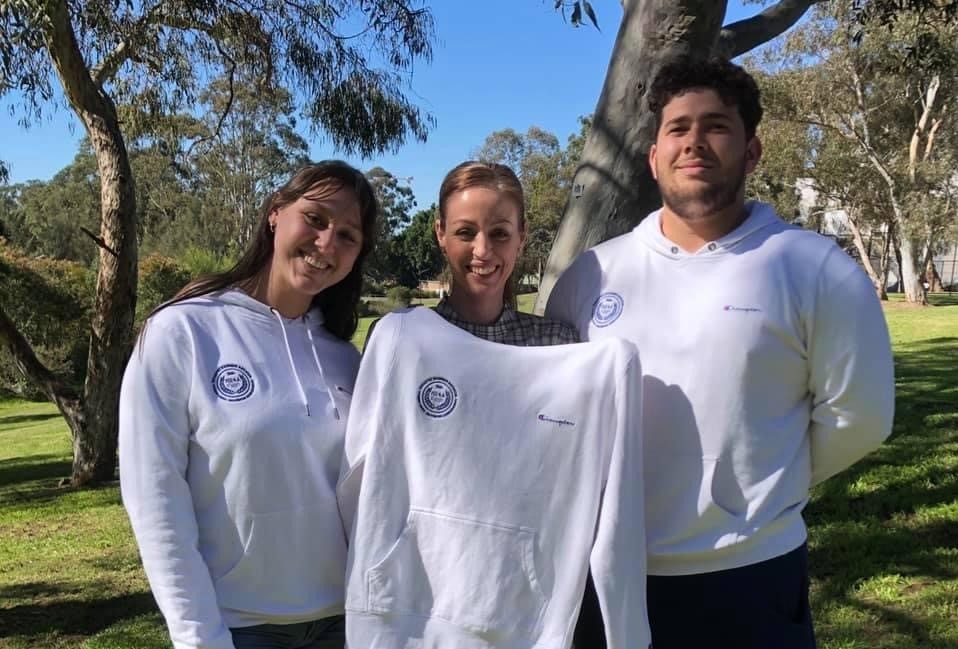
I strongly believe that the Greek community has always promoted the Greek language in different ways. What I would suggest is, that more promotion should be done in the primary and secondary education sectors, which will enhance Greek language learning at tertiary level. This can be succeeded only by a fruitful collaboration between teachers and academics. Taking the opportunity of this question, I would like to express my sincere gratitude to all the MUGA (Macquarie University Greek Association) committee, and especially to the President, Sam Giovas and the Vice-President, Zoe Re, who have done a remarkable job under unique conditions. Working behind the scenes takes a lot of effort –which is sometimes not obvious to the community.
