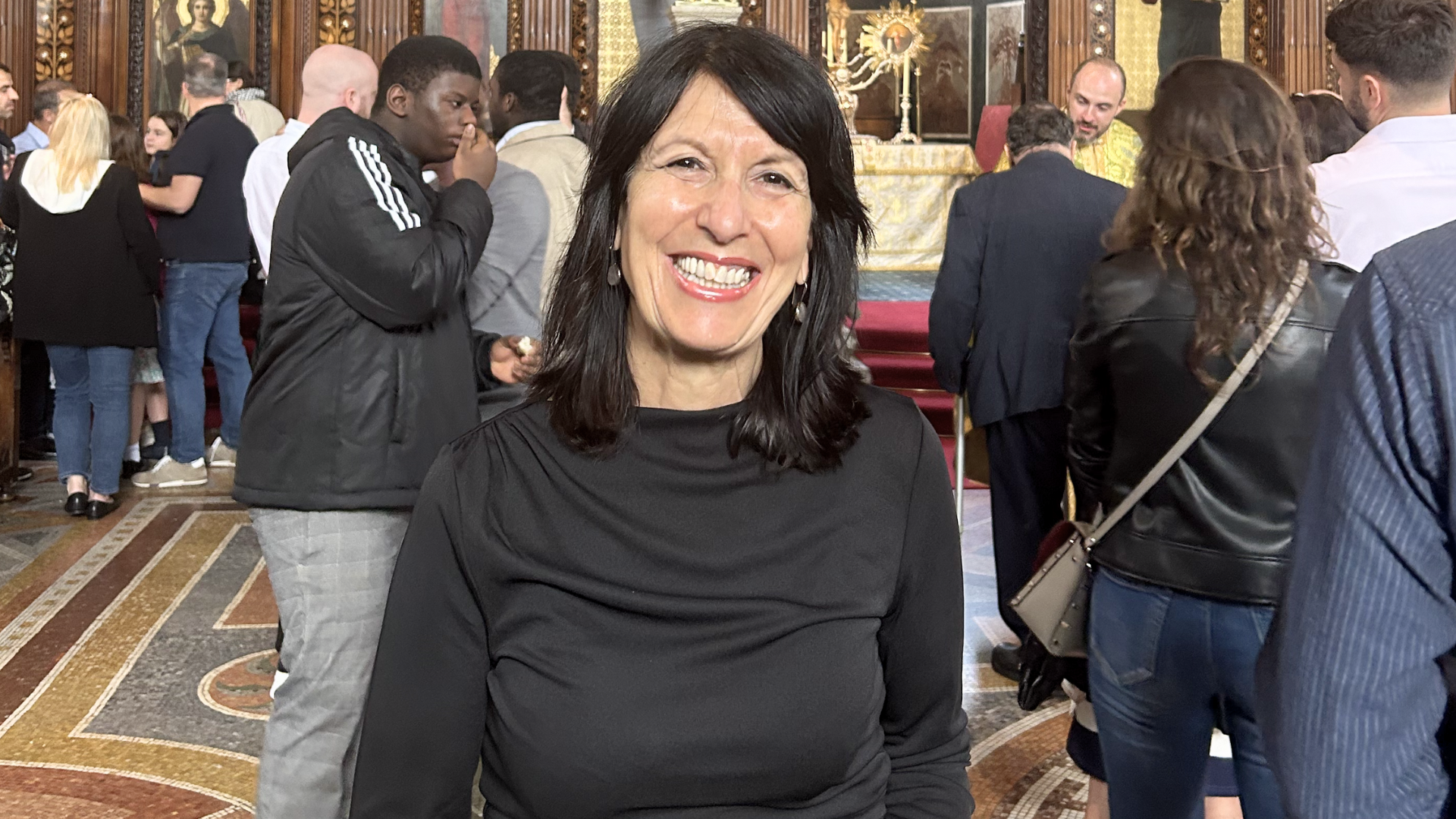
New South Wales social worker Kathy Karatasas has devoted her career to helping children.
It has also led her to deal with situations such as ignoring the jeers in jail when she had to visit a father about his children, or visiting homes that perhaps did not smell like hers, and dealing with stories of drugs and sexual abuse.
Her career in social work started just before her 21st birthday when she graduated with a Bachelor of Social Work in 1984.
After a few decades of hard work and determination to make life better for young people, she applied and won a Churchill Fellowship in 2023. Kathy applied for a fellowship four times before being awarded the 2023 fellowships.
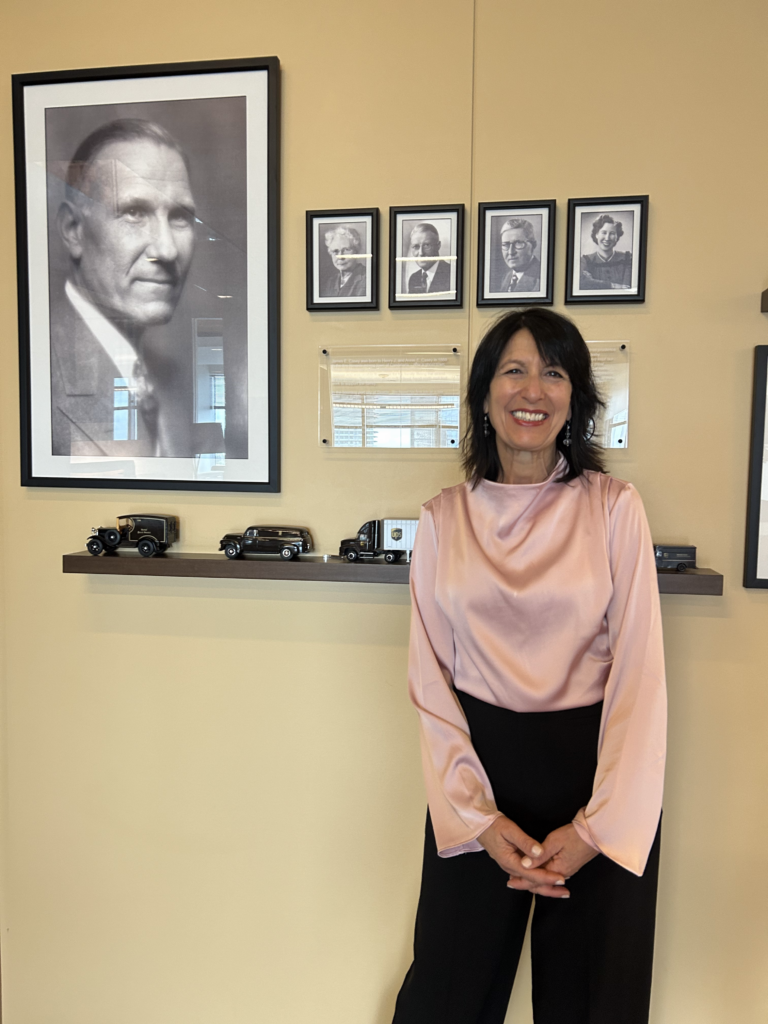
The Churchill Fellowship trust was started in 1965 and is named after Sir Winston Churchill, a former UK prime minister who believed ordinary people can achieve extraordinary things.
Kathy’s project – To investigate practice tools to achieve better outcomes for multicultural children in foster care – aimed to develop practice guides for practitioners to understand cultural elements such as ethnicity, faith, language and settlement journeys.
Kathy chose to explore this topic because she feels children from multicultural backgrounds are “not consistently noticed” and by omission, their cultural needs are not addressed.
She said when children come in to care their life trajectory changes and cultural disconnections contribute to poorer outcomes. The fellowship has given her an opportunity to explore international research in this area and eventually to share her learnings in her home state.
“I believe every child deserves the same start and most families want to be able to care and love each other and be together,” she said.
“We talk about multiculturalism and then either focus on festivities and food and settlement periods – often newly arrived asylum seekers or refugees.
“Again, there is merit in this work, but it is not comprehensively representing the nuances of multiculturalism.
“In child protection and out of home care – repeatedly policies and practices which refer to culture refer to aboriginal children.
“Here and there, there are references to Culturally and Linguistic Diverse (CALD) children and cultural practices, but this is not consistent.”
Kathy said the data is “not consistently kept” on CALD children in care.
“When it is, it is not mandatory, not checked and not verified,” she said.
“Where children have mixed cultures, for example Aboriginal and other, the First Nations trumps culture in record keeping so the data is unreliable and inconsistent.
“In NSW, there are indications it is increasing at about 15 per cent.”
According to the UN Convention on the Rights of the Child, the child has the right to feel connected to family, community and culture.
“This is true for all children in care,” Kathy said.
“It is true for First Nations children, as well as others from culturally different backgrounds.”
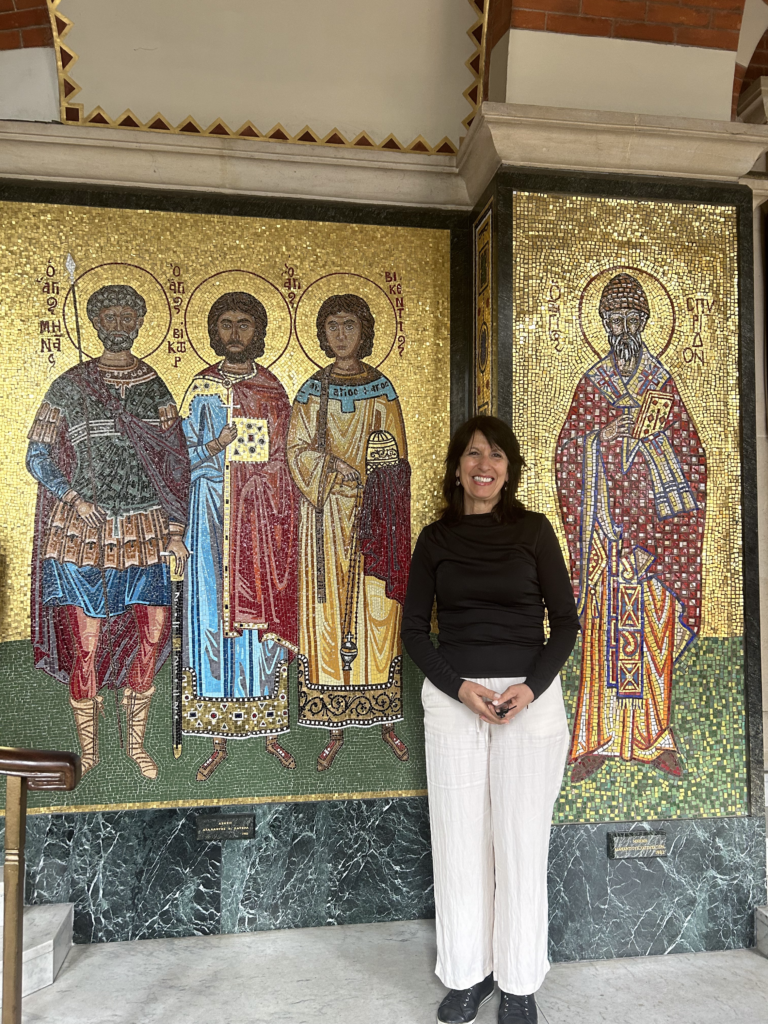
Through the Churchill Fellowship, Kathy has visited Seattle and Detroit in the United States, England, Scotland, Northern Ireland, Norway and Greece.
“Greece has started reviewing its foster care services but remains quite bureaucratic and I have been struggling to connect with the decision makers,” she said.
“They use residential services for child protection such as larger institutions operated by organisations such as Metadrassi and there is a focus on recruiting foster carers for children who are refugees – who have other layers of issues to child protection.”
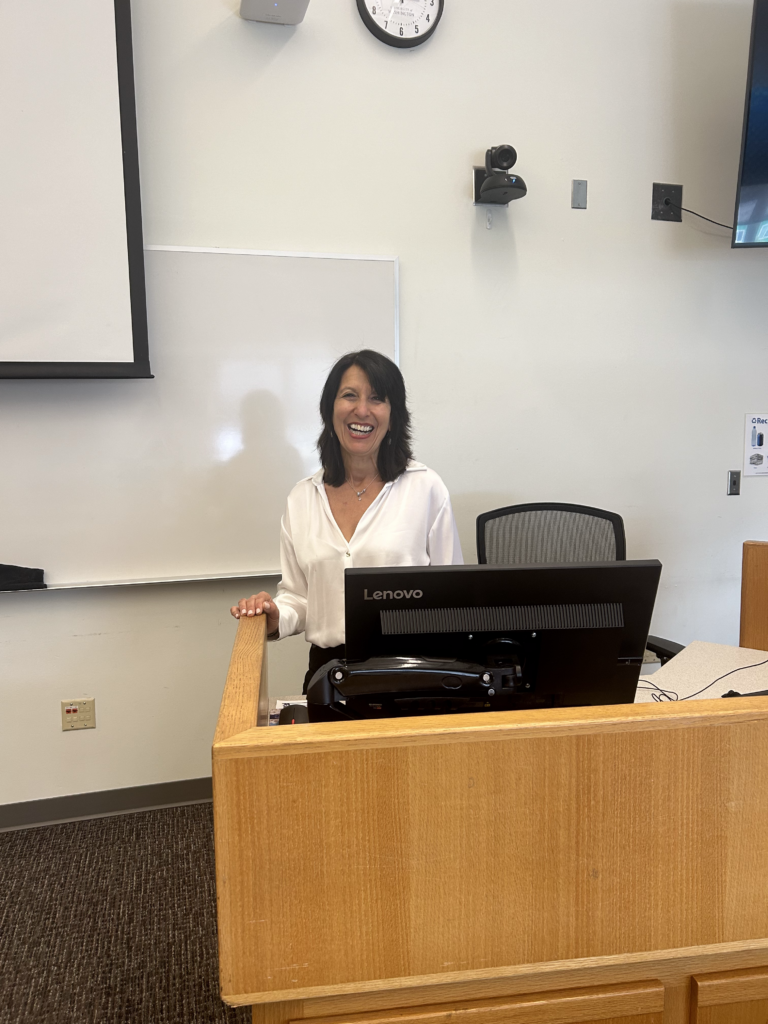
Kathy will share what she has learned from her trips with her peers through a range of ways that include addressing peak body partnerships, university leaders, conferences, government and sector partnership forums in NSW.
Kathy will also prepare a report for publication this year as part of the Churchill Fellowship.
