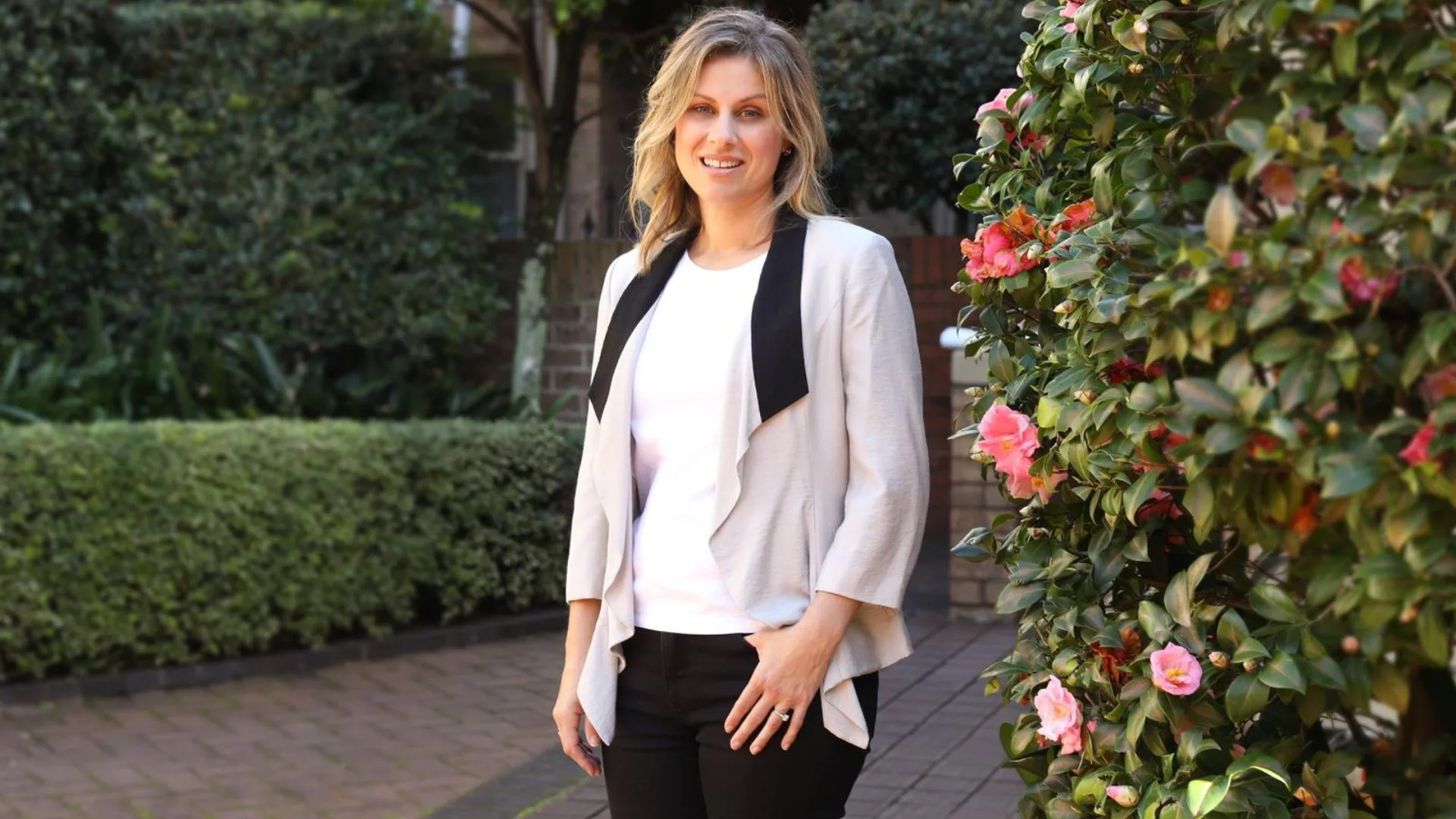
Margaret (Μαργαρίτα) Skagias is the Founder and CEO of CaringKids, a national charity supporting young carers across Australia, and Chairperson of Lions Australia’s CaringKids project.
A first-generation Greek Australian with nearly three decades of experience in social work, public health and community development, her work has been driven by a commitment to fairness, advocacy and supporting vulnerable children and families.
Skagias will share her insights as a panellist at the Greek Festival of Sydney’s International Women’s Day ‘Balance the Scales’ event, supported by The Greek Herald.
Tell us a bit about your Hellenic heritage and upbringing.
My heritage is something I carry with great pride and deep reflection. My grandmother’s generation, early 1900s Greece, lived with cultural norms and expectations that defined boundaries. As a first-generation Greek Australian, I grew up aware of that history, aware of the different opportunities that I was afforded as a woman living in Australia. This shaped a fierce determination for me to continue with tertiary education and to support women of all ages to achieve their personal and professional goals. Knowing where you come from, the women who have walked before you, women that have sacrificed and experienced hardship, the turmoil and tragedy of war and civil war, and diaspora. It gives your work meaning beyond yourself and makes me more determined to push forward and lead girls and women by example.
You’ve spent nearly three decades working across child protection, health and community development — what personal experiences or values first drew you to this work?
From a very young age I was drawn to fairness, or rather, to the deep discomfort I felt in the face of unfairness, injustice and inequality. Growing up as a first-generation Australian, navigating dual cultures and balancing two identities, I understood what it felt like to exist between worlds and had to learn how to carve out my own identity and determine how I wanted to shape my life.
I grew up aware that girls and women were not offered as seat at every table – and how this impacts their achievements, career progression and opportunities. I took opportunities to educate and better myself, and to open doors that would see me fighting for voices that were not being heard, children, women, young carers. I strongly believe that children and women need to be supported and protected, in the face of abuse, violence and discrimination.
School opened many doors for me. The opportunities and leadership training I received there were formative, and they influenced my choice to pursue Social Work as a career. That path eventually led me to public health and an understanding of the social determinants of health, seeing the structural forces that shape people’s lives and recognising that individual experiences have systemic roots.
This led me to working with women experiencing domestic violence, and later to working as a young carer coordinator, delivering services for children caring for family members living with a disability or illness. I saw firsthand the financial hardship and social isolation so many young carers were experiencing, and how profoundly that impacted their academic achievement and future career prospects. And again, a familiar pattern emerged, women facing a disproportionate caring role as they entered adulthood. These aren’t abstract policy issues, they are real women, real children, real stories and real lives. Once you see that clearly, it’s very hard to look away.
I hold many roles as a woman now, health professional, wife, mother of two children, a daughter and a son. The work I do in the community sector and what I have learnt has shaped my values. My children will forge their own paths like I did, in the knowledge of our, culture, values and traditions that came before them.
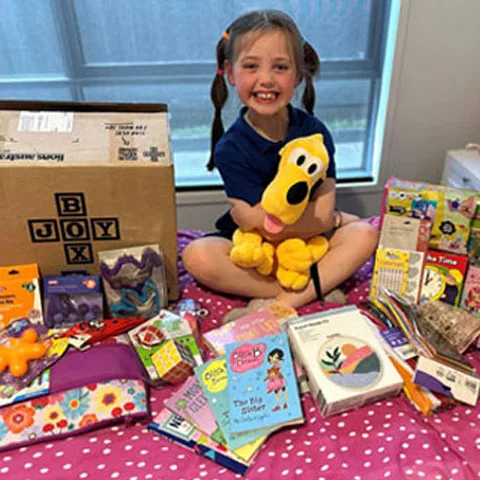
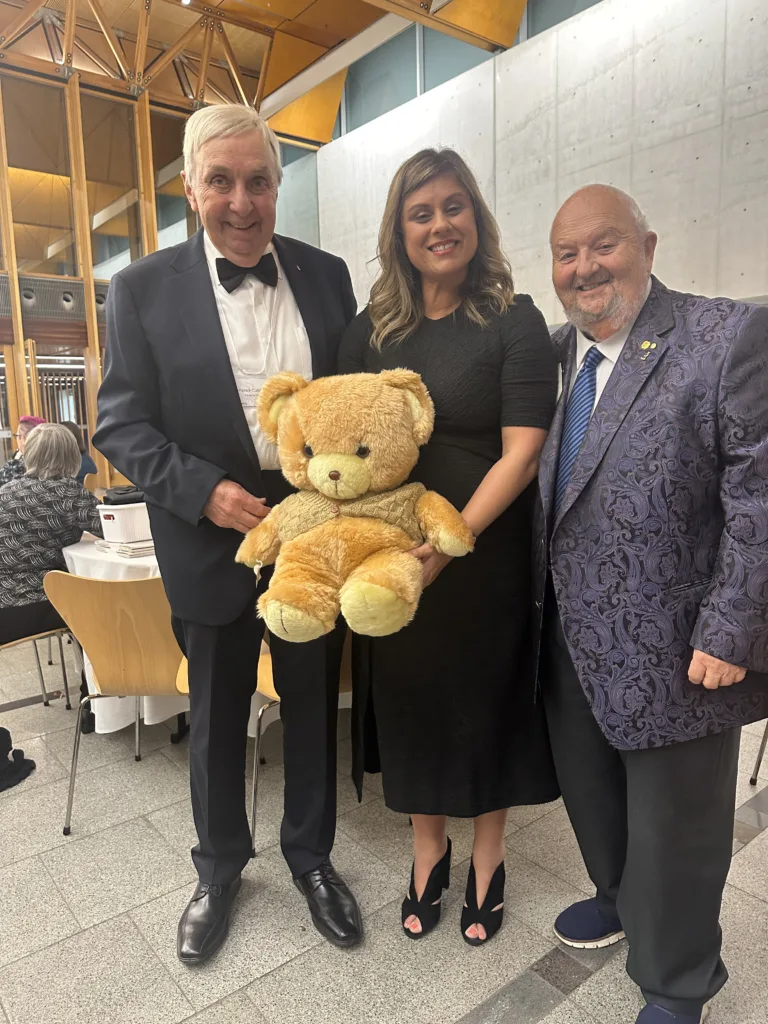
Growing CaringKids from a local initiative into a national program required both vision and persistence. What were the biggest challenges along the way, and what kept you going?
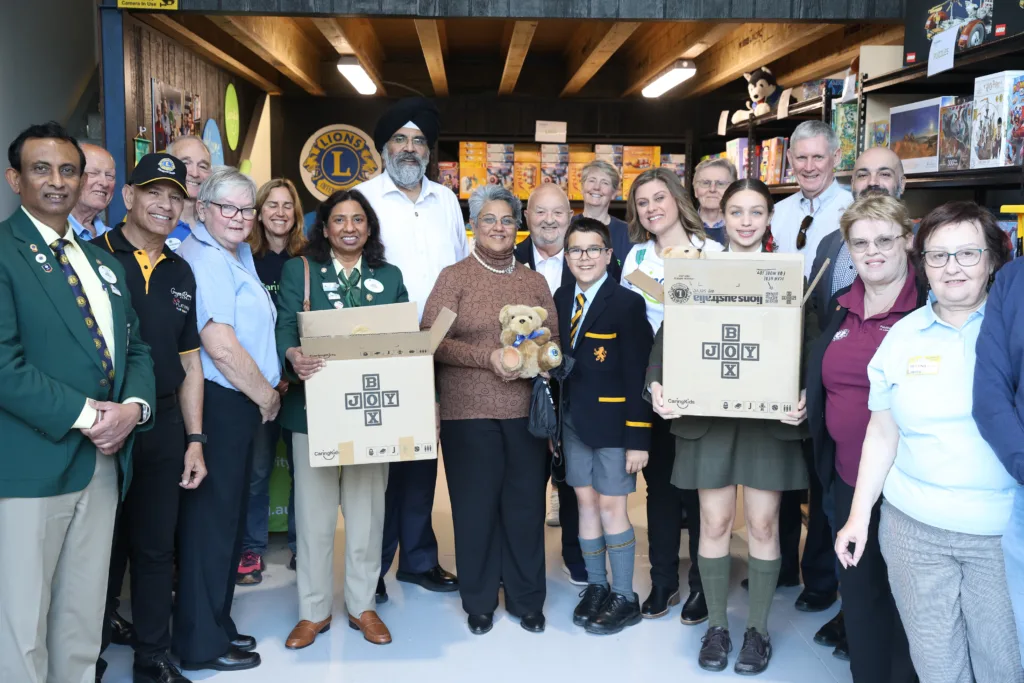
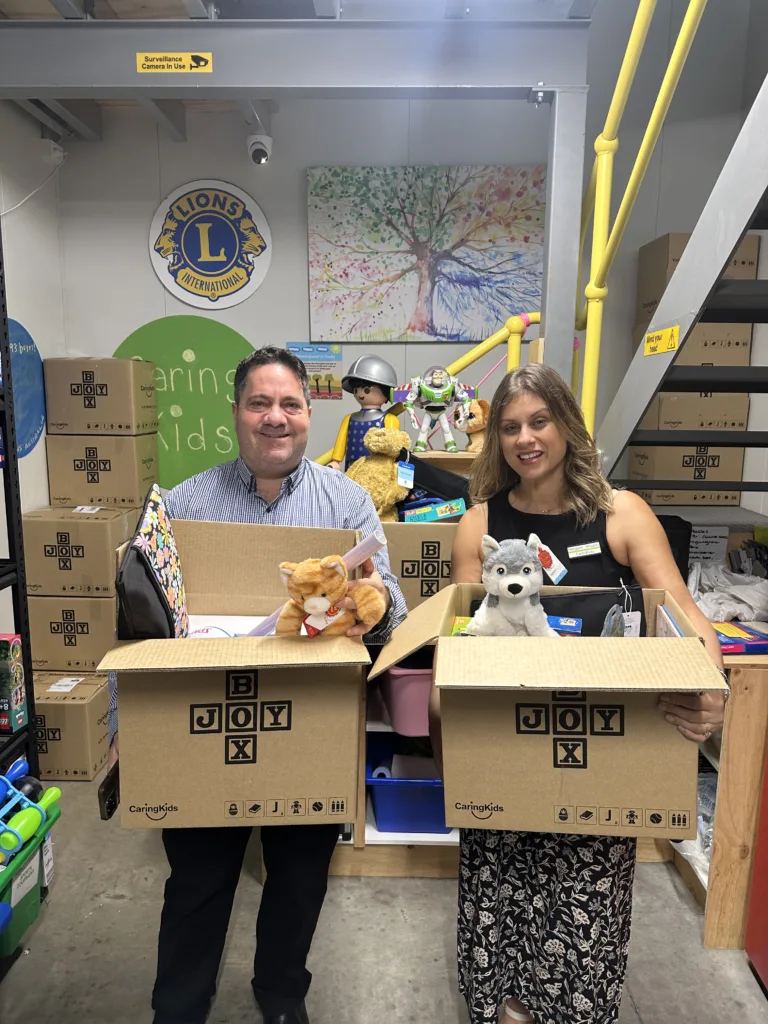
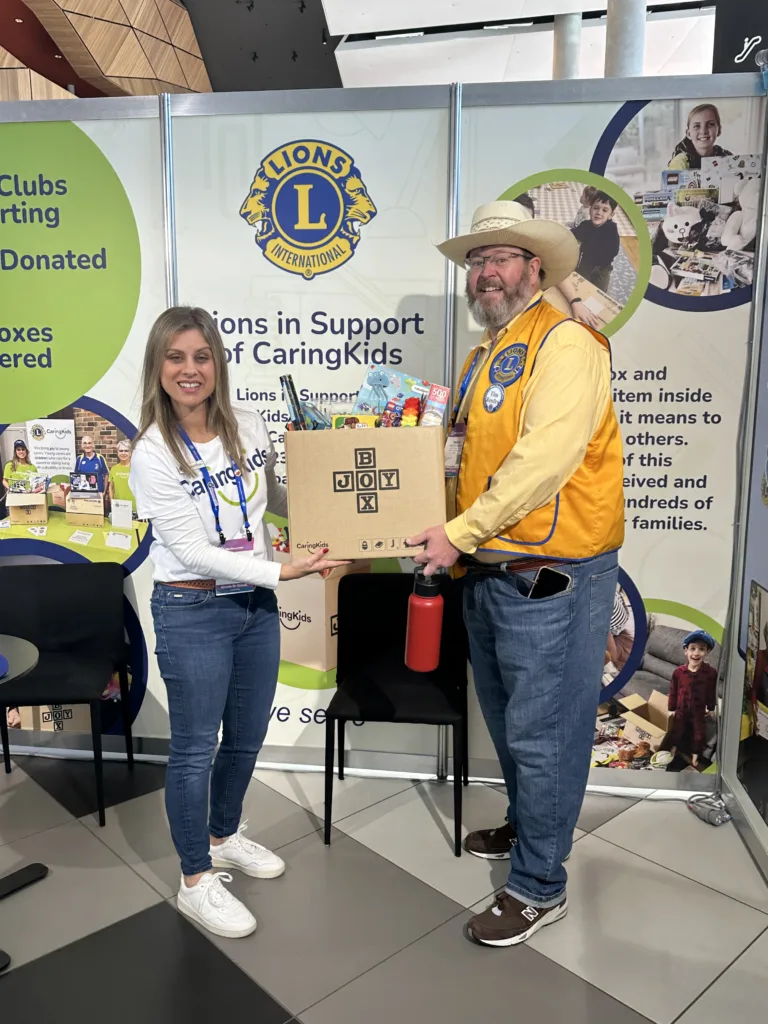
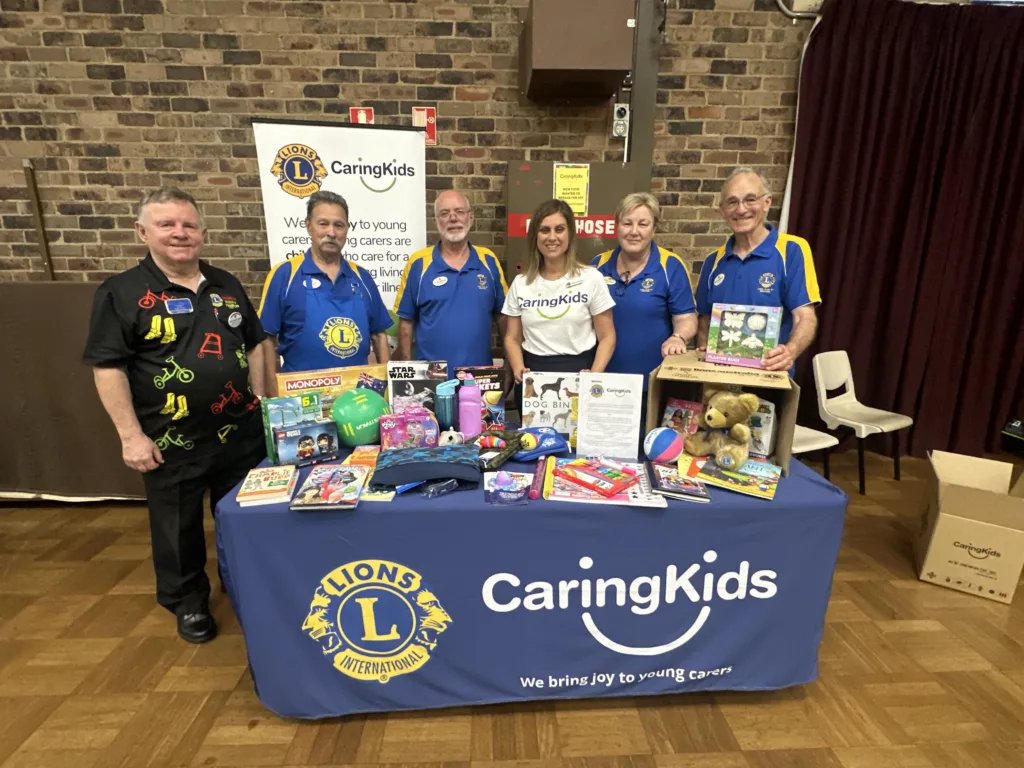
The challenges were real, funding, visibility, and difficulty of convincing others to pay attention to a population that has been invisible for so long. In the crowded not-for-profit space, you often have to fight to be heard. There are more than 60,000 charities in Australia. What kept me going was simple: the children. Every time I heard a young carer’s story, every time I saw a child’s face light up receiving a Joy Box, the reason for doing this work became undeniable. Partnering with Lions Australia was transformative. Being able to mobilise over 20,000 Lions members nationwide to recognise and support young carers gave the program genuine national reach and heart. That kind of grassroots human energy is irreplaceable.
Your background spans social work, public health and frontline community care. How has that breadth of experience shaped the way you lead CaringKids and advocate for young carers?
I think it means I can hold complexity without being overwhelmed by it. Social work taught me to sit with people in their most vulnerable moments and respond with humanity. Public health taught me to think systemically, to ask why certain populations are consistently left behind and what structural changes are needed. Frontline community work taught me that solutions have to be practical and human, not just theoretically sound. Leading CaringKids, I draw on all three constantly. Advocacy requires understanding lived experience and the ability to put yourself in someone else’s shoes and to fight for other people’s rights. The goal for me has always been both: change individual lives and change the conversation.
For women working in the community and not-for-profit sector — particularly those whose leadership often happens quietly — what advice would you offer about backing their ideas and stepping into visible leadership?
Trust that the work you’re doing has value, and that the world needs to hear about it. Go out there and make the change you want to see. Document your impact, share your findings, grow your network, and do not ever give up. It may be cliche to say doors will close, windows will open, but they do, and you will find unexpected outcomes, personal growth, satisfaction and a belief that we do not need to be defined by other people’s expectations or opinions of us. You can have a rich, fulfilling and satisfying future if you find your path and work hard to achieve your vision and goals.
