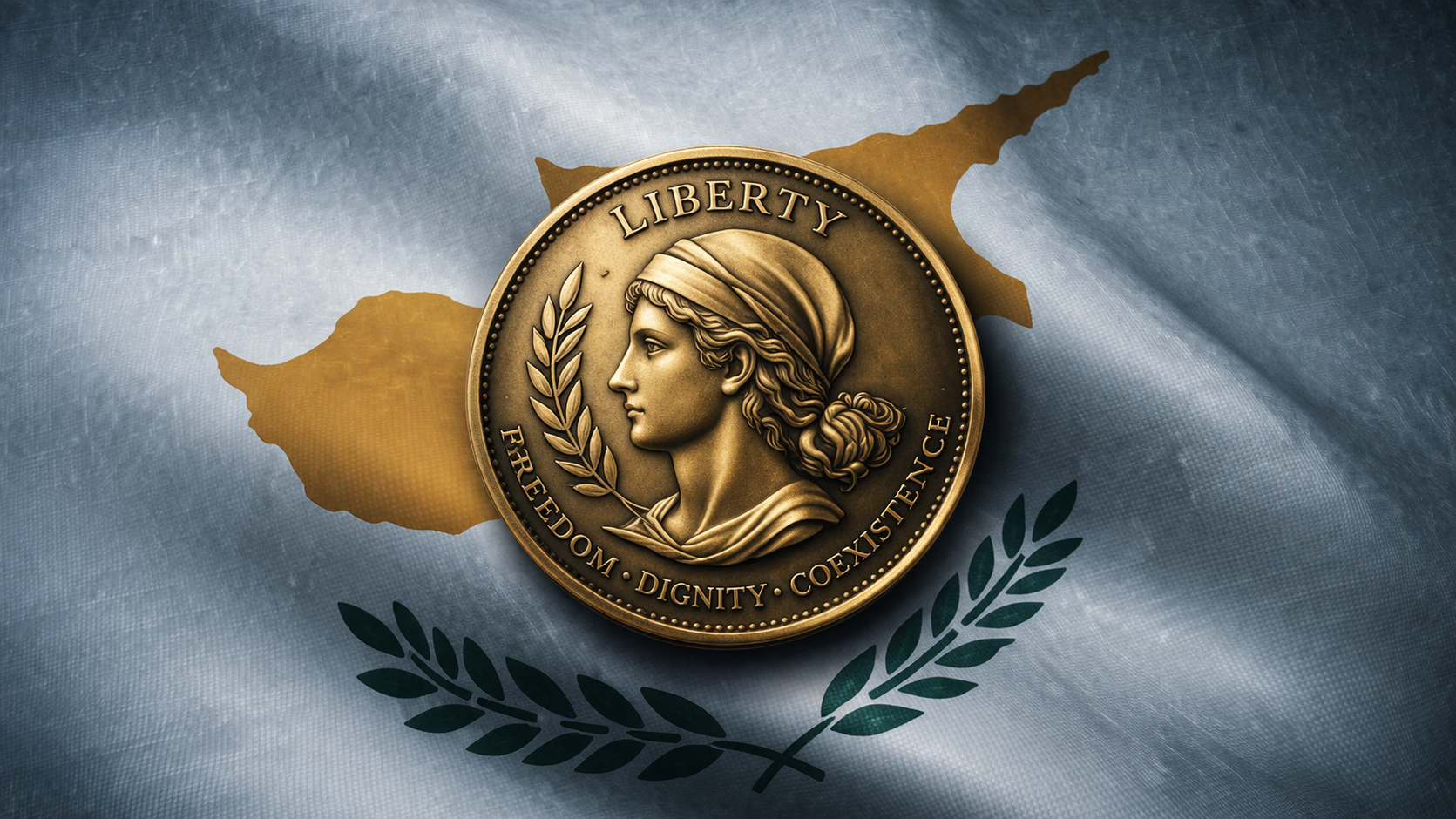
The Cyprus Community of New South Wales has launched the Cyprus Community Liberty Medal, honouring the ancient Greek roots of liberty as part of the Community’s contribution to the 2026 Cyprus Presidency of the Council of the European Union Programme.
The Medal reflects a tradition that stretches back to the earliest foundations of Western thought. It recognises and celebrates individuals, organisations and groups who actively advance liberty, human dignity and peaceful coexistence – those who protect identity and contribute to building just, inclusive and stable societies. In doing so, it affirms that liberty is not merely a historical inheritance, but a living principle that must be actively promoted, protected and sustained across generations.
The concept of liberty finds its origins in ancient Greece, where it was understood as eleutheria – the condition of living free from domination and participating fully in civic life. In the ancient Greek world, liberty was not abstract; it was embedded in the polis, expressed through equality before the law, freedom of speech, and the right of citizens to shape their own future. These principles were articulated through philosophy, political systems, early legal frameworks and cultural expression, forming the foundation of modern democratic society.
In ancient Athens, liberty was the cornerstone of democracy. It meant participation in public life, equality before the law, and freedom of speech, all safeguarded by the rule of law. While limited by modern standards, these ideas continue to shape contemporary understandings of liberty.
This tradition did not remain confined to the ancient world. It evolved and spread across time and place. One of its most enduring symbols – the liberty cap – emerged from ancient Greek and later Roman practice and came to represent emancipation, dignity and the rejection of subjugation.
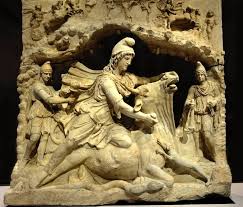
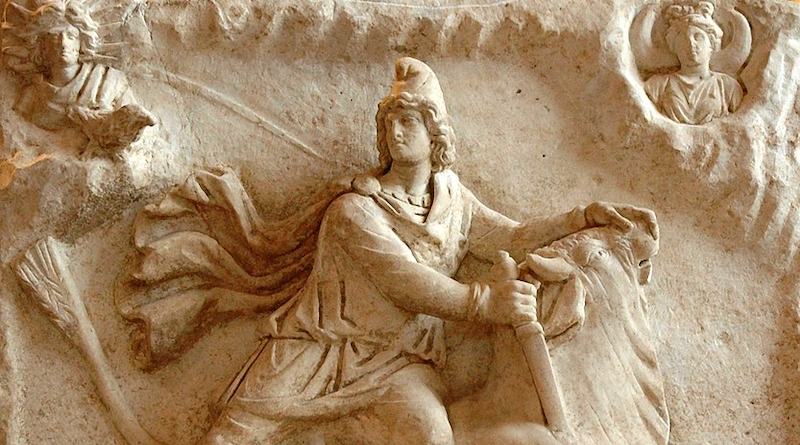
During the French Revolution, the liberty cap became a powerful symbol of emancipation and popular sovereignty, later incorporated into the symbols of the modern French Republic. From there, it crossed the Atlantic and became embedded in the struggles for liberty in the Americas. In the United States, it was embraced as a symbol of independence and remains visible in national seals and civic imagery. Its ancient Greek origins endure, reflected in the laws, symbols and civic identity of nations across Latin America, Africa and beyond—linking the modern world to the original ideals of liberty.
Today, these foundations are embedded in modern legal and institutional frameworks. Liberty stands as a cornerstone of European Union law and a defining principle of its existence, underpinning protections for personal freedom, movement, expression and identity. It is equally central to the system of the United Nations, where liberty is recognised as a universal and inalienable right grounded in human dignity, equality and the rule of law. The evolution of liberty – from ancient philosophy to modern governance – reflects a continuous commitment to protecting the individual and sustaining democratic society.
The Cyprus Community Liberty Medal continues this enduring Hellenic tradition. It translates an ideal shaped over millennia into a contemporary recognition of those who advance liberty in practical ways today.
Honorary Community President Michael Peters Kyriacou said the Medal reflects a contemporary understanding of liberty grounded in ancient principles.
“This Medal is about recognising those who actively pursue liberty in all its forms,” he said. “It applies not only to individuals, but to organisations and groups who work to uphold human dignity, protect identity, and create the conditions for peaceful coexistence.”
He emphasised the importance of impact. “Whether through humanitarian work, advocacy, education or community leadership, what matters is the outcome. We are recognising those who help people live with dignity, security and opportunity.”
The award is intentionally inclusive, open to recipients of all ages and backgrounds, reflecting the understanding that liberty is a shared global responsibility.
Dr Panayiotis Diamadis, Director of Archives and Heritage, said the initiative underscores the universal nature of liberty.
“The pursuit of liberty forms part of a shared human narrative,” he said. “Emerging from ancient Greek thought, it has evolved into a universal principle that affirms the right of all people to live with dignity, maintain their identity, and determine their own future.”
Honorary Secretary Kyriakos Panayi said the Medal also reflects the Community’s broader evolution.
“We are moving beyond being solely a migrant-based organisation to one that reflects second, third and fourth generation Australian Cypriots,” he said. “There is a clear expectation that we become more mainstream, more inclusive, and more aligned with what is happening in Australia and globally.”
“This Medal aligns with that direction. It recognises effort, sacrifice and achievement, and reflects what we stand for—values fundamental to Australian society: harmony, progress and human dignity. It promotes and defends the ideals that have made Australia a place of opportunity, stability and respect for all.”
Mr Kyriacou said establishing the Medal was an obligation, noting Cyprus’s enduring place in the story of liberty.
“Cyprus is a land – and a people – shaped by centuries of invasion, occupation and endurance, yet never defined by them. Its people have carried forward something deeper: a quiet, unbroken insistence on dignity, identity and the right to exist,” he said.
“Liberty is not foreign to Cyprus. It is indigenous – just as its language and cultural heritage are – and forms part of the legacy this civilisation has given to the world.”
“It is fitting that the Cyprus Community pays homage to that enduring past and to the gift of the ancient Greeks—an idea as relevant today as it was millennia ago. Through this Medal, we honour those who continue to uphold that ideal through their actions.”
Across the world, the idea of liberty has travelled – from ancient Greek thought to the revolutions and movements that shaped modern nations. In the Americas, and particularly in the United States, these ideas were not only studied but lived and defended. The liberty cap remains a visible reminder that liberty must be claimed and protected.
Mr Panayi said this is the legacy we inherit. “We have a responsibility to honour those who remain true to the ideals our ancestors gave to the world. These are not relics of the past—they are living principles that continue to guide us.”
Dr Diamadis added: “From ancient Greece, to revolutionary Europe, the Americas, the Indian subcontinent, Africa and Asia, and through to the modern frameworks of the European Union and the United Nations, liberty has evolved – but its essence remains unchanged. It is carried – by people, by communities, and by generations who refuse to let it fade.”
The award will be announced at a ceremony planned for Friday, April 17.
For further information, to attend the inaugural presentation of the Liberty Medal, or to nominate a candidate, visit: https://thecyprusclub.org.au/liberty-medal/
