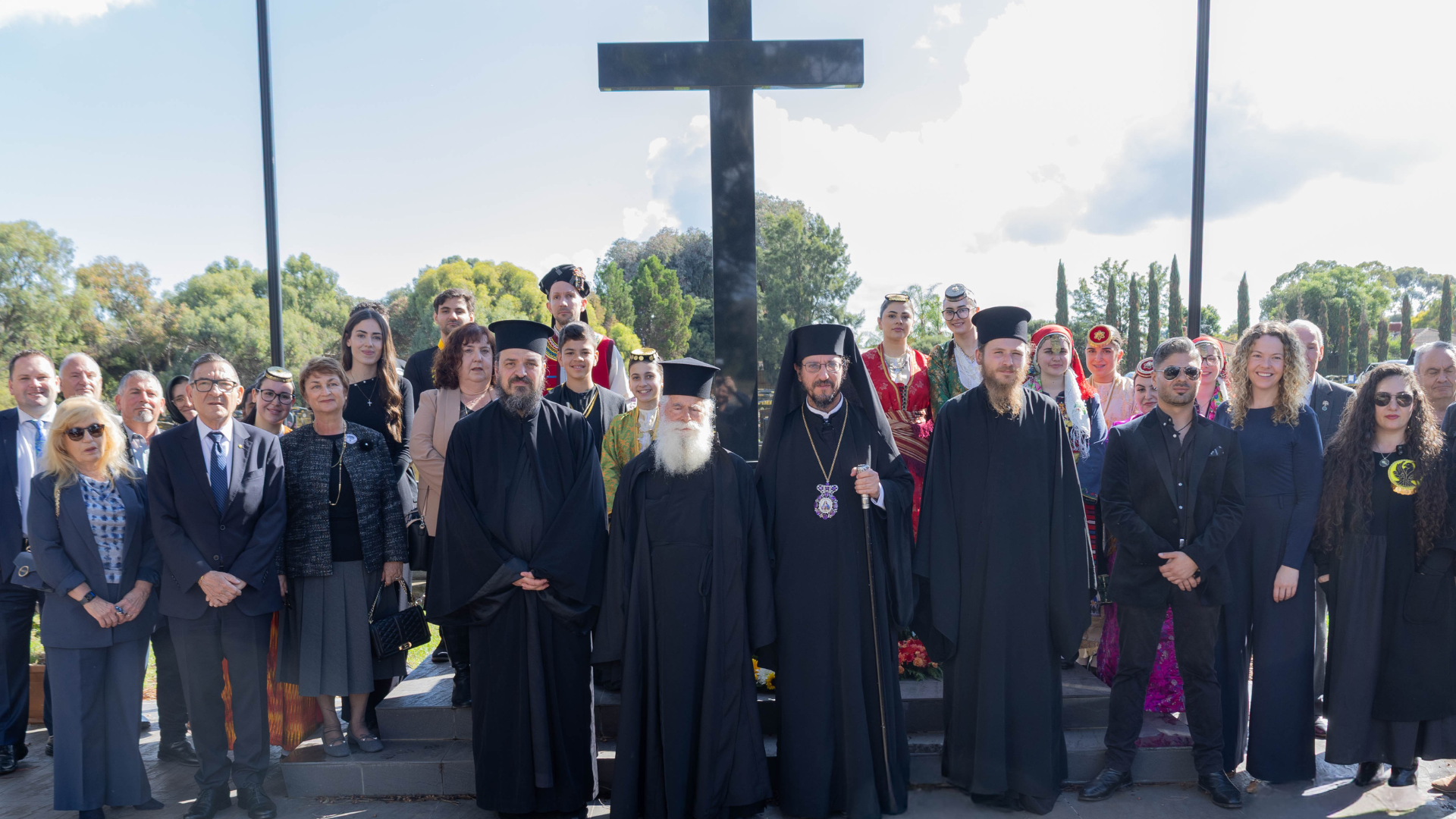
Adelaide’s Pontian and wider Greek community gathered on Sunday to commemorate the Greek Genocide through a solemn day honouring the memory of the Pontian Greeks who perished during the persecutions and massacres carried out in the Ottoman Empire.
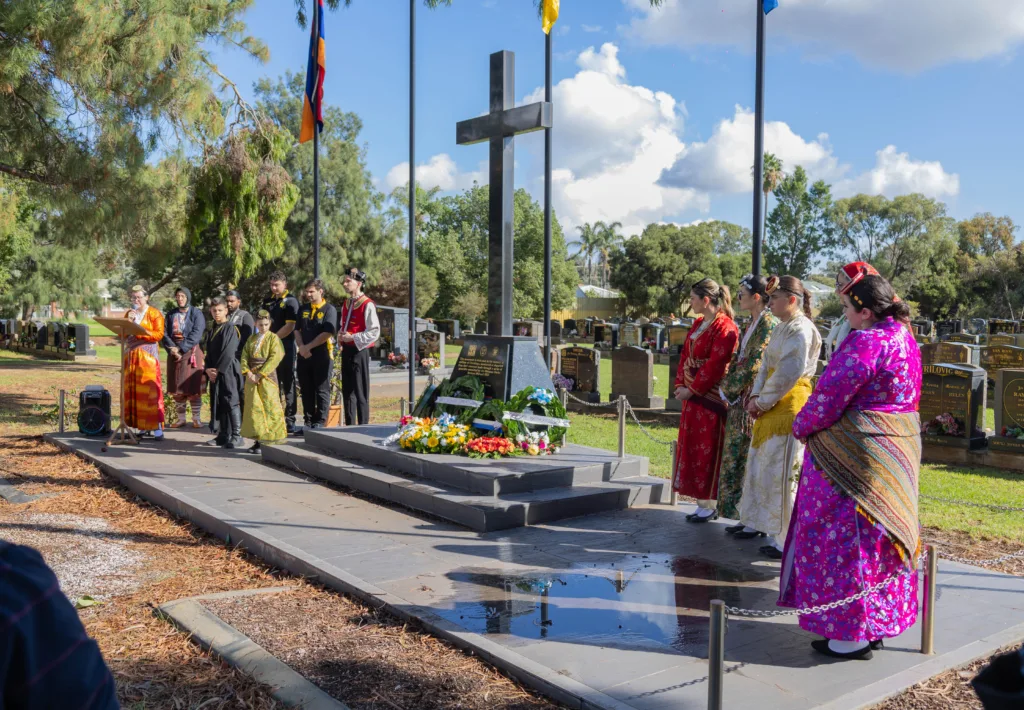
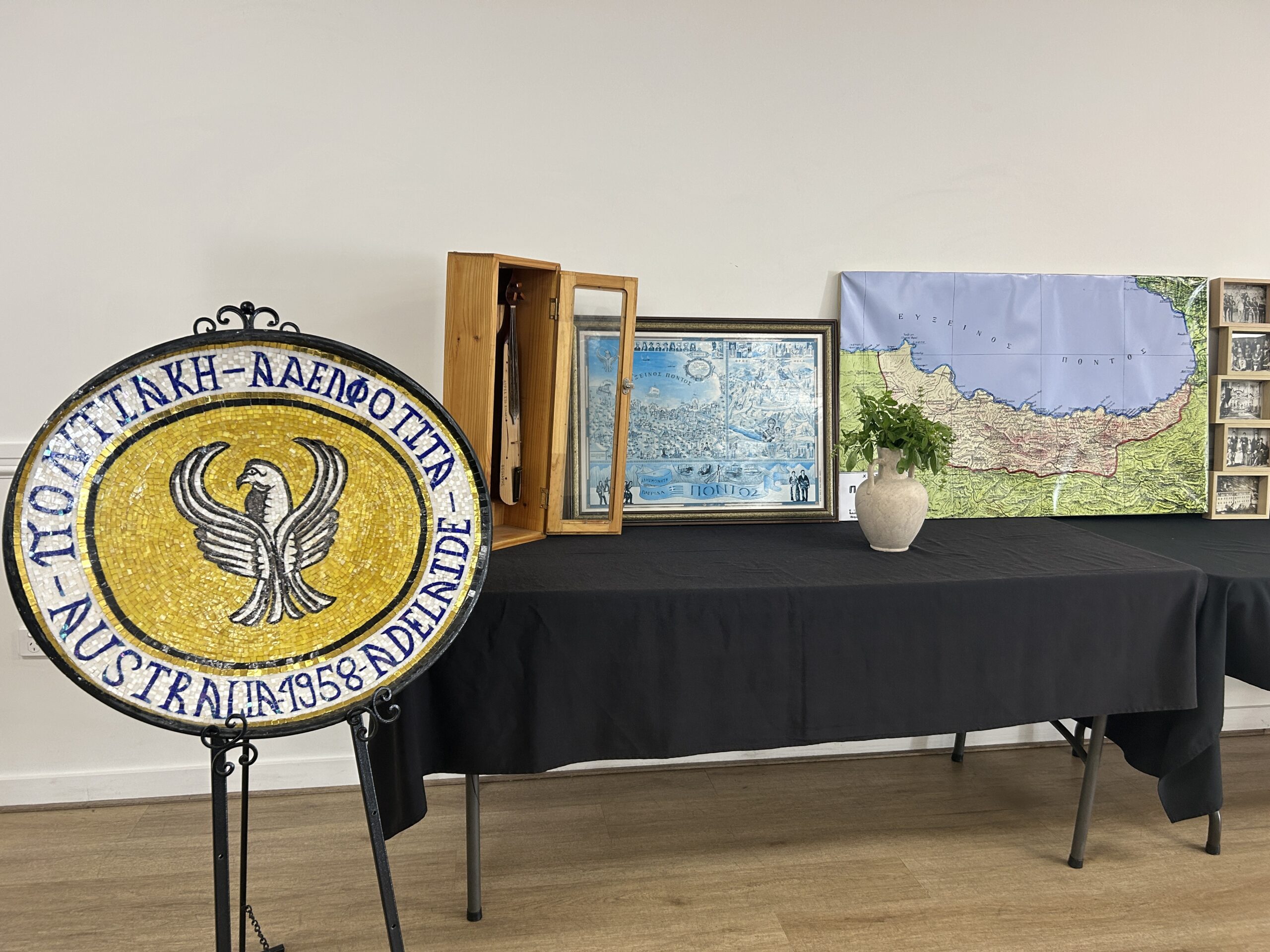
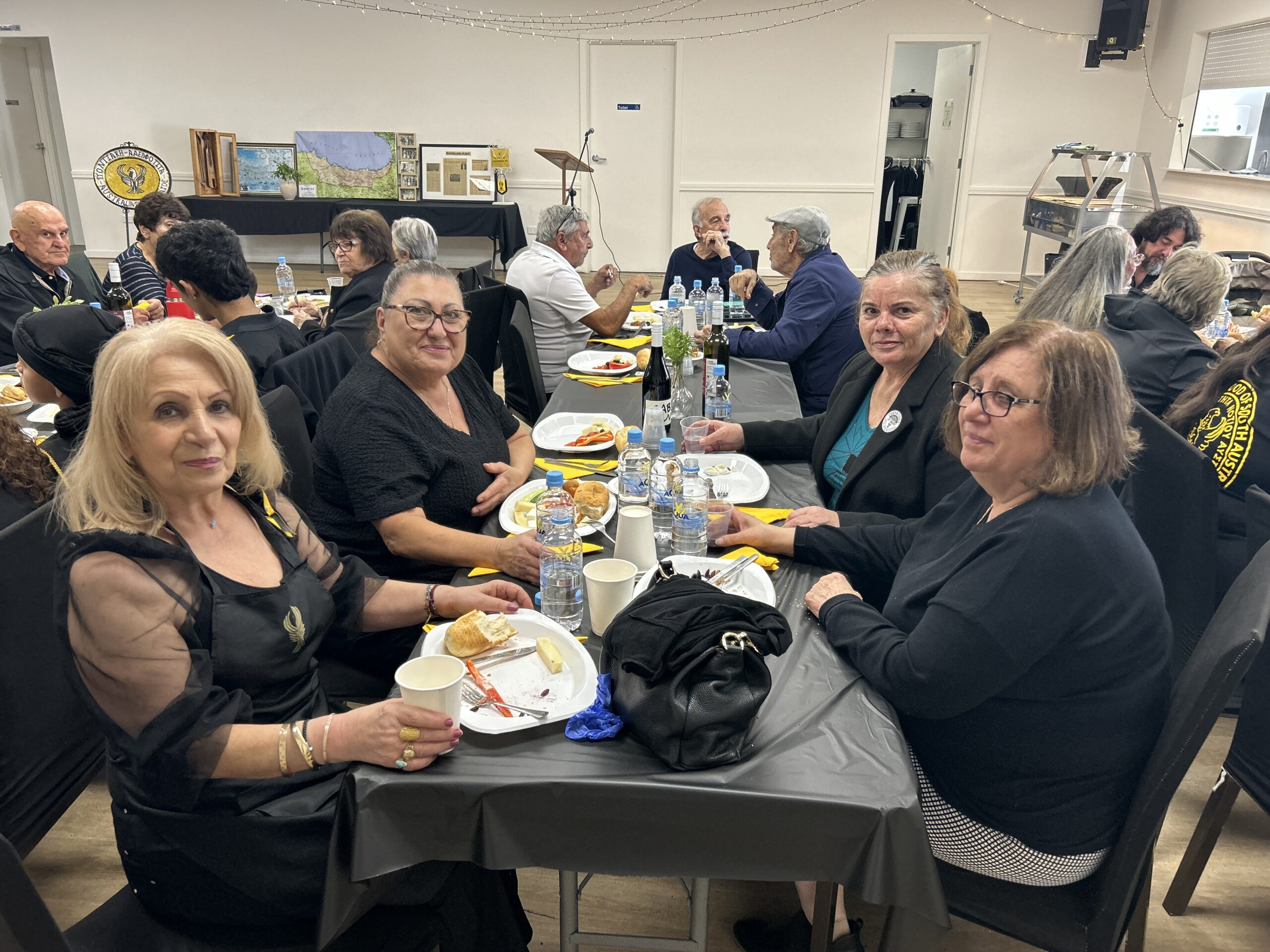
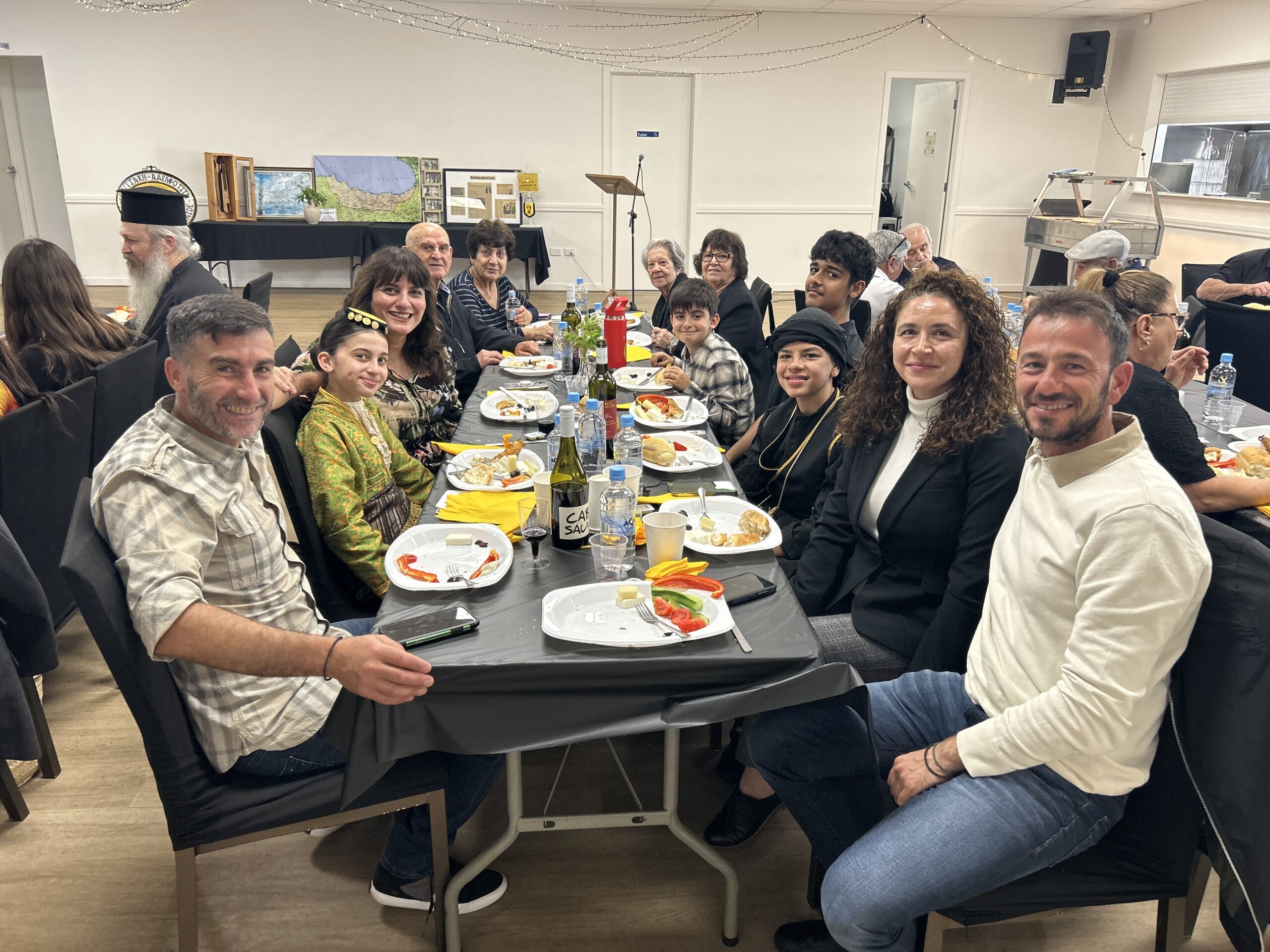
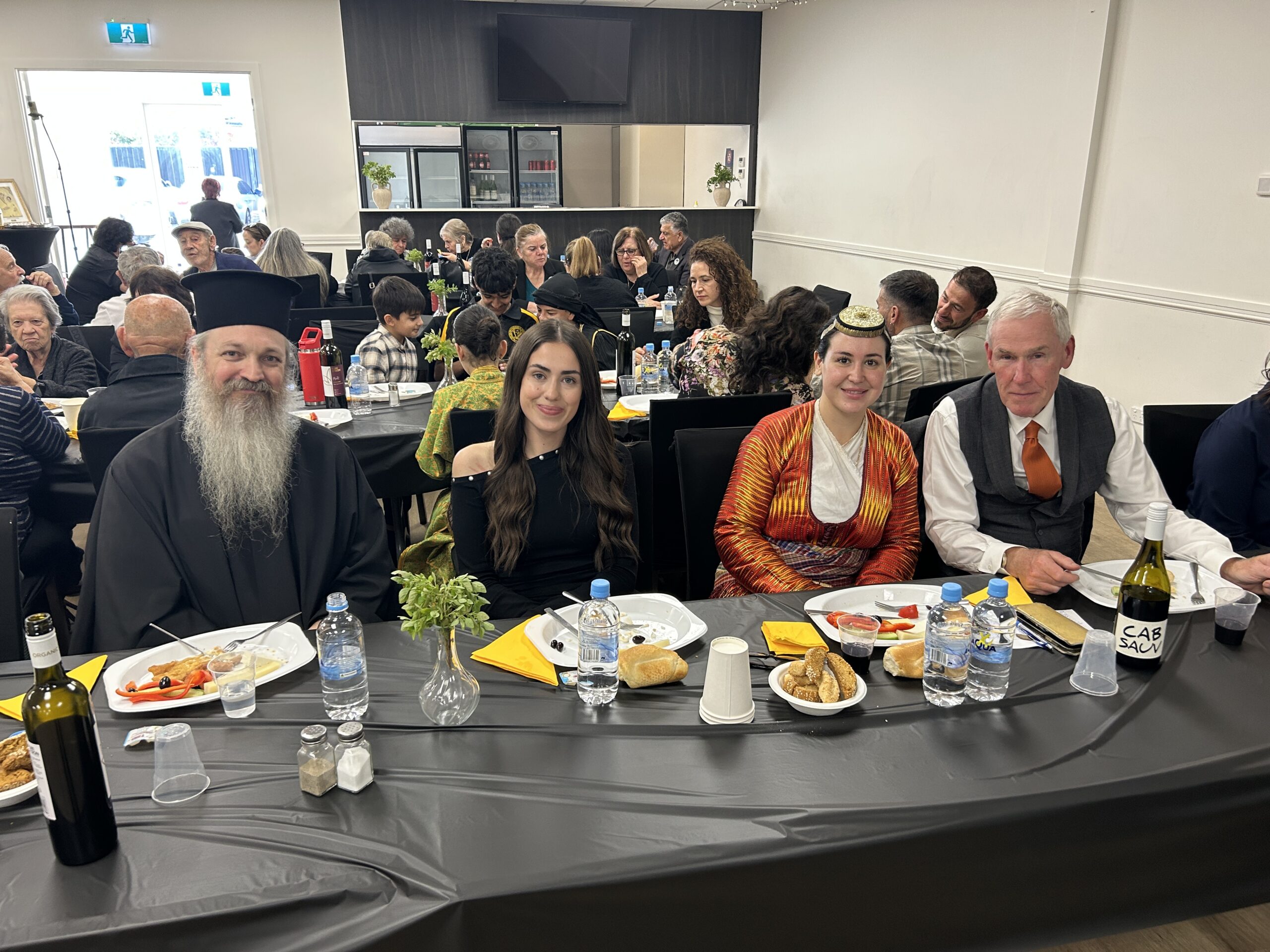
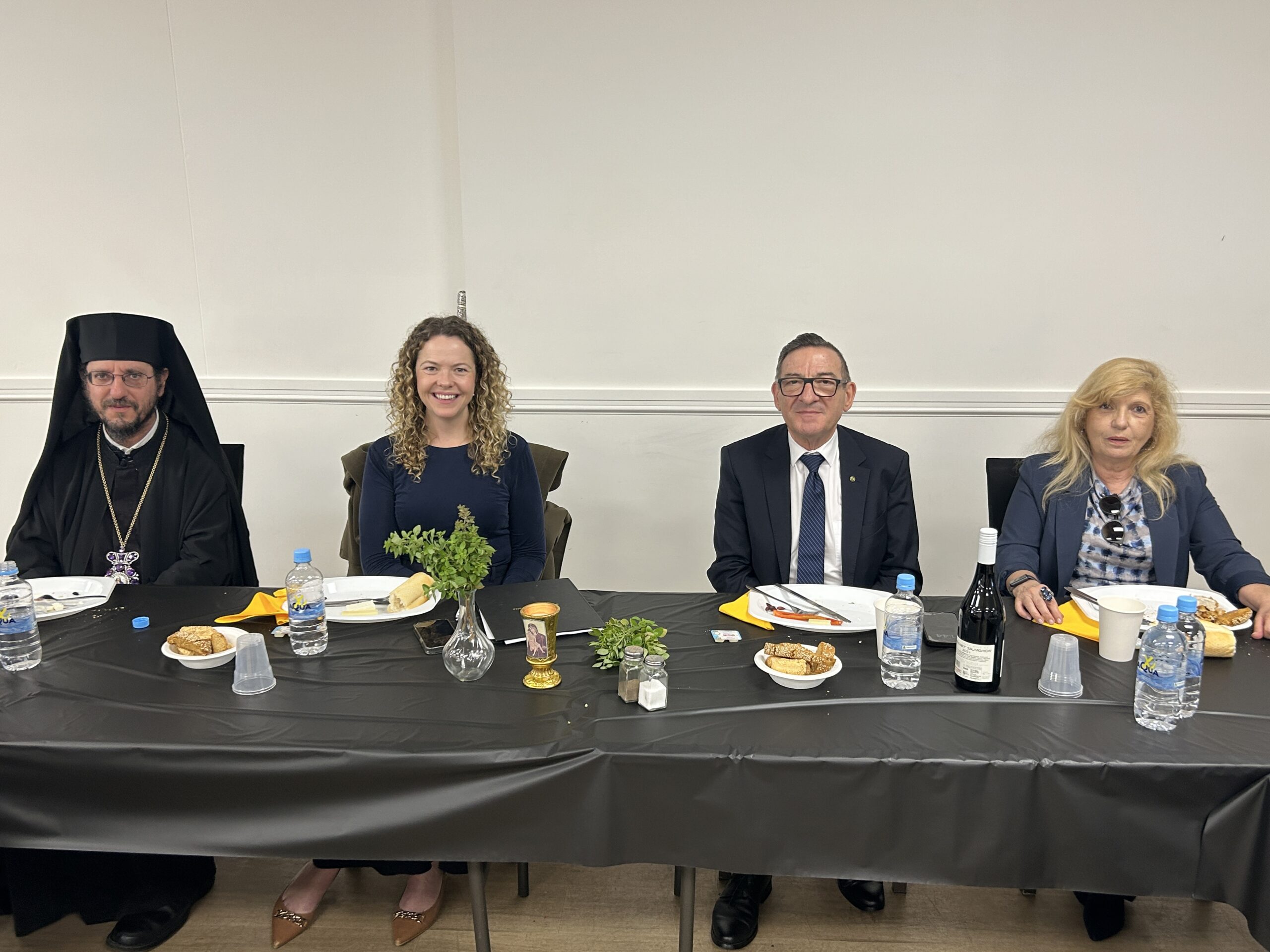
The three-part commemoration programme, organised by the Pontian Brotherhood of South Australia (PBOSA), commenced with a Divine Liturgy and Memorial Service at St Dimitrios Greek Orthodox Parish in Salisbury, followed by an official memorial ceremony and wreath-laying at the Salisbury Memorial Park Monument for the Greek, Armenian and Assyrian Genocide, before concluding with an official reception at the Pontian Brotherhood of South Australia Hall.
Divine Liturgy and Memorial Service at St Dimitrios Salisbury
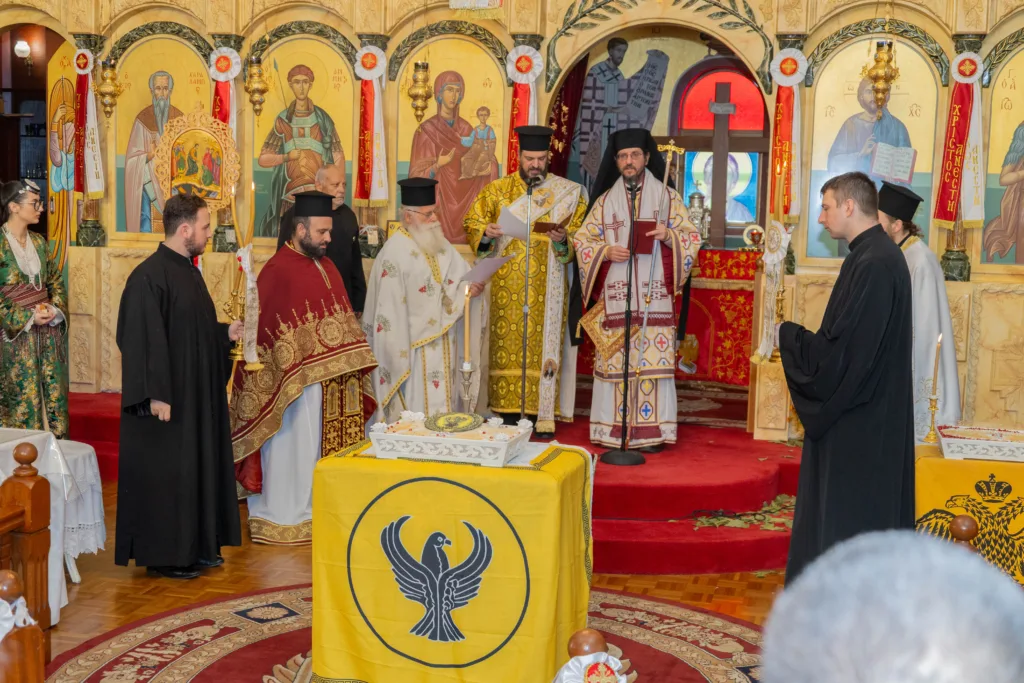
The day commenced with a Divine Liturgy and Memorial Prayer Service at Saint Dimitrios Greek Orthodox Parish in Salisbury Plain, officiated by His Grace Bishop Silouan of Adelaide, where faithful gathered in prayer for the repose of the souls of the victims who perished through massacres, deportations, forced marches and persecution between 1914 and 1923, during the destruction of the historic Pontian Greek communities of the Black Sea region of Asia Minor.
Official Memorial Ceremony at Salisbury Memorial Park
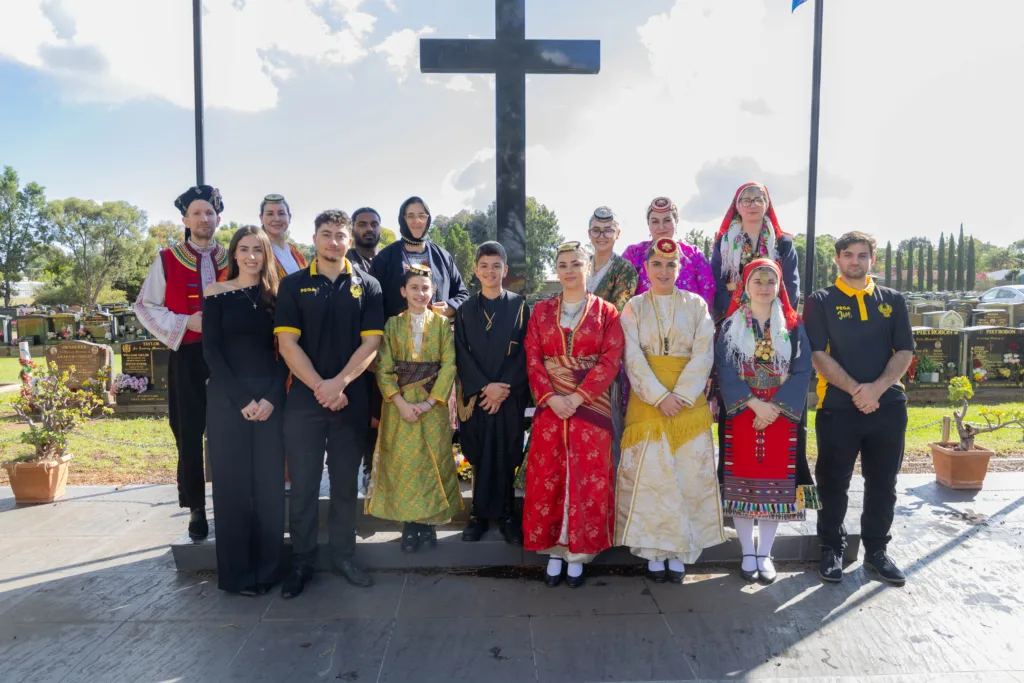
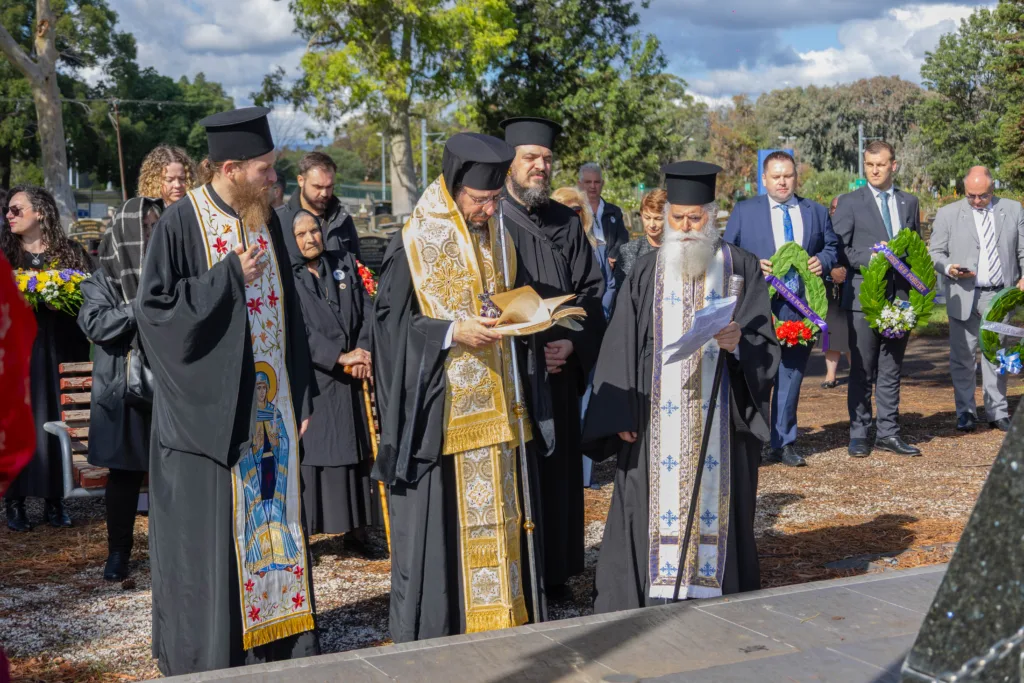
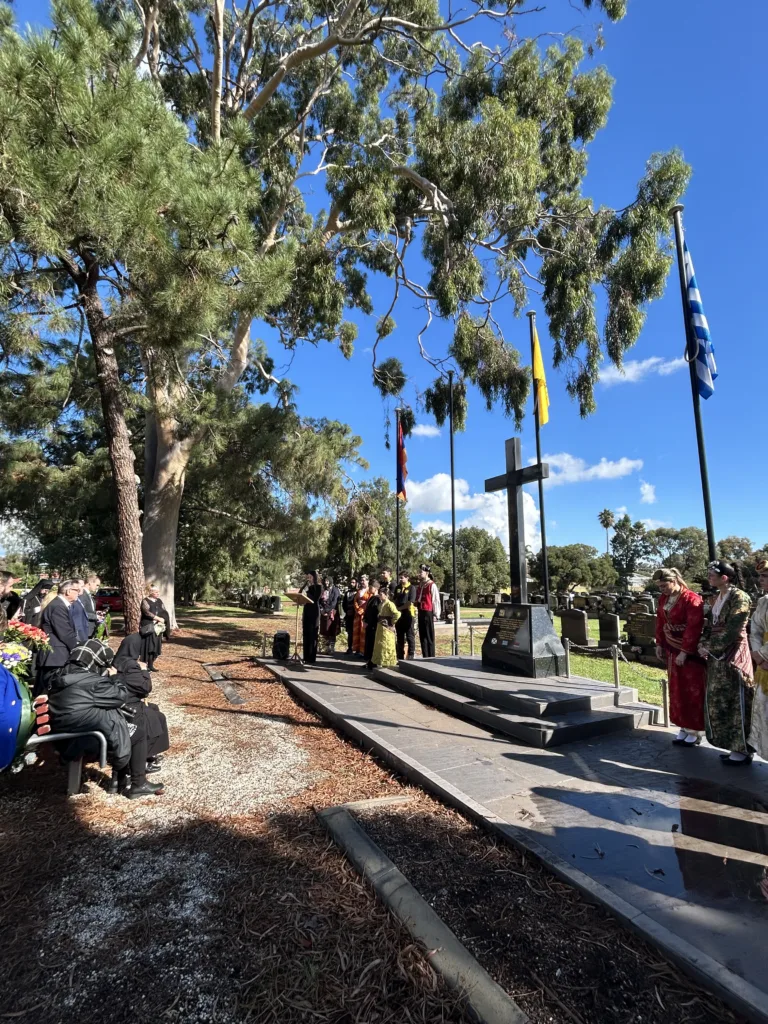
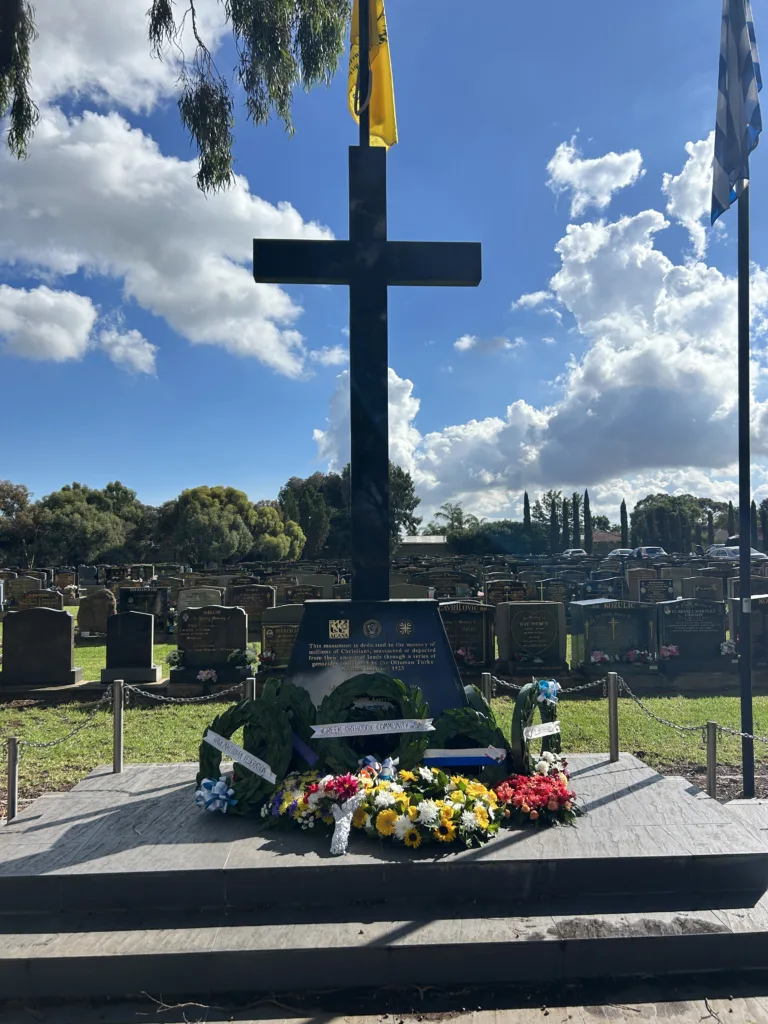
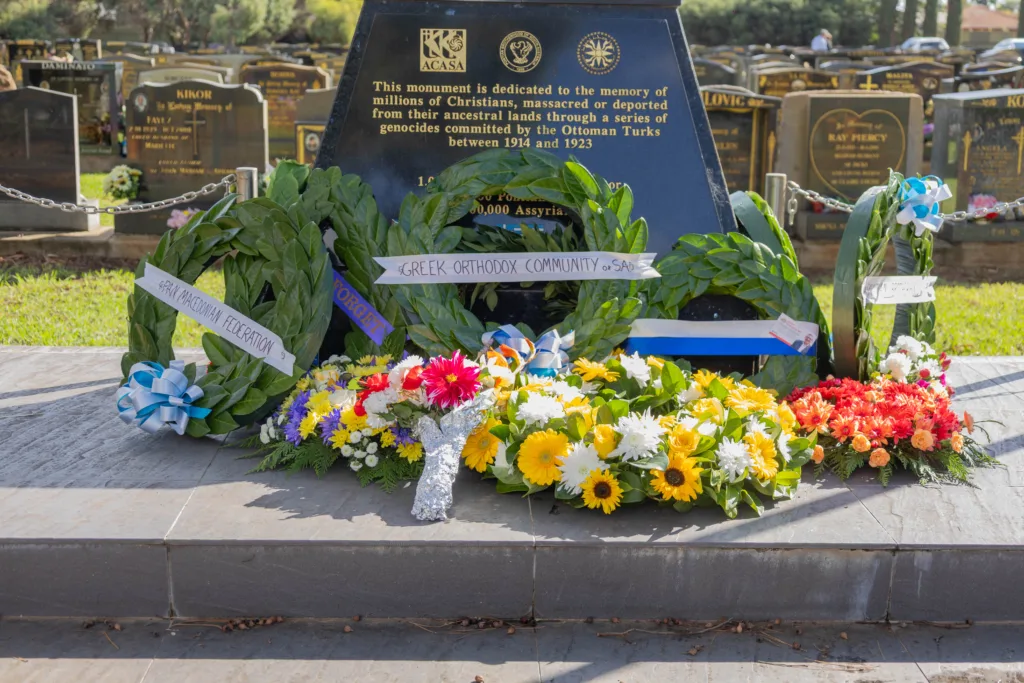
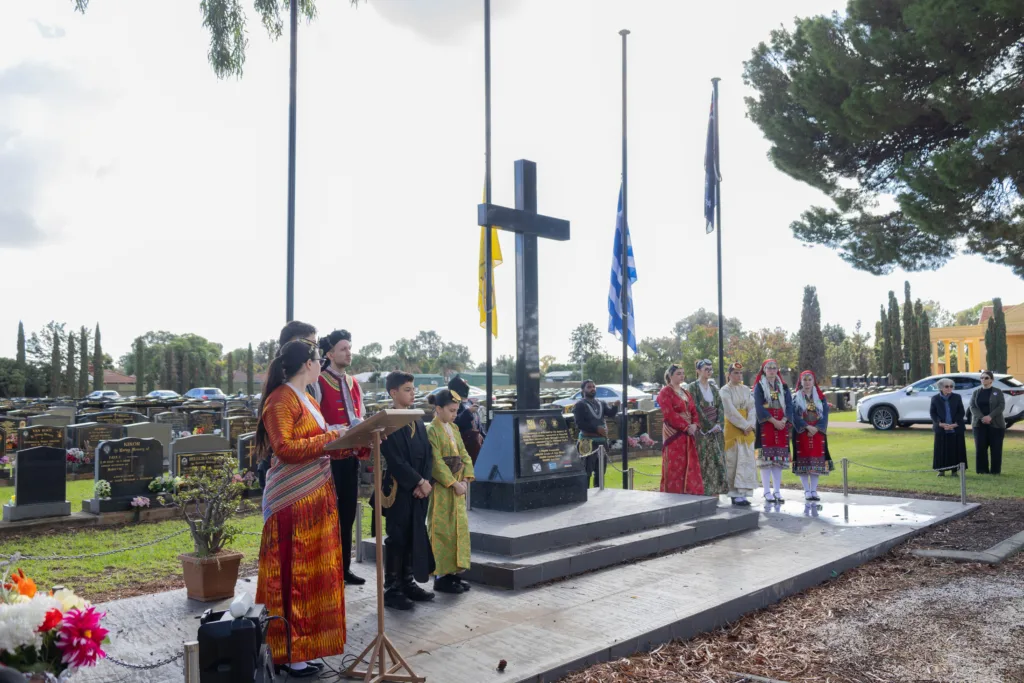
Following the conclusion of the church service, attendees proceeded to Salisbury Memorial Park for the Official Memorial Ceremony, Flag Raising and Wreath-Laying Ceremony held at the Memorial for the Greek, Armenian and Assyrian Genocide. National Anthems of Australia, Greece and Armenia were performed during the raising of the flags.
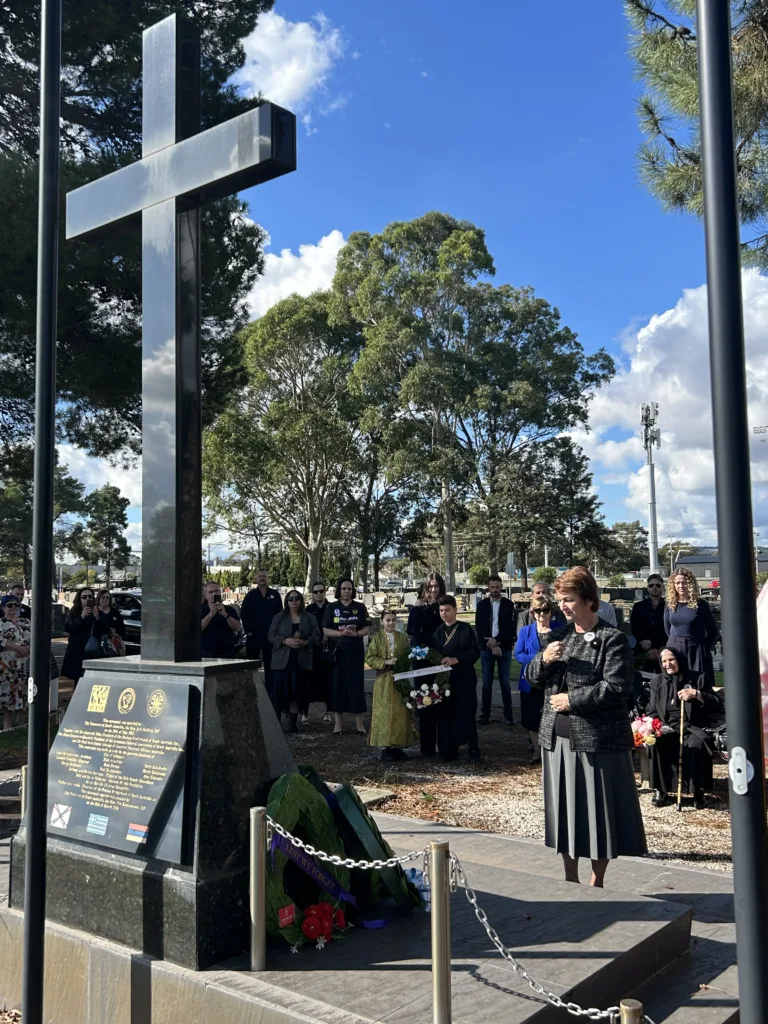
Renae Lazaridis O’Donnell, President of the Pontian Brotherhood of South Australia, also addressed commemorators throughout the day, reflecting on the suffering endured by Pontian Greeks, the survival of Pontian Hellenism, and the responsibility carried by descendants of survivors to preserve historical truth and memory
“Today, we gather not only to remember, but to honour, to reflect, and to carry forward a truth that must never be forgotten,” she said, noting that more than 353,000 Pontian Greeks “were persecuted, displaced, and killed in a systematic campaign that sought to erase an entire people from their ancestral homeland along the shores of the Black Sea.”
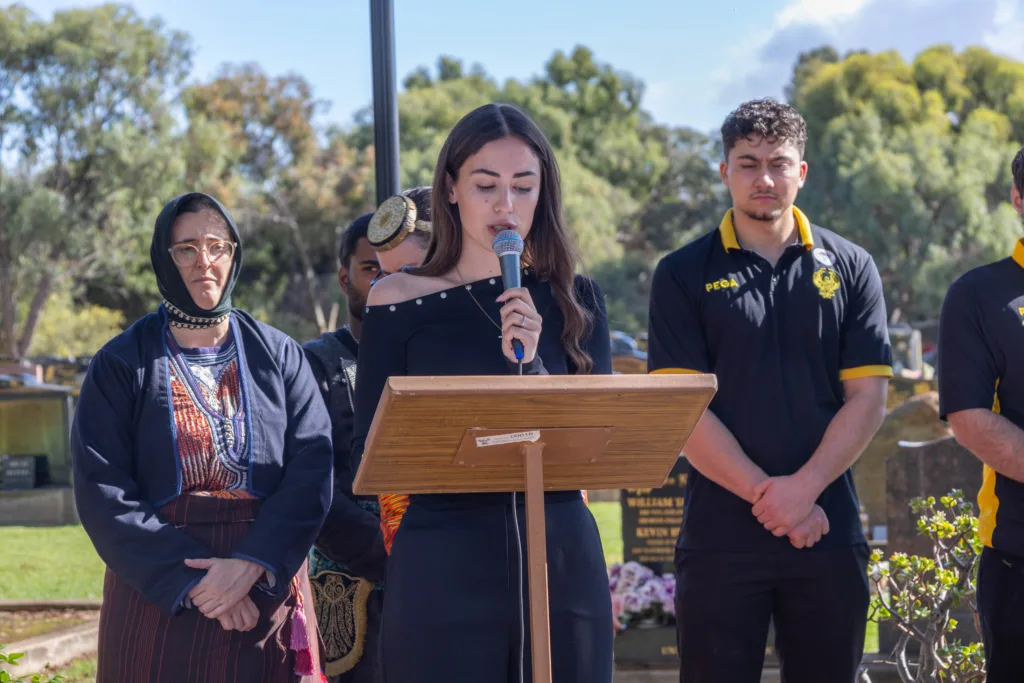
Ms Lazaridis described the destruction experienced by Pontic communities during the final years of the Ottoman Empire, recalling that men were “forced into labour battalions under brutal conditions,” while women, children and the elderly were sent on death marches “often without food, shelter, or protection.” She said entire villages were destroyed, families separated and thousands perished through “disease, hunger, and unimaginable suffering.”
She described the atrocities as “not accidental,” but “deliberate,” “organised,” and resulted in “genocide.”
Reflecting personally on her family history, Ms Lazaridis said her great grandparents “were among those who were forced to leave their homeland in Pontos” and “did not leave by choice, but out of necessity — to survive.”
“They had to rebuild their lives from nothing,” she said. “And yet, they did.”
Ms Lazaridis said the survival of Pontian identity remained a testament to the resilience of the Pontian people.
“I stand here today because they survived,” she said. “That is the legacy we carry.”…“As Pontians, we are more than just descendants of history — we are its continuation.”
Concluding her remarks, Ms Lazaridis called upon the community to continue preserving truth and remembrance.
“We have a responsibility — to educate, to speak, and to ensure that the truth of the Pontic Greek Genocide is recognised and never denied or forgotten,” she said.
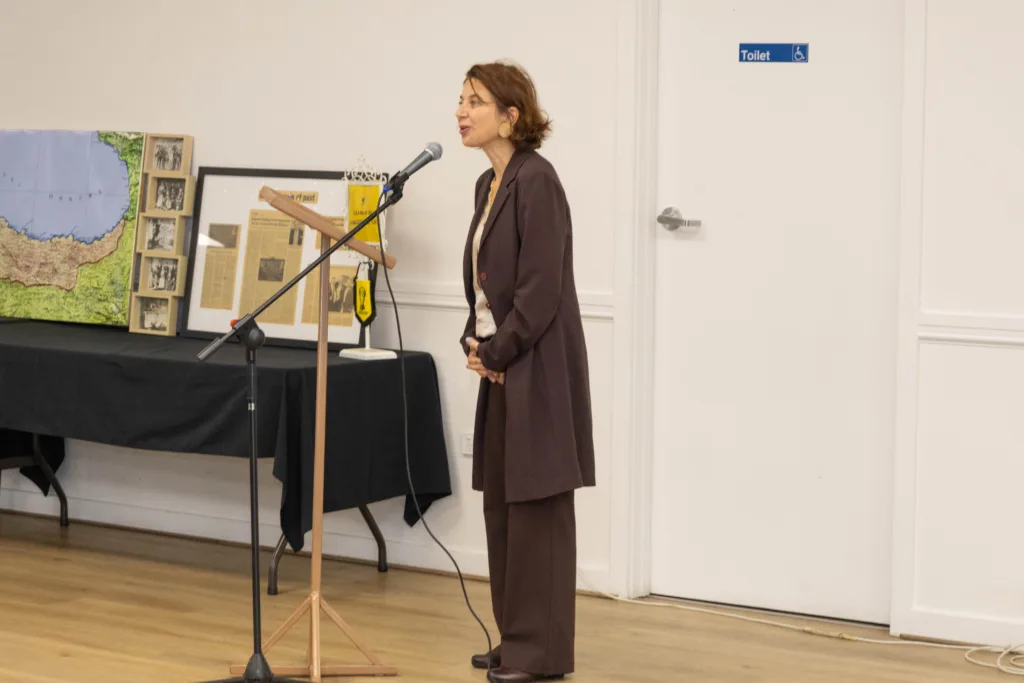
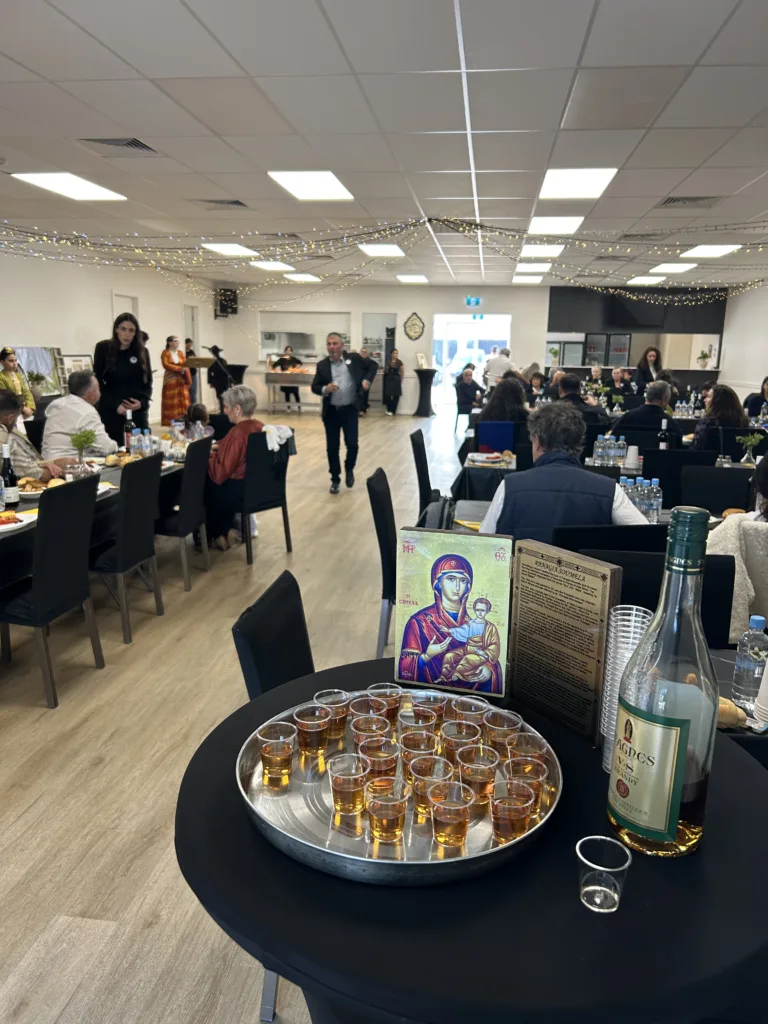
Official Reception at the Pontian Brotherhood of South Australia
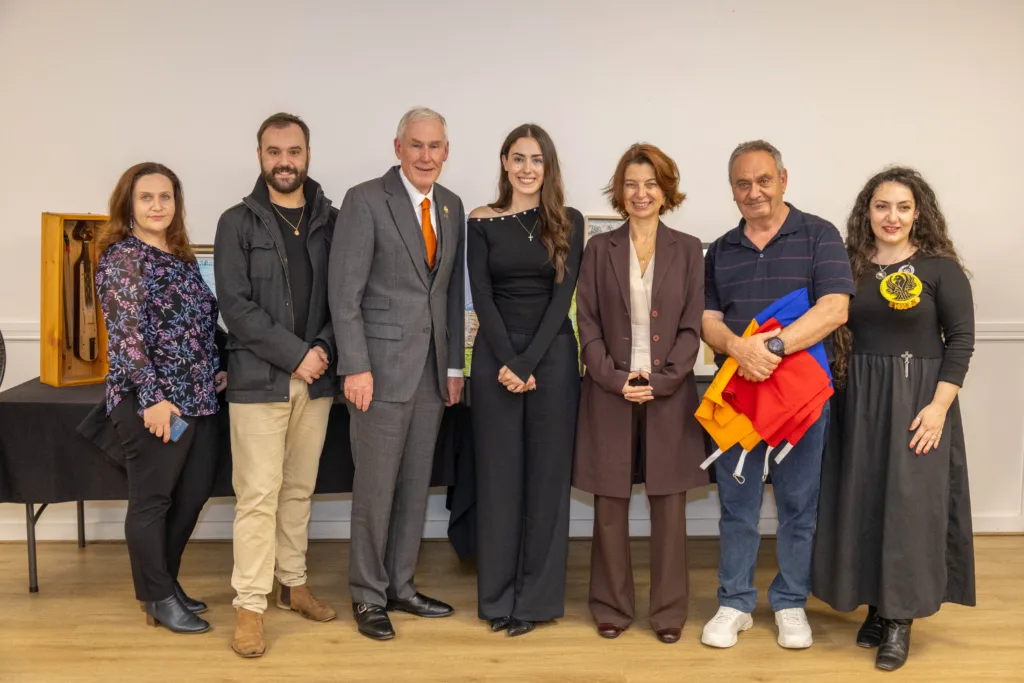
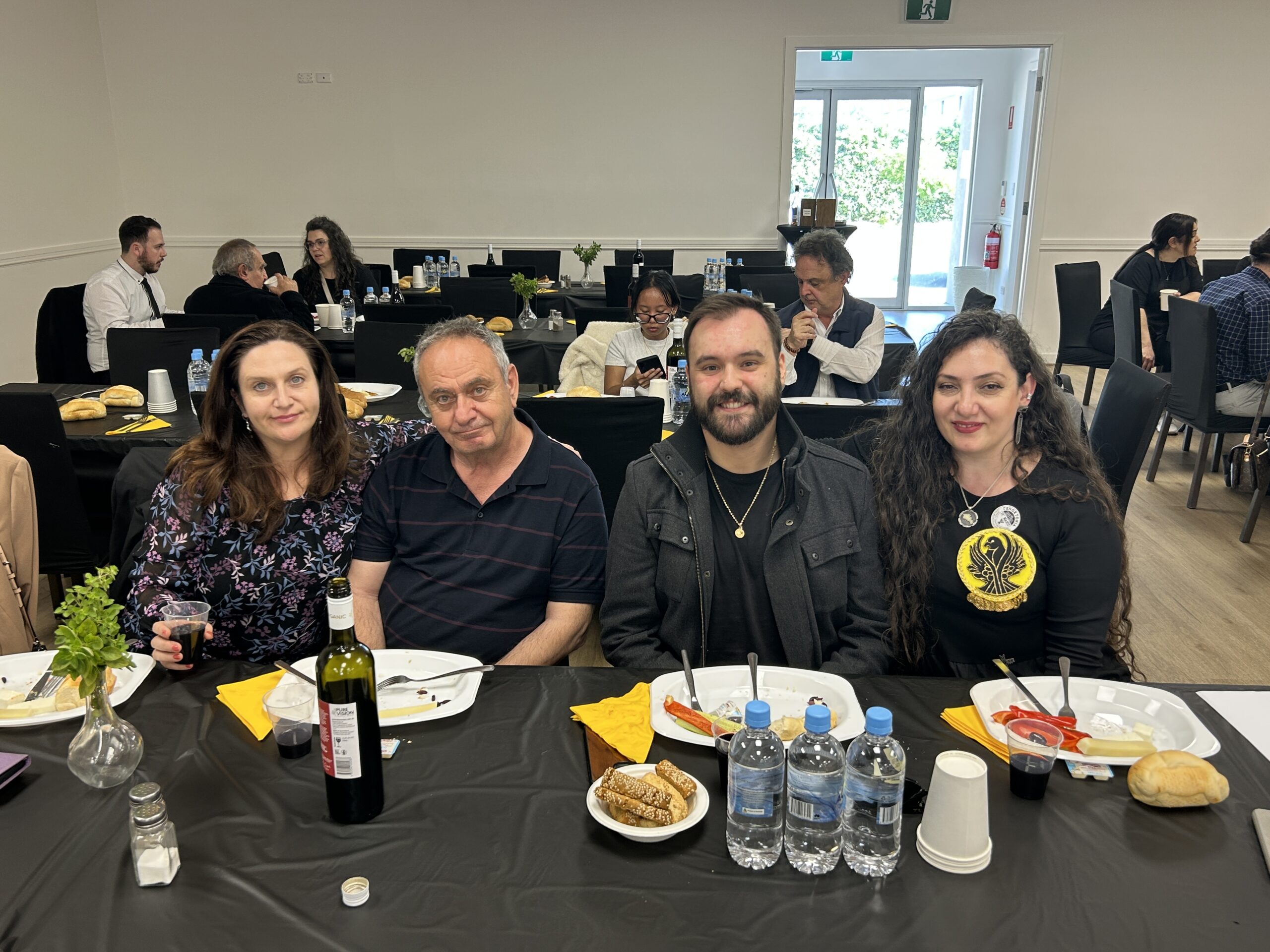
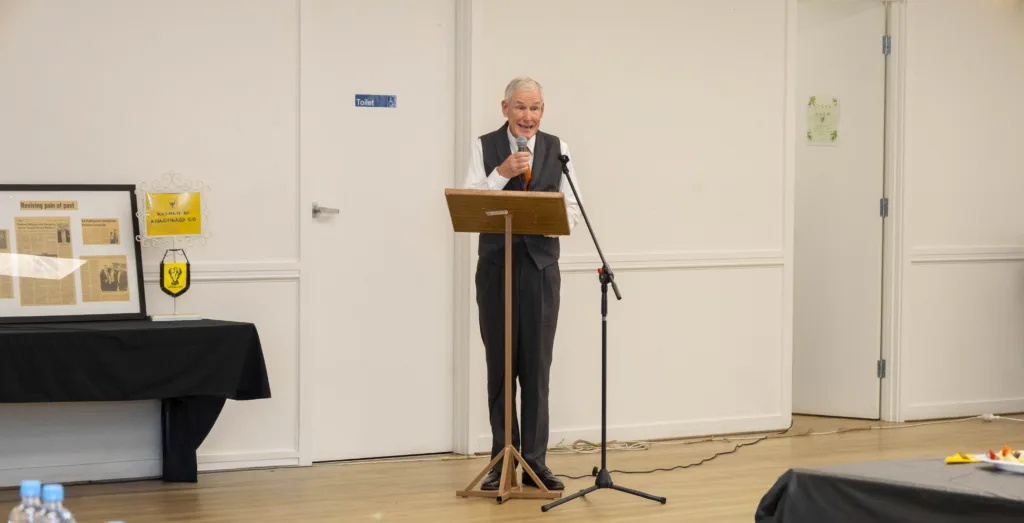
Among the keynote speakers was the Hon. Michael Atkinson, whose parliamentary efforts contributed to South Australia becoming the first Australian jurisdiction to formally recognise the Greek, Pontian, Armenian and Assyrian Genocides in April 2009. Working alongside Federal Member for Adelaide Steve Georganas and then-President of the Pontian Brotherhood of South Australia Harry Tavlaridis, Mr Atkinson played a central role in securing the historic parliamentary recognition.
Reflecting on the historical position of Christian communities within the Ottoman Empire, Mr Atkinson said:
“It’s hard to believe now, but in the late 19th century 1/3 of the people who lived in the Ottoman Empire were Christian…And when the first ever Ottoman parliament met in 1877 there were 67 deputies who were Muslim, 44 who were Christian, and four who were Jewish and so …some of those Christian communities cease to be part of the Ottoman Empire and set up their own states…but there wasn’t that option for the Pontians or the Armenians or the Assyrians, because they were in Anatolia, and it was not realistic for … and the Ottoman Empire decided on a different solution, which we, which we commemorate today.”
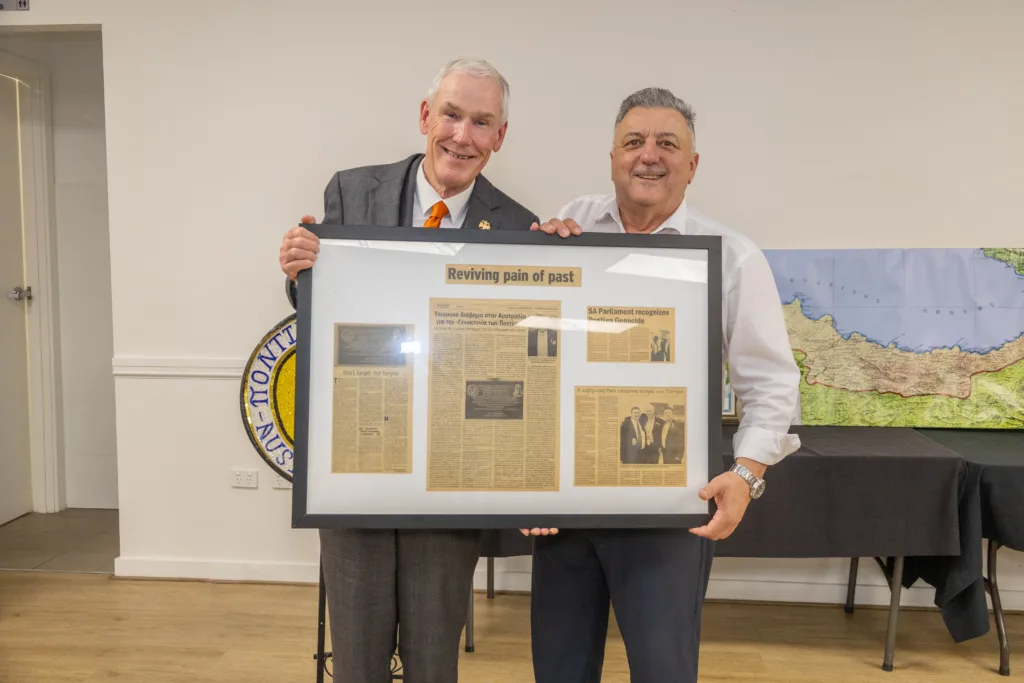
Mr Atkinson also recalled the controversy surrounding the unveiling of a commemorative plaque at the Migration Museum in 2009 and the subsequent parliamentary debate which led to formal recognition in South Australia.
“Back in 2009 I was invited to unveil a plaque commemorating the mass killings at the Migration Museum…and we had a full debate about it, and the Parliament of South Australia unanimously resolved to recognise the Pontian Armenian and Assyrian genocide unanimously, and I was very pleased to do that.”
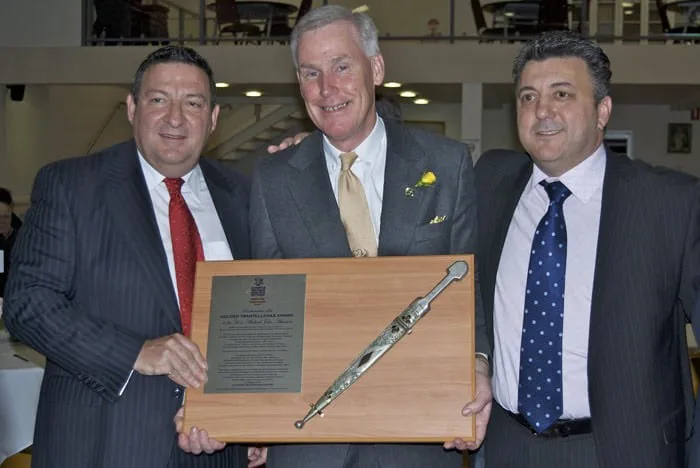
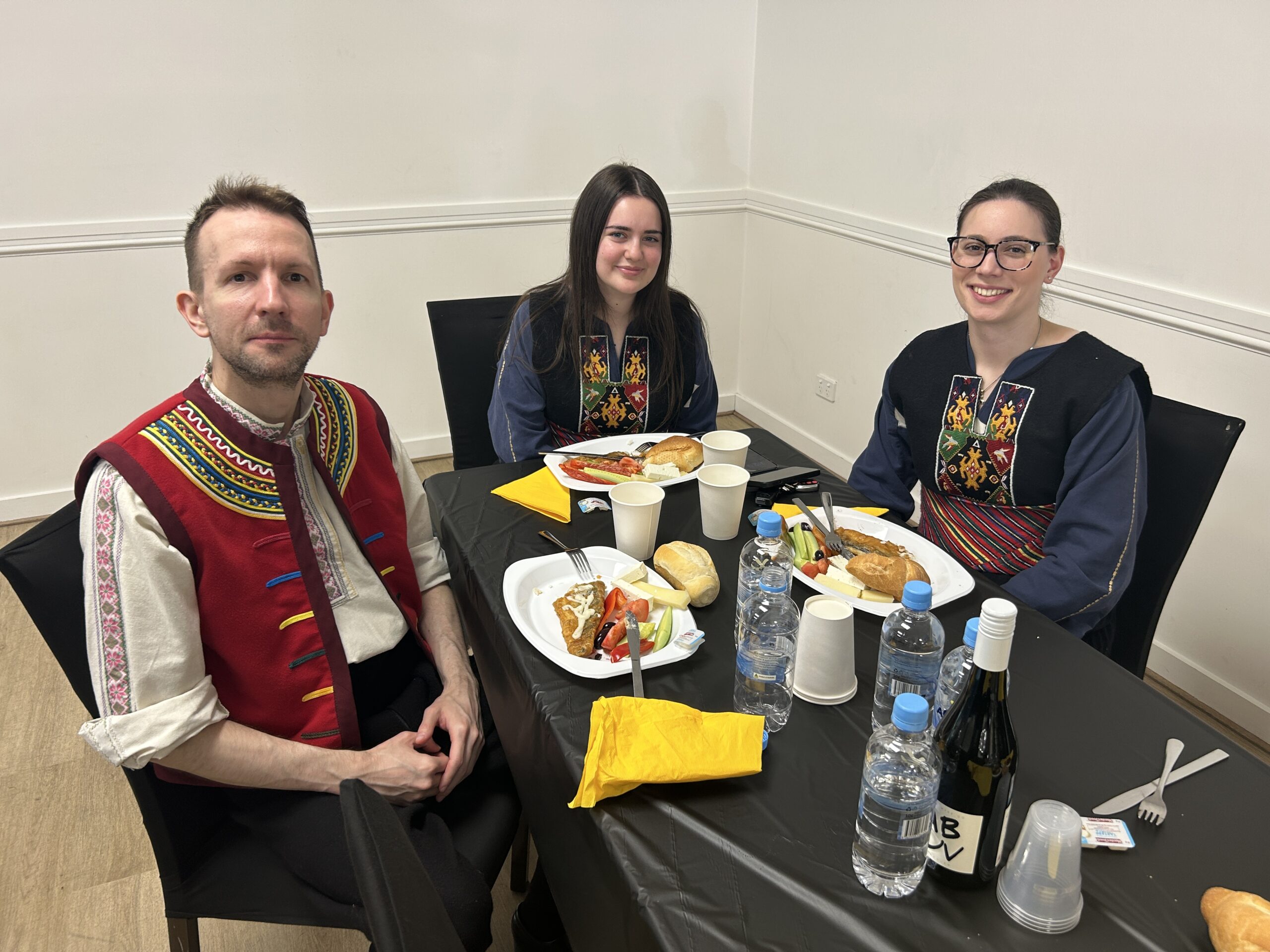
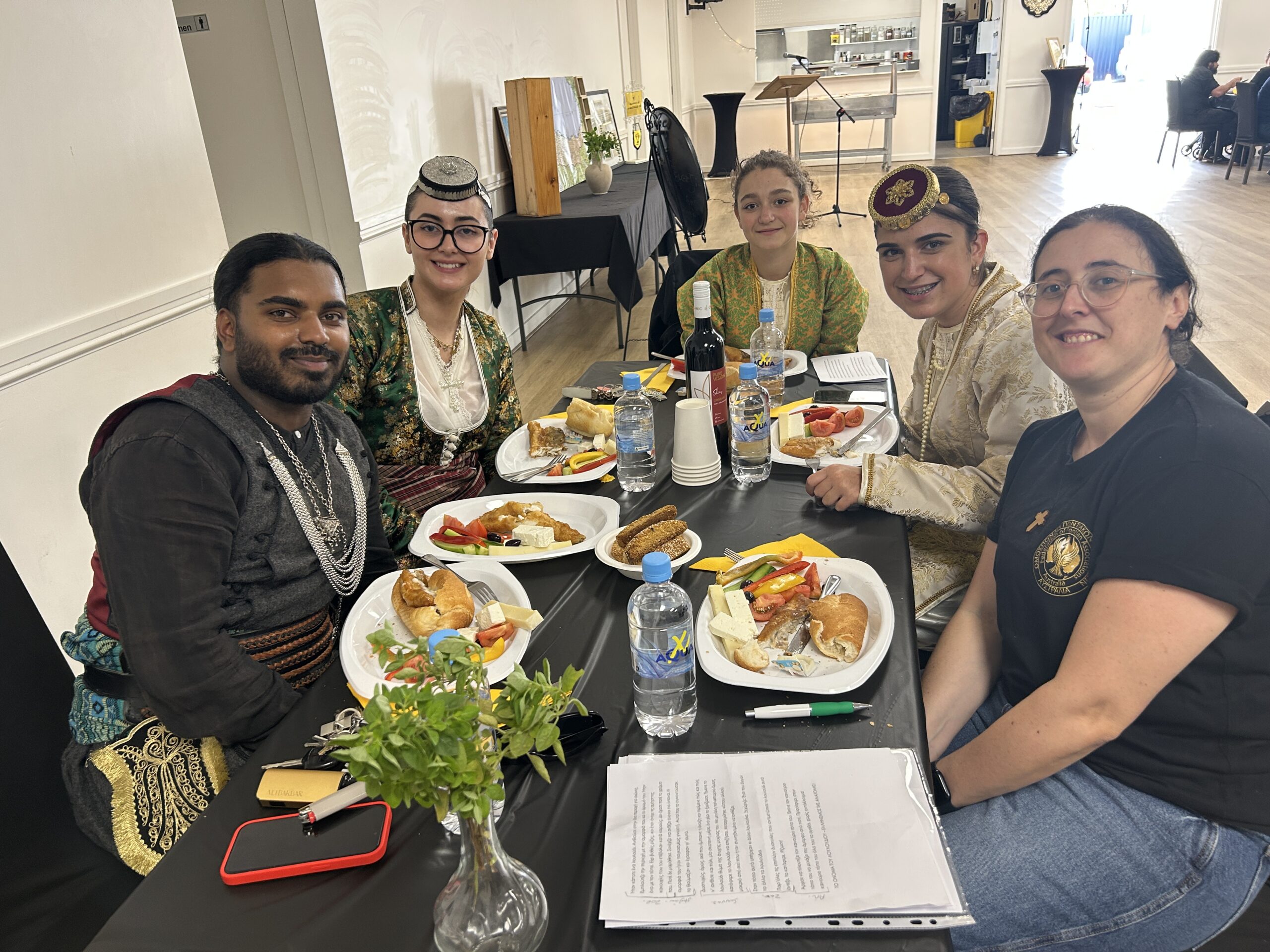
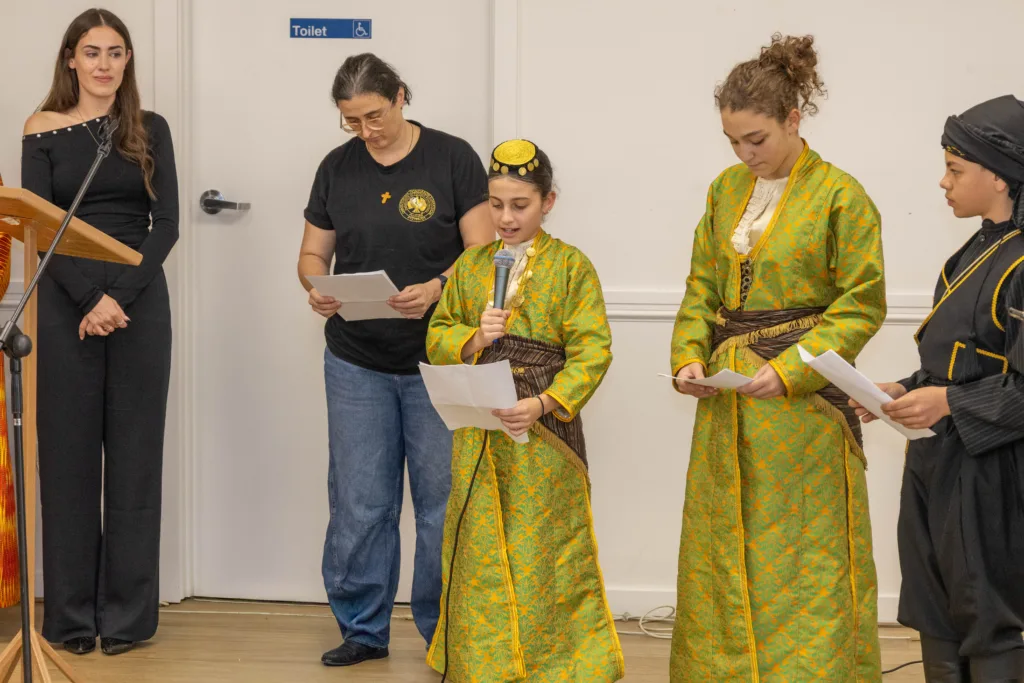
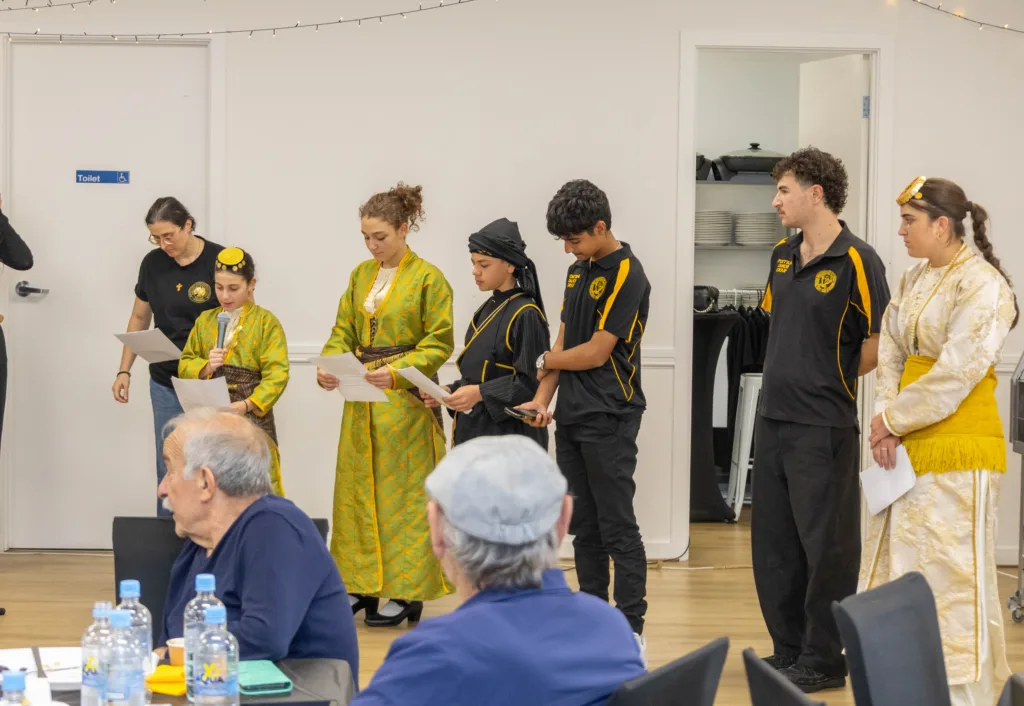
A youth presentation formed one of the most moving moments of the reception, with young members of the Pontian Brotherhood of South Australia delivering a bilingual reading in both Greek and English reflecting upon the endurance and survival of Pontian Hellenism across generations.
The allegorical poem used the image of a flower to symbolise the Hellenism of Anatolia and, in particular, the Pontic Greek people. Organisers explained that the flower represented “a culture that flourished for centuries, deeply connected to its land, enriching it with its presence and traditions,” while its sudden uprooting reflected “the tragedy of the Pontic Greek Genocide, when countless lives were lost and communities were forced from their homeland.”
This year’s commemorations demonstrated the continuing strength, unity and intergenerational commitment of Adelaide’s Pontian community to preserving historical truth and ensuring that the memory of the victims remains eternal.
*All photo copyright Beddy & Co Photography
