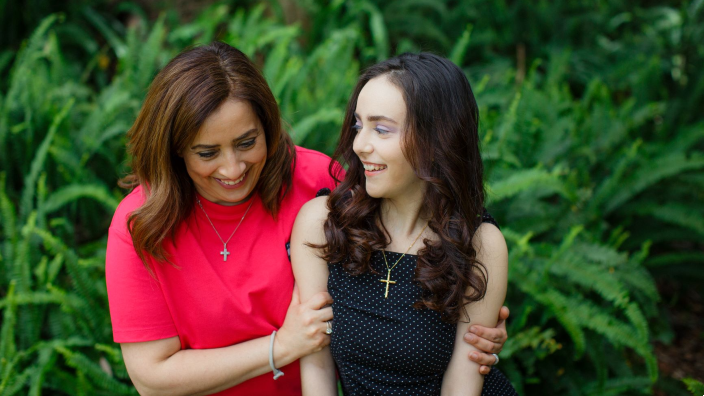
From a young age, Angelina Lati was always healthy, bubbly and energetic. That is until, at the tender age of 14, her family started to notice subtle changes in her demeanour which derailed her life forever.
“She started dropping things. Every time she was setting the table, she was dropping the glasses on the floor and I’d ask what was going on and she’d go, ‘I don’t know.’ Her hands were just not holding the cups,” Angelina’s mum, Niki Markou, tells The Greek Herald.
Later, Angelina fell over while walking the family dog and this all prompted Ms Markou to make an appointment with a neurologist. But before the appointment arrived, Angelina had a terrifying seizure at the family home.
“She had a seizure in my arms and I had to put her down on the ground. I’d never seen one before so to me, it was very traumatising. I was screaming,” Ms Markou says.

Angelina was rushed to hospital and was initially misdiagnosed with juvenile myoclonic epilepsy. She was prescribed medication but after a few months, it was clear she wasn’t getting any better and she began to show signs of cognitive decline.
A lengthy hospital stay followed along with extensive genetic testing. Eventually, Angelina, who was 15 by then, received the heartbreaking diagnosis of Lafora Disease, which is a form of childhood dementia.
“I honestly felt like I was going to have a heart attack. I felt out of control… I think I was in shock and denial because it just didn’t sound rational or believable,” Ms Markou explains with tears in her eyes.
‘She’s not going to grow old’:
Ms Markou isn’t alone. Many Australians don’t know much about childhood dementia, which is progressive brain damage that starts before the age of 18. There are over 70 types of the disease, each caused by changes in the DNA because they are genetic diseases.
The statistics around childhood dementia are just as startling.
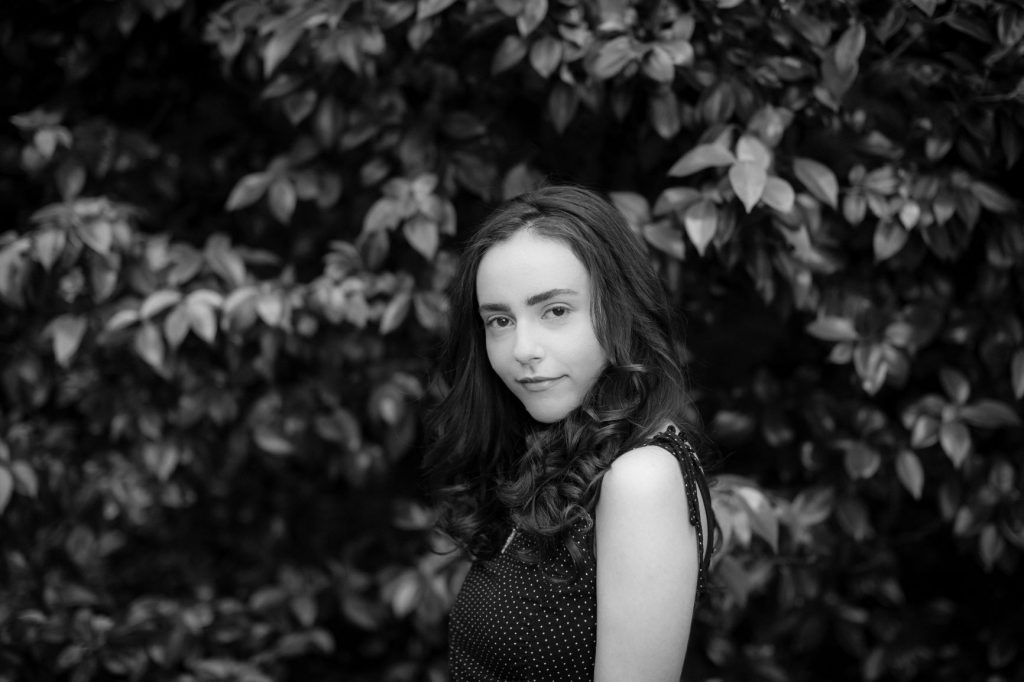
Head of Research at the Childhood Dementia Initiative (CDI), Dr Kristina Elvidge, says 1 in 2800 babies born will develop dementia in childhood. That’s 129 babies born each year in Australia, one every three days. It is estimated that almost 2,300 Australians are currently living with childhood dementia, which adds up to 700,000 people worldwide.
The signs and symptoms themselves are similar to those you might have seen in an elderly relative suffering from dementia. They include for example, lack of concentration, memory loss, personality and behavioural changes, and even loss of speech and mobility.
“Childhood dementia affects the child’s ability to think, learn and remember. They suffer loss of cognitive function and loss of previously gained skills,” Dr Elvidge elaborates.
“Each of the childhood dementia disorders have a different age of onset and life expectancy, but the average across all of the disorders is 28 years of age (including those few that have a treatment). In fact, 75 percent of the children have a life expectancy below 18 years of age, so their lives are severely shortened.”
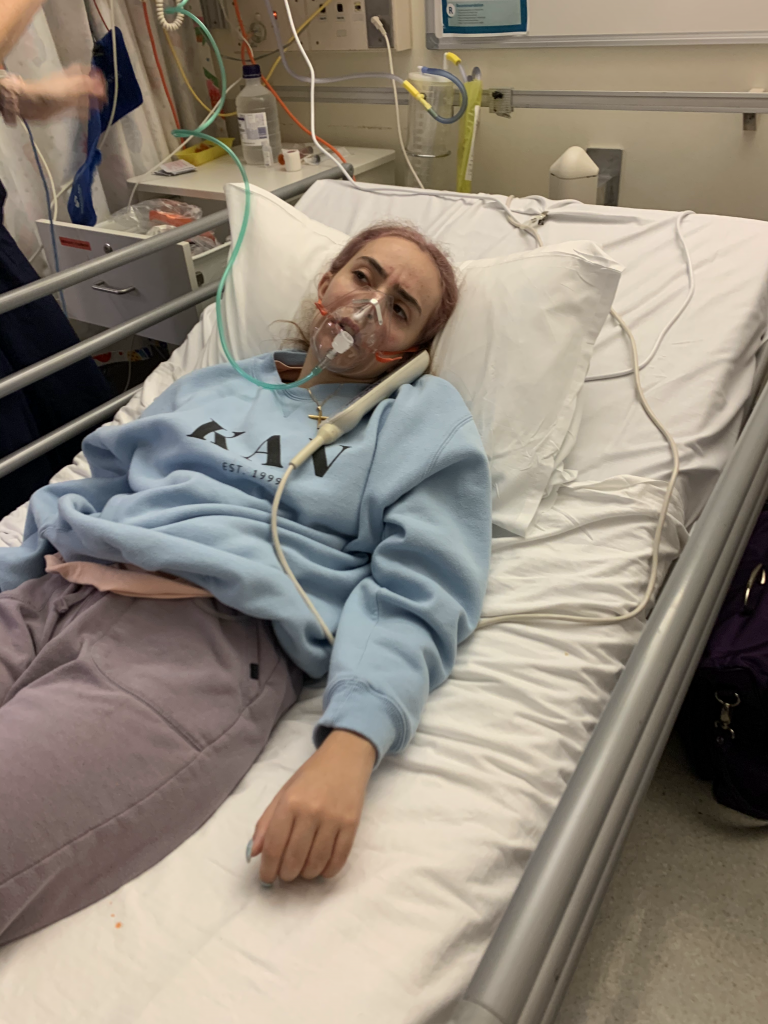
In Angelina’s case, she’s now 17 years old and her mum says although she can still walk, she doesn’t talk much anymore, she’s mostly tube-fed and the dementia has ‘come on.’
“It’s like she’s fading away. That’s the only way to describe it. You watch old videos back and that’s when you really realise the difference of how she was and how she is now and how quick the progression is,” Ms Markou says.
“She’s not going to get married, she’s not going to have kids, she’s not going to grow old, she’s not going to be with us. You start thinking of all those future things that are going to be taken away from you.”
The race to save Angelina:
Finding a treatment for Angelina’s type of childhood dementia is proving very challenging despite many years of research. In fact, less than five percent of childhood dementia disorders have a treatment and, in many cases, the only options are symptom management and palliative care.
“Care and support for families battling childhood dementia is lacking and poorly coordinated so Childhood Dementia Initiative is working to change this at the same time as accelerating global research into new therapies and cures,” Dr Elvidge says.
The Head of Research at CDI goes on to add that gene therapy is showing promise in clinical trials for some patients. This involves introducing a healthy copy of the faulty gene into the body using a virus. Other research aims to replace the enzyme or protein that is missing due to the faulty gene but getting enough into the brain is a challenge.
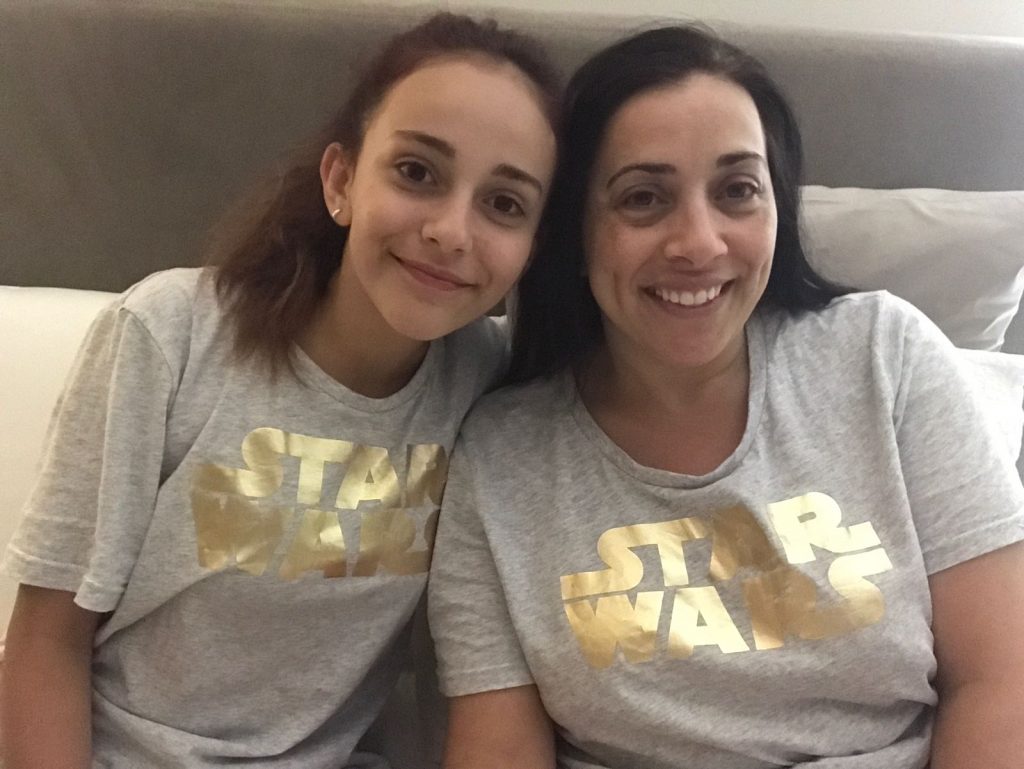
For Angelina, just being accepted into one of these clinical trials in the first place is a challenge. Her mum says she was hoping Angelina could get into a drug therapy trial this year, but it was pushed back by the Food and Drug Administration.
“They wanted further testing done in the labs before it’s to be trialled on humans. It’s been very upsetting because each month is different. They decline so quickly that we don’t know where we will be in 12 months. Will she make it? I don’t know,” Ms Markou says.
The Sydney mum-of-two says ‘time is of the essence’ and that’s why she and her family are determined to not only share Angelina’s story, but also continue to make lasting memories together.
“I want to save my daughter’s life. I’ll do whatever it takes to get the word out there,” Ms Markou concludes.
A passionate statement from a mum who’s determined to give her beautiful daughter the best life possible despite her heartbreaking diagnosis.

