By Kathy Karageorgiou
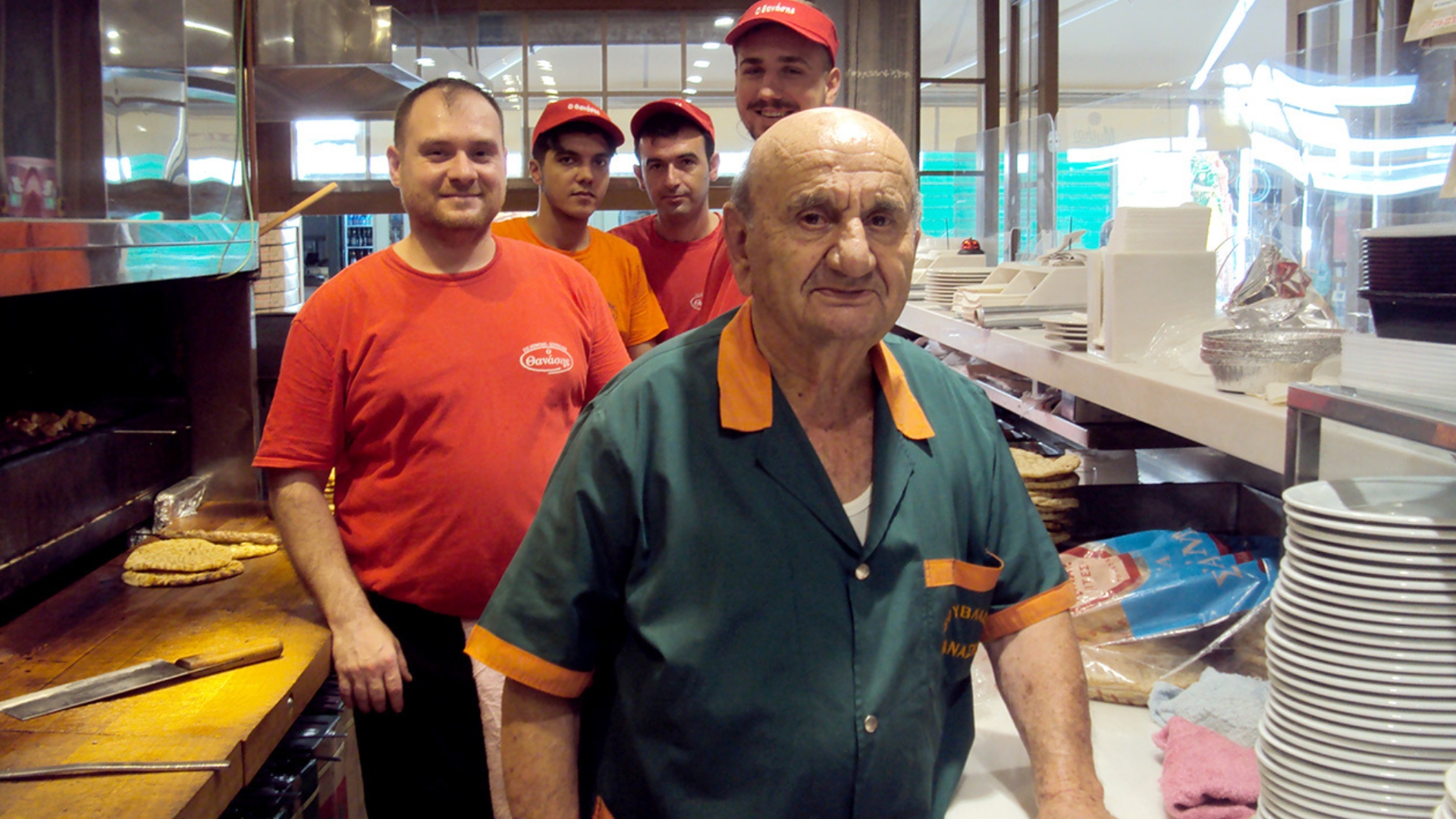
Well known for decades mainly in Greece, Thanasis Souvlaki in Monastiraki, Athens has now made international news. The restaurant has won a place in the top 50 restaurants in the world, according to TasteAtlas.
The much-respected TasteAtlas is a website founded in 2015 and eventually launched in 2018 after years of extensive research. It can be best described as a food guide disseminating tried-and-tested information on high quality, local cuisine eateries from countries around the world based on professional food expert assessments and its own research, also taking public opinion into careful account.
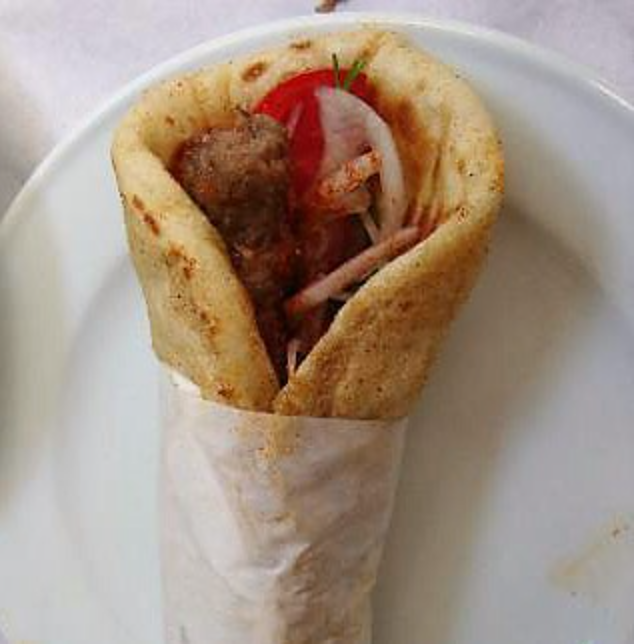
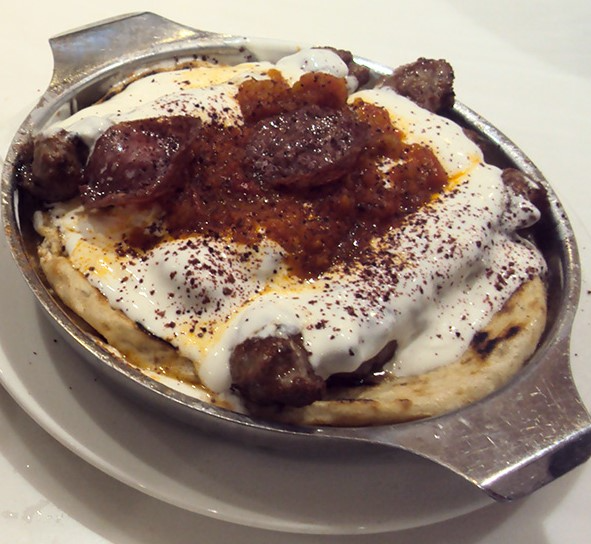
TasteAtlas’ Croatian founder states that the focus is not on haute cuisine, but rather on taste more than style. From the many, many good souvlaki restaurants in Greece, Thanasis’ decades of hard work, incorporating quality food at a decent price and excellent service in a pleasant indoor and outdoor environment, has been recognised by this important award.
The restaurant was founded in the 1960s by two first cousins who came all the way from Ioannina, Greece, to work in Athens. I spoke to one of these cousins, Christos Rambos, aged 80 – the same age as his co-founder cousin, Athanasios Gkolas.

Mr Rambos is still ‘hands on’ at Thanasis Souvlaki; politely excusing himself to answer the phone, responding to waiters, and glancing around to ascertain everything is in order in this busy Monastiraki pedestrian walk way, while still patiently and politely chatting with me.
“This man’s a total pro,” I couldn’t help thinking, seeing him in action.
“We should be on a pension, but we love what we do!” Mr Rambos exclaims beaming.
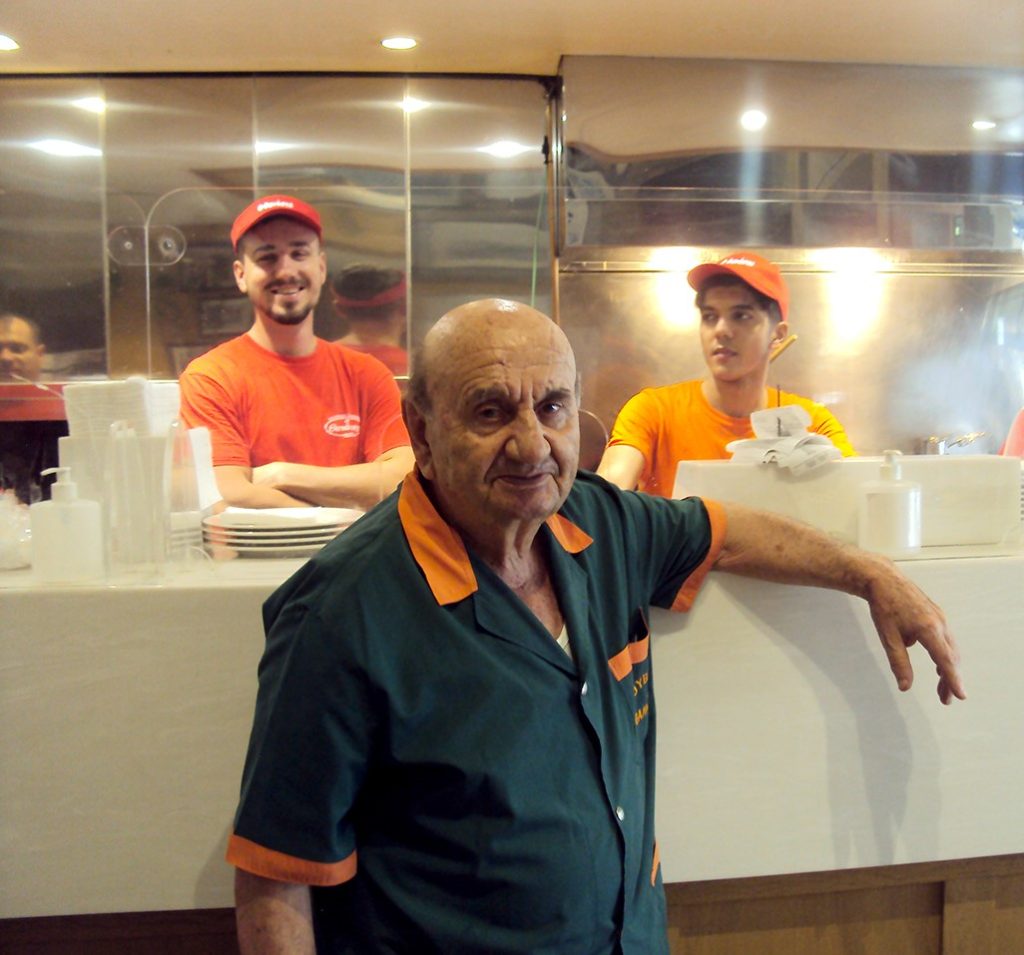
“I was very young when I came to Athens from my village in Ioannina in 1956. My cousin came in 1958. We poor boys back then, left our villages and came to the cities seeking our luck. And you know, we’d all aim to get a job either in a bakery or a restaurant so we could at least get a free plate of food there, to complement our minimal pay.”
Referring to his life before starting Thanasis Souvlaki, he tells me that he worked under “the souvlaki maestro Mr Isaac Meraklidis” who arrived in Athens from Asia Minor in the 1920s – he was among the first to bring this sort of food and ensuing business to Greece.
“We learned the trade under Isaac and then we joined the Army. Back then we were required to do two and a half years of military service,” Mr Rambos says.
He continues reminiscing that back then there was a tram line in front of his shop.
“It was a different Athens, with only 1.5 million people, but we did alright, and then gradually opened a second and third restaurant. Now we have 152 people working for us, and even have our own production premises, because we don’t buy anything ready-made.”
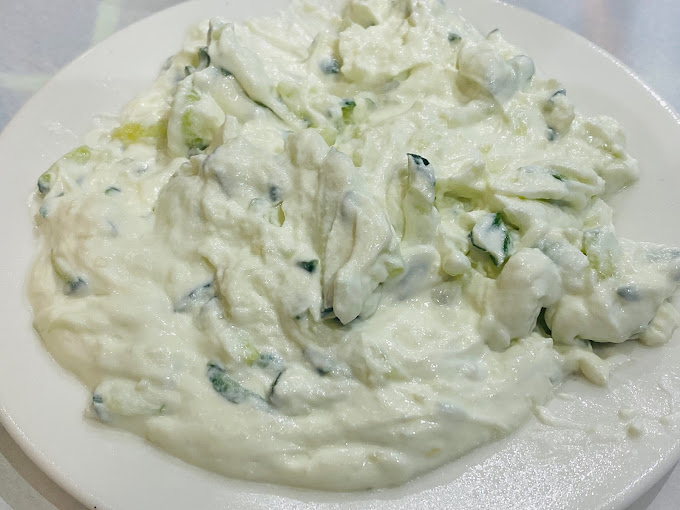
I ask him about their wonderful tzatziki and he tells me that they have been getting their “naturally thicker yogurt” from the same source since the late 60s, adding that they get their vegetables, such as potatoes, tomatoes and onions, fresh from the Central Farmers Market daily.
“We have always gone for quality, rather than price. Same with our meats, but we have to import those from places like South America and once even Australia and New Zealand, because we can’t get the bulk amounts of beef and lamb we need solely from Greece,” he explains.
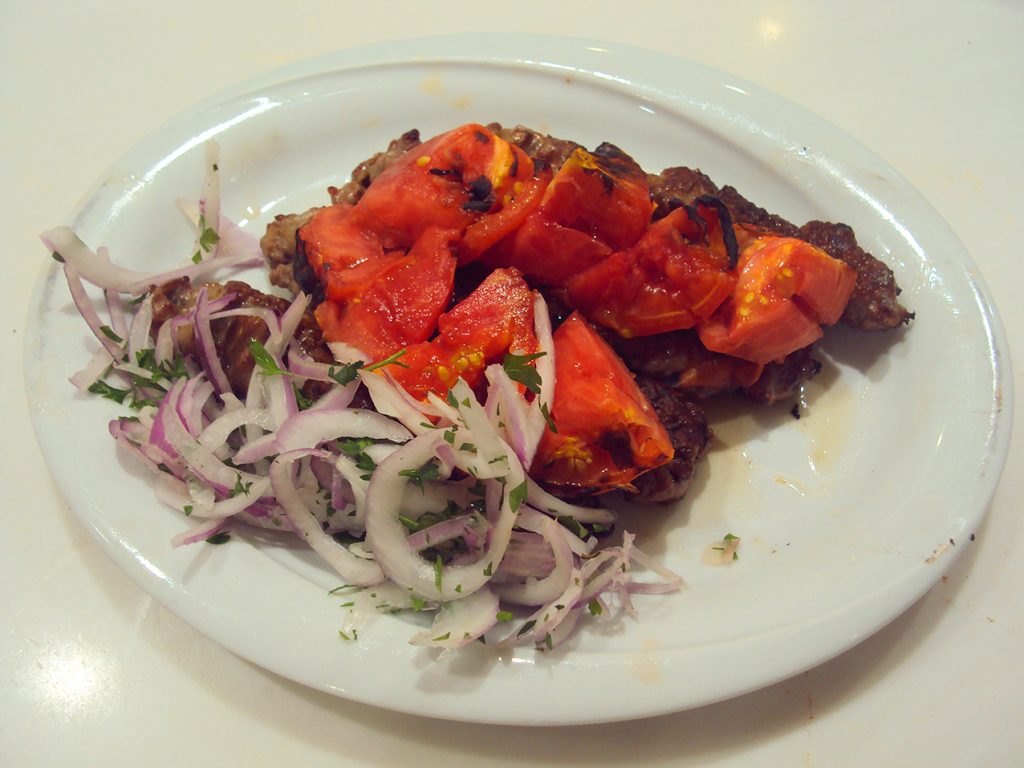
I’m about to ask him what the difference is between souvlakia and kebabs, but remembered having watched a Jamie Oliver video about Thanasis Souvlaki restaurant years ago. Jamie explains that souvlaki means “little skewer” in Greek, and as Thanasis‘ main restaurant has minced beef, lamb kebabs, I realise that the kebabs here are skewered upon cooking and hence are also referred to as souvlaki.
Mr Rambos clarifies that there are pieces of meat or chicken souvlakia on wooden skewers with or without pita, and even gyros at his other two restaurants. In the meantime, he tells me, “in our traditional souvlaki or kebab, we put only tomato and onion in pita. We add parsley too. Adding chips to the pita is only a recent phenomenon.”
A die-hard souvlaki expert, he confides, “potato changes and ruins the taste of the meat in kebab, but we don’t say no to our customers. And every day we also make trays of gemista and mousaka.”
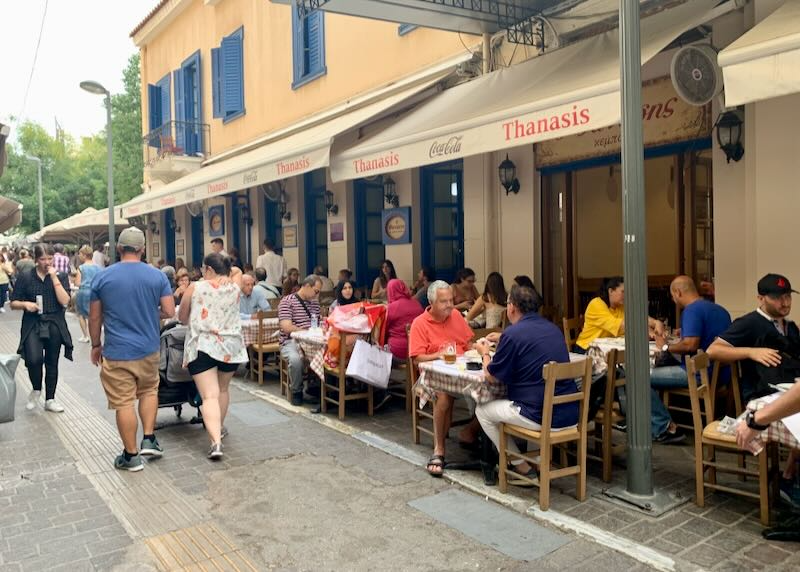
I ask about Thanasis‘ customer base and he replies, “Greeks, tourists, people from all over the world and all walks of life come to us.”
“A few weeks ago, we had the American Ambassador to Greece and his family ate here. In the past, the singer Kazantzidis was a regular and Bush’s wife has come here, as has Jackie Kennedy,” he adds.
“We’ve had and continue to have famous military men, politicians and actors. We have values and respect their privacy, that’s why we don’t photograph them and put them on our walls. We consider our souvlaki the most τίμιο (honest) of street foods and treat all our customers with respect regardless of their background.”
Does he have a message to Greek Australians? He answers: “Apart from fresh, traditional food at a good price, they will find στοργή (affection) and friendship here.”
I can certainly vouch for that!
