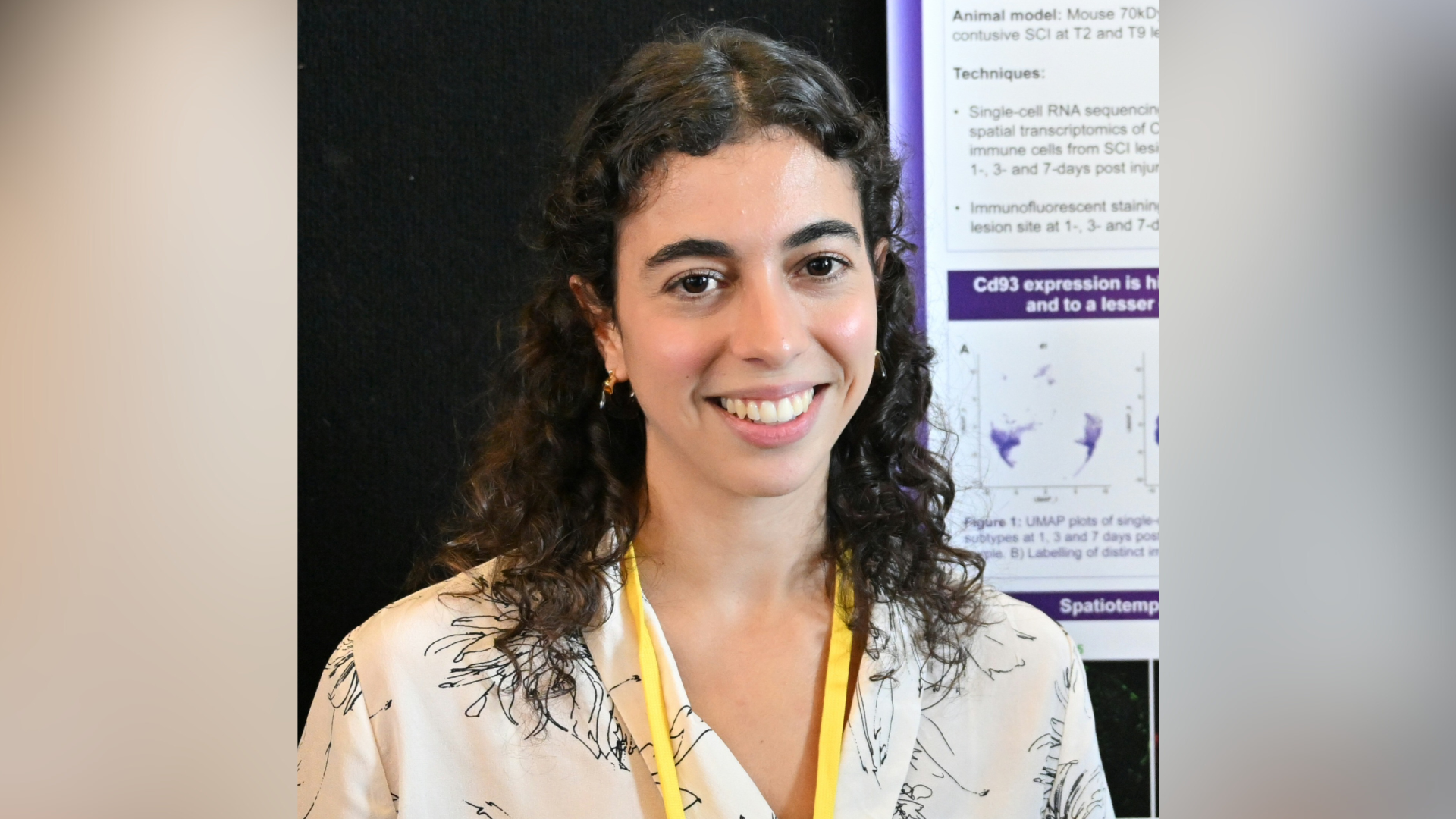
At just 25 years old, Melina Haritopoulou-Sinanidou is already working at the forefront of medical research, pursuing a PhD in neuroimmunology and neurotrauma aimed at improving recovery outcomes after spinal cord injury.
Born and raised in Greece before migrating to Australia, she has already gained experience at some of the country’s most respected research institutions, including the Peter Doherty Institute and the Murdoch Children’s Research Institute.
Alongside her scientific work, Melina will also join the panel at the Greek Festival of Sydney’s ‘Balance the Scales’ event this International Women’s Day, supported by The Greek Herald, bringing her perspective as a young woman navigating science, migration and ambition.
For Melina, the foundations of her journey were laid long before she entered a laboratory.
Growing up in Greece during a period of economic instability shaped her outlook on resilience and opportunity. Education was highly valued, but the path to success often required extra effort beyond the classroom.
“My education was defined by a contradictory system where public schooling is a right, but success required private supplementary tutoring,” she tells The Greek Herald. “This taught me early on that to succeed, going the extra mile is needed.”
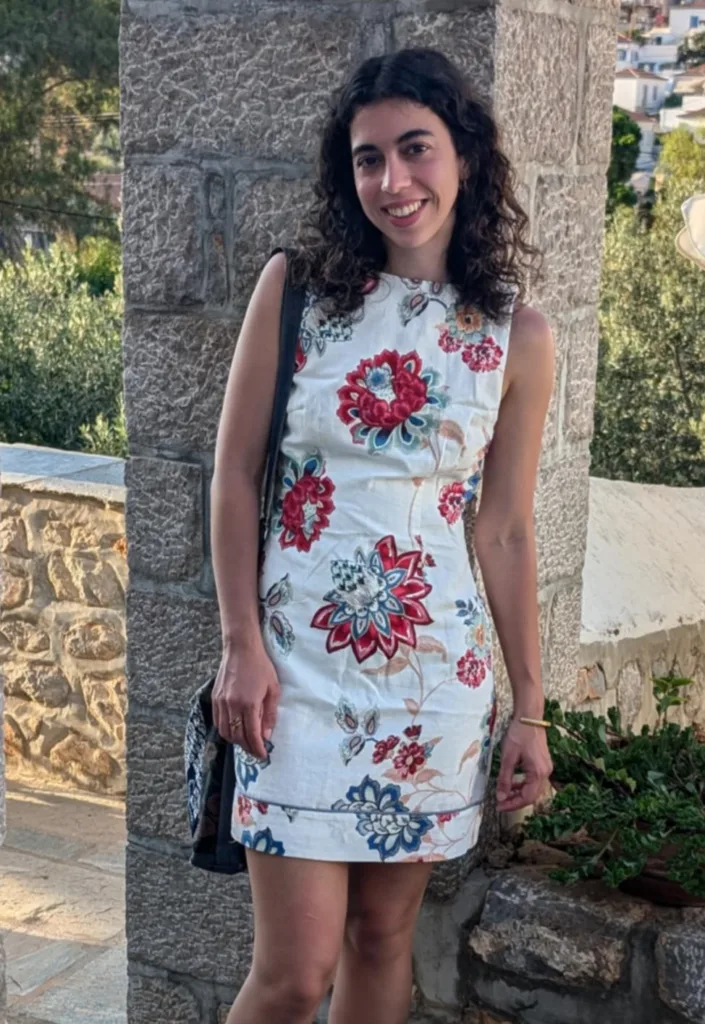
At the same time, she says the wider economic climate forced young people to become adaptable and resourceful.
“People in Greece deal with high youth unemployment and an insecure future. Growing up with this future in store for me taught me resilience and caused me to think critically outside the box and to remain adaptable when the ‘standard’ path fails. In Australia, these traits have been my greatest assets,” she says.
Yet pursuing a career in science as a woman also came with its own expectations.
“Greece still holds relatively traditional values, and as a woman pursuing a career in STEM I learned to work twice as hard to ensure expertise wasn’t overshadowed by gendered assumptions,” she says.
“This ‘prove-them-wrong’ mentality has been essential in my PhD journey, where I’ve had to maintain high-level research ambitions while navigating the financial and mental pressures of the current academic landscape.”
Finding her footing in a new country
Migrating to Australia brought new opportunities but also significant adjustment.
“The pace, communication style, and expectations around professionalism felt very different,” Melina recalls. “I was used to being direct and fast-paced, whereas here that can sometimes be perceived as intense or even rude.”
As a migrant woman, she also became aware of subtle expectations around behaviour in professional spaces.
“There were expectations around being agreeable and consistently positive, which did not always align with me,” she says.
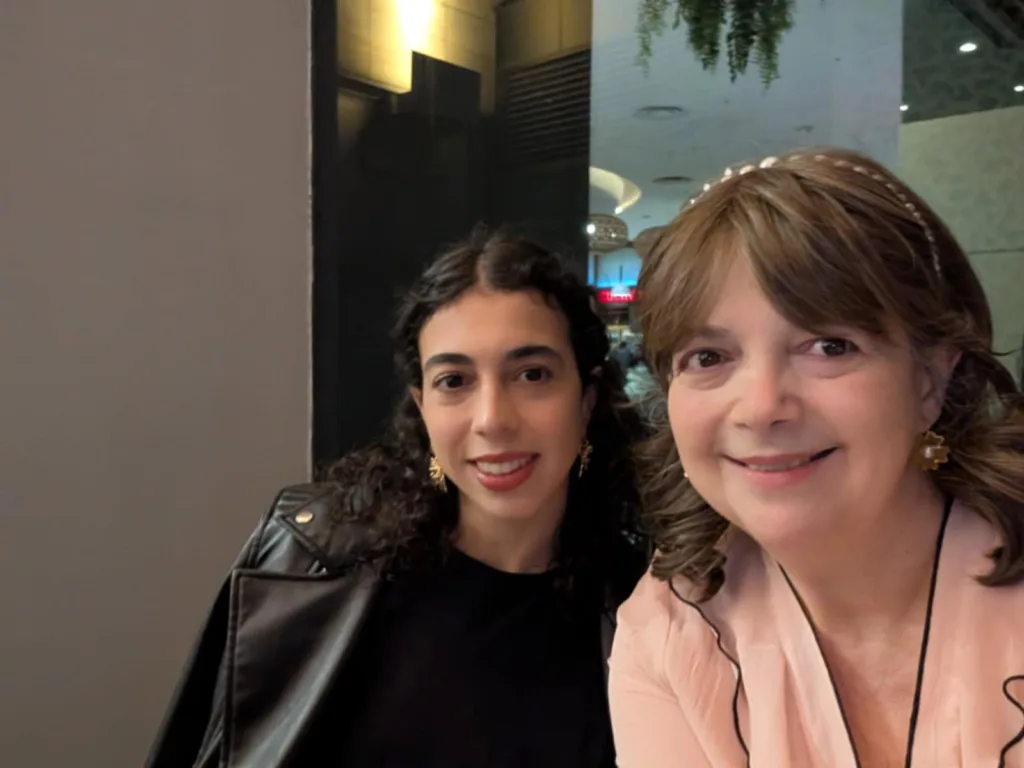
Over time, however, she realised that the very traits she initially tried to soften were strengths.
“Although I initially tried to tone down what people described as my ‘Greek personality’, I came to see it as a strength. I stopped trying to seek approval and instead focused on my work, gaining new experiences and building skills,” Melina says.
Australia’s multicultural research environment ultimately helped her establish strong networks.
“Science is inherently collaborative, so over time I was able to build strong professional and personal connections,” she says.
A defining moment in the lab
While studying at university, Melina experienced a moment that confirmed she belonged in research.
After her first year, she felt uncertain about her academic path. Coursework felt repetitive and the practical components had yet to spark her curiosity.
That changed when she secured an internship at the Peter Doherty Institute during her second year.
“I was fortunate to be accepted at the bioinformatics lab under the mentorship of Dr Sebastian Duchene,” she says.
Although coding was outside her comfort zone, the experience proved transformative.
“He created an environment where I was able to not only learn, but grow and be innovative. Contributing to work that later became part of a publication was incredibly exciting, especially as an undergraduate student,” she says.
Being included in published research helped open doors and reinforced her confidence.
“That experience reassured me that I belonged in research, and that I was capable of succeeding even in areas I initially found challenging,” she says.
Research with real-world impact
Today, Melina’s doctoral research focuses on the complex immune responses that occur following spinal cord injury — work that could have meaningful implications for patient recovery.
“My research focuses on understanding how the immune system responds after injury and how that response can either help or worsen damage, and how we can modulate this to find effective therapies,” she explains.
Even modest medical advances could dramatically improve quality of life for patients.
“From a patient perspective, even small improvements can greatly reduce hospital visits, reliance on carers, and the incidence of secondary health problems,” Melina says.
By studying how immune cells contribute to nerve cell loss and scar tissue formation, researchers hope to better understand when scarring begins and how it might be targeted.
Her team is also exploring new gene-editing methodologies that could accelerate the discovery of treatment targets.
“We hope that this will lead to the discovery of treatments that help better recovery and will improve patient lives,” she says.
Navigating the invisible labour
Like many women in science, Melina says professional achievement often comes with additional, less visible expectations.
“Invisible labour exists,” she says. “There’s the assumption that women will be the ‘natural’ choice for emotional support, administrative assistance, or maintaining a positive department culture,” she says.
While these contributions are often praised, she notes they can place a heavy burden on time and mental wellbeing.
“Early in my career, I felt the pressure to say ‘yes’ to everything to avoid being labelled as difficult,” she says.
Over time, she learned the importance of setting boundaries.
“My primary commitment is to my research and I have learned to contribute to the ‘extras’ only when I have the genuine capacity, rather than out of a sense of guilt or social pressure,” she says.
Holding those boundaries can sometimes create tension, she admits, but it is essential for sustaining a career in high-pressure research environments.
Recognition and renewed confidence
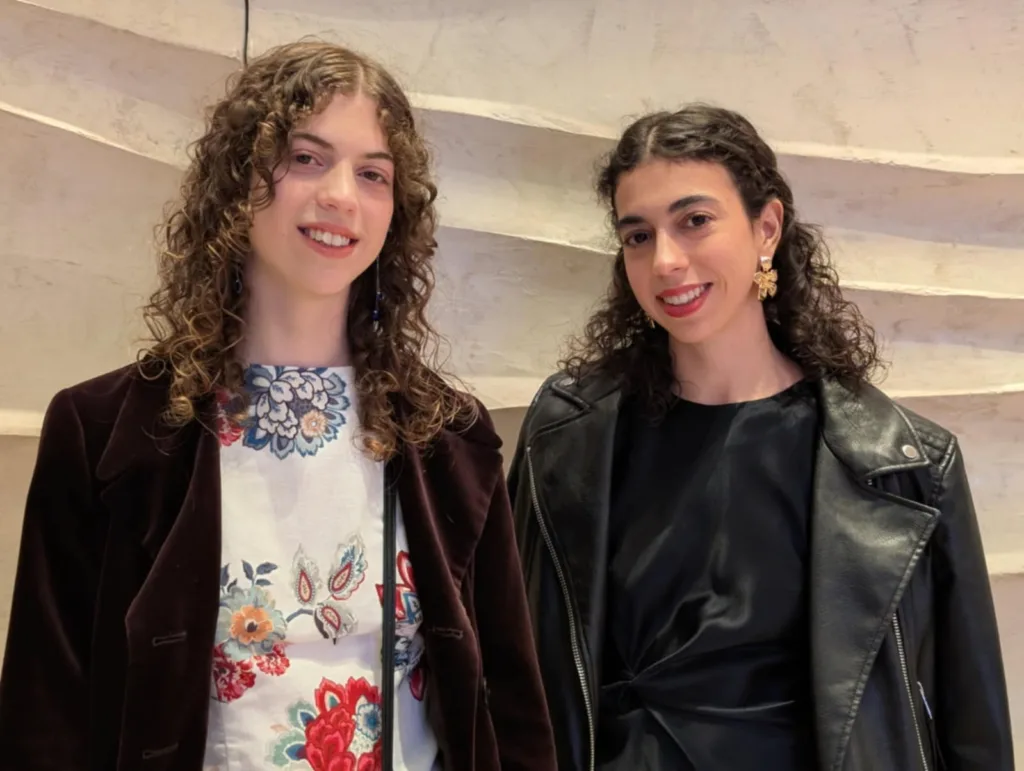
Last year, Melina and her sister Zoe were recognised with The Greek Herald’s Woman to Watch Award, an honour that arrived during a particularly demanding stage of her PhD.
“Receiving the award was both an honour and a surprise, particularly as it came at a time when I was feeling burnt out and questioning myself,” she says.
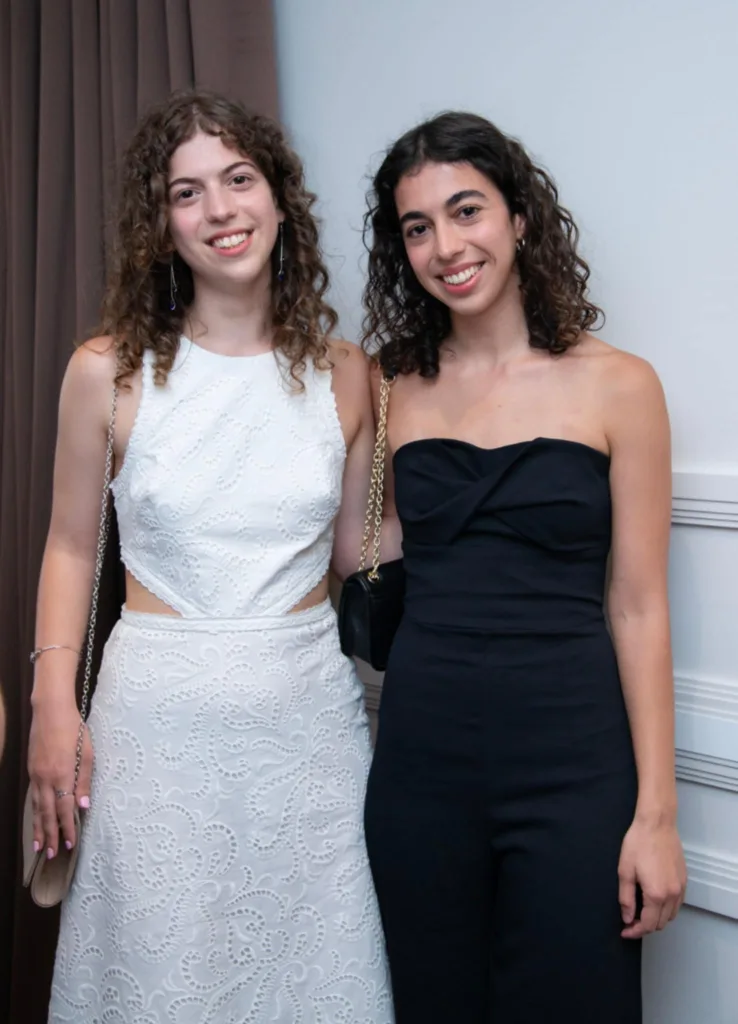
Recognition from outside the academic world helped restore her perspective.
“That recognition, coming from outside the academic environment, allowed me to step back and appreciate that my work had impact beyond my own research circle,” she says.
Sharing the recognition with her sister – who also works in science – made the moment even more meaningful.
“As the older sister, I’m conscious that she may look to me as an example, but I never want her to measure her achievements against mine. Success isn’t about being ahead of one another, but about supporting each other as we carve our own paths,” she says.
Advice for the next generation
Looking ahead, Melina hopes more young Hellenic women – particularly migrants or daughters of migrants – will consider careers in science.
“A career in science can be very rewarding. You are constantly learning, intellectually challenged, and given the opportunity to make a real difference in people’s lives,” she says.
Studying in Australia has allowed her to access opportunities she might not have found elsewhere, including international conferences and global research collaborations.
“Science is built on collaboration,” she says. “At almost every conference, I’ve met fellow Greeks who are not only accomplished but also generous with their time and advice – there is a genuine sense of camaraderie.”
Her advice to young women considering the field is simple: stay grounded in your own priorities and seek strong mentors early.
“Success is not only about choosing the most impressive project, but about finding the right environment – one that offers the support and encouragement you need to thrive,” she says.
As she continues her research journey, Melina’s story reflects the powerful intersection of migration, determination and scientific discovery – a reminder that resilience, curiosity and community can open doors far beyond the laboratory.
