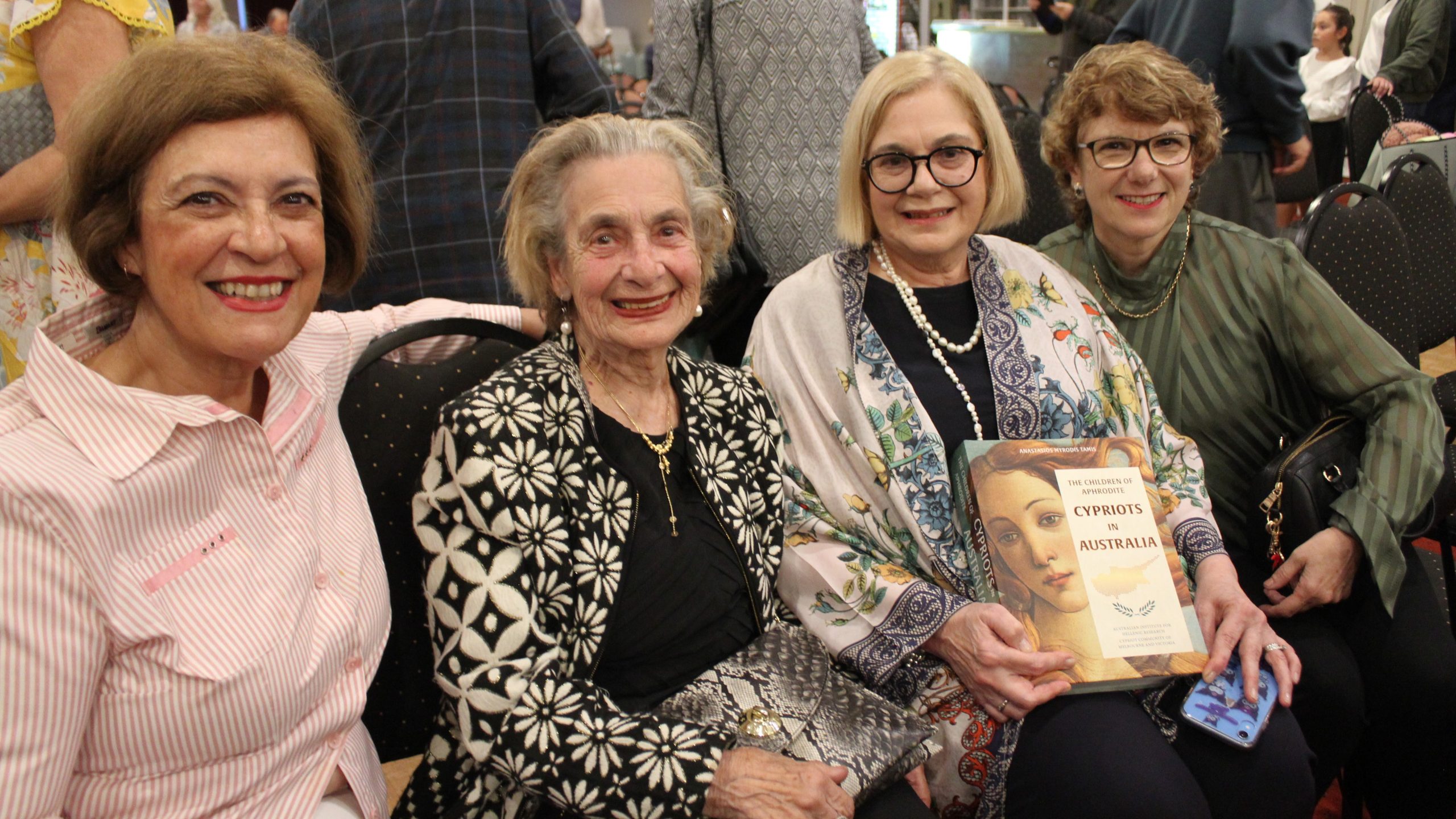
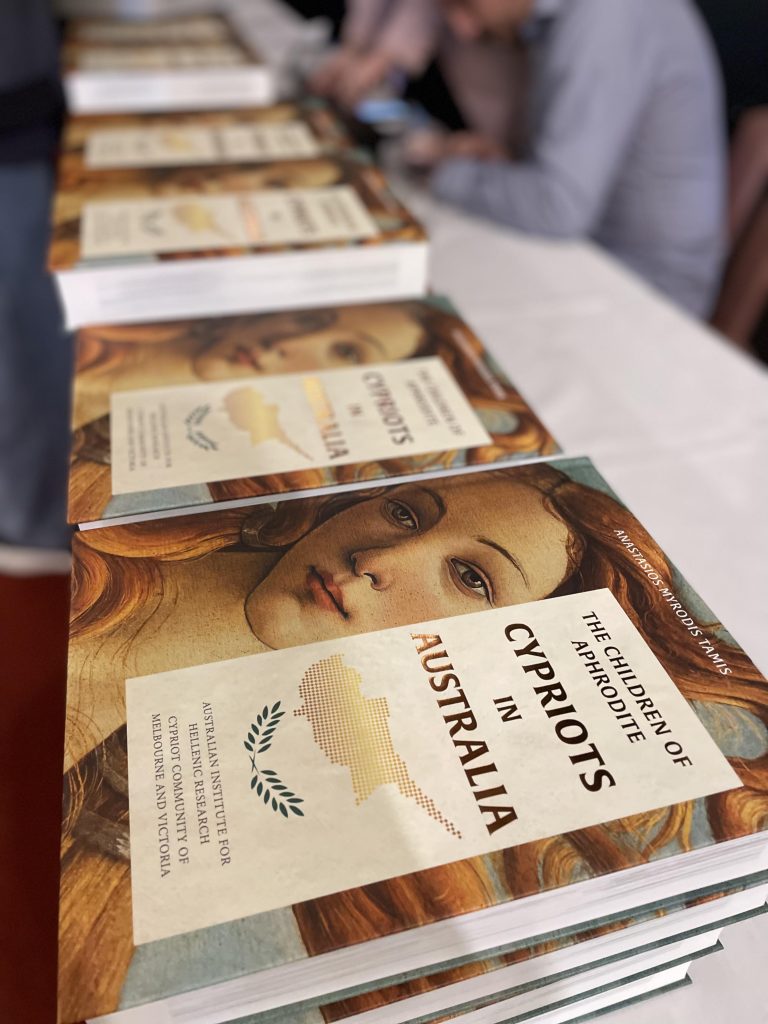
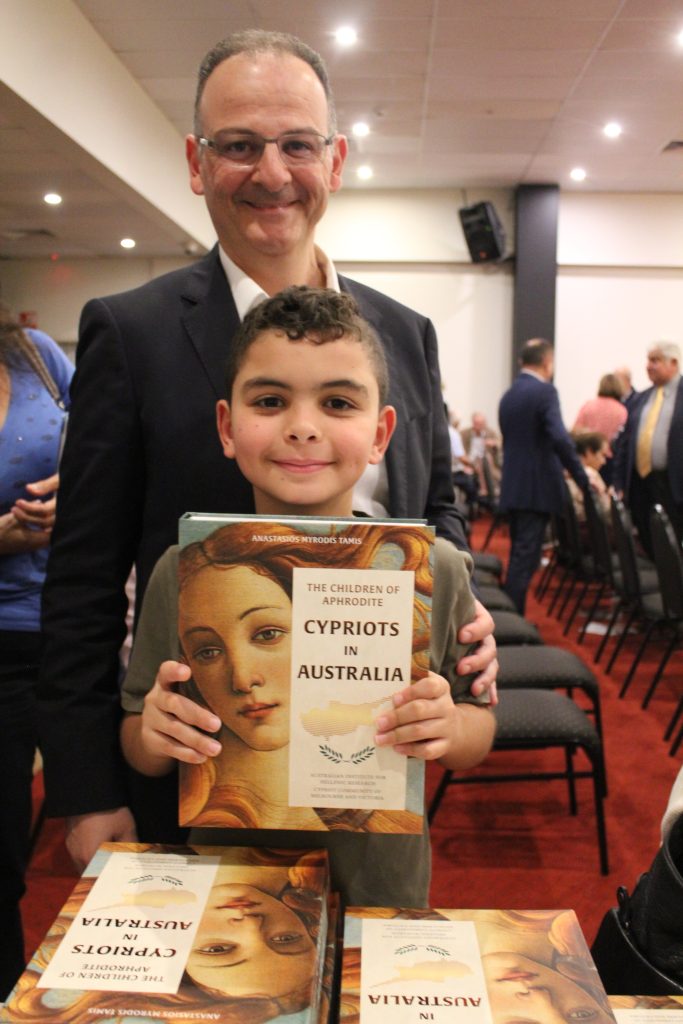
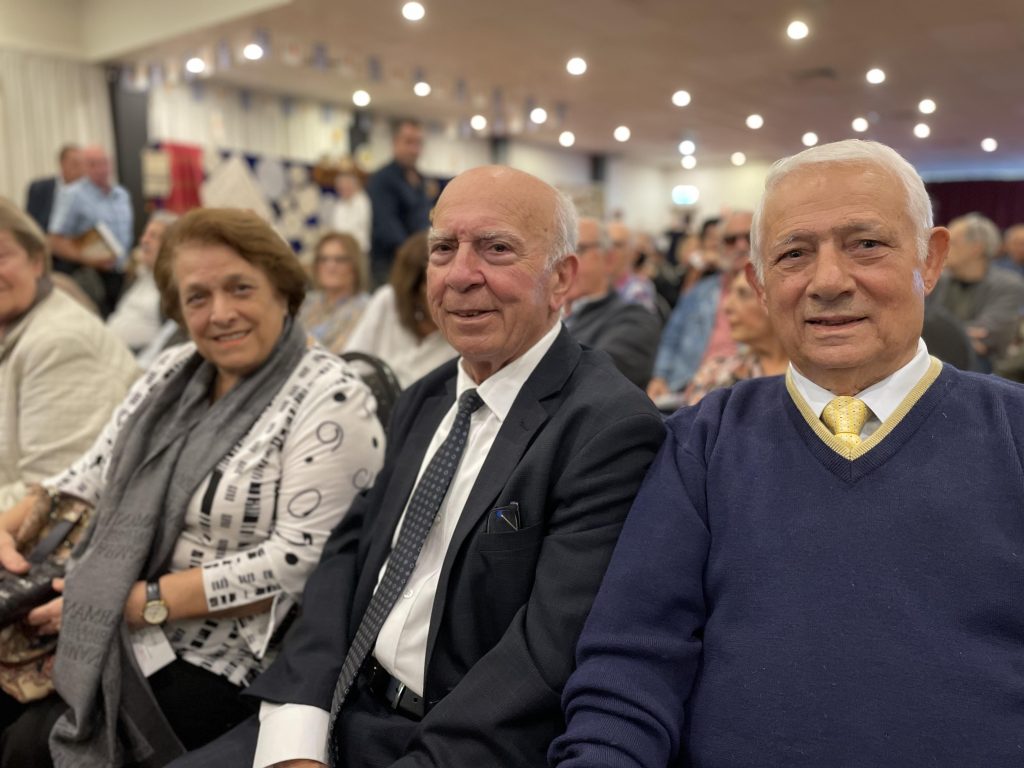
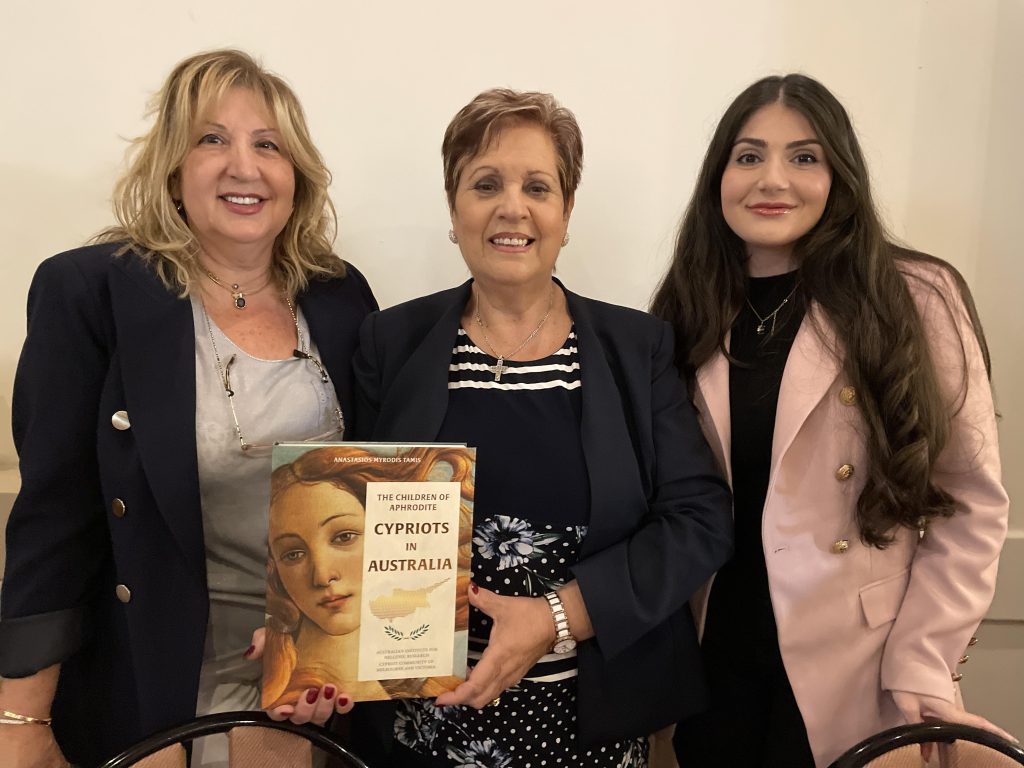
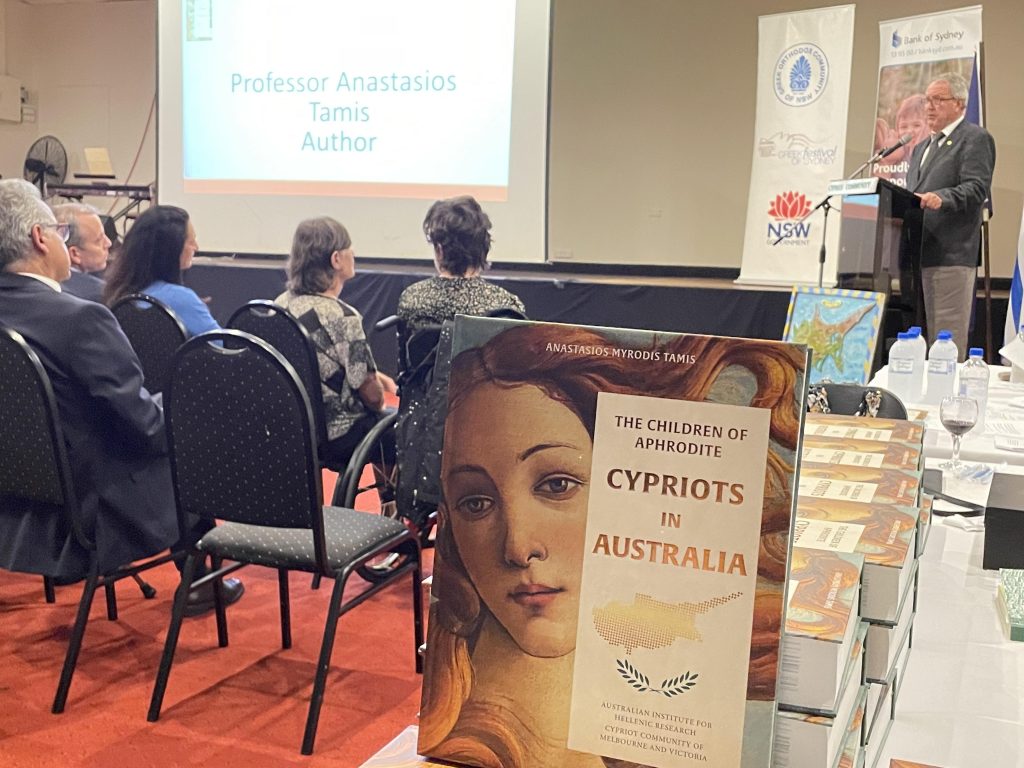
More than 200 members of Sydney’s Cypriot community packed out The Cyprus Club in Stanmore on Sunday, April 23 to celebrate the launch of Professor Anastasios Tamis’ book The Children of Aphrodite: The Story of Cypriots of Australia.
The book launch was organised by the Cyprus Community of NSW within the framework of the Greek Festival of Sydney, and the presentation was under the auspices of the High Commission of the Republic of Cyprus in Australia. The biennial research and publication of the book is the result of the sponsorship of the Cyprus Community of Melbourne and Victoria.
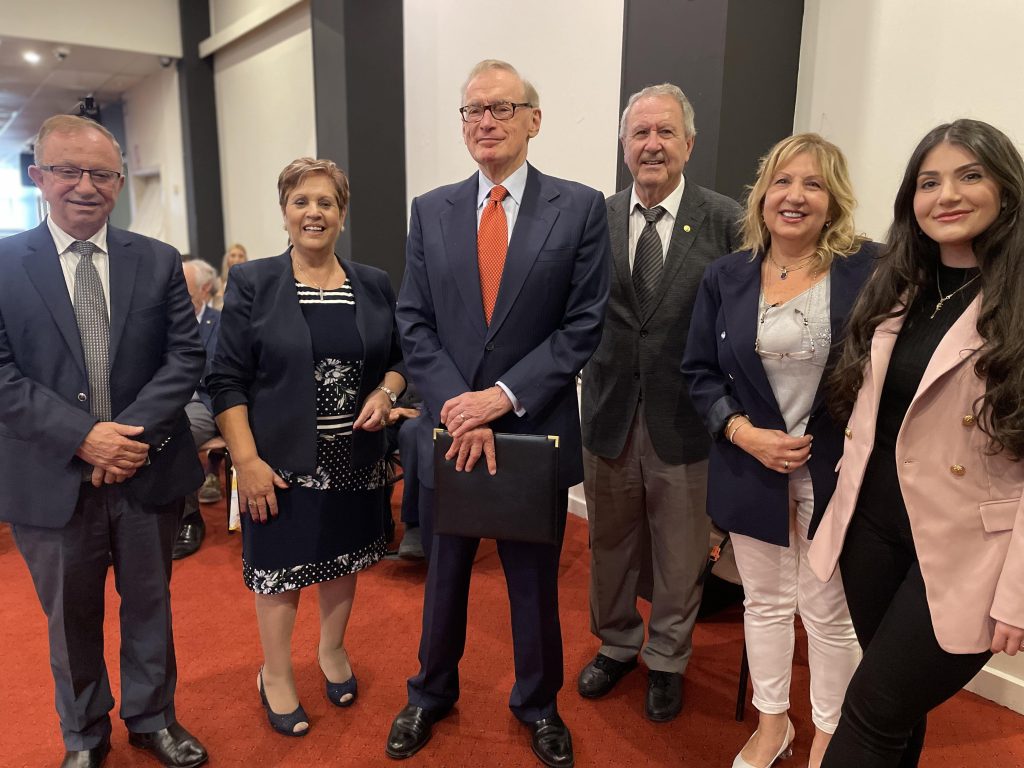
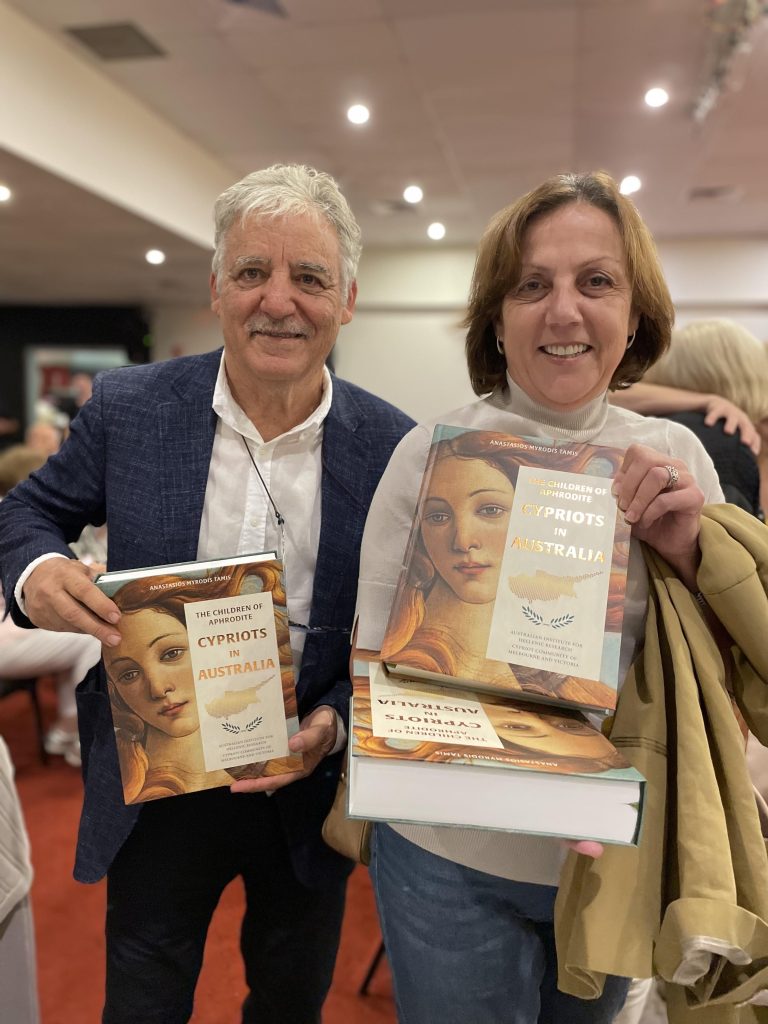
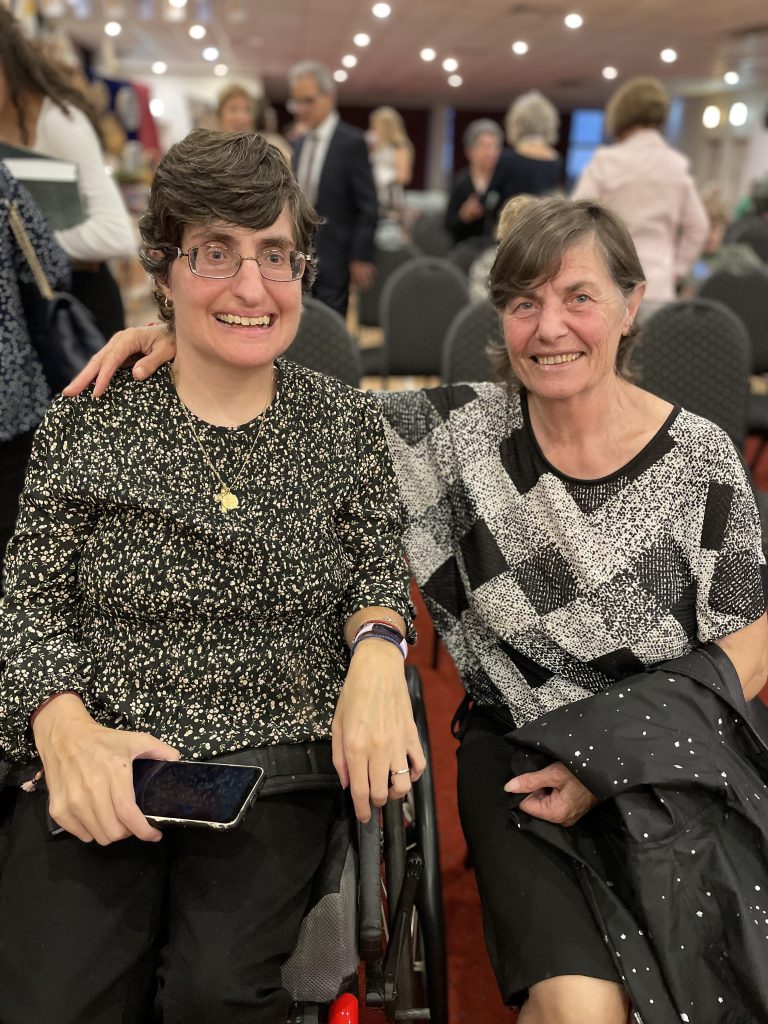
Professor Tamis’ book is a comprehensively researched history of over 100 years of Cypriot immigration to Australia. Many well-known families and individuals from all over Australia appear in the book, as well as photographs and documents sourced from family and newspaper archives.
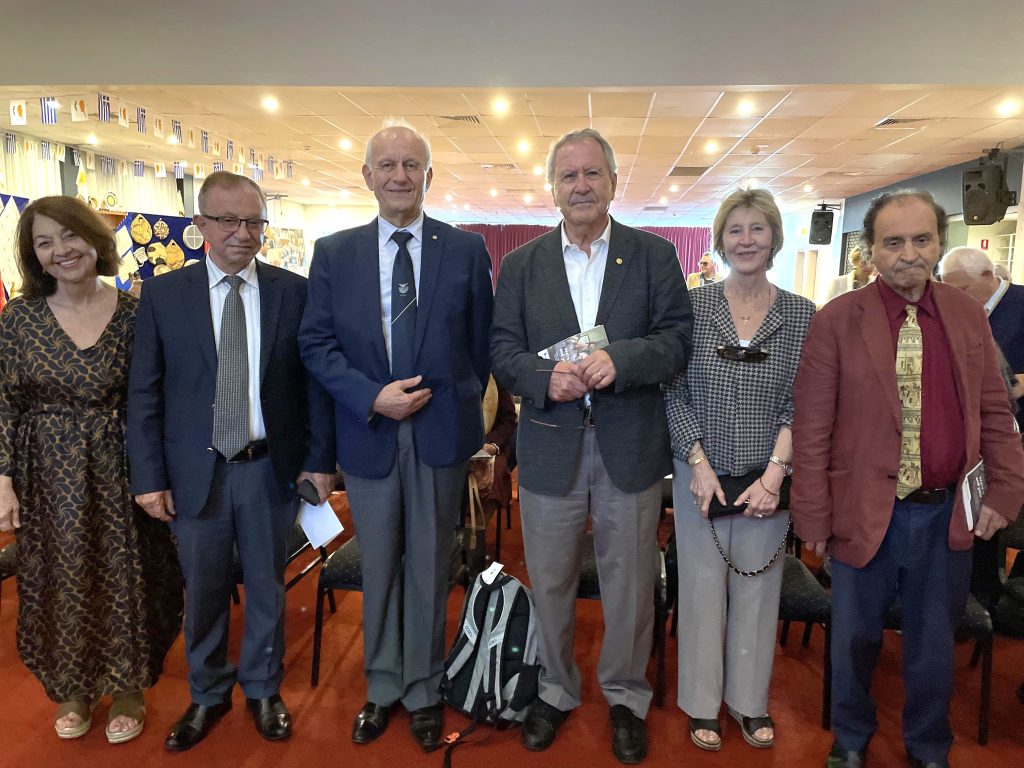
Being such an extensive historical tome, it’s no surprise the book launch was attended by a number of official guests from across the Cypriot and Greek communities in Sydney.
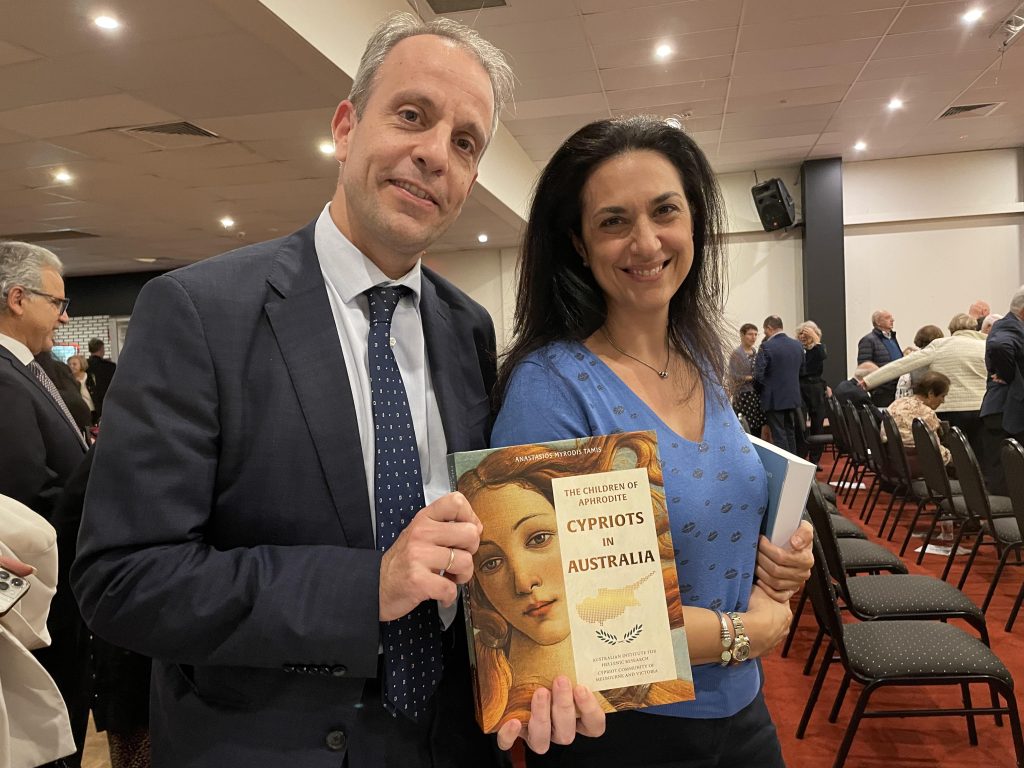
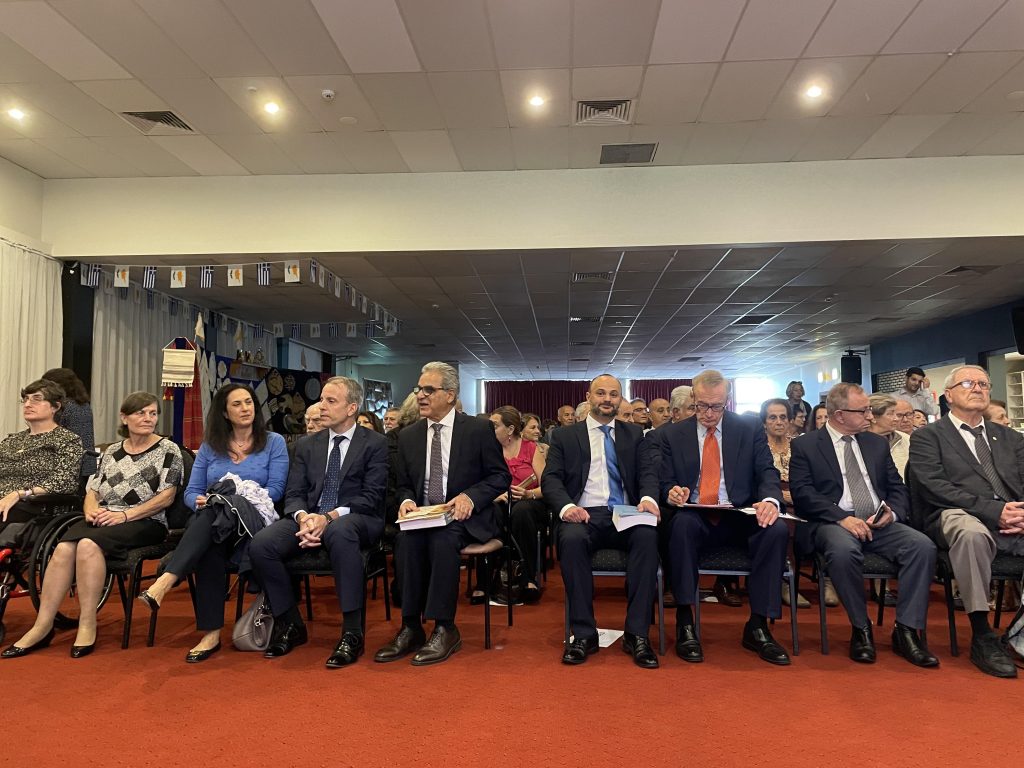
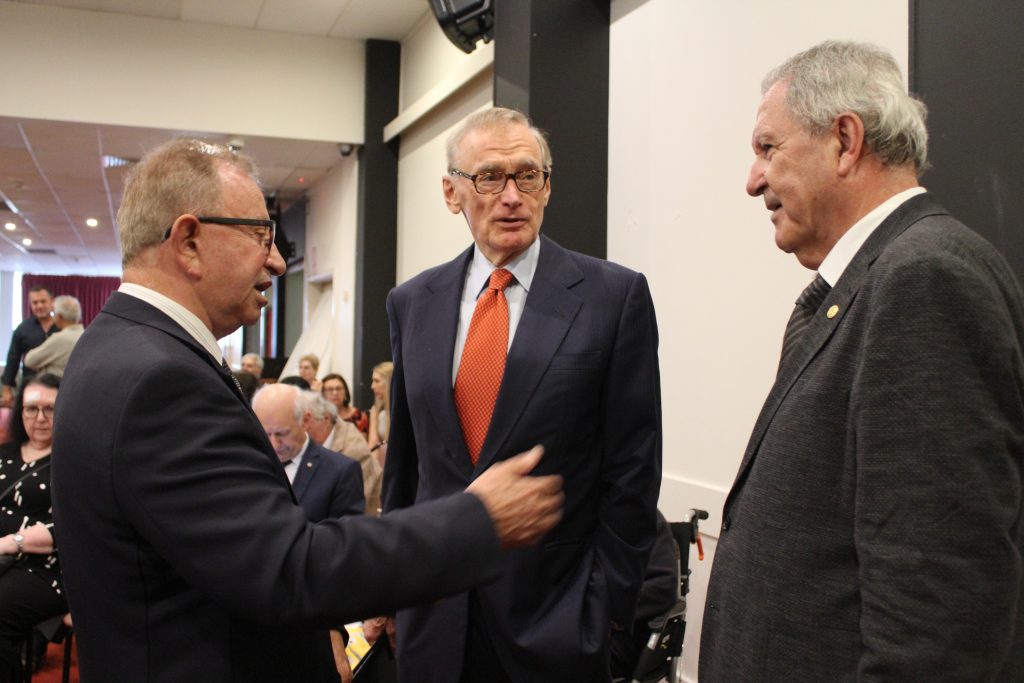
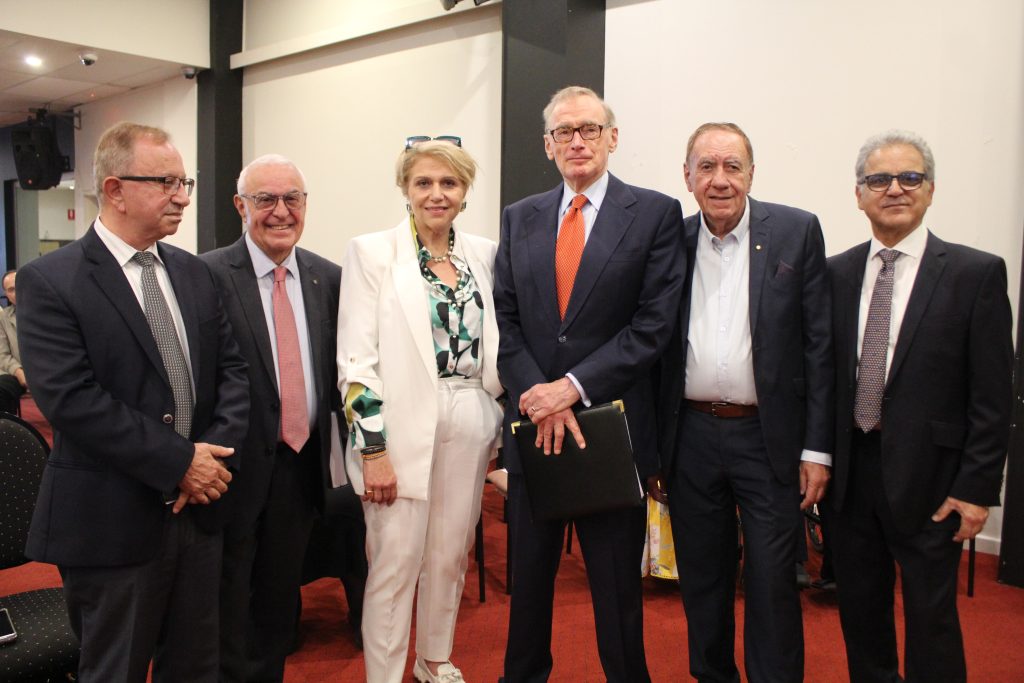
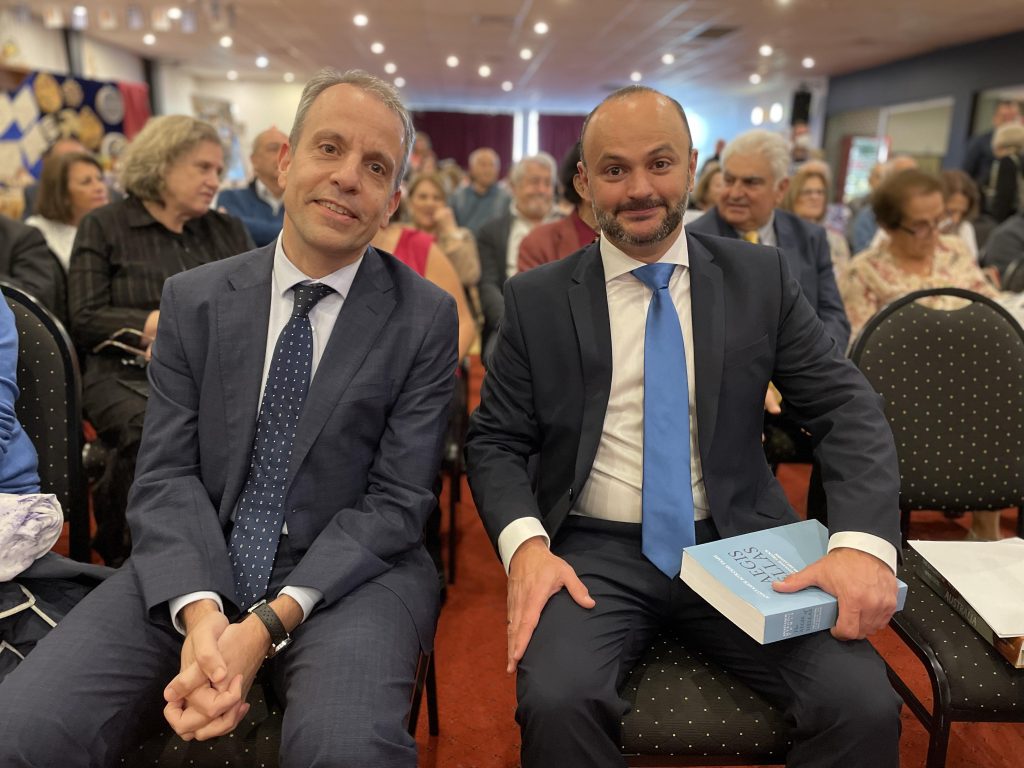
This included, among many others, the High Commissioner of the Republic of Cyprus in Australia, Antonis Sammoutis; the Consul General of Greece in Sydney, Ioannis Mallikourtis; the former Premier of NSW and Australian Senator, Bob Carr; the NSW Minister for Multiculturalism, Steve Kamper MP; the President of the Cyprus Community of NSW, Andrew Costa; the President of the Cyprus Community of Melbourne and Victoria, Theo Theophanous; the President of the Greek Orthodox Community of NSW, Harry Danalis; the Chair of the Greek Festival of Sydney, Nia Karteris; and of course, the author himself Professor Tamis.
Before official proceedings, a presentation of historic photos was screened featuring never-before-seen photographs from Andreas Aristedis’ cafe in the 1920s and after. Andreas is considered the ‘father’ of the Cyprus Community of NSW.
There were also two video presentations from the President of the House of Representatives in Cyprus, Annita Demetriou, and the Presidential Commissioner of Cyprus, Photios Photiou.
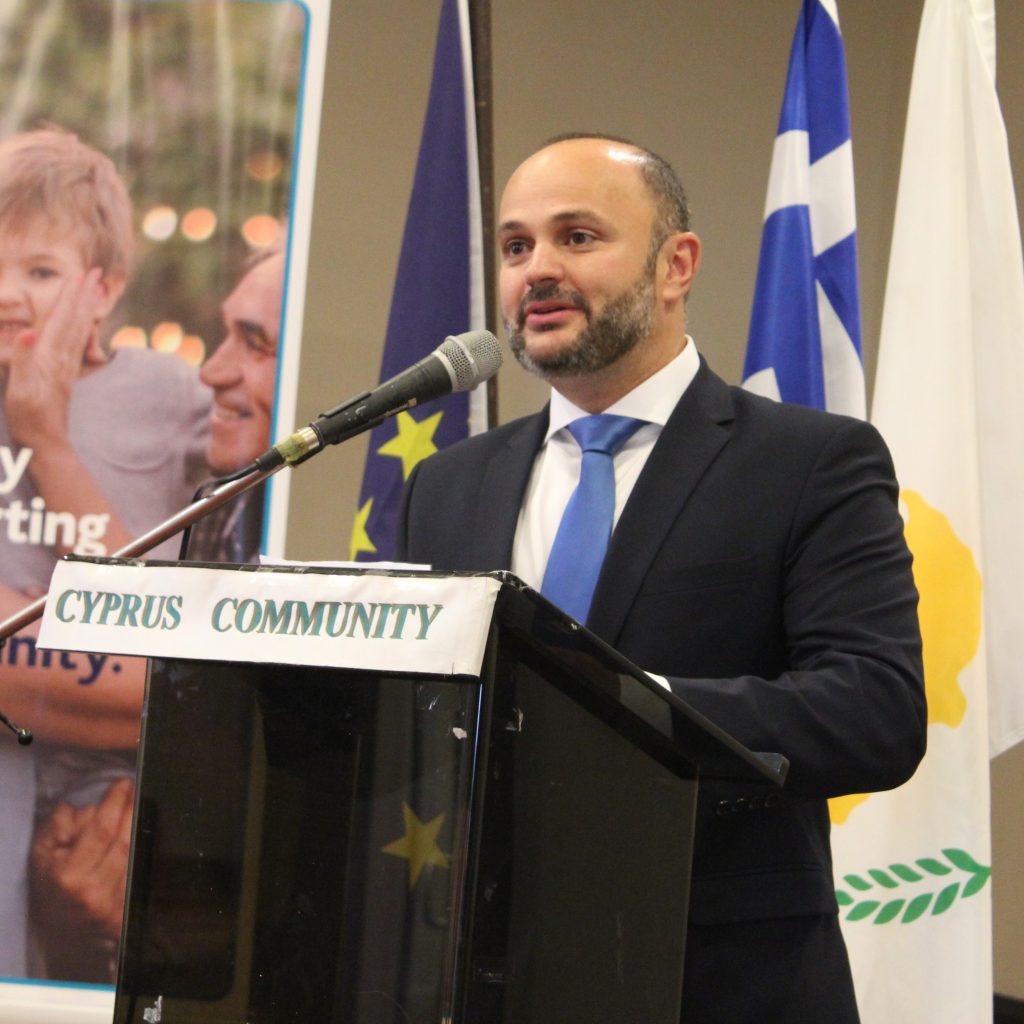
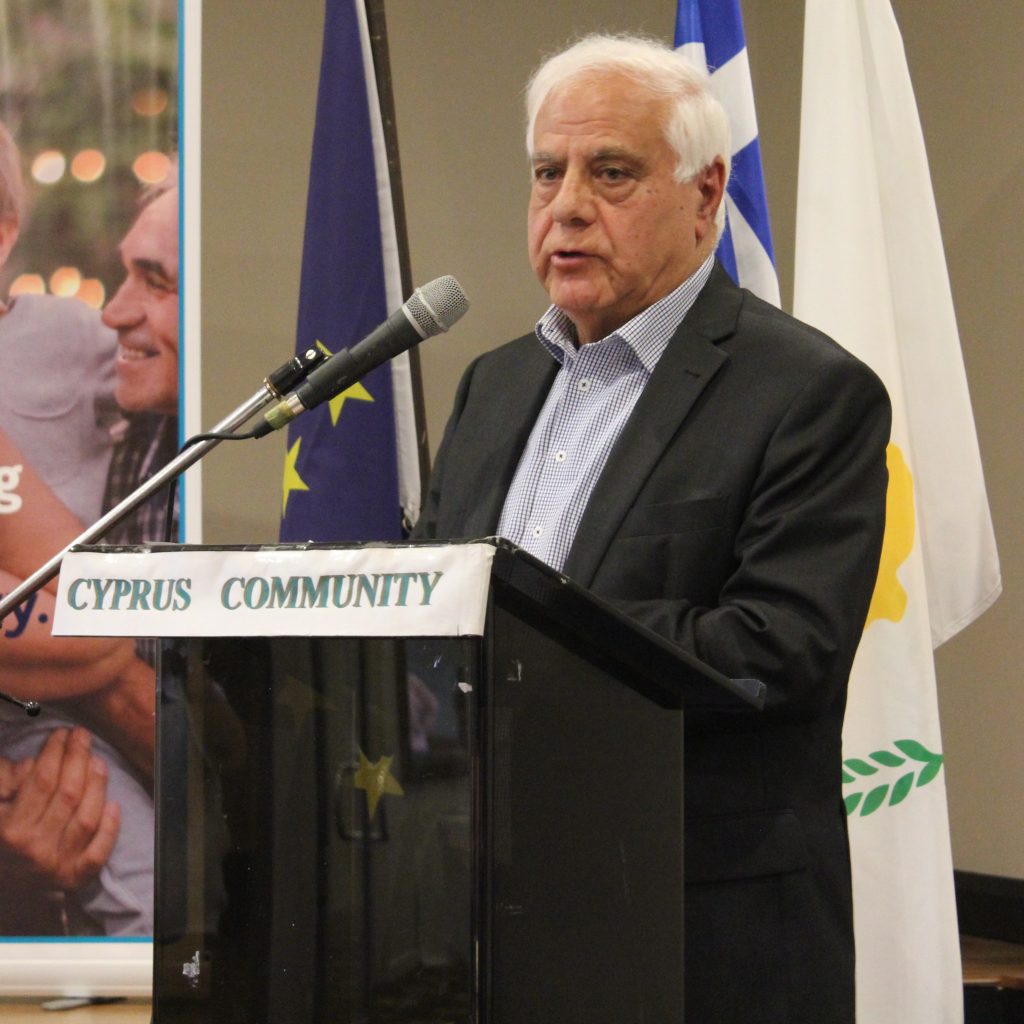
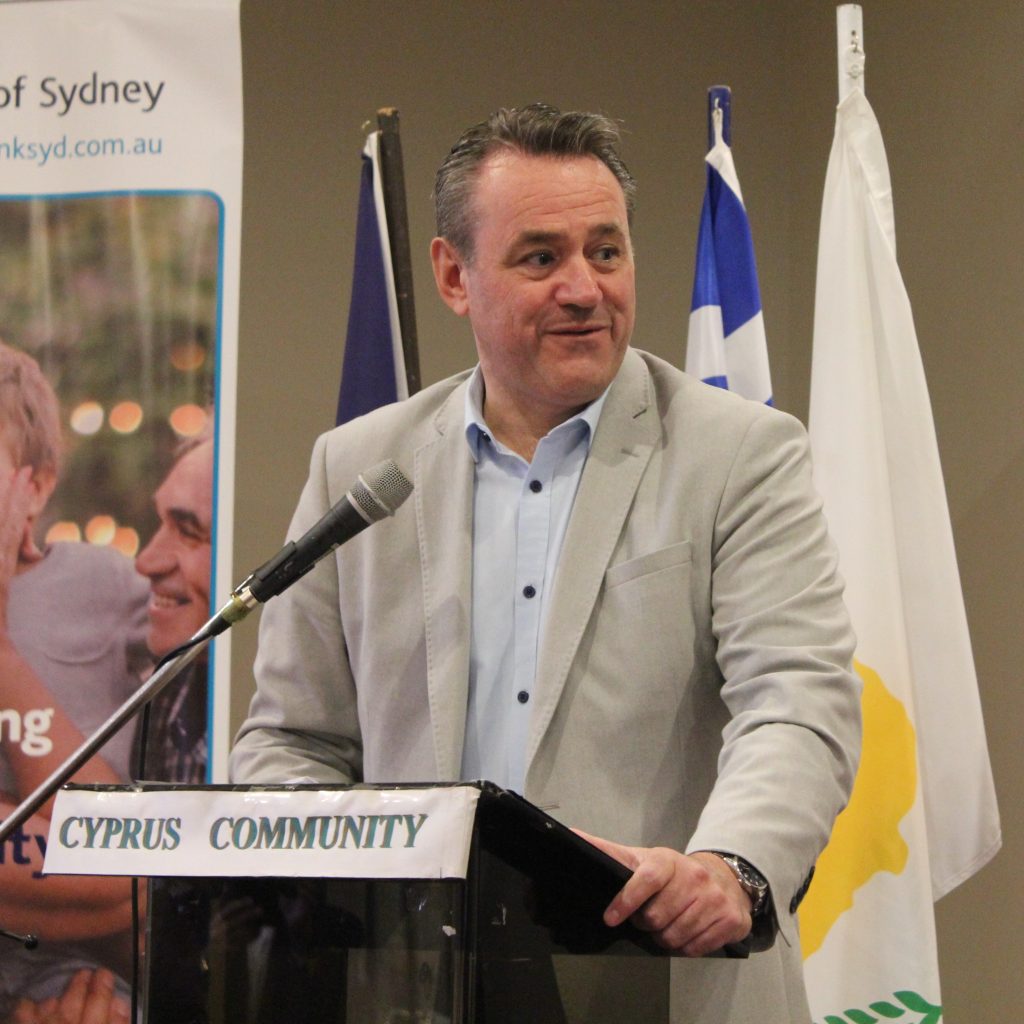
Once everyone was seated, emcees Elise Papanikolas and Elli Stassi introduced a number of people to the podium to speak including Mr Costa, Mr Sammoutis, Mr Carr, Mr Theophanous, Mr Kamper, Mr Danalis and Professor Tamis.
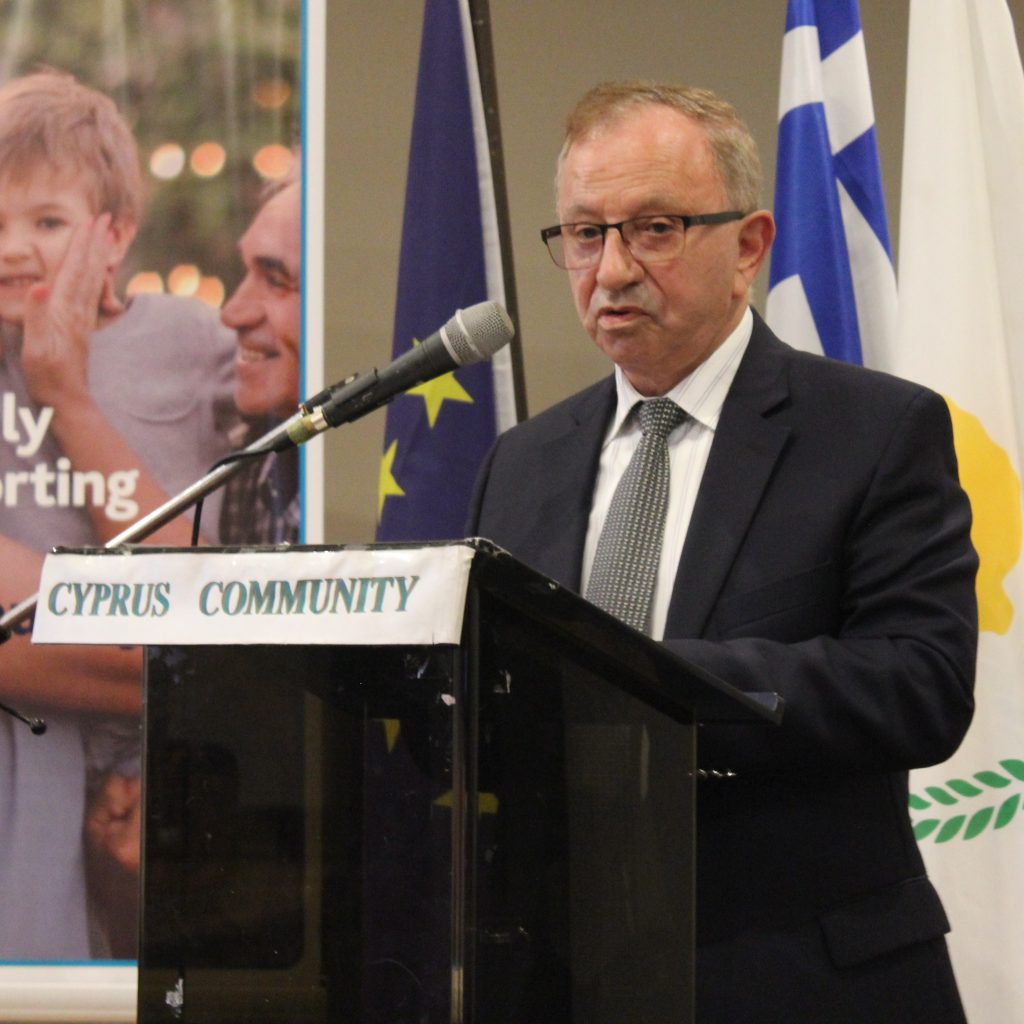
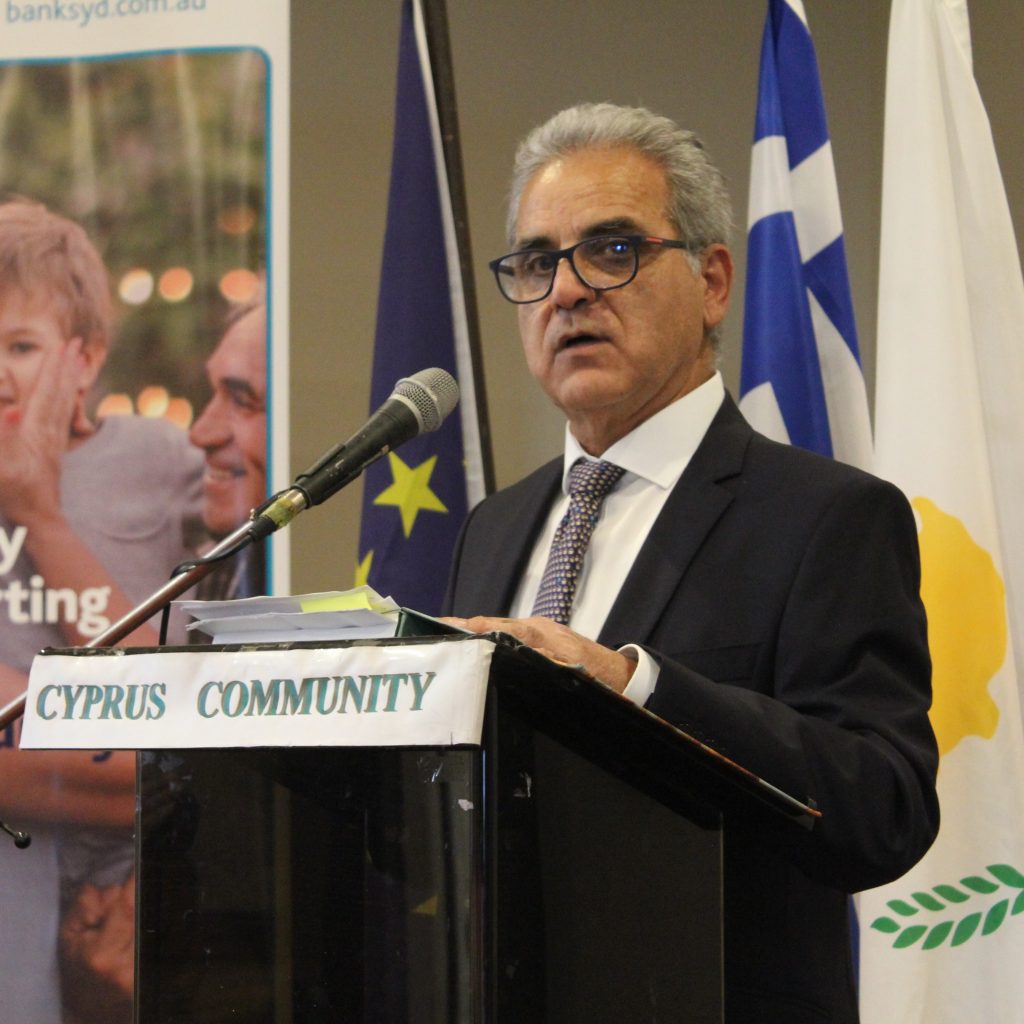
Mr Carr provided the foreword for Professor Tamis’ book. In his speech, Mr Carr spoke passionately about his strong connection to the Cypriot community in Sydney, before praising the Professor.
“The book is replete with stories of families, one after the other, and the photos… you see photos from the 40s and early 50s. The men all wearing their double-breasted suits, the women beautifully dressed, presenting themselves as proud and happy Australians but not retreating one little bit from the traditions, the faith, the family ties that mean so much to them,” Mr Carr said.
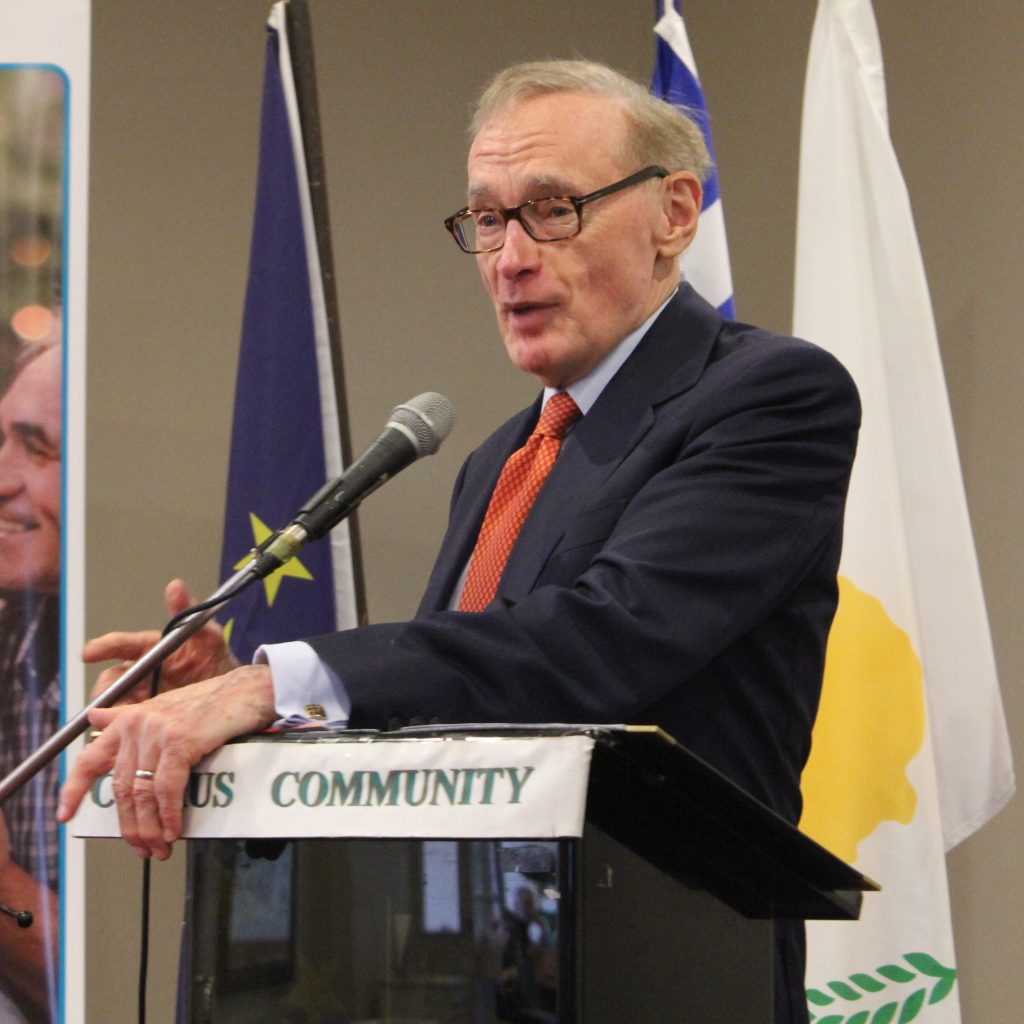
“It’s a wonderful story… and I accept what the Professor has said in the introduction to his book. He says it was ‘prompted by the necessity to honour pioneer Cypriot settlers.’ That says it all. They deserve that honour and with this excellent book, they’re receiving that honour.”
Professor Tamis drew on this further in his address and said the book’s value cannot be measured in its price. He said the book is a “forever legacy” for our children and their children, as well as a valuable reference book for all who are connected directly or indirectly with the historical period it spans.
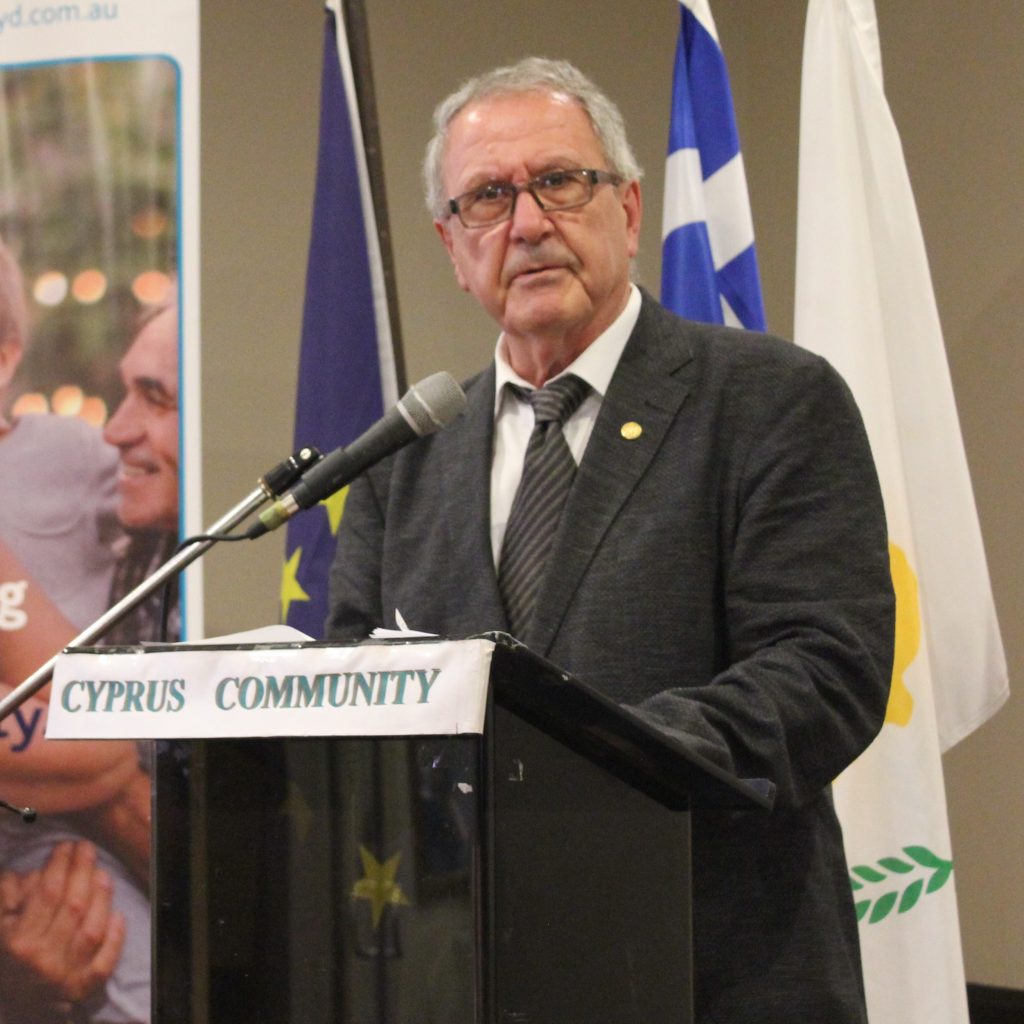
“This book is a tribute to the Cypriot mothers and fathers who are not amongst us anymore. It’s dedicated to their memory, their struggle and their fight to preserve their identity, retain their culture and contribute to the Australian welfare,” Professor Tamis said.
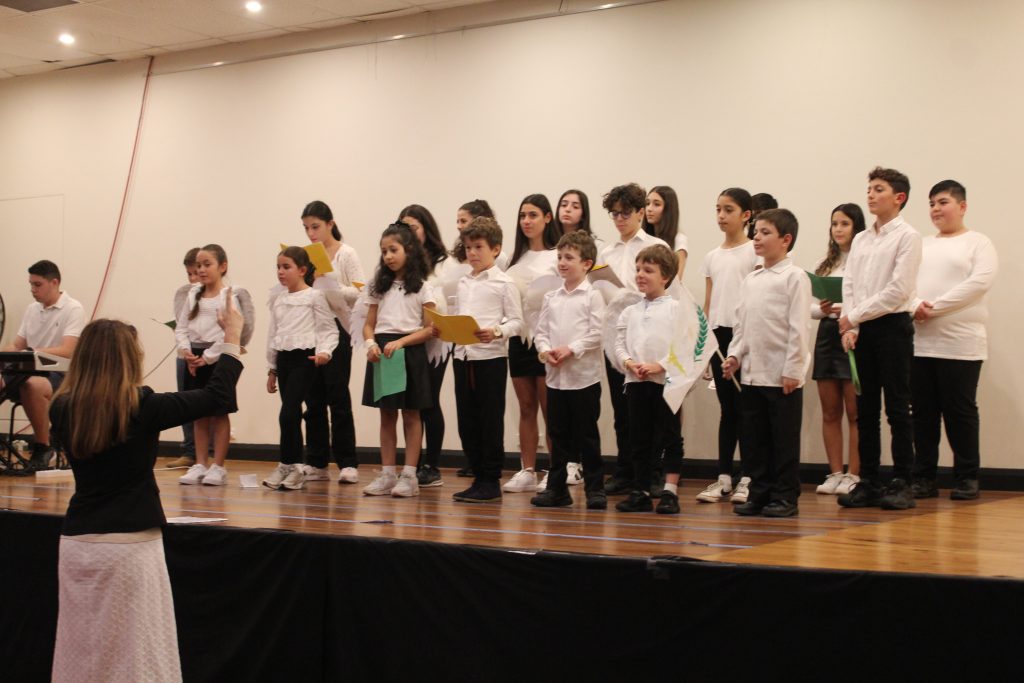
At the conclusion of these official proceedings, the children of the Cyprus Community of NSW’s Greek school recited poetry and sang songs about Cyprus.
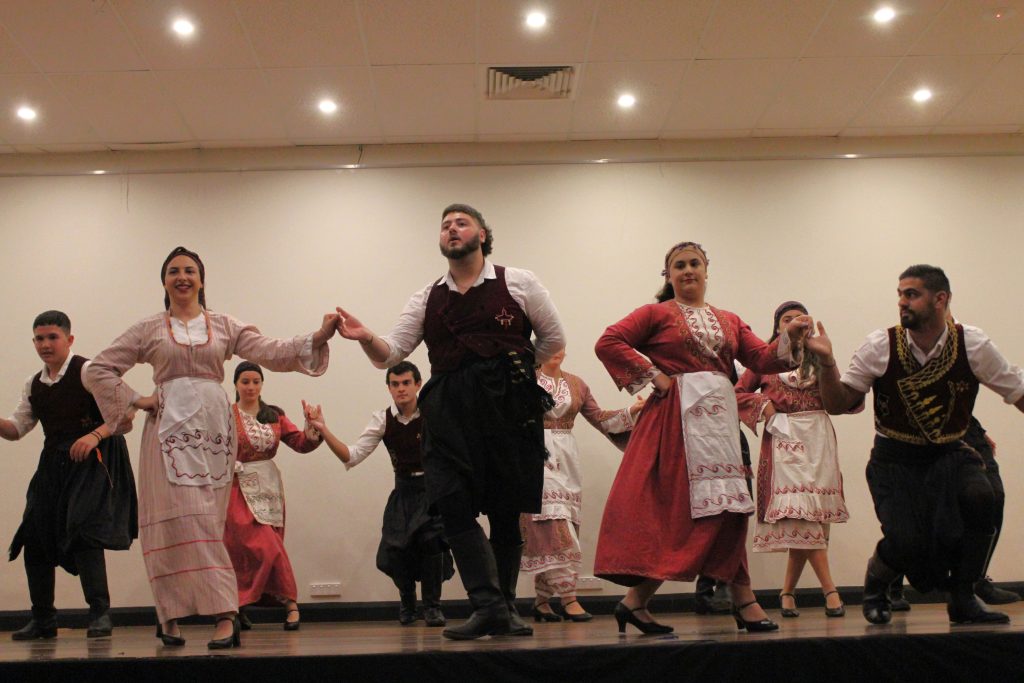
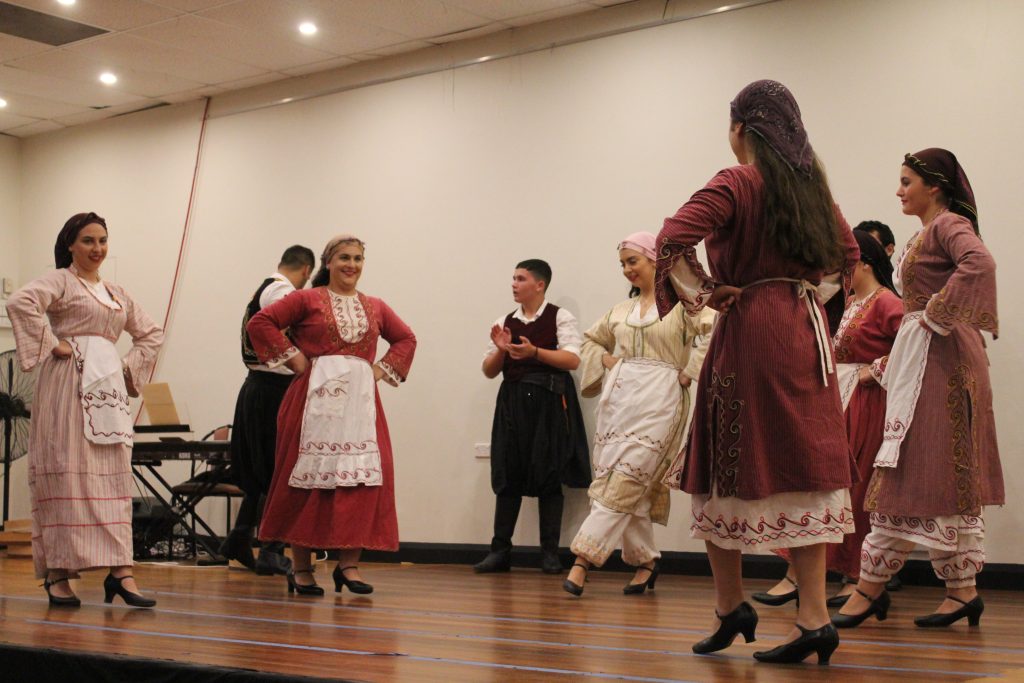
There was also a performance of Cypriot traditional dances by the Community’s dance group, whilst people queued up to have Professor Tamis sign their book.
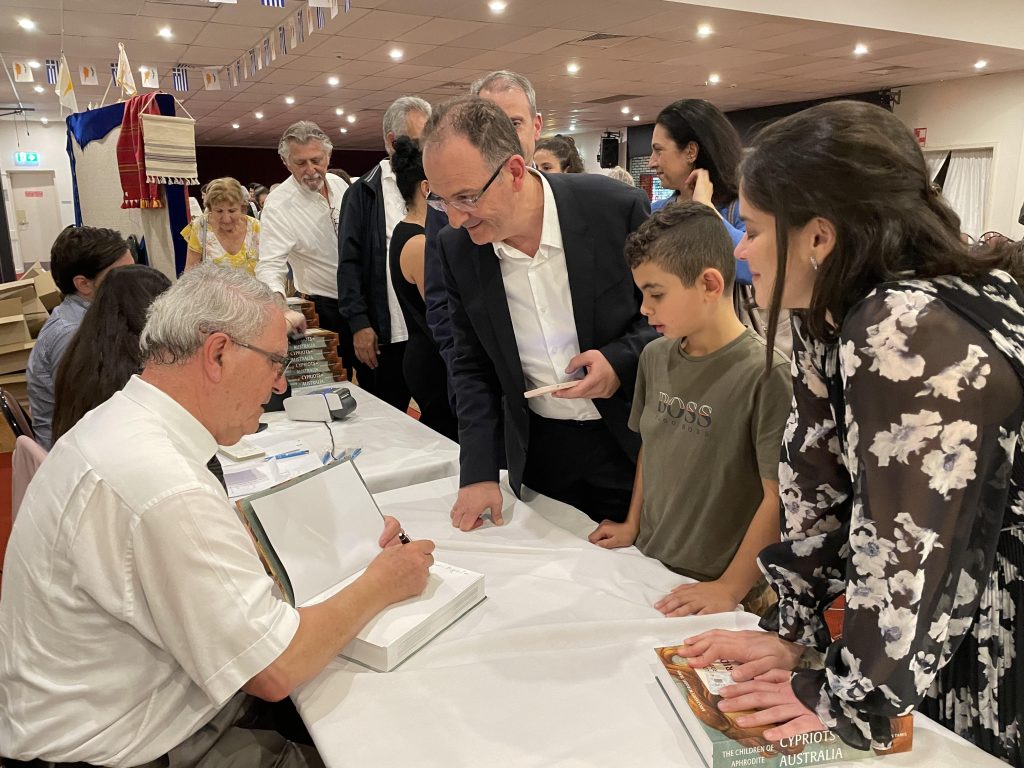
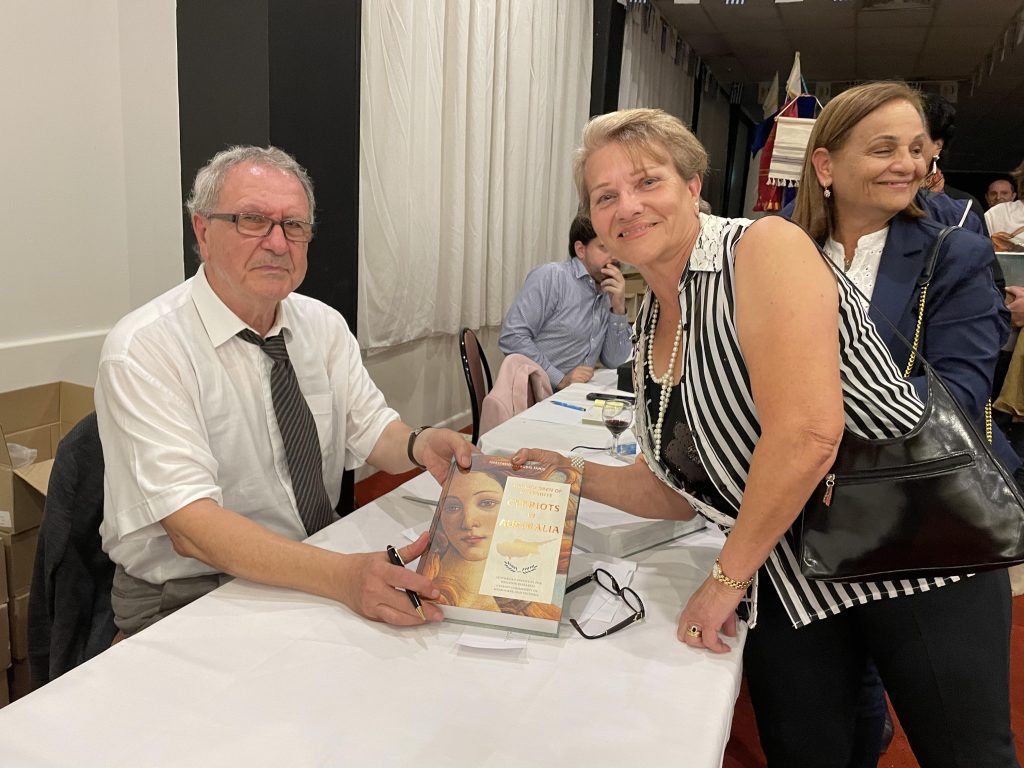
*All photos by The Greek Herald / Andriana Simos.
