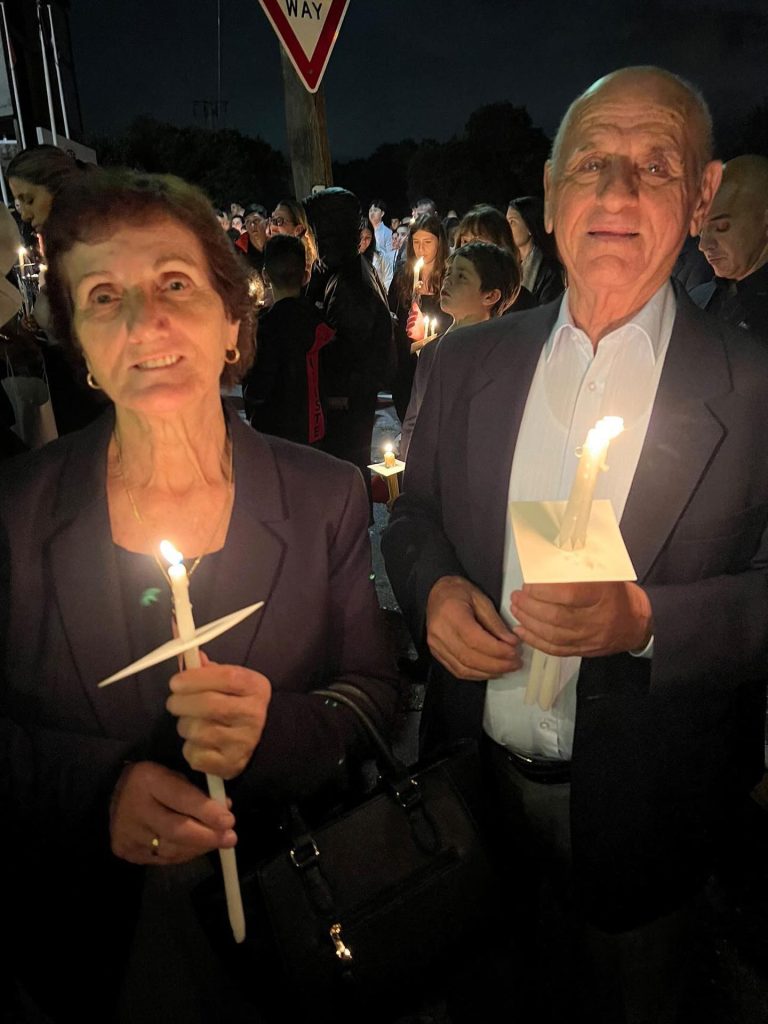
Saturday night. It’s 11:30pm. Greek Orthodox churches across Australia are inundated with yiayiades and pappoudes. Outside the church, the flood of people continues with a wave of young faces, particularly sleepy children clasping onto the shoulders of their mum or dad.
At exactly 12am, the Holy Flame lights up the dark, chilly night as it is shared around the sea of people. Immediately, the crowd shuffles around. One by one, everyone performs the Orthodox Easter ritual of a kiss on the check and declaring ‘Xristos Anesti’ (‘Christ has Risen’).
“Alithos Anesti (‘Truly he is Risen’),” people say in return.
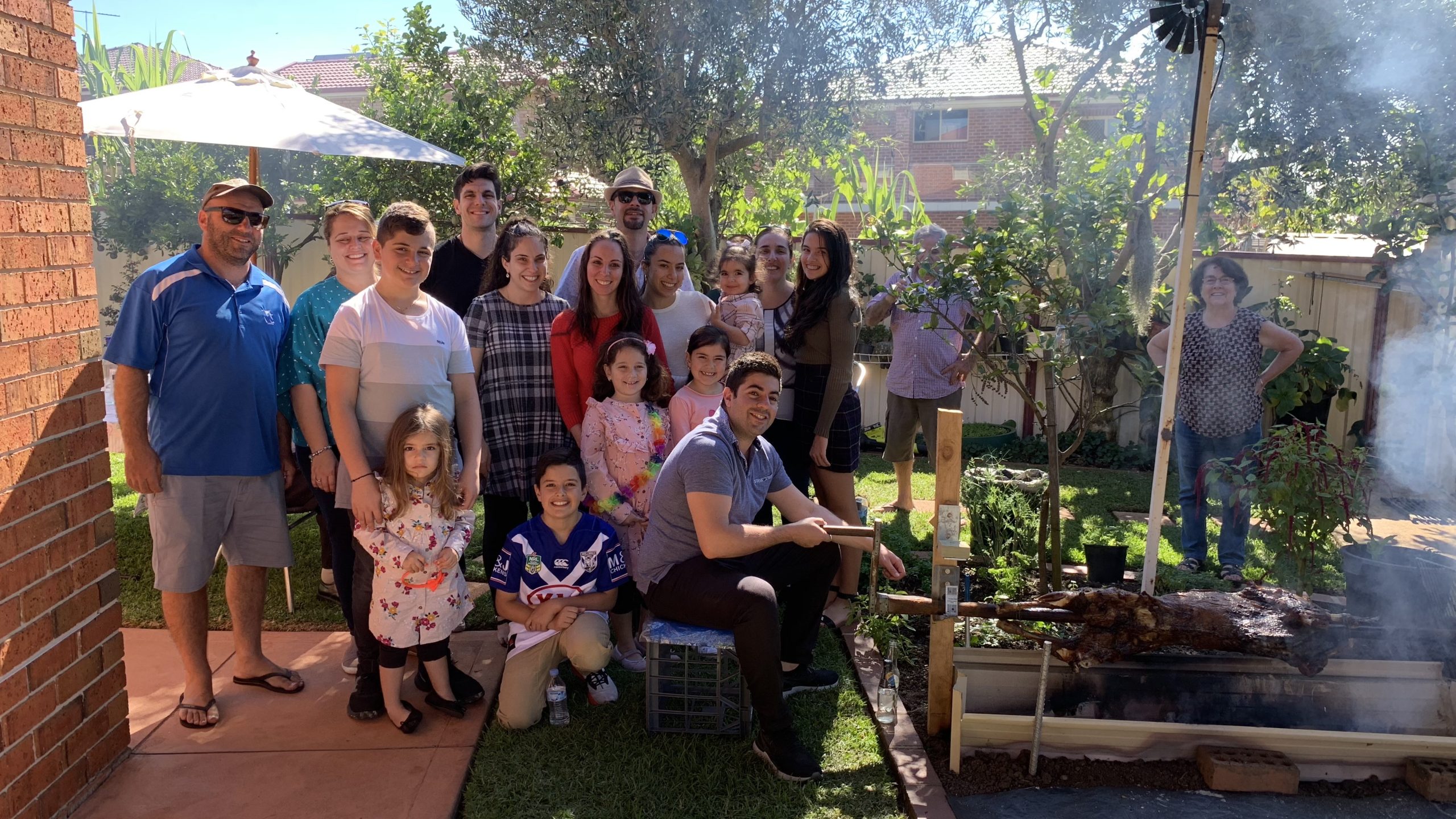
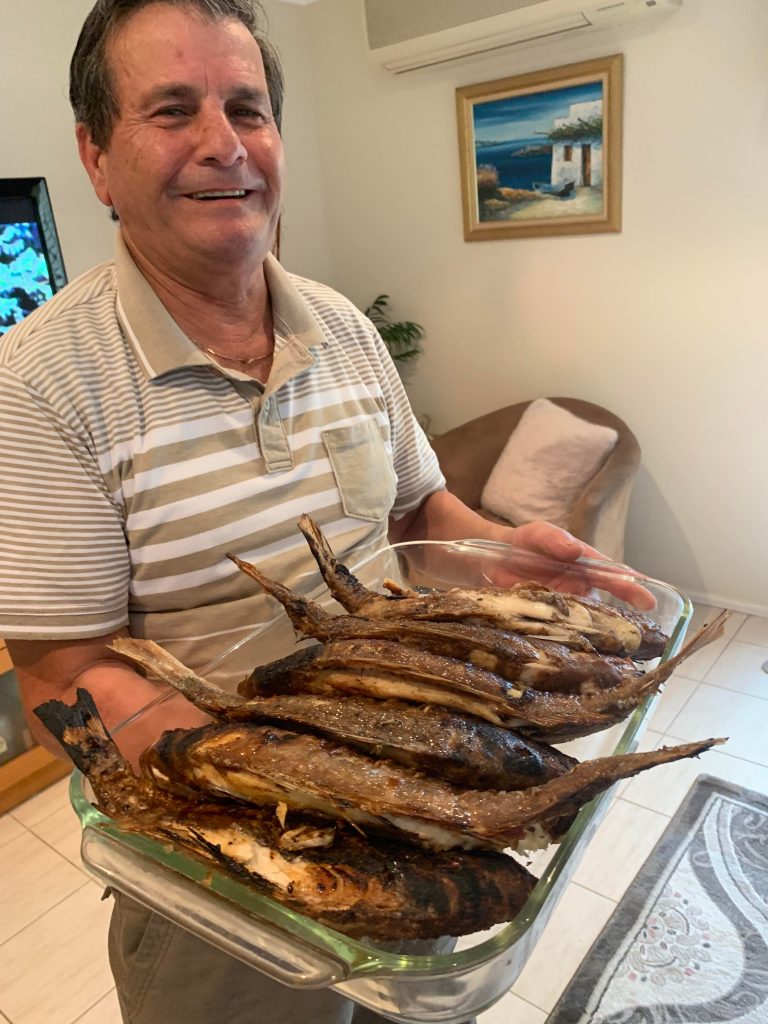
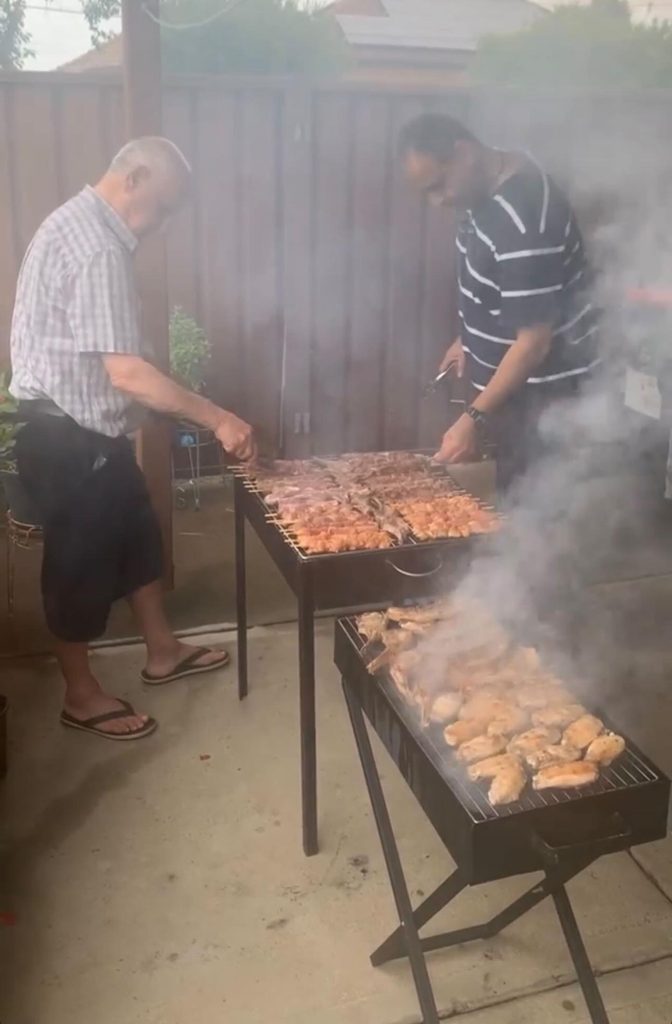
Later, at 1am, Greek Orthodox households are wide awake, cracking red eggs and eating traditional mageritsa. The next day, people find themselves eating again – devouring plates of food filled with souvla, rice, souvlaki, tzatziki, halloumi, Greek salad and pita bread at Sunday lunch.
Orthodox Easter is a week of reflection and time devoted to family and faith. This year, The Greek Herald spoke to some Greek Australians to hear how they celebrate the religious occasion and it’s spiritual meaning to them.
Katherine Sinadinos
33-year-old young mum-of-one, Katherine Sinadinos, tells The Greek Herald her favourite thing about Orthodox Easter is the preparation, particularly during Holy Week.
“It’s a time to reflect and reconnect with God, family and our cultural traditions. I especially enjoy the Good Friday services because they really set the tone of why we celebrate and the ultimate sacrifice that was made for our salvation,” she says.
Both of Sinadinos’ parents were born in Greece and she says that when she was growing up, they always wanted her to understand and carry on the cultural traditions.
“We make the traditional foods like koulouria, lambropites and I help my mum make tsourekia and we dye the eggs on Holy Thursday,” she explains.


For Sinadinos, keeping Easter traditions alive in her family and for her one-year-old son, Raphael, is very important, especially since her dad passed away.
“I want my son to understand the meaning behind what we do,” she says.
“It’s not about just having a barbecue with family on Easter Sunday, but rather understand long the sacrifice made for us.
“Keeping the family traditions means we can pass them on to the next generation and keep my father’s memory and legacy alive.”
Nick Andriopoulos
Nick Andriopoulos is another Greek Orthodox faithful who enjoys celebrating Easter.
When The Greek Herald asks what Easter means to him, he responds: “Easter? Easter is about food – the cakes, tsourekia, the sweets!”
“My favourite thing about Easter is gathering with the relatives and cooking the souvla,” he adds.
The 76-year-old from Sydney says Easter in Australia is much different to how he knew it in Greece as a young boy. Back in the post-WWII days, there wasn’t an abundance of food, while Easter is now filled with lots more food and family.
“We go to church, we eat lots of food and I have more family, more grandkids,” he says.
Katerina Isofidis
Reflecting on Orthodox Easter, Katerina Isofidis tells The Greek Herald she makes koulouria “without fail” every year.
The 21-year-old adds that going to church every day during Holy Week, and not just for the Anastasi on Holy Saturday, are traditions she also prioritises.
“I totally understand, when you do get older, you have more work commitments… and you kind of lose track of time and what’s important in the moment,” she says.
“[But] I think it’s very important [to prioritise Holy Week] because if we consider ourselves Greek Orthodox, then it is essential to go to liturgies.”
For Katerina, it’s all about the personal experience of Easter.
“You get to reflect on the atmosphere and everyone around you – that’s more what it is for me,” she says.
Vasiliki Kourtis
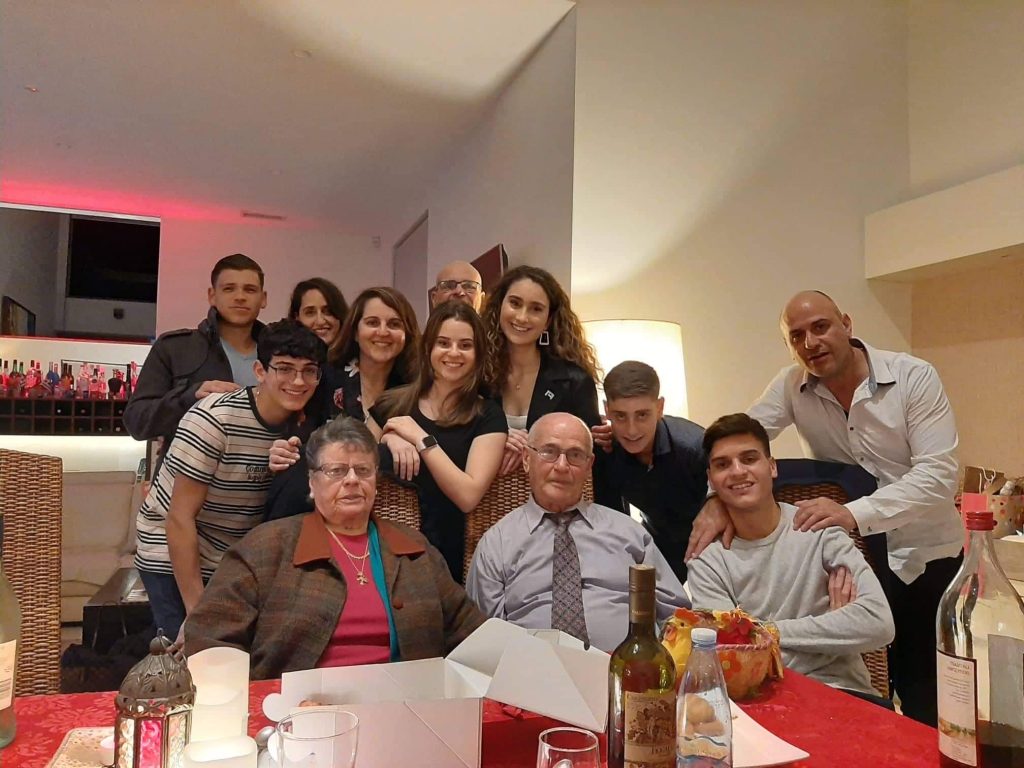
What’s Orthodox Easter without yiayia, mum or your favourite theia cooking and ringing you up to remind you about the church services?
Vasiliki Kourtis, otherwise affectionately known as Yiayia Vaso, is 79 years old and shows no signs of slowing down. She continues practising Easter traditions every year – from cooking traditional foods to going to church and hosting the family.
“I fast for 40 days. No meat or seafood, no diary, only nistissima (Lenten) foods,” she tells The Greek Herald passionately.
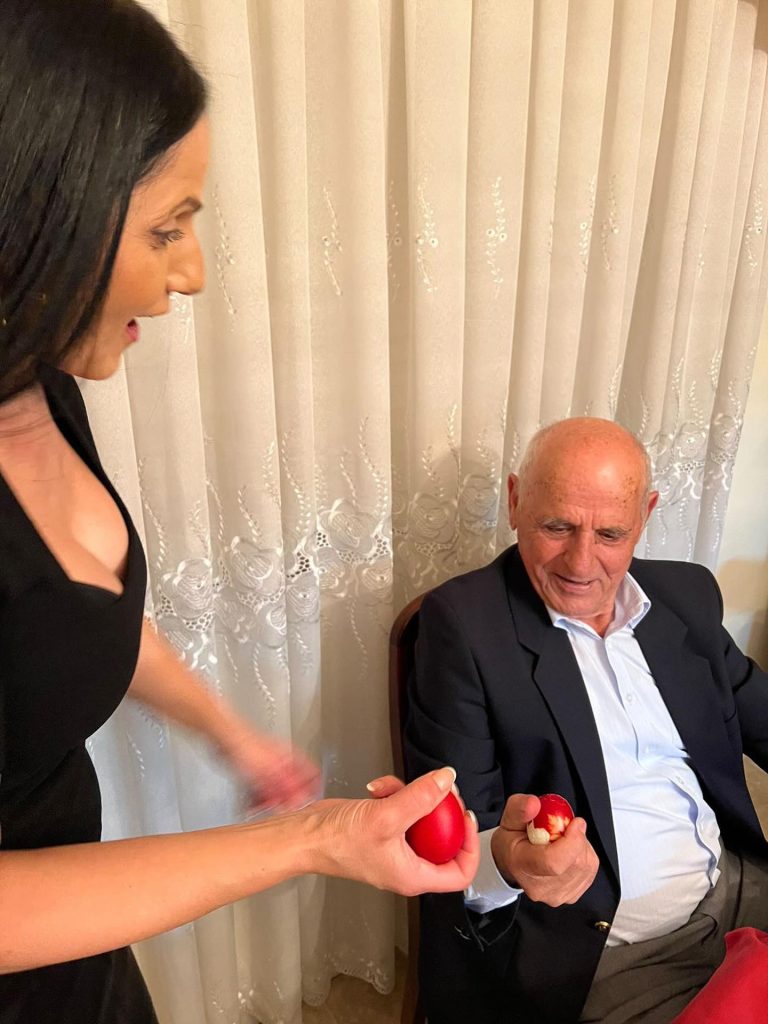
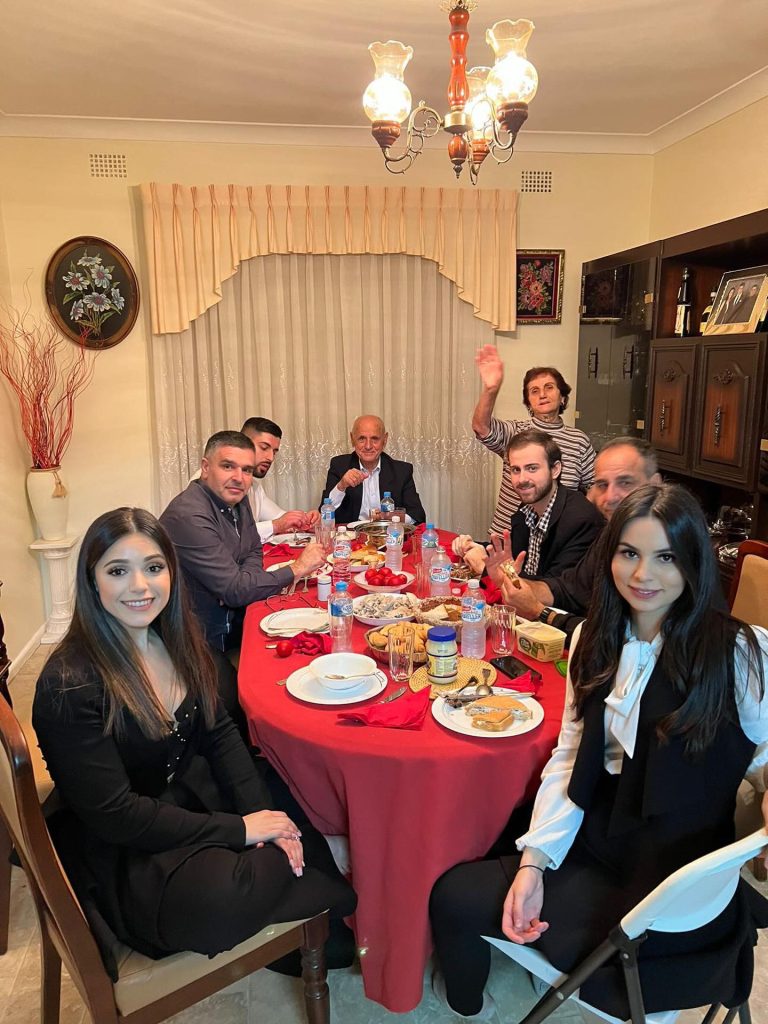
“I make tsourekia, dye red eggs with Kiki (a close friend who lives across the road). We wake up very early to make enough for all our family and friends and we make lots of koulourakia.”
Yiayia Vaso says over the years she has learned to appreciate Easter more and develop her preparation style. She says she has reached a point where she has seen Easter as a wife, a mother and a yiayia and hopefully one day as a great-yiayia.
But besides the food, the importance of Easter is “very big” to her and says it is the foundation for the Greek culture.
“As a migrant who left my country, the most important thing is our faith,” she says. “Without faith, there will be no traditions, it leads us back to our roots and our Greek heritage.”

