By Kathy Karageorgiou
Growing up in Australia in the 1970s and 80s as a Greek Australian, I don’t recall very much from back then about March 25th as the celebratory day for Greek Independence. I do have a distant memory from my Saturday Greek school classes of the names Kolokotronis and Karaiskakis, which I later learned were amongst the main heroes of the Greek uprising against four centuries of Ottoman occupation.
My scant introductions towards Greek Independence Day changed many years later upon moving to Greece and watching my sons take part in marches. Dressed in the blue and white of the Greek flag, they paraded in celebration of the day, alongside other school children in all parts of Greece.
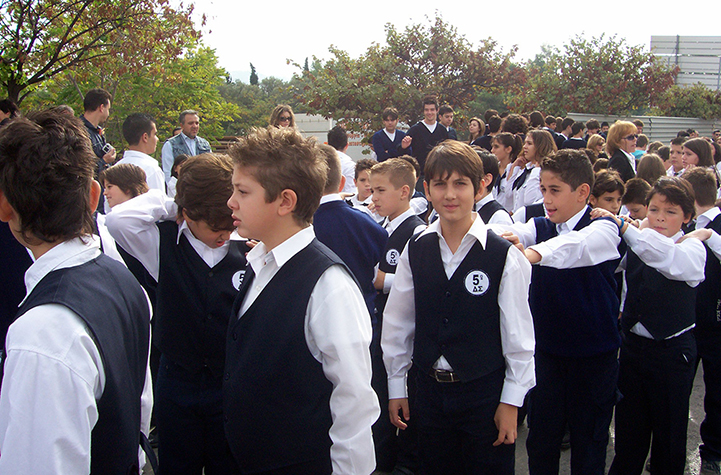
These Greek Independence Day celebrations included nationalistic poetry recitals, songs and theatrical performances, as well as military parades with government officials in attendance. This was followed by the day’s traditional lunch of cod and garlic mashed potatoes (bakaliaro kai skordalia). This leading-to-Easter, fasting fare ties in with the Christian interpretation of March 25th as the ‘Annunciation,’ whereby the angel Gabriel visited the Virgin Mary to inform her she would be the mother of Christ – symbolising the dawning of a new era.

A founding figure of the Greek Revolution, Alexandros Ypsilantis, also chose this day as a metaphor from the Christian theme – the dawning of a new era for a liberated Greece, even though his revolutionary fervour began a month earlier in February of 1821 in Moldavia.
It wasn’t until 1938 that the foreign-imposed first King of Greece, the Bavarian Otto, officially instigated the 25th of March as the standardised celebration date for the Greek Revolution’s beginning.
Greece’s eventual independence from the Ottomans, and its recognition as the modern Greek nation, was officially acknowledged and documented in 1830 (Protocol of London) by the foreign ministers of Great Britain, France and Russia, and then amended in a new treaty in 1832. These influential powers decided that the new State must be a monarchy – an outcome not imagined by the majority of the supporters, promoters and fighters of the Greek Revolution. This majority, mainly cosmopolitan, educated Greeks and foreigners, looked to Classical and Ancient Greek humanism as inspiration for a free Hellas, a Republic, while average Greeks wanted to simply break free from Ottoman rule and oppression.
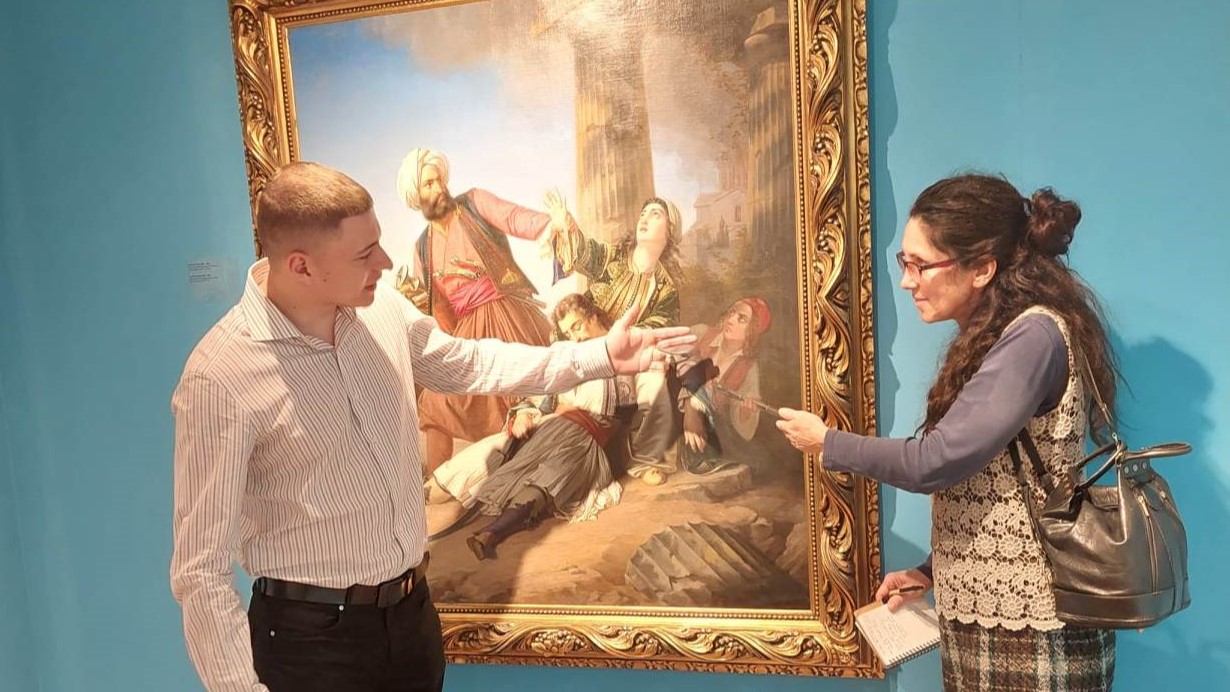
My sporadic knowledge of the core of March 25th and Greek Independence from readings and online searches has never really satisfied me. As a Greek, understanding and viscerally feeling the climate leading up to and during the Revolution has been of the utmost importance to me, which is why I consider myself blessed in discovering the Philhellenism Museum.

A small, state-of-the-art museum (moving to much larger premises in central Athens, Greece around the end of 2024), the Philhellenism Museum hosts art and other collectibles over four floors. Each floor has a theme with corresponding works, from mainly 18th and 19th century artists, that educate and delight the viewer.
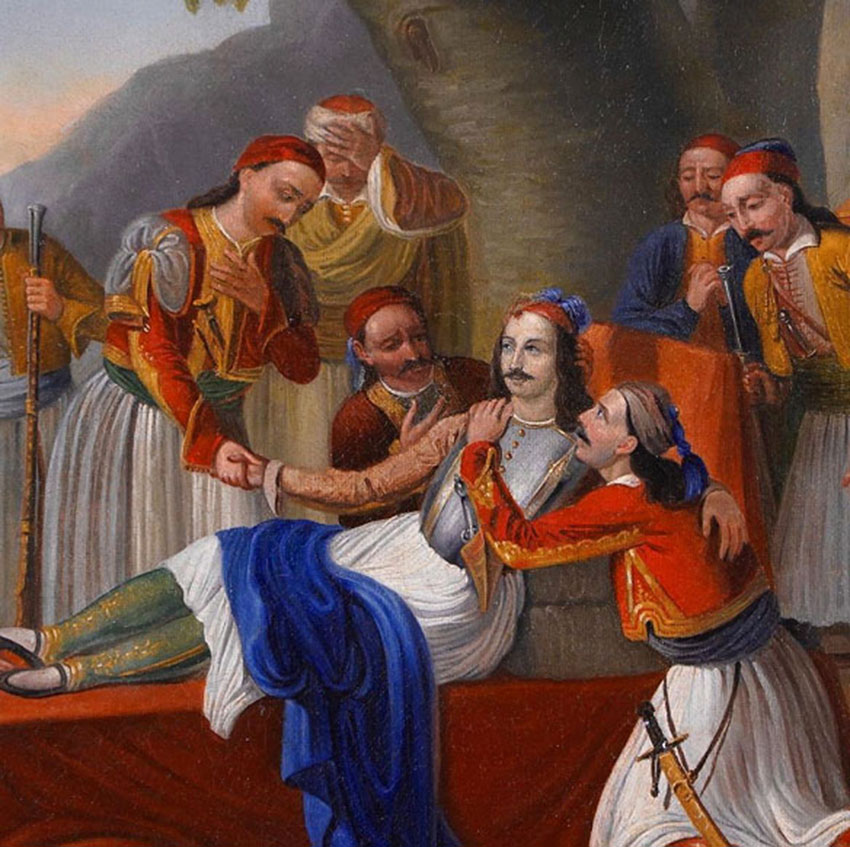
The 3rd floor, painted a moving, fiery orangey-red, houses the Greek Revolution theme. The displays include art showing battle scene enactments to Greek and foreign fighter representations, including a Delacroix and more. I was provided with an all-inclusive sense of understanding the struggle for Greek Independence, culminating from the themes of the other floors and enhanced by the Museum’s curators Electra and Orestis.
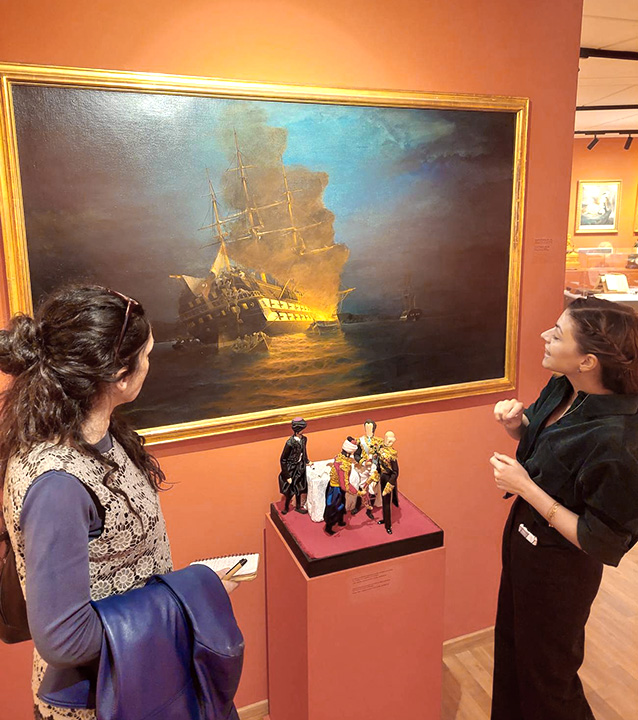
The museum highlights the crucial role the Philhellenes played in assisting the Greeks’ liberation, towards nationhood, in many ways. We see influences of mainly French and German, and also other thinkers and artists who espoused Ancient and Classical Greek ideals in motivating the Greek cause for freedom.
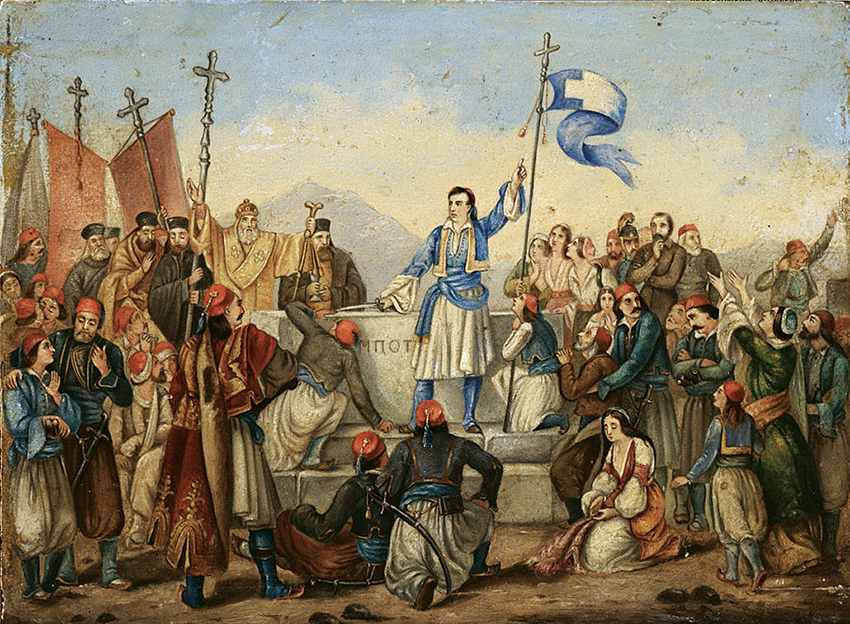
This included inspiring many from all parts of Europe and beyond – including the USA – to physically fight alongside the Greeks. A commemorative plaque on the wall of the museum has the names of 1600 Philhellenes who fought for the Revolution – apart from the famous Lord Byron.

To Australians, the Greek Revolution or the struggle for Greek Independence – celebrated on March 25 – serves as an important continuation and reminder of a united struggle for democratic values and principles of liberty and self-determination for nation states. It upholds the ideals but also laid the ideological groundwork of respecting human freedom, and fighting against all forms of tyranny and oppression.

