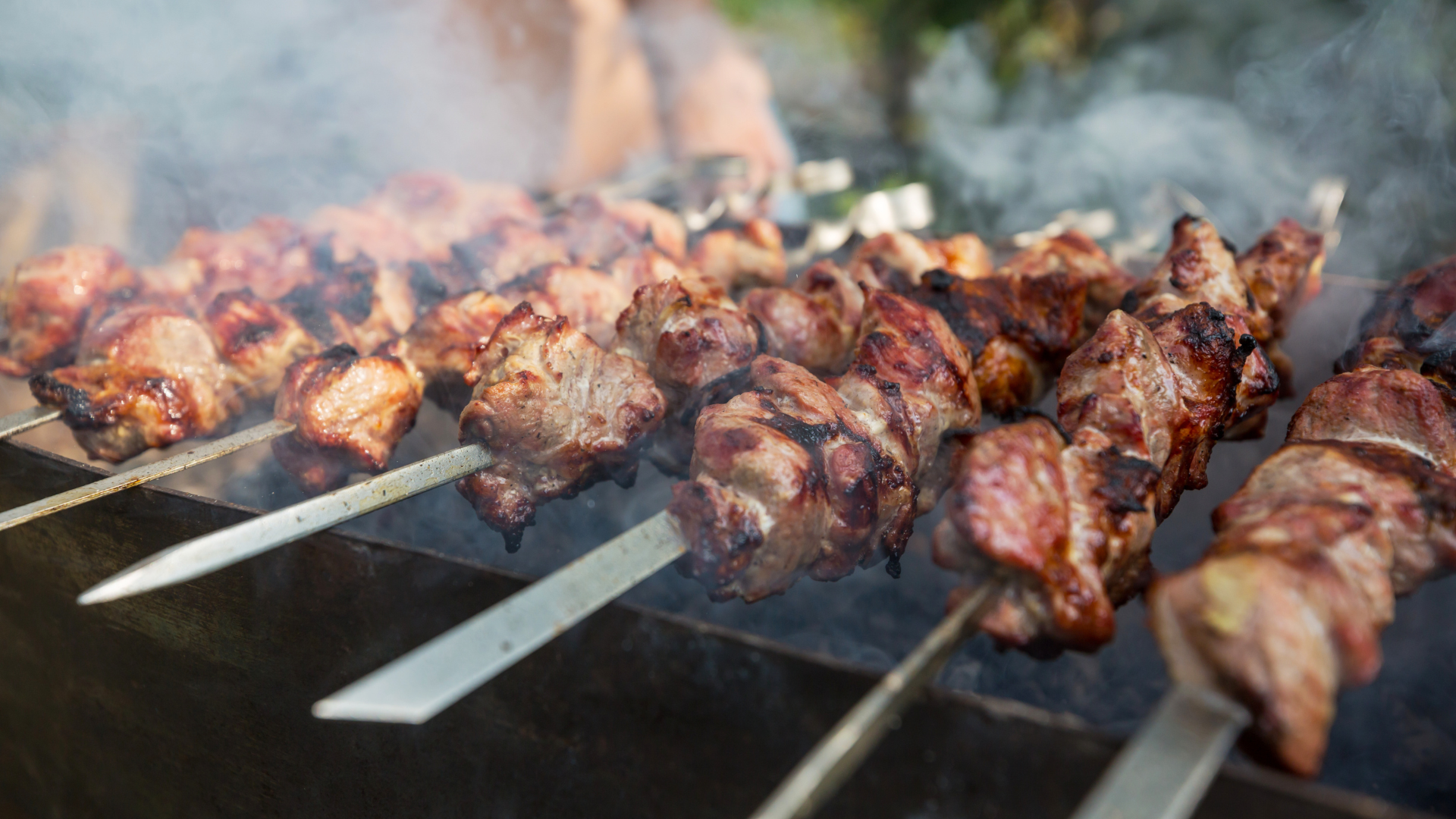
Tsiknopempti: What is it and why do we celebrate?

·

Tsiknopempti is part of the traditional celebrations of Apokries – the Greek carnival season.

The celebration, which is also known as Charred or Smoky Thursday, is one of the last days where Greek Orthodox faithful are allowed to eat meat before they begin their Lenten fast for Easter.

Origins:

The name ‘Tsiknopempti’ originated from the fact that on that particular day, in many places around Greece, people would melt the fat from pigs while groups gathered in homes to barbecue meat.
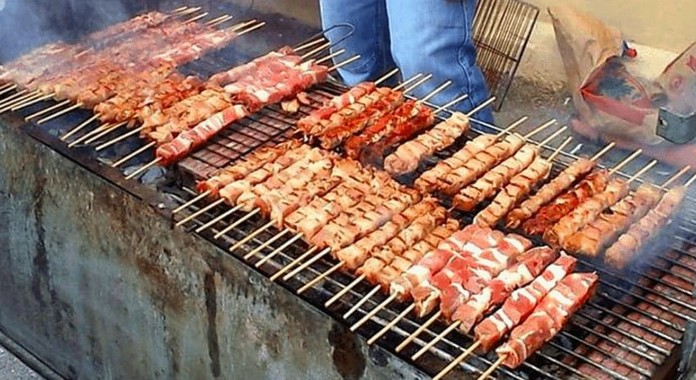
Souvlakia are a favourite for Tsiknopempti.

The widespread smell of burning meat from any household which could afford meat, led to the naming of the day ‘Tsiknopempti.’

The custom itself is said to originate as far back as the Bacchanalian feasts of the ancient Greeks and Romans, which survived with only a few changes until Christian times.

How do people celebrate?

Aside from barbecuing meat, people also dress up and have some fun with their neighbours.
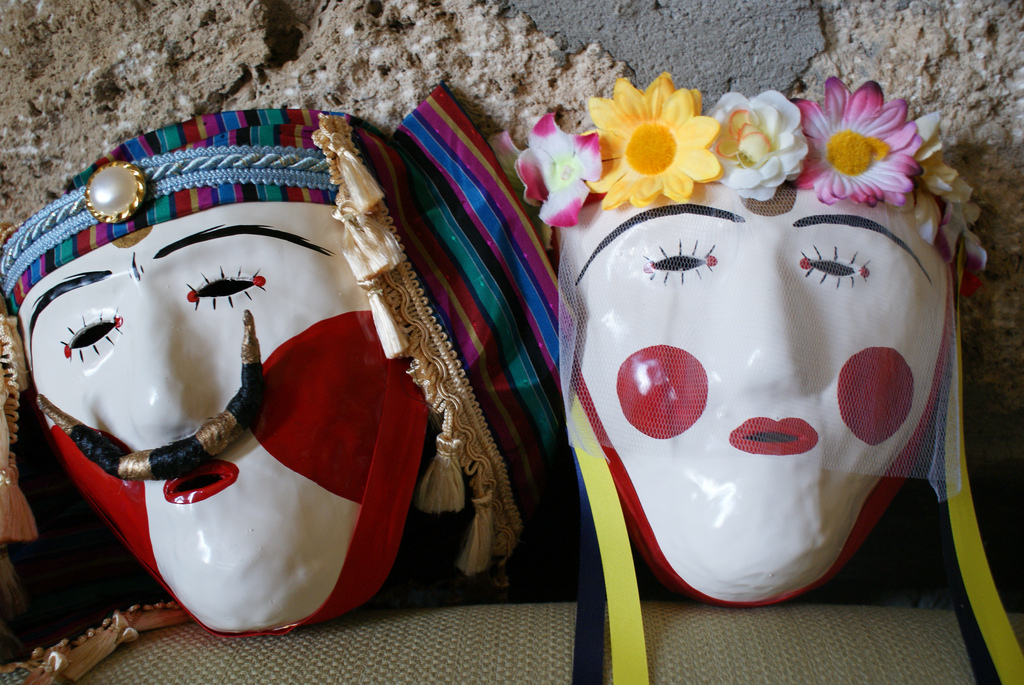
Tsiknopempti occurs during Apokries.

In the villages, people walk around in groups from house to house, knocking on doors and asking for a treat and some wine, which were both consumed on the road.

The custom also included some “minor damage” to the outside of houses, as people would knock down flower pots to spill the dirt. They would then smear their faces with the dirt and party on until the next morning.

Source: The Athens Centre.

Share:

KEEP UP TO DATE WITH TGH

By subscribing you accept our Terms of Service and Privacy Policy.

Latest News

Dr Yianni Cartledge traces the stories of Ikarians in Australia through archival research

Inspired by his own family history and the broader migrant experience, Dr Yianni Cartledge has published a book exploring Ikarian migration.

Elfa Moraitakis included among the most powerful people in Western Sydney

Elfa Moraitakis has been named among the most powerful people in Western Sydney in The Daily Telegraph’s list.

Chicago family returns ancient Greek artefacts to Greece

Five ancient Greek artefacts spanning from the 6th century BC to the Roman period have been returned to Greece by a family from Chicago.

Kefalonia beach voted as the second best beach in the world

Fteri Beach has been ranked the second most spectacular beach in the world for 2026 in the annual World’s 50 Beaches list.

Frank Alexopoulos says leaving construction job transformed his approach to fatherhood

Frank Alexopoulos says a call to Lifeline during a difficult period in his life transformed the way he approached fatherhood.

You May Also Like

Greeks trapped in Gaza granted safe passage into Egypt

12 Greek citizens were allowed to enter Egypt from the Gaza Strip on Thursday, joining hundreds of other international citizens.

Restoration project to undo WWII damage to Leros castle

More than 80 years after suffering damage in the fall of 1943, the Castle Leros in the eastern Aegean is being treated to a restoration.

Turkey enforces 25 euro admission fee for tourists visiting Hagia Sophia

The Turkish Culture and Tourism Ministry has announced the implementation of a €25 entrance fee for foreign tourists visiting Hagia Sophia.