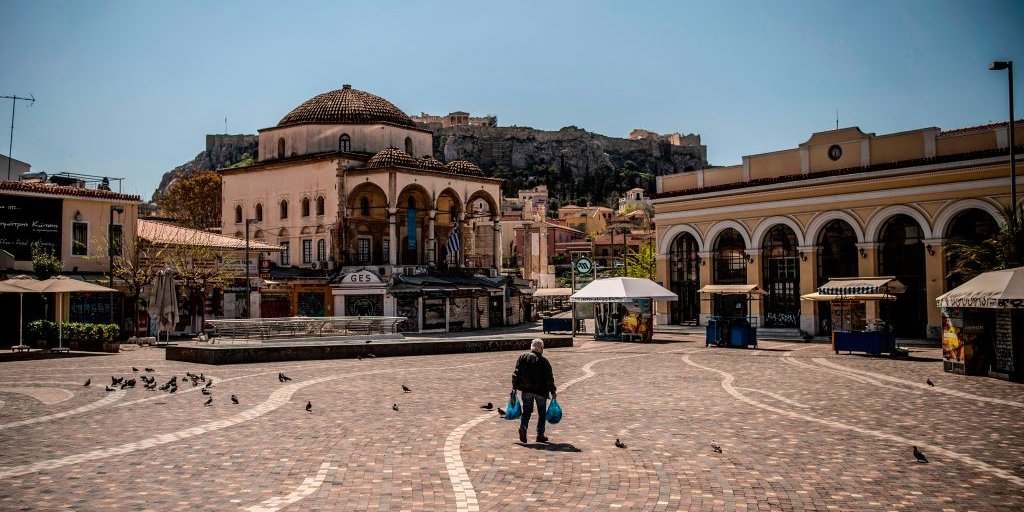
It’s been an extremely rocky 365 days for citizens of the world, but for Greece, today marks one year since the first reported case of COVID-19 in the country.
Late at night on February 26 (Australian morning of the 27th), Professor of Infectious Diseases Sotiris Tsiodras held an emergency televised briefing with the Ministry of Health.
They reported that a Greek woman who recently returned home from northern Italy had become Greece’s first coronavirus case. The Health Ministry had already closed one school in Thessaloniki, yet did not immediately introduce any travel restrictions to Italy.
“She is in good health and is being monitored by a team of exceptional colleagues in Thessaloniki,” Sotiris Tsiodras told the news briefing.
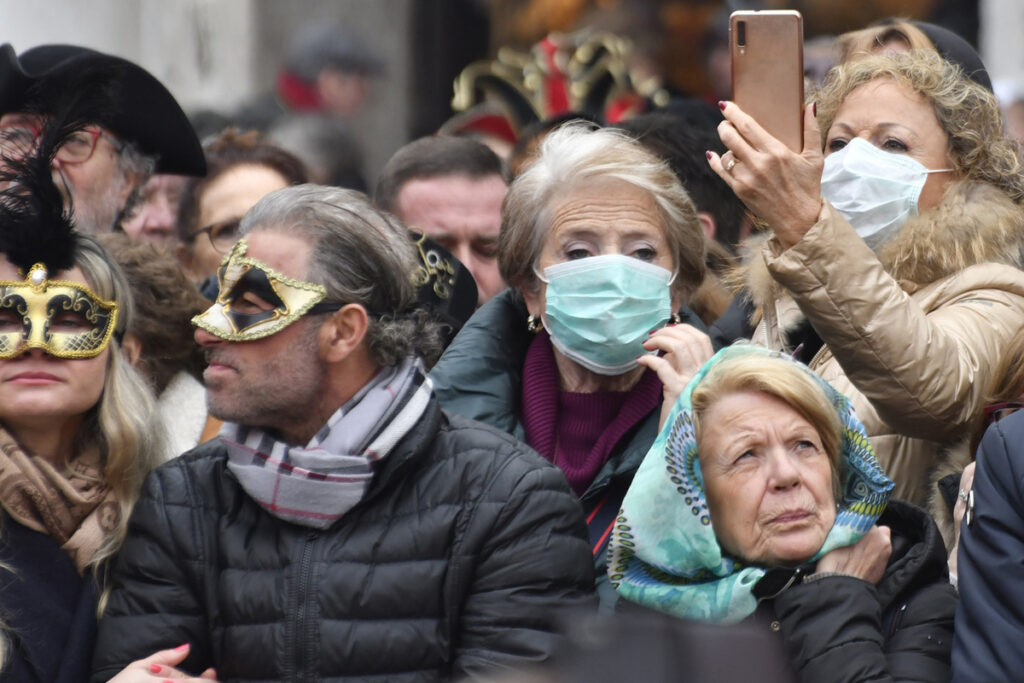
So early in the COVID-19 pandemic, contact tracing was a more more difficult process. Despite this, the Ministry of Health still managed to identify 10-15 people the patient had been in touch with, placing them in quarantine.
Day by day, more people were infected as the virus spread across Greece. By February 29, there were a total of seven confirmed cases.
Greece was applauded by other countries for their safe and strict control of the virus from early on. They had decided to close all carnival events, despite only recording two cases at the time, and quickly shut all educational institutions.
READ MORE: Sydney-born virologist becomes Greece’s coronavirus ‘hero’
READ MORE: Greece confirms first coronavirus case
Sotiris Tsiodras was labelled Greece’s ‘Coronavirus hero’, helping avert the tragically high infection and death rates seen in Italy and Spain. Italy’s La Figaro newspaper has called him the “new darling of the Greeks,” while Greece’s Ekathimerini publication named him the most popular person in Greece, after a poll conducted for Alpha TV.
The pandemic is believed to have originated in a market selling wildlife in the Chinese city of Wuhan in late 2020. It has since infected 113 million people and killed more than 2.5 million.
