A newly signed agreement between the United States and Iran is being touted by President Donald Trump as a breakthrough towards peace, but questions over Israel’s military presence in Lebanon and a lack of clarity surrounding the deal’s details have fueled uncertainty across the region.
The memorandum of understanding was reportedly signed electronically by President Trump, Vice-President JD Vance and Iranian parliamentary Speaker Mohammad Baqer Qalibaf.
While the agreement is not a comprehensive peace settlement, it establishes a framework for negotiations over the next 60 days on issues including Iran’s nuclear programme and maritime security in the Strait of Hormuz.
“The deal’s all signed,” Mr Trump said upon arriving in France for the G7 summit.
Many of the agreement’s provisions remain undisclosed, with conflicting messages emerging about when the full details will be released. A White House official said they would become public within 48 hours, while Trump later indicated further information would be released following a formal signing ceremony scheduled for Friday.
One of the key unresolved issues is Lebanon. Iran has previously demanded an end to Israeli military operations in Lebanon as part of broader negotiations, but US officials have insisted Israel’s withdrawal from southern Lebanon is not a condition of the current agreement.
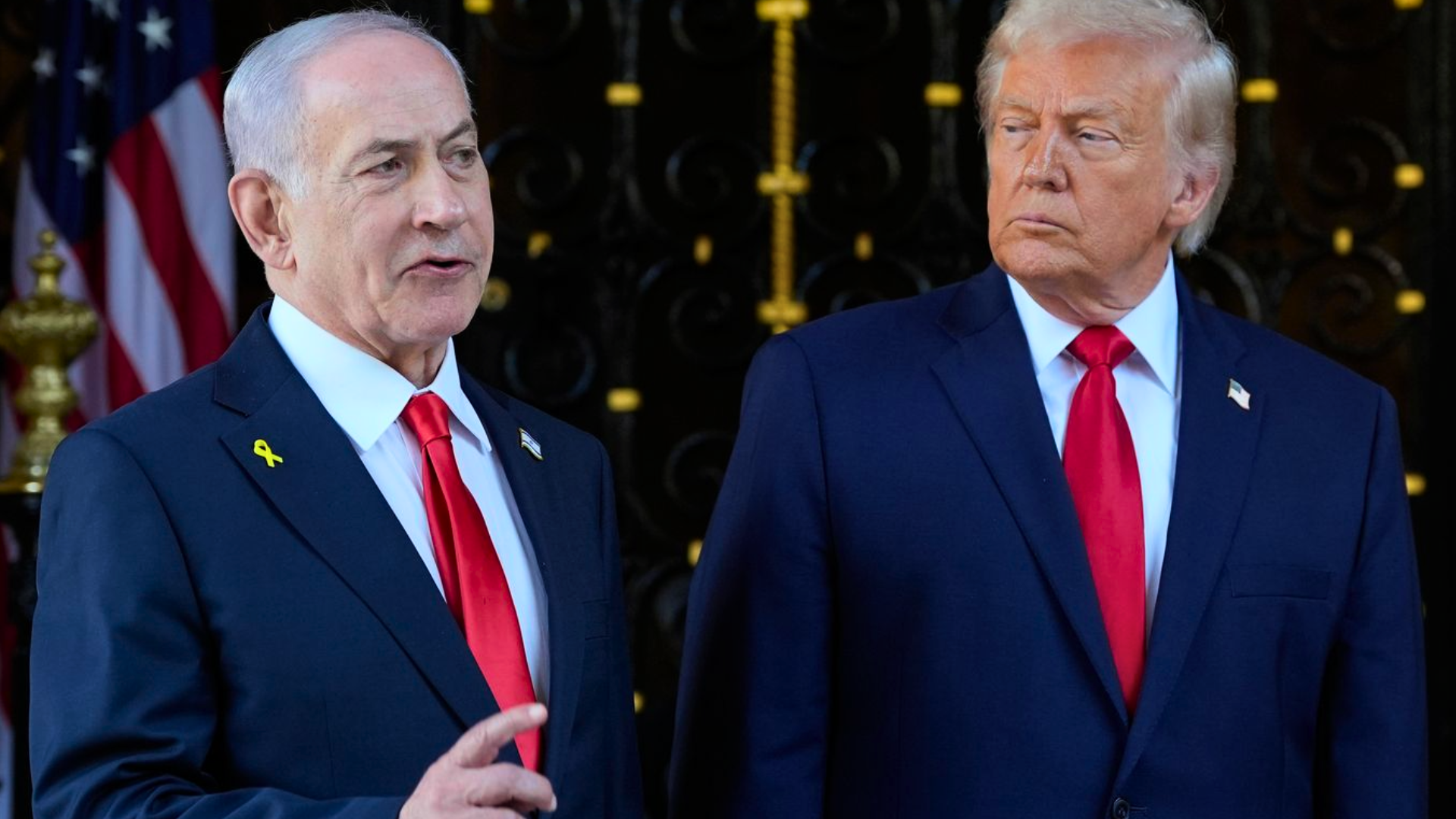
Israeli Prime Minister Benjamin Netanyahu appeared cautious in his first public comments since the deal was announced, admitting he had not yet seen all its details. Instead, he focused on what he described as Israel’s success in protecting the country “from the threat of nuclear annihilation”.
Netanyahu also reaffirmed Israel’s intention to maintain its military presence in areas seized during recent operations in Lebanon.
“And I want to make it clear, we will remain in the security zones as long as it takes to protect our country,” he said.
The position has raised concerns that Israel’s continued operations against Hezbollah could undermine efforts to reduce tensions. Fighting in southern Lebanon eased on Monday, although cross-border attacks continued, with Lebanon reporting casualties from Israeli drone strikes and Hezbollah claiming responsibility for rocket and drone attacks on Israeli forces.
Lebanese President Joseph Aoun welcomed the agreement, expressing hope that it would “put a definitive end to the cycle of violence, and establish a phase of stability, security, recovery, and reconstruction”.
The agreement also addresses navigation through the Strait of Hormuz, a critical global shipping route. The United States says the waterway will remain open and toll-free during the 60-day negotiation period, with Trump declaring it would be “completely opened” by Friday.
However, reports in Iranian state media have suggested Tehran may seek to impose shipping charges after the initial ceasefire period, highlighting continuing disagreements over the deal’s interpretation.
The agreement has received support from a number of international leaders and is expected to dominate discussions at the G7 summit in France.
Source: ABC News
