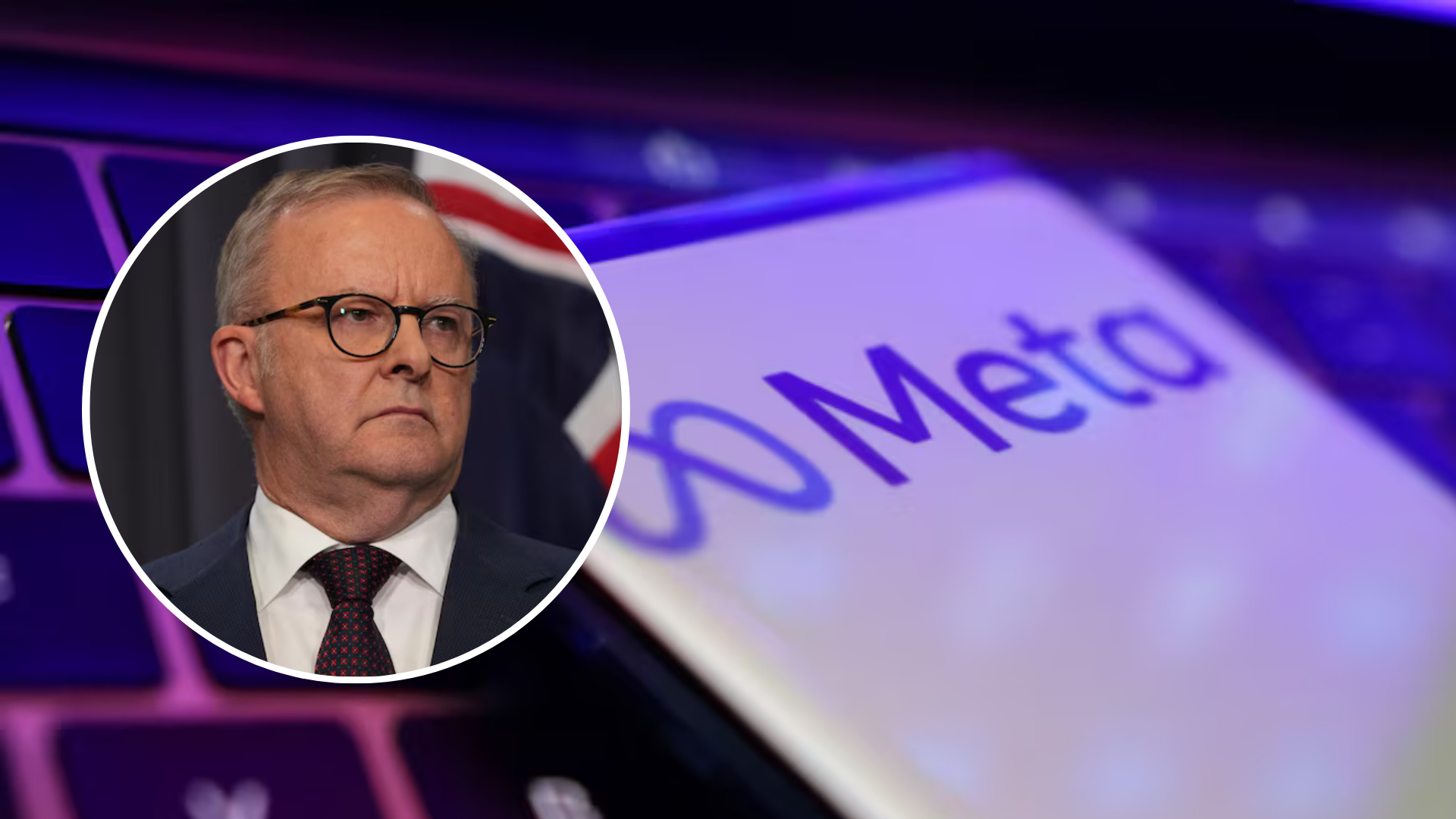
Meta has intensified its opposition to the Albanese government’s proposed News Bargaining Incentive, describing the plan as an “indefensible” and “discriminatory” tax as Canberra moves closer to introducing legislation aimed at securing funding for Australian journalism.
The proposed scheme would impose a 2.25 per cent levy on the Australian revenue of Meta, Google and TikTok. Companies could reduce that liability by entering tax-deductible commercial agreements with news organisations worth about 1.5 per cent of their revenue. The government estimates the measure could generate between $200 million and $250 million annually for media outlets employing journalists.
In a blog post published overnight, Meta said the policy was “poorly designed, grossly unfair, and will fail to deliver a diverse and sustainable news industry.”
“Call it what it is: a discriminatory, retroactive tax targeting a handful of foreign companies while competitors offering comparable services face no equivalent obligation,” the company stated.
Meta, which owns Facebook, Instagram, WhatsApp and Quest virtual reality products, argued the levy was being applied to a broad range of revenue streams with “no credible connection to news,” including sales of devices such as VR headsets and smart glasses.
“The case for extracting revenue from social media services – where publishers voluntarily share news – is not supported by the evidence. Extending that logic to VR headsets and smart glasses is indefensible,” Meta said.
The company further claimed the policy rewarded legacy media models over innovation, concluding: “This is not a plan to save journalism. It is a tax on innovation dressed up as media policy.”
Meta’s criticism comes as Treasury continues consultations with major technology and media companies. The proposal would supplement the News Media Bargaining Code introduced in 2021, which led Meta and Google to strike commercial agreements with Australian publishers before Meta withdrew from negotiations and threatened to remove news content from its platforms in 2024.
Australian media organisations have strongly backed the initiative. News Corp Australia chief executive Michael Miller said the government had pursued the policy because “Meta refused to sit down at the negotiating table.”
Nine Entertainment chief executive Matt Stanton added: “This initiative would be completely unnecessary if these companies simply adhered to existing Australian law, came to the bargaining table and reached deals for the fair use of our commercial property.”
The proposal has also attracted criticism from US business groups and the White House, which has described it as “foreign extortion,” although no retaliatory trade measures have been announced.
Google has continued to maintain and renew its commercial agreements with Australian media companies, while industry groups have called for the scheme to be expanded to include other technology giants such as Microsoft and Apple.
