A battlefield of memories, a diary for the world to read.
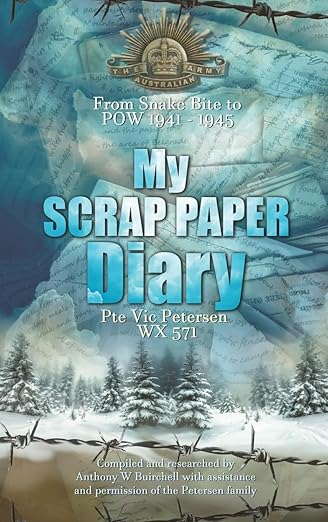
Through the eyes and hands of Australian Prisoner of War (POW) Private Vic Petersen ‘WX 571’, untold experiences from the Battle of Crete and beyond were recorded on scrap paper, as they unfolded.
Eighty-five years on, author Anthony Buirchell’s ‘My Scrap Paper Diary- From Snake Bite to POW’ not only resurrects these experiences, but saves the “only first-hand account” of Tymbakion ‘Transit Prison Camp V’ and ‘Lamsdorf Stalag VIII-B’ from being lost to obscurity.
Discoveries and breakthroughs
Anthony’s journey into the hidden stories of Crete’s wartime past began with an extraordinary discovery linking his family to the Greek-ANZAC alliance of WWII.
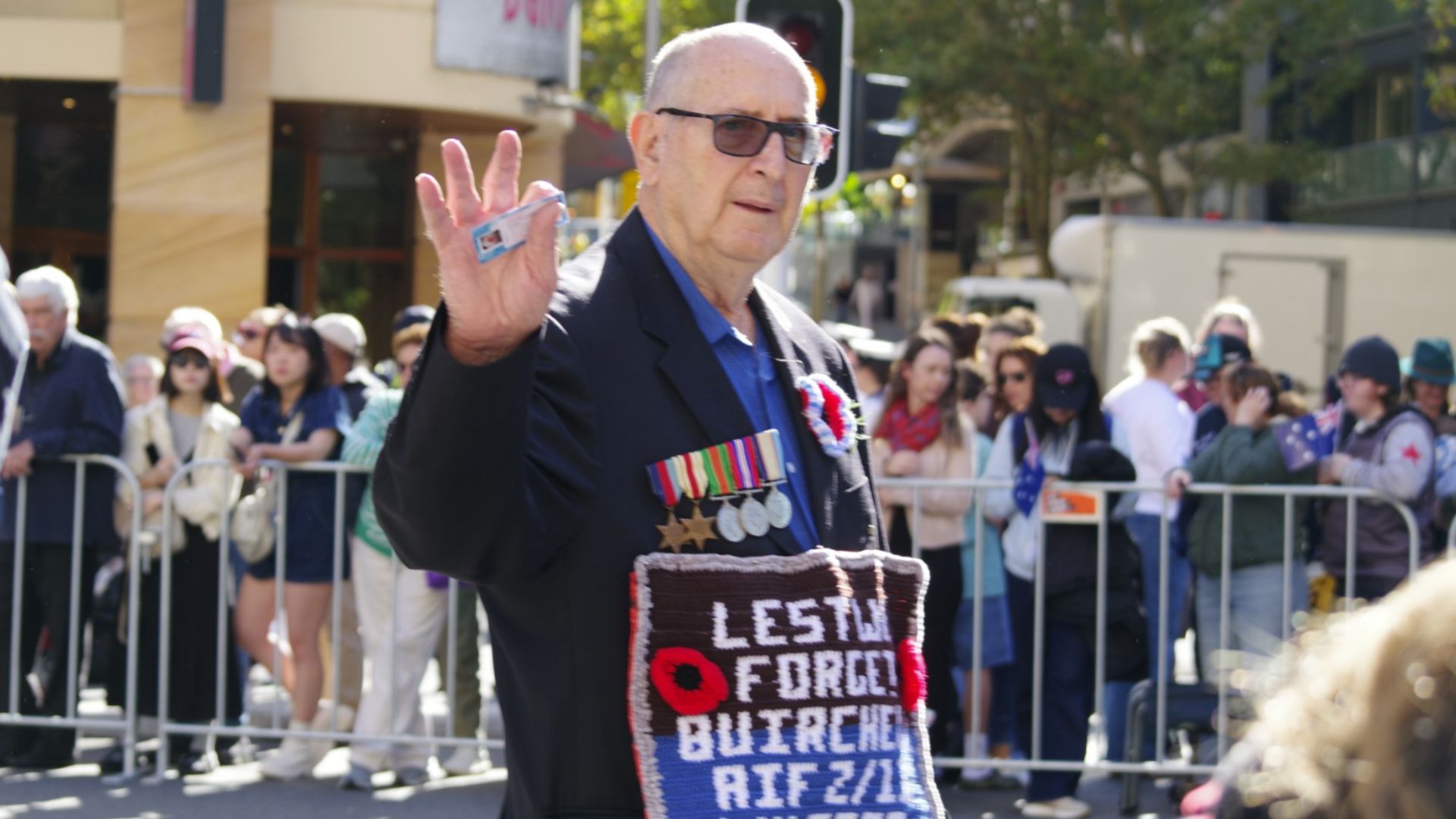
After uncovering his father’s signature on a pair of canvas war shorts handstitched during the war, Anthony was inspired to investigate further, tracing the stories of Australian soldiers who became “Spirited Away” on Crete in 1941.
The discovery marked the beginning of years of painstaking research into the lives, survival and rescue of Allied troops hidden by Cretan villagers during the German occupation — a project that would ultimately lead to his greatest breakthrough.
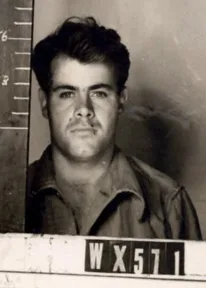
The family of Vic Petersen, whose name also appeared on the signed canvas shorts, shared his war diary of over 1,400 scrap paper notes.
Along with everyday life and conditions, “Vic’s notes named hundreds of POWs from Tymbakion and Stalag VIII-B,” said Anthony, reflecting on the significance of the records.
“It was breathtaking to see my father’s name listed (in German) …”
Driven by legacy and the power of scrap paper, Anthony pieced enough together to publish two books about the Allied POWs; his most recent, spotlighting Vic’s journey.
1440 scrap paper notes
Vic, like Anthony’s father, grew up in Western Australia. He served with the 2/11th Battalion during WWII and witnessed the German invasion of Crete on May 20, 1941. After a brief escape further south, he was captured by German paratroopers.
From June 6, Vic began writing down everything he witnessed, ‘hiding each piece of paper in his knapsack’ for over four and a half years.
One entry highlighted among Anthony’s published works reveals a Tymbakion covert airfield project involving his father. Between September 12 and December 29, 1941, 151 POWs ‘were forced to work under threat by the Germans’, as described by Vic on November 15, ‘41: ‘…again, working on an airfield, under protest, and threatening to shoot ten men if we refuse to work, and of course, men with rifles prevailed.’
“These people were treated as slaves”, Anthony said, echoing Vic’s words. “Not paid, fed poorly, and lived rough”.
Vic was later shipped to German prison camp Stalag VIII-B until 1945, being ‘one of the last men to leave Crete’.In May of ’45, he was finally free, returning to his home in Western Australia with 1440 pieces of scrap paper. Over the decades, Vic’s daughter-in-law, Jacky typed out the notes chronologically, recognising their value to researchers.
‘Oil’, featured in ‘My Scrap Paper Diary’, “is where Vic’s general knowledge shone”, Anthony recalled from the notes. “His news shared insights presented from both German and Allied perspectives”.
Vic also wrote about his own life, expanding on the notes to detail the ‘Trials and Tribulations’ of war and beyond. These pages further guided Anthony’s 592-page book while emphasising the generosity of the Greeks and Cretan people:
‘Times were hard … had it not been for the Greek and Cretan population, on leaving food at night in the holes where we were grubbing out the olive trees … things would have been a lot worse’.
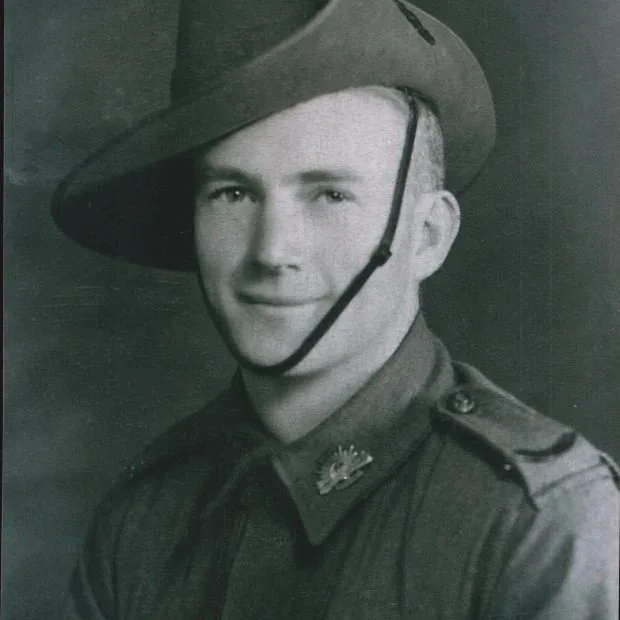
Honouring a legacy
Unlike any official military records, Vic’s writings capture the raw challenges of a soldier surviving through captivity. They offered Anthony a deeper link to his roots, and the world an irreplaceable, intimate glimpse into this period marking the Cretan and Australian legacy foreve
“My effort here was to ensure the diary and the soldier Vic was to be saved and available for all who were interested”, said Anthony, who was given permission by the Petersen family to publish original material.
Vic’s son, Colin, shared his “delight” over his father’s words in published form.
“Dad would be proud to say thanks to the person who took his diary and the ‘Trials and Tribulations’ writings and presented a book that would immortalise his life”.
To mark the 85th anniversary of the Battle of Crete, Anthony and his partner, Deb are traveling there to help preserve and honour the stories of those who “fiercely defended” the island, aiming to inspire future generations.
“We look forward to turning stories and places into reality,” said Anthony, excited about the future. “And meet Cretans who were thankful to the allies for helping their land.”
