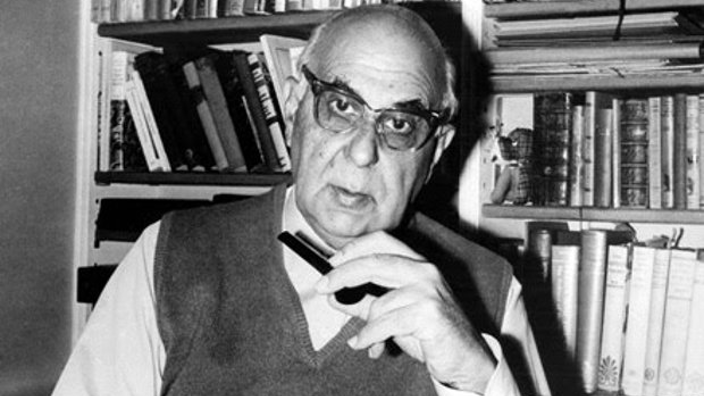
Giorgos Seferis: The Nobel Prize-winning poet

·

By Victoria Loutas

Giorgos Seferis was the first Greek poet to be awarded the Nobel Prize for Literature. We take a look back at his incredible life.

Early Life:

Seferis was born in 1900 in Smyrna Greece. He attended school in Smyrna before his family settled in Athens in 1914 to escape the devastation of World War 1. 

His family later moved to Paris in 1918, where Seferis would go on to study Law at the University of Paris and discover his passion for literature. 

Literature work:

In 1926, Seferis was appointed Greek Minister of Foreign Affairs, a role in which he served until 1931, when he was appointed to the Greek Consulate in London. He later held post in Albania from 1936 to 1938.

His international travels and connection to Greece were the inspiration for much of Seferis’ writing, which is filled with themes of isolation, wandering and death. 

He began writing his early poetry in 1931, which consisted of Strophe (turning point). His mature poetry explores the sense of awareness, particularly of Greece’s great past. 
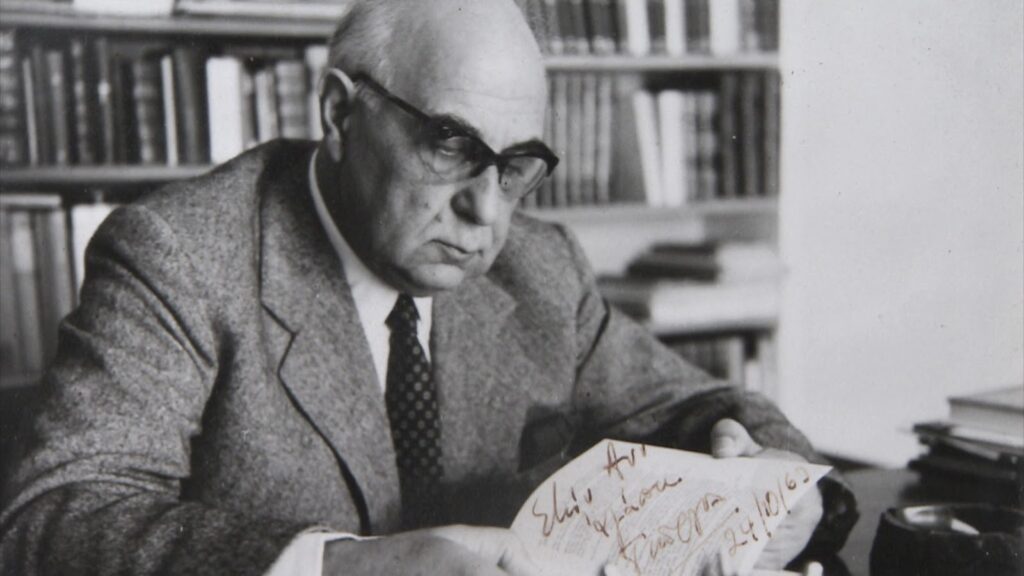
Photo: Greek News Agenda

In addition to writing poetry, Seferis published a book of essays (Dokimes) in 1961. He also published a collection of his work and translations of works by T.S Eliot and other French, English and American poets entitled Antigrafes (copies) in 1965. 

In 1963, Seferis was awarded the Nobel Prize in literature, demonstrating the impact and success of his poetic career. 

Death and Legacy:

In 1969, Seferis publicly took a stand against the Dictatorship of the Colonels in Greece. His funeral, on September 20, 1971 was turned into a mass demonstration against the military government. 

Seferis’ contributions to diplomacy and to the art of literature will always be remembered and cherished.

Share:

KEEP UP TO DATE WITH TGH

By subscribing you accept our Terms of Service and Privacy Policy.

Latest News

Debate grows over Archbishop Makarios’ comments on Greek language in Orthodox liturgy

A debate has emerged within the Orthodox community in Australia after Archbishop Makarios reaffirmed the importance of Greek in liturgy.

Bridging borders: John Tripidakis on protecting Greek assets from abroad

For many Australians with ties to Greece, managing legal matters across borders can feel complex, confusing, and at times overwhelming.

Dimitra Skalkos on Ouzo Talk: The reality of running The Greek Herald at 100

As The Greek Herald enters its 100th year, the milestone marks a century of continuous publication serving the Greek Australian community.

Open letter urges constructive path forward for Macquarie Greek Studies Foundation

In an open letter, Leon Bombotas reflects on the future of the Macquarie Greek Studies Foundation following its entry into voluntary admin.

‘Untamed Voices’ sells out, delivering a powerful tribute to rebetiko and female expression

The 44th Greek Festival of Sydney proudly presented Untamed Voices on Sunday, April 19, 2026, at the iconic Factory Theatre.

You May Also Like

Beyond sheftalies: Cypriot Australian youth keep reunification flame burning 50 years on

Young Cypriot Australians, born decades after the Turkish invasion of Cyprus in 1974, are grappling with the conflict’s enduring legacy.

Magna Graecia – Part 4: From Colony to Colossus: Syracuse and Hellenism in Sicily

Syracuse (in present-day Sicily) was founded in 734 BCE by settlers from Corinth and Tenea, led by their oikist (founder), Archias.

Paul Nicolaou questions push to alter QVB stained-glass shopfronts

A proposal to remove the coloured-glass tiles from Sydney’s Queen Victoria Building (QVB) has drawn criticism from Paul Nicolaou.