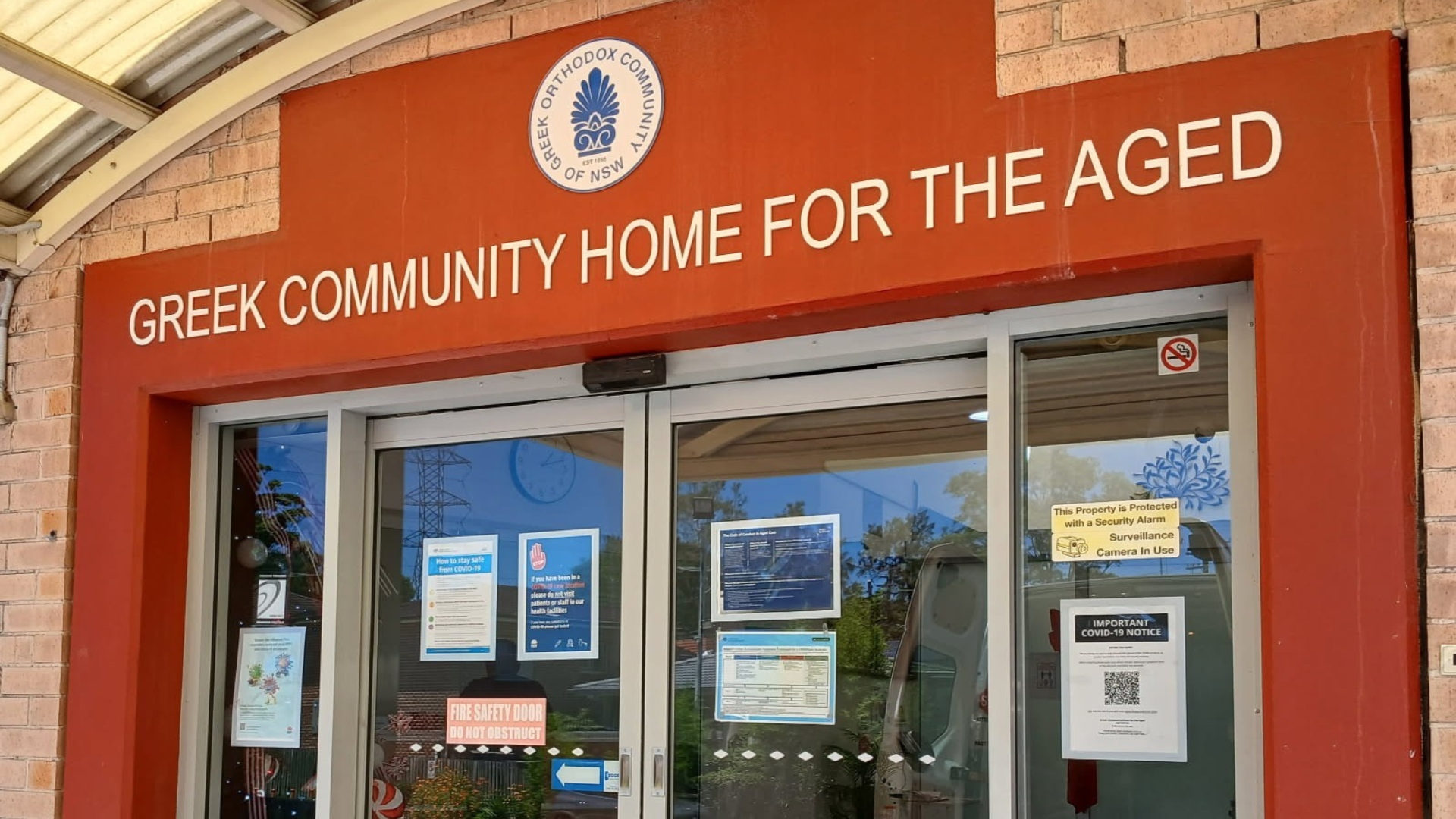
For many families, the decision to transition a parent into aged care is among the most emotionally difficult they will ever face. For one Sydney woman, that journey has led to reassurance, gratitude, and renewed confidence in the care her parents now receive at the Greek Community Home for the Aged in Earlwood.
In a letter shared with The Greek Herald, the daughter of residents described an environment that feels less like an institution and more like an extension of home – grounded in warmth, familiarity, and values deeply rooted in Greek culture.
“From the moment you walk through the doors, you are met with a warm smile and a heartfelt welcome,” she wrote, describing an immediate sense of comfort that reminded her of family life and community in Greece.
Beyond atmosphere, the woman highlighted the importance of professionalism and consistency in aged care, particularly for families navigating complex emotional transitions. She noted that visitor protocols and safety procedures are managed smoothly and without stress, offering families peace of mind that their loved ones’ wellbeing is always prioritised.
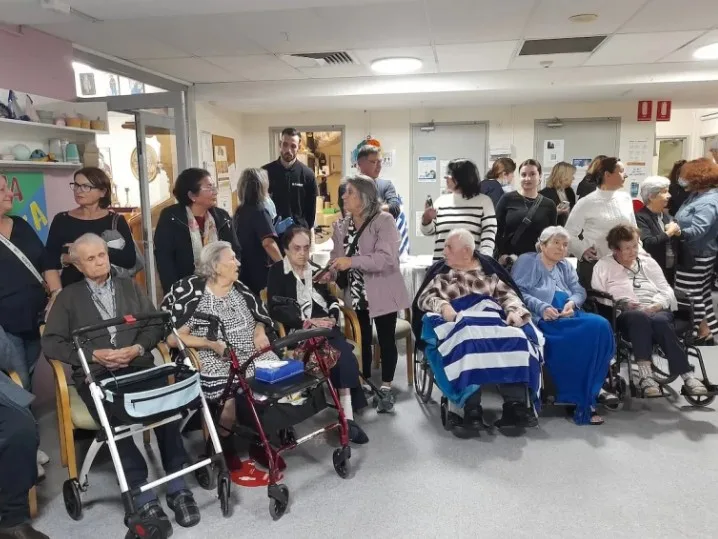
She also acknowledged the role of leadership and frontline staff in supporting families during what can be an overwhelming period. According to the daughter, clear communication, compassion, and understanding made a significant difference – not only in the care provided to residents, but in the confidence families felt when entrusting their parents to others.
Like many in the Greek Australian community, the woman explained that she had hoped to care for her parents at home for as long as possible. Accepting that their needs had changed was deeply emotional, and finding a place where they would feel safe, valued, and culturally understood was not a decision she took lightly.
The Greek Community Home for the Aged ultimately became that place.
Knowing her parents are now surrounded by caring staff, familiar language, meaningful daily experiences, and a strong sense of belonging has brought her comfort and reassurance. She also noted the importance of shared meals and food that reflects cultural traditions – an element often central to wellbeing in later life.
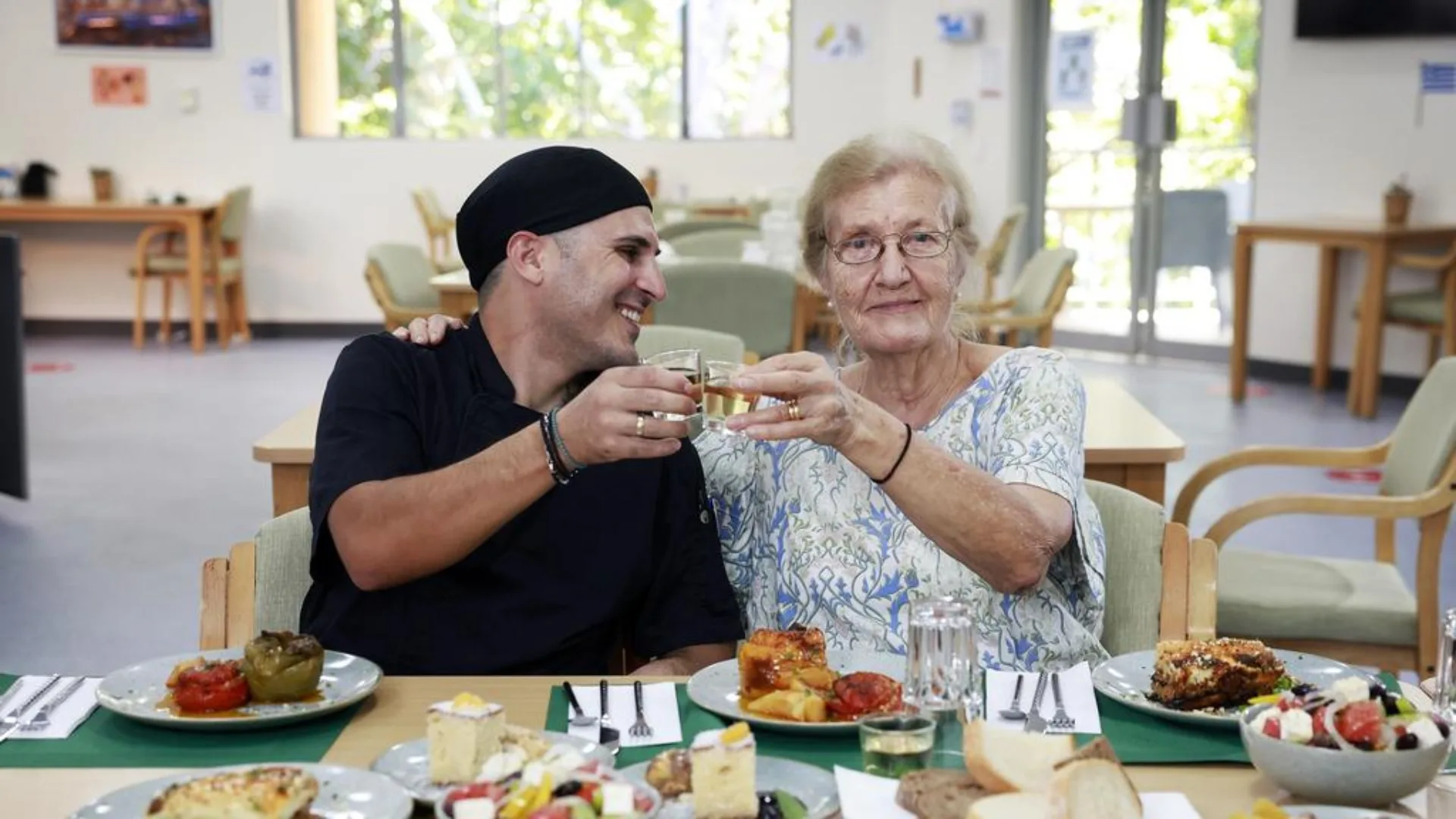
The quality of food and daily care mentioned by the family member reflects broader assessments of the Home, which was previously recognised as one of the top facilities in New South Wales for food quality.
The Home, established and supported by the Greek Orthodox Community of NSW, was described by the daughter as a reflection of decades of dedication, foresight, and communal responsibility.
“I am deeply grateful for what has been created here,” she wrote, expressing hope that the Greek Community Home for the Aged will continue to be protected and nurtured as a place of dignity, care, and pride for generations to come.
As Australia’s population continues to age, stories like this serve as a reminder of the importance of culturally appropriate aged care – not only in meeting physical needs, but in preserving identity, language, and a sense of belonging.
