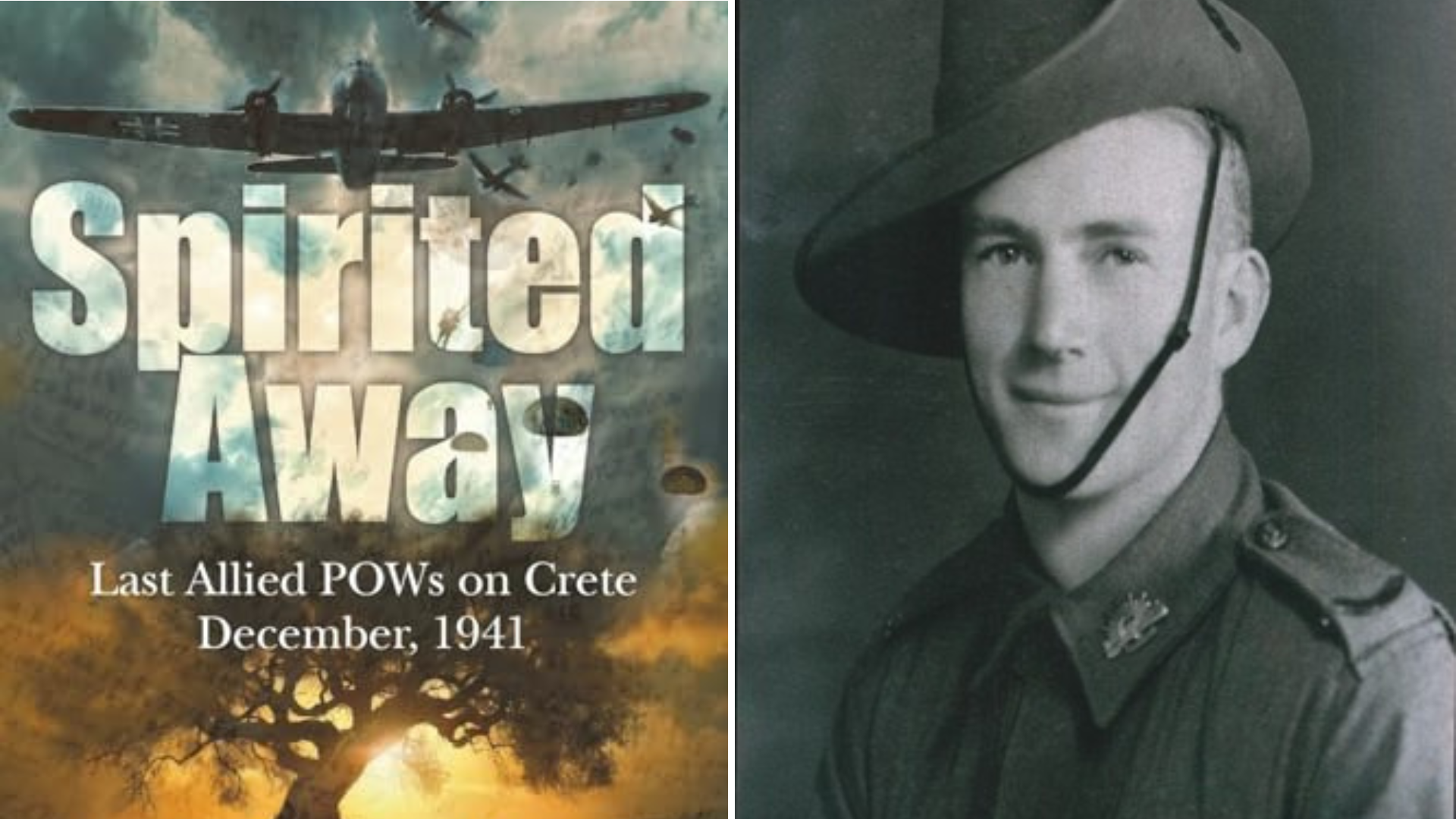
From seasoned educator and author, Anthony Buirchell comes a historical fiction novel five years in the making, delivering nostalgic research that resurrects the spirits of the men who fought on Crete in 1941.
Through the lost and found, and a devoted quest for truth driven by his own generational roots, Buirchell’s approach allows for pivotal perspectives to guide readers in a time of “supreme sacrifice” and “genuine humanity.”
Investigation meets sensitive curation in all 24 chapters, as the book’s cover casts an intense yet fading imagery of armed, allied soldiers on the battlefields of WWII – just some of the 151 Prisoners Of War (POWs) who became Spirited Away.
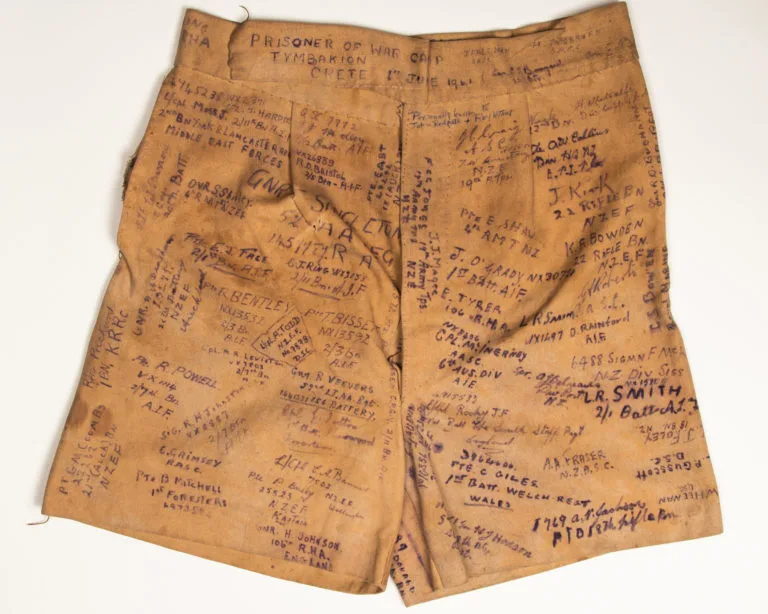
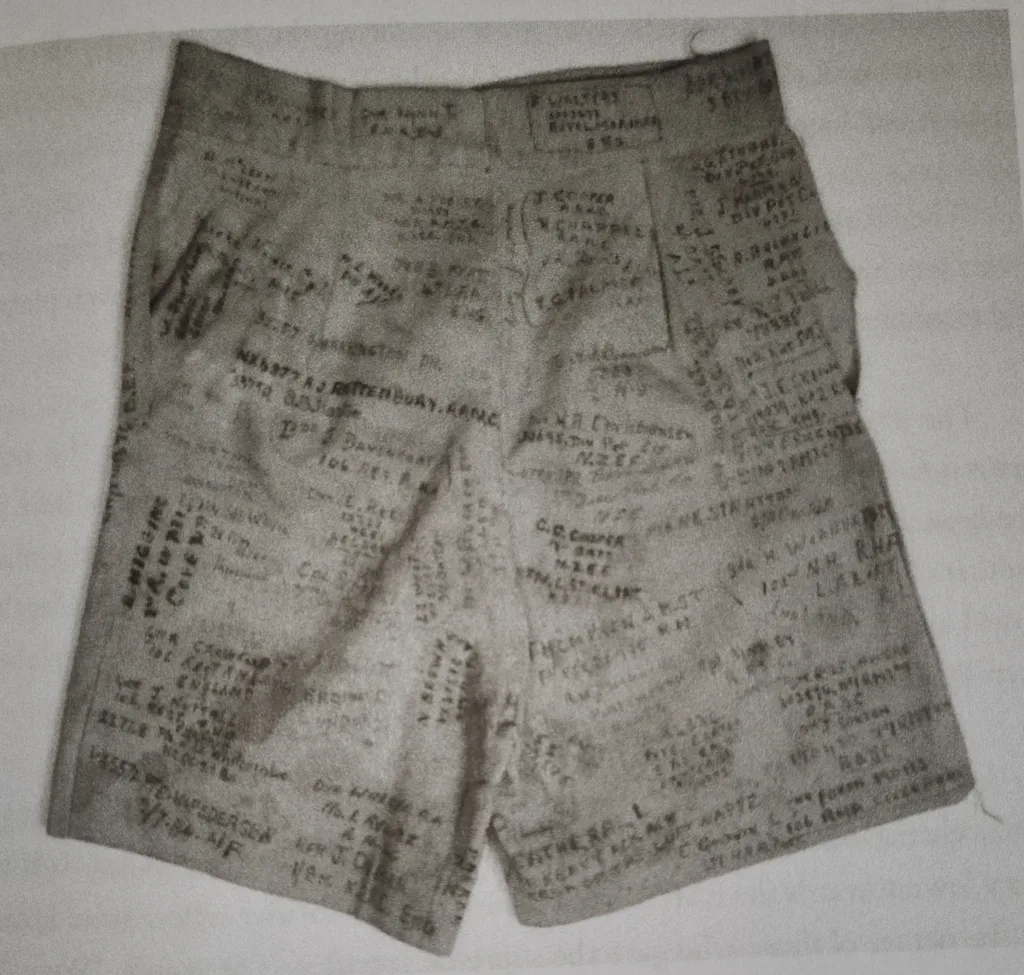
Buirchell begs the question on all our lips, “who were these men?” with part of the answer lying in a cupboard for eight decades written in the form of 125 signatures on a pair of “forgotten, hand-stitched” canvas shorts, featured inside – “a researcher’s treasure trove.”
Written under a pseudonym, researcher and finder of the shorts, Andrew Jones’ theories on what exactly transpired in this turbulent “Tymbakion story” could only be made possible by two things; the masterful tailoring of Private Albert “Bert” Edward Chamberlain; and the “breakthroughs” from families, including that of Vic Peterson, who’s “scrap paper” notes turned determining diary entries act as the “only first-hand account” of “Lamsdorf’s Stalag VIII-B”.
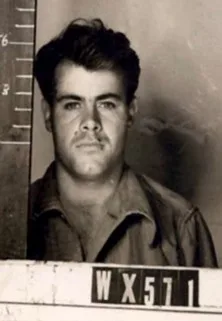
Buirchell’s father himself, William Roy “Bonnie” Buirchell who only briefly escaped enslaving incarceration, is also central to deciphering what was witnessed across the fragmented and “windswept” south coast of the island.
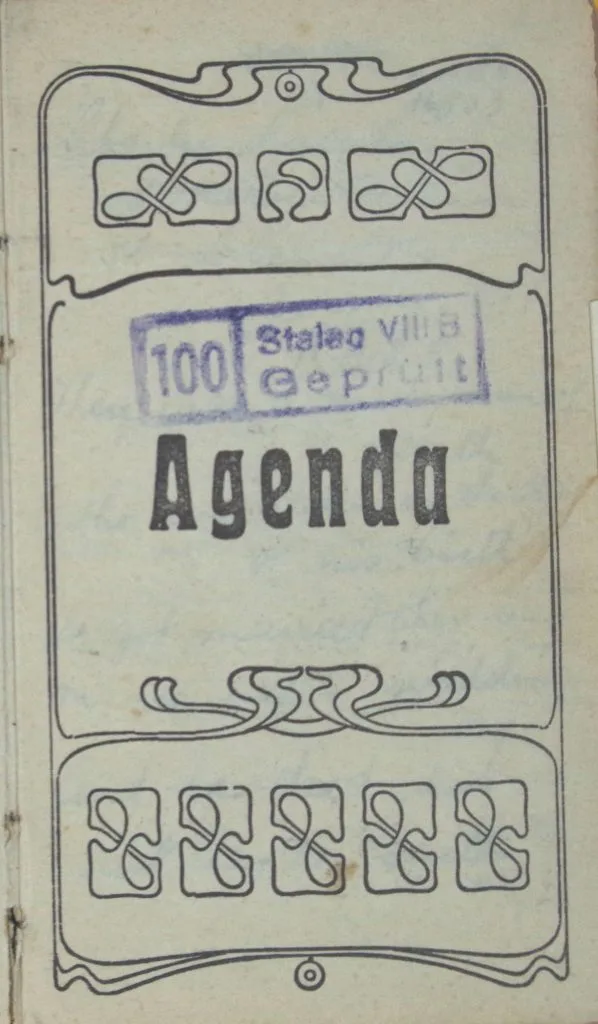
Readers will be stationed “behind the wire” as they learn to endure the “brainwashing” tactics of “Nazi Germany,” Mussolini’s Axis, the “pretence of Stockholm Syndrome,” malaria induced mosquito bites, burying bodies in gruelling heat, all while avoiding the “kaleidoscope” of devastatingly invasive “Operation Mercury” strafes.
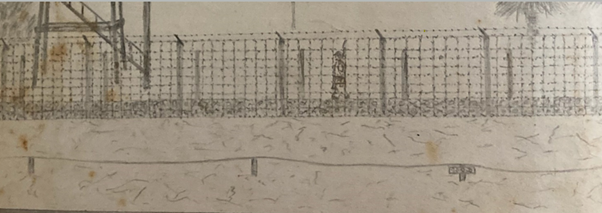
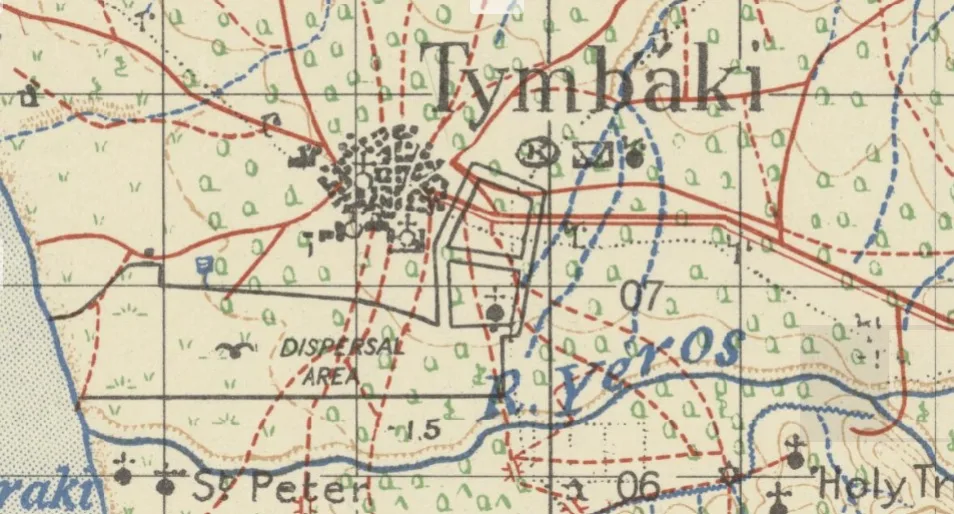
In addition, the “shrunken stomachs” digesting menacing threats to “work or be shot” further engage with audiences sense of survival, as each page exposes “shocking truths” of a “heinous” covert airfield built off of the rubble of a nearby town – certainly “not for the faint hearted.”
Imagining the POWs lives pre-war provides respite to the tent-dwelling, traumatising journey for many Allies of the ANZAC countries and UK across North Africa through Greece, who saw their “baptism of fire” amid burning olive trees, still searching after months for home in the stars above.
The author arms audiences with a patriotic backbone while emboldening the essence of “magnanimous hospitality” and “philoxenia” from the local Cretan people, whose greatest ammunition was undoubtedly their unwavering altruism, even as “their world collapsed around them.”
Working as the front line of the unfolding narrative, each surrendering wound and echo of the Maori “Haka” war cry is tended to with formidable camaraderie and inevitable bonding amongst the atmospheric and “magnetic waters” of Souda Bay.
Historical references to WWI treaties, the 2/11th Australian Battalion, political ties with Winston Churchill, the “Long March,” and the incorporation of book excerpts including from “To War Without a Gun” and “We Band of Brothers” build an unabridged ambience, where “real champions” and “real heroes” could be just as recognised as a white flag of truce.
Threading it all together, Buirchell’s poignant and examining style emphasises the significance of how time passes in a period of “breathtaking bravery” that most might not even know about unless recorded, making space for absence to become presence.
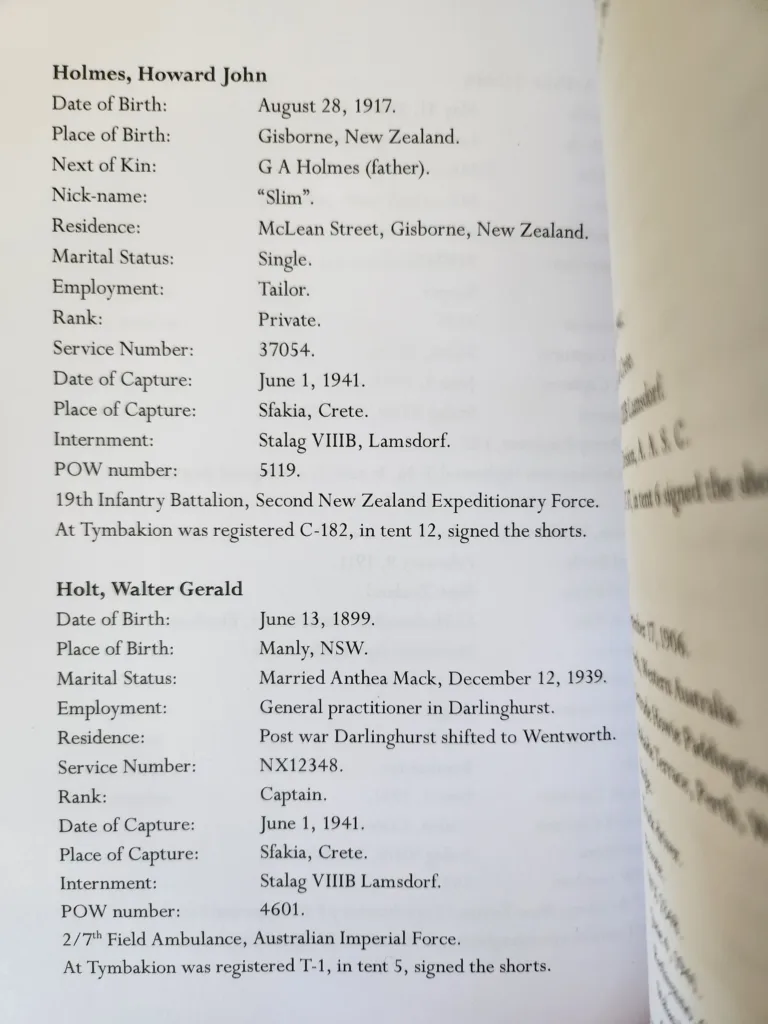
He dedicates an entire component of the book to census figures, specialised notes, and individual profiles at the end, listing the recruits from their “Date of Birth”, “Rank”, and “POW number” through to “Date of Capture”, while opening a line to the public for help with filling in any gaps where there is missing information.
As the calendar approaches April 25th each year, a commemoration like no other prepares to take place in Australia, New Zealand and Tonga, among other islands, known as Anzac Day. Buirchell’s goal is similar, through honouring these now veterans in the form of written remembrance.
His purpose – to find the truth; to honour, and to remember the last men to leave Crete that served.
“Many a tear” will forever be shed for those who did not come home “but remained in the hearts of those here.” Many a tear will forever be shed for the land and souls of Crete, which once appeared, and still resiliently appear today, as one, united.
For those who wish to pay tribute to a family member and share information please visit: www.prisonersofwarcrete.com call Anthony on 0422 434 307 or email: jumper11@live.com. Please also take the time to explore the Returned Soldiers League (RSL).
