Walking down Swanston Street, you’ll likely see Melburnians rushing through life. Some will have their heads buried in their phones, and others so deep in conversation they barely acknowledge the world around them. There is no doubt that Melbourne is a thriving city, bursting with professional and personal opportunities.
Such opportunities are what led post-war Greeks to migrate to Australia and settle in a country where there is more than just the ‘village life.’ The empowerment in this move is one second and third generation Greeks know all too well. They grew up hearing how this migration was to enrich their lives in a foreign country. Despite leaving behind their homeland, an emphasis was always placed on how such a transition should be valued and respected.
Many young Greek Australians now count the days between their holidays to Greece, desperate to return to the place their ancestors grudgingly left. With standard 9-5 jobs providing limited annual leave, it’s no wonder there is a pull to spend this precious time off in paradisial Greece.
I began my search to speak with young Greek Australians who felt their four week holidays weren’t enough and chose to move to Greece. I was curious to hear about their desire to live a quieter life and embrace the country’s laid-back nature and picturesque landscapes. While I was unable to find a young Greek Australian who had made the move permanent, I came across Joanna Angeletos, who turned her holiday to Greece into a personal creative project.
Joanna spent her time in Greece connecting with family and enjoying a quiet break from Melbourne’s bustling city. Joanna had heard many stories from her pappou about the film camera he used on his trip to Greece in the late 1960s, a camera later used by many other family members. It was this camera which sparked Joanna’s interest in photography and she said, “it only felt right to go and take some images of [her] own.”
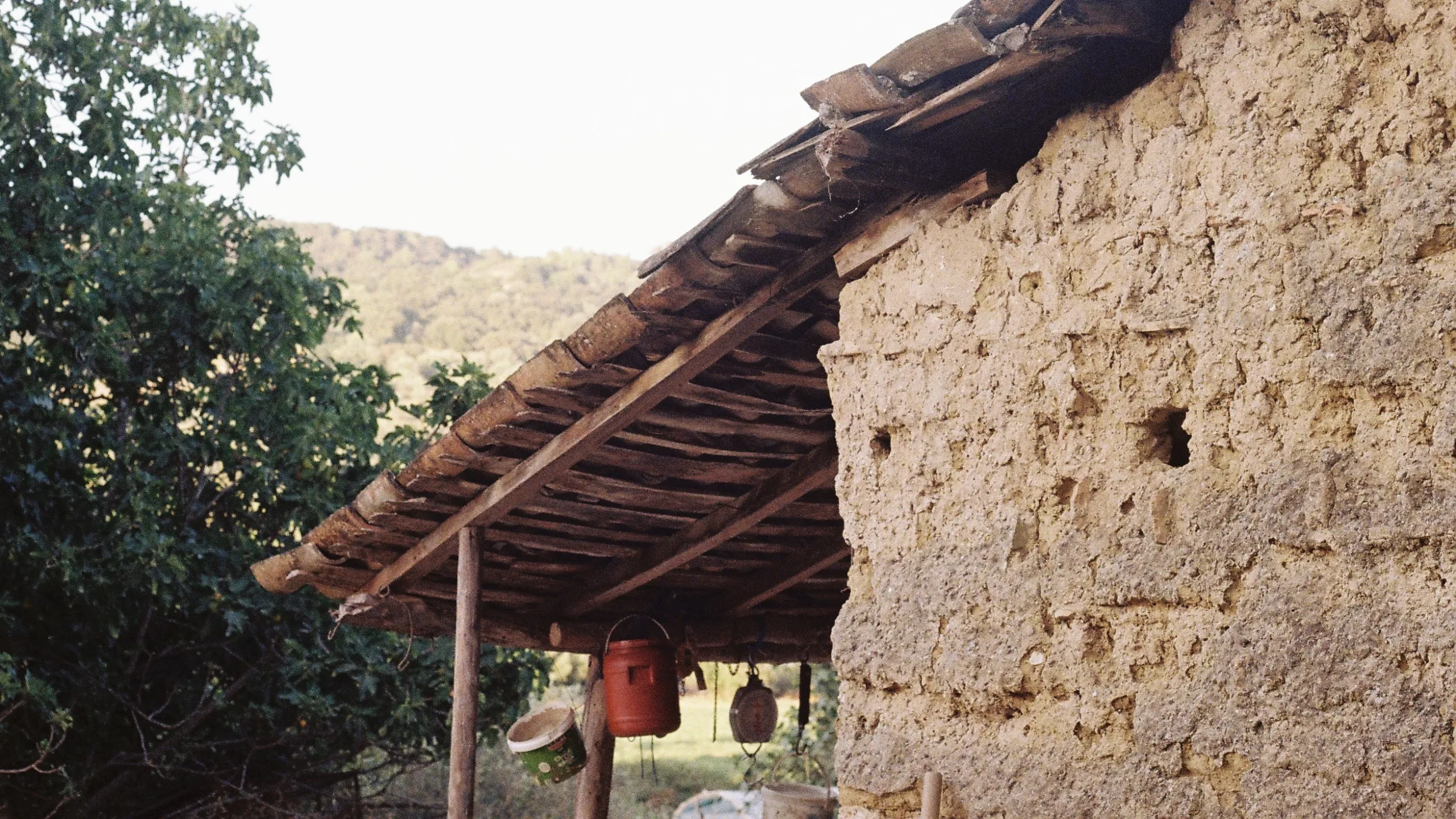
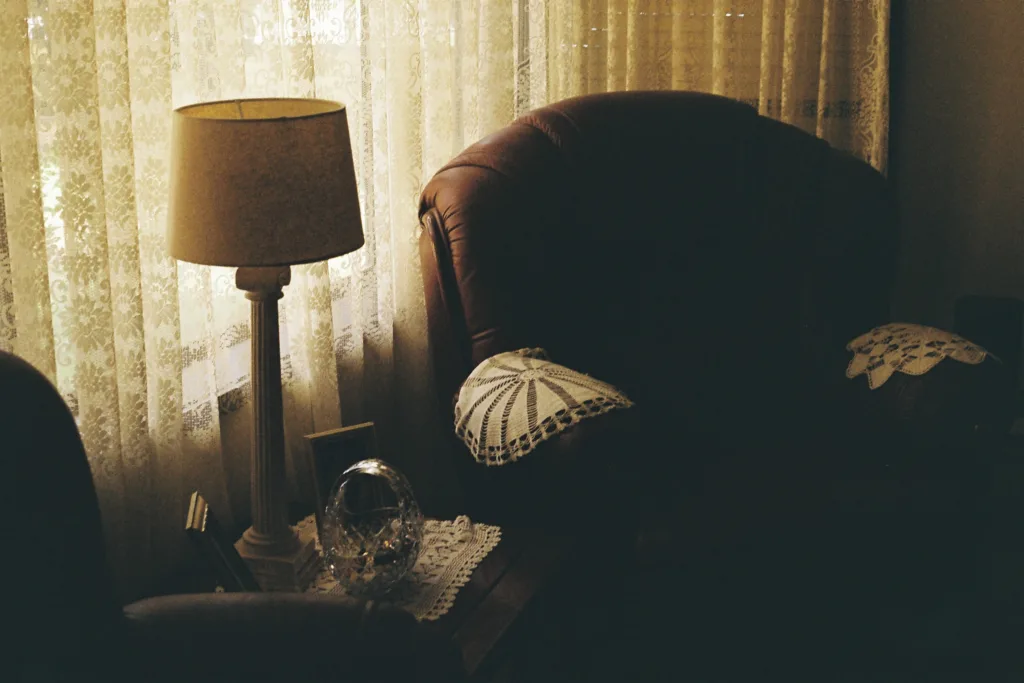
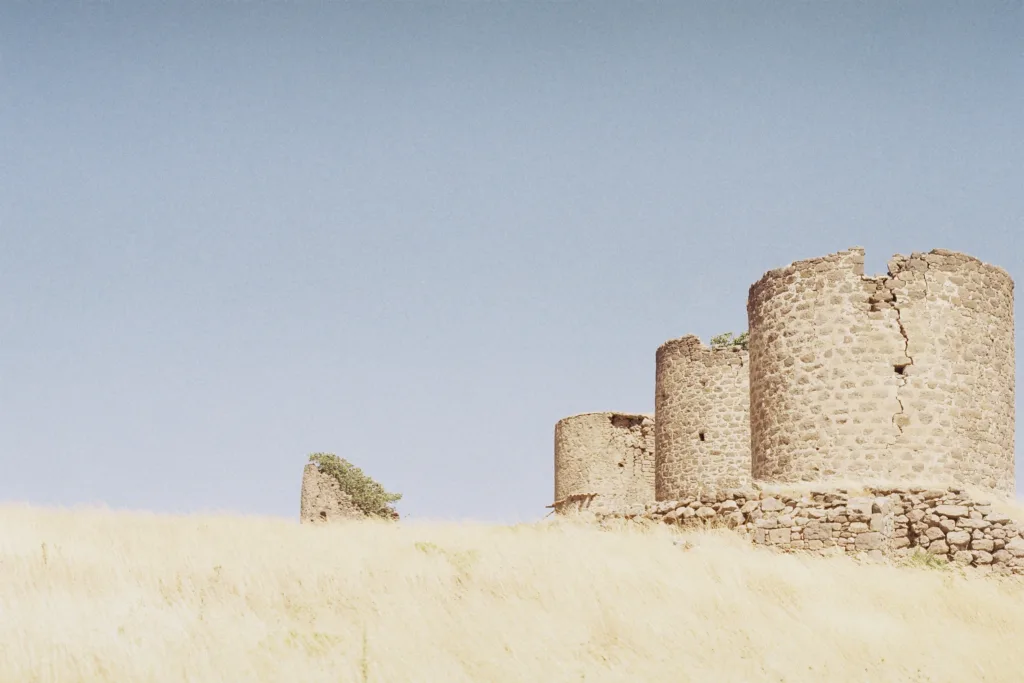
With her yiayia having recently passed away and never having visited her yiayia’s village in the Peloponnese, Joanna shared that this was a “very personal and fulfilling experience for her.” She had a goal to “document the pre-migrant life, buildings, and essence that had been left relatively unchanged in the villages.”
When asked if this project has made Joanna consider moving to a village in Greece, she said she wouldn’t “permanently uproot her life,” despite finding it enticing to move away from the “hustle and bustle” of Melbourne. Joanna speaks warmly of her family’s village and fondly recalls the “filotimo and neighbourhood friendliness” she experienced on her trip, which she believes is “much more rare in Melbourne” where people don’t “take a step back to appreciate life as it is.”
Joanna reflected on how the presence of a parea (friendship group) enhanced her experience, sharing that she “can imagine that it may feel more isolating if there aren’t others around.”
While Joanna would also “love to have a house in the village one day… to be used by future generations,” it seems that the connection with those around us is where internal peace lies regardless of being in a busy city or calming village.
Regarding the future of Joanna’s project and capturing the village life, she shared that she is working to improve her photography skills and hopes to “create a bigger narrative of the migrant experience” by exploring the village houses of other families.
This project is something Joanna holds close to her heart.
“I want to make sure these moments don’t get lost—one day these houses will be sold, or demolished, and I want my kids to be able to see where I, my parents, and grandparents grew up and created a life. It is a very nostalgic project for me,” she said.
While young Greek Australians might not be making the move to a quiet Greek village, Joanna’s creative journey shows they are still keeping the culture alive through any avenue possible.
You can follow Joanna’s film journey and photographic preservation of Greek villages on Instagram @ioannas.film
