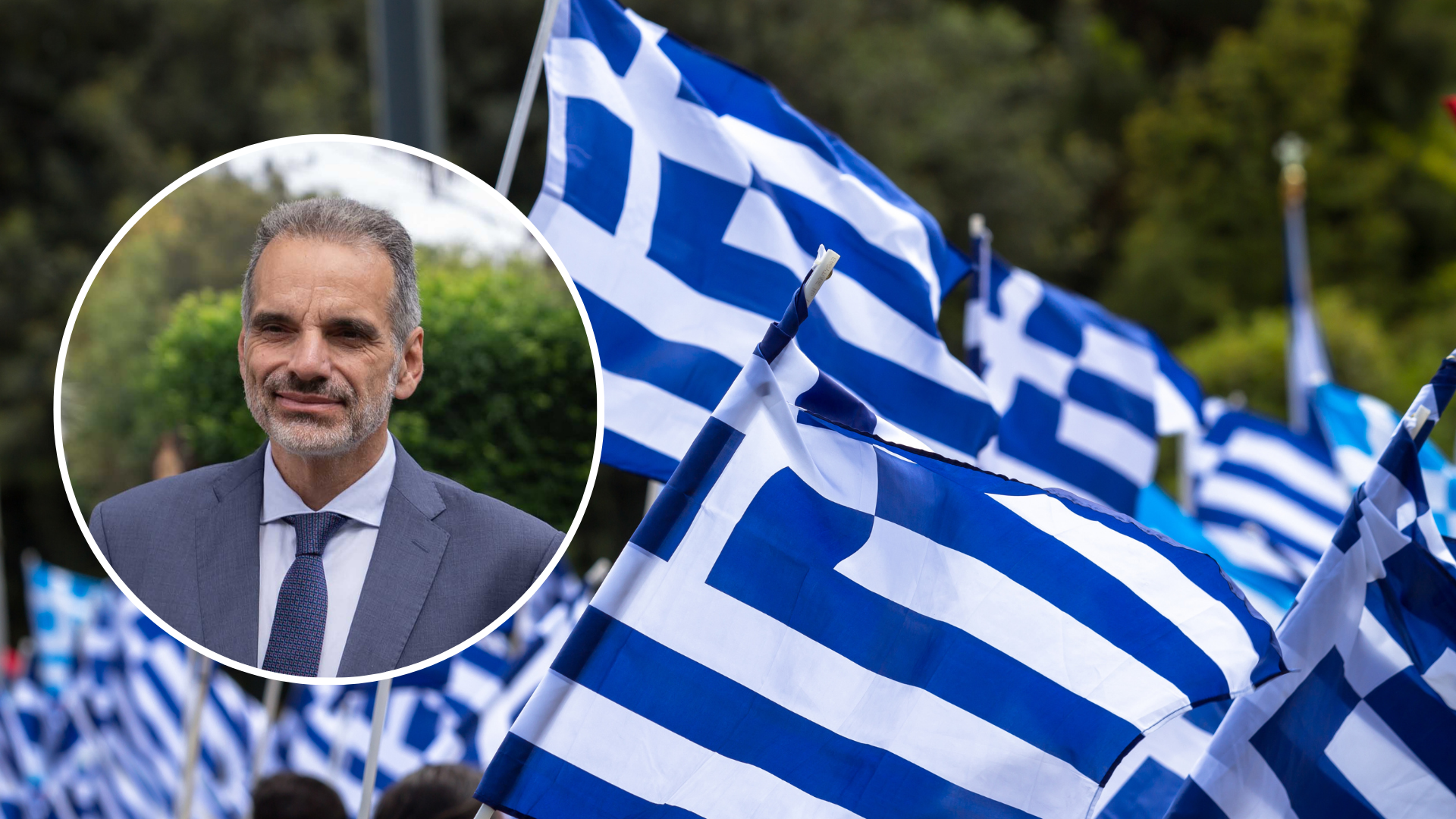
Greece’s Ambassador to Australia, Stavros Venizelos has issued a message for OXI Day, emphasising the strong historical bonds between Australia and Greece.
Full message in English:
The message of October 28, 1940, is timeless. Throughout our long history, Greeks have taken up arms against superior forces many times when it came to defending our homeland. The resistance against the powerful Axis forces, who sought to undermine Greece’s national sovereignty, was self-evident for Hellenism. The intense political divisions of the time were set aside in the face of the nationwide effort against the invaders. First, the epic of Albania, followed by the resistance against the occupiers, not only in Greek territory but also in North Africa, continues to inspire and evoke admiration to this day.
Every Greek family remembers a story from the war and the occupation. As a child, I listened to my parents recount the enthusiasm of the Greeks, their heroism, but also the hardships and sufferings of war. We honour our many heroes. We remember their names and will never forget their sacrifice.
With the end of World War II, the Dodecanese islands were united with Greece. However, for Greeks, the victory had a bitter taste, with incalculable destruction, loss of human life, and a long civil war. During the following two decades, many Greeks—our fathers, who lived through those heroic and difficult years—emigrated to Australia in search of a better future. The welcoming land of Australia became home to yet another generation of successful Greeks.
After the First World War, the Second World War further intertwined Australia’s fate with Hellenism. The participation of the ANZACs in the Battle of Vevi in Macedonia and the Battle of Crete has forged the relations between the two countries and peoples for decades.
The sacrifice of the Greeks and Australians was not in vain. It laid the foundation for the formation of the post-war world, with the establishment of international organisations such as the United Nations, aimed at peace, security, prosperity, cooperation, and the implementation of international law. Greece, Australia, and much of the world have enjoyed and continue to enjoy peace and prosperity for more than 70 years.
Today, in a period of international polarisation, geopolitical competition, and conflicts that undermine the post-war system, the example of Greece’s heroic struggle reminds us of the importance of peace and the need for tireless efforts to maintain it.
Best wishes!
