On this day: The destruction of Psara

·

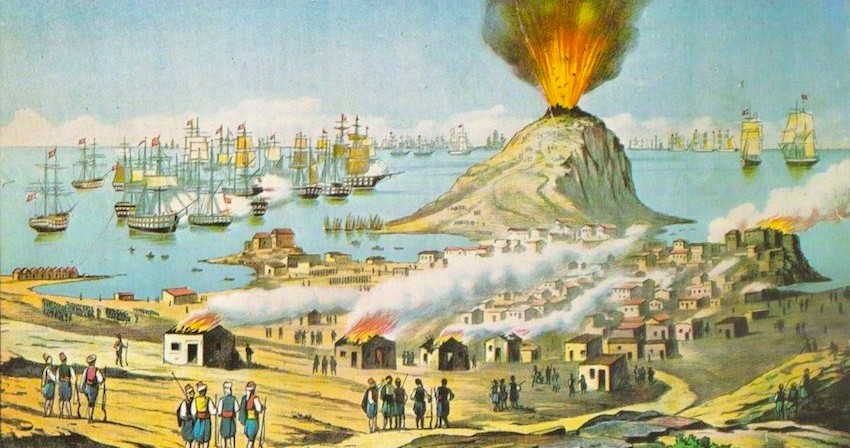
On the morning of June 20, 1824, the Turkish fleet began the destruction of Psarra, signifying one of the biggest blows to the revolutionary effort.

The Turkish fleet comprised of 176 ships (warships and transports), carrying 17,000 Turkish and Albanian troops. The forces defending Psara included 1,300 Psarians, 700 refugee troops, and 1,027 mercenaries from Macedonia and Thessaly. The island’s 100 ships were a sizeable force that posed a thorn in Turkish naval operations.

The beaches were organised with cannon emplacements and trenches. All defences were prepared well, apart from one tragic mistake. In trying to placate the mercenaries, the locals agreed to remove the rudders from their significant fleet, thus rendering their ships useless.
Despite strong naval bombardment, the Turks were unable to land their troops on the Greek island. However, naval scouts found they could disembark at an area called Cavo Markaki.

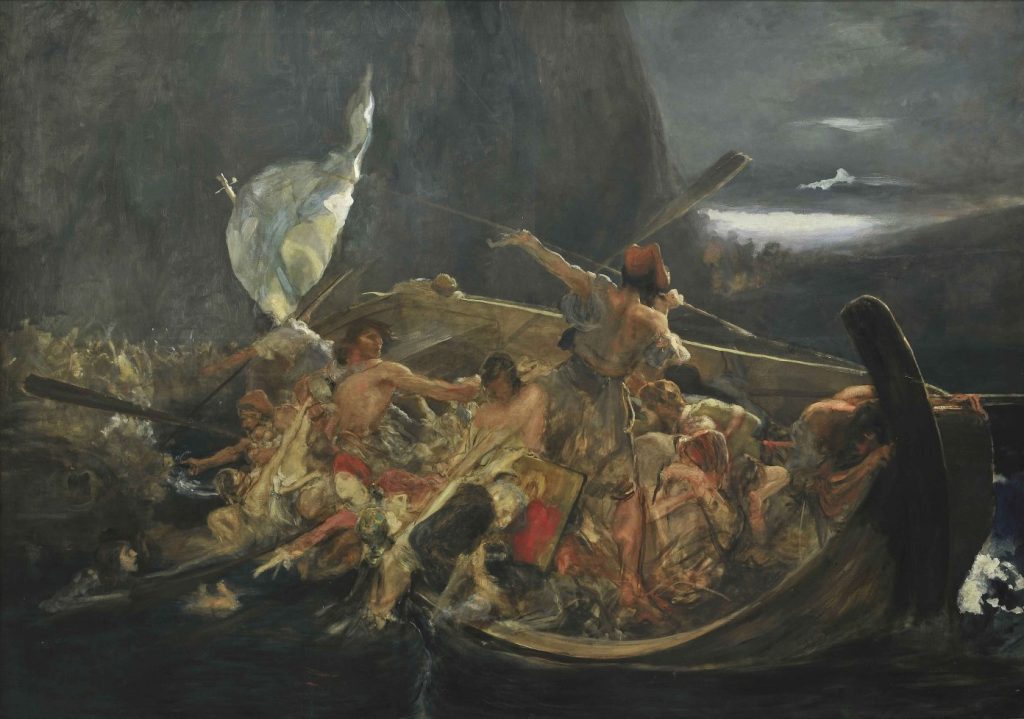
They then disembarked and proceeded to destroy the islands defenders. Very quickly they began the systematic roundup and slaughter of the inhabitants. Horrific scenes ensued, with streets strewn with the corpses of old men, women and children. 

Read More: On This Day in 1944, 228 innocent Greeks were killed in the Distomo massacre

With the rudders removed from the ships, villagers were left unable to escape.

Read More: On This Day: The Fall of Constantinople

 Of the 30,000 inhabitants, 18,000 were massacred or sold as slaves. Of the 100 or so Psarian ships, only 16 managed to escape along with seven fireships under Konstantinos Kanaris.

The destruction of Psara dealt a serious blow to the revolutionary effort as it destroyed a very vital portion of the Greek navy.

Sourced By: Efthimios Tsiliopoulos/The Greek Herald

Share:

KEEP UP TO DATE WITH TGH

By subscribing you accept our Terms of Service and Privacy Policy.

Latest News

Music, memory and heritage at Panipirotiki Enosis of NSW’s Annual Dance

On Saturday, February 21, the Panipirotiki Enosis of NSW hosted its highly anticipated Annual Dance at The Grand Roxy in Brighton-Le-Sands.

Persefoni Mousmoutis-Thliveris on culture, community and future of the Greek Festival of Sydney

Persefoni Mousmoutis-Thliveris reflects on culture, community and shaping the future of the Greek Festival of Sydney.

GOCSA faces immediate clergy shortage following priest’s dismissal

A priest employed by the Greek Orthodox Community of South Australia (GOCSA) has been dismissed, leading to a priest shortage.

44th Greek Festival of Sydney set to take over Darling Harbour this Sunday

The Greek Festival of Sydney returns to Darling Harbour this Sunday with food, music, dance, family activities and a headline performance.

Greek Elderly Federation to debut stall at Melbourne’s Antipodes Festival

The Federation of Greek Elderly Citizen Clubs of Melbourne and Victoria will, for the first time, host a stall at the Antipodes Festival.

You May Also Like

Traditional Greek Recipes: Gigantes Plaki (Giant Greek Beans)

The Greek Herald gives the recipe to the staple Greek cuisine, Gigantes Plaki, just in time for the winter rush.

Greek Easter: How Greece celebrated its greatest feast with pandemic restrictions

Worshippers lined up at churches across Greece on Holy Saturday as the government kept pandemic restrictions in place through Easter.

South Australia’s Power 100: The influential Greek Australians listed

The Advertiser has released its annual Power 100 rankings list for South Australia’s most powerful and influential people.