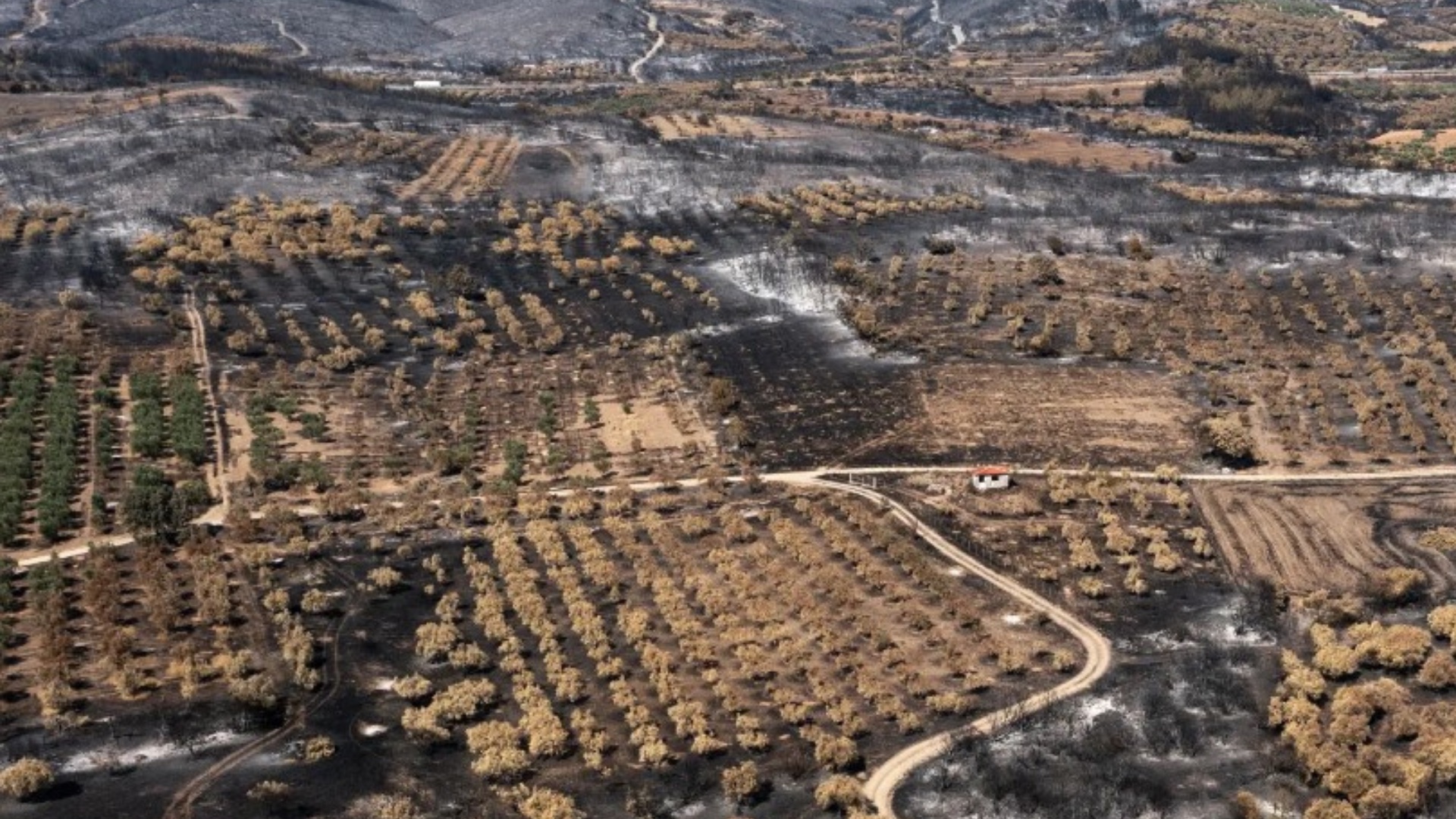
The devastating wildfires in northeastern Greece’s Evros region have triggered an environmental catastrophe with severe repercussions for the local agricultural sector.
It is estimated that approximately 130,000 olive trees, constituting 60% of the region’s total of 200,000, have fallen victim to the flames. Additionally, hundreds of beehives and thousands of productive animals, primarily sheep, goats, and cows, have been consumed by the inferno, reported Ekathimerini.
Businesses in the region reliant on agricultural production, including olive mills and dairy product processing facilities, may face significant challenges in their survival due to a shortage of raw materials.
The process of restoring the natural ecosystem will be time-consuming and may pose a threat to the survival of creatures that managed to endure the calamity.
The Evros Regional Authority has already calculated that there is a pressing need for food to sustain 44,000 animals and support 21,000 beehives, as much of the farmland has been reduced to ashes.
Read more: Greece wildfires damage ecosystems of birds in Dadia forest
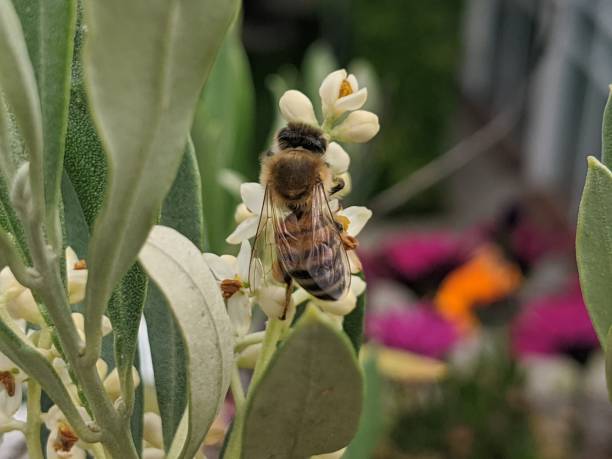
The entire bee flora in central and southern Evros has been obliterated, leaving the bees without the abundant pollen substitutes they require under normal circumstances.
President of the Beekeepers’ Association of Central Evros, Paschalis Christodoulou, expressed concern, stating, “If the bees do not forage now to prepare for winter, we will have no bees in the spring.”
Dimitris Evrou, Deputy Regional Governor of Evros, emphasized the necessity of a comprehensive strategic plan to aid the recovery of Evros.
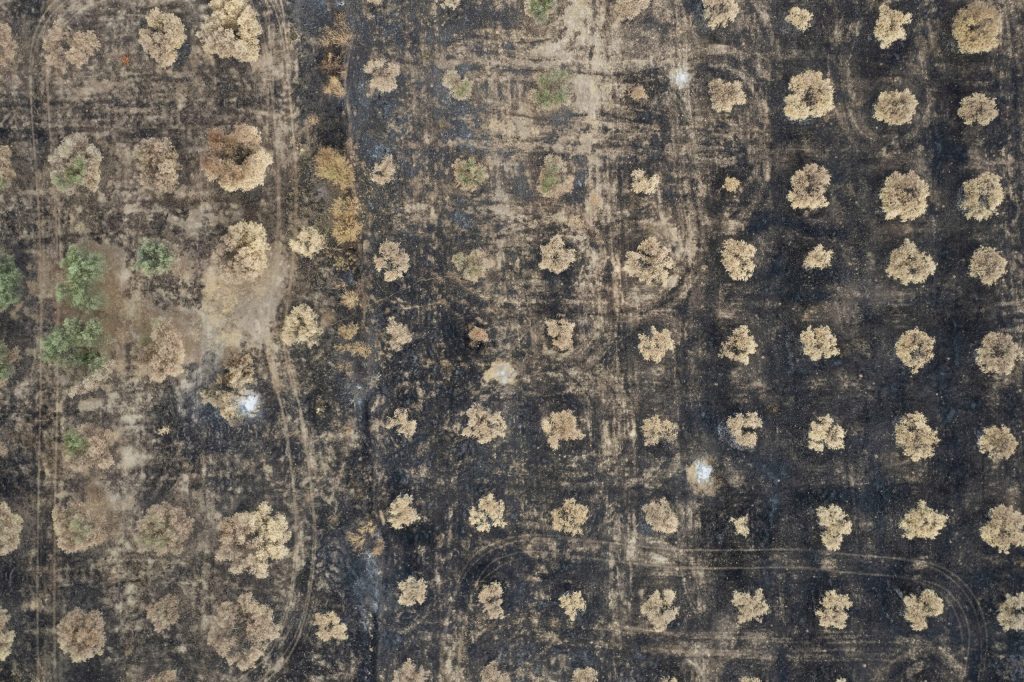
The region boasts approximately 350 farms, with an estimated 90 of them suffering damage from the fire. Evros contributes 4% of the national milk production and 20% of the national mushroom production. Agronomists have initiated the documentation of the damage since the fire was extinguished on Monday, but this process is anticipated to span several days.
Dimitris Pantazis, the manager of the Greek Agricultural Insurance Organization (ELGA) in the region, acknowledged the challenges, saying, “We are making progress but it takes time. Many animals were lost, reduced to ashes, or are still missing. Alexandroupoli is still coated in ash.”
Source: Ekathimerini
