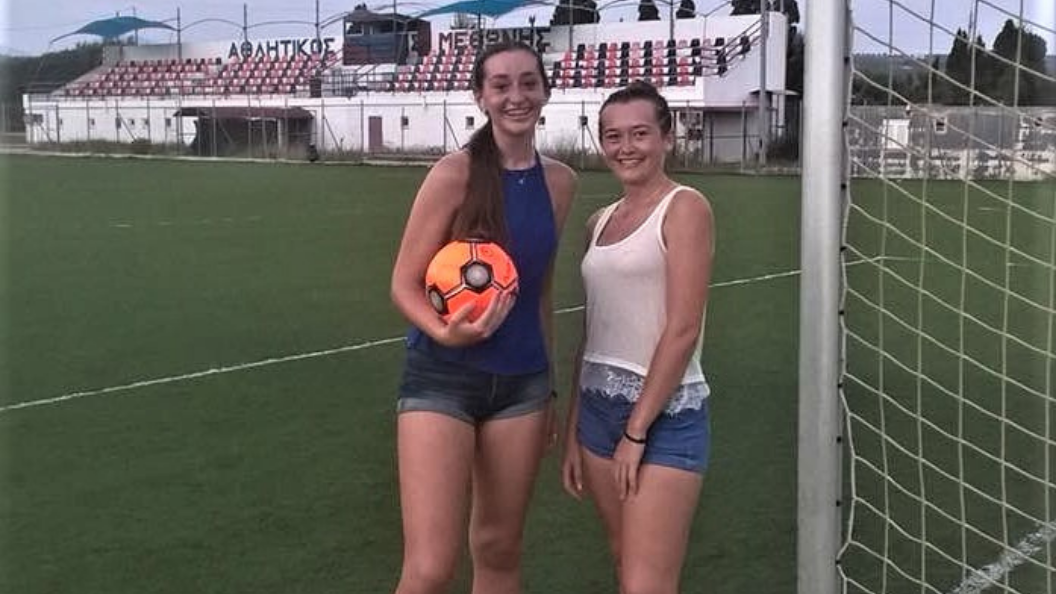
Women in football are starting to shine brighter than ever before as they now make up 22 percent of Australia’s participate base, according to recent statistics by Football Australia.
But there’s still a long way to go to reach the organisation’s goal of having a 50 percent gender participation split in Australian football by 2027.
Fear not though as Sydney sisters, Alexandra and Angelica Georgopoulos, are on a mission to reach that benchmark of equality as quickly as possible.
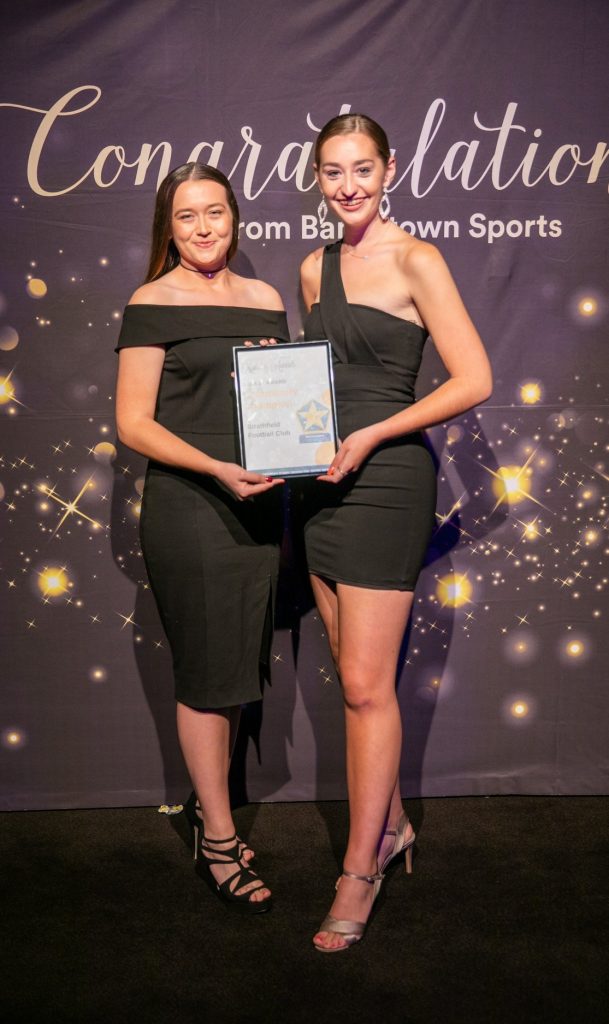
Finding their path:
Alexandra and Angelica’s personal journey to becoming involved in football in the first place is very different.
Alexandra, 23, tells The Greek Herald how she has been playing since she was five years old and quickly “rolled into coaching, refereeing and volunteering on the administration side.” She’s now the Female Football Officer at the Strathfield Football Club.
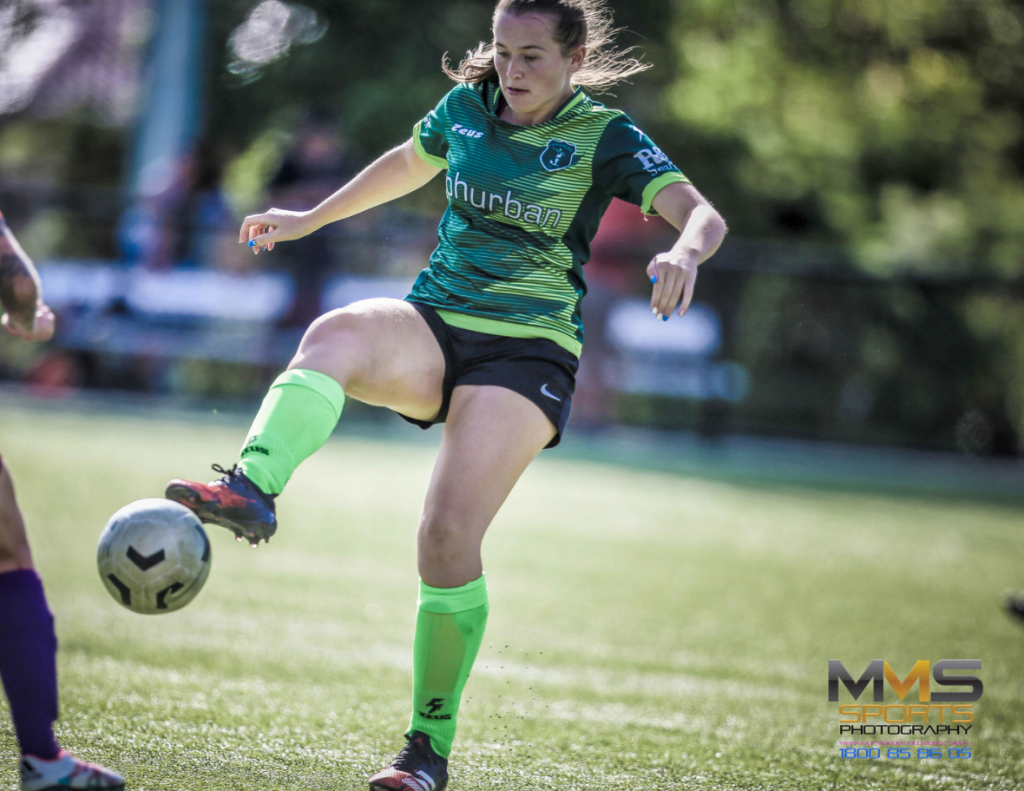
On the other hand, Angelica, 22, says she “hated football” when she was younger and it wasn’t until she was 9 years old that she started getting into it because she watched her sister “missing all these goals” and thought “I could do that better.”
Angelica is now a casual coach for Football NSW and Football Australia, visiting schools and clubs throughout New South Wales and running programs that encourage other females to get involved in the sport. At 18 years of age, she also became the first female Junior Vice President for Strathfield FC.
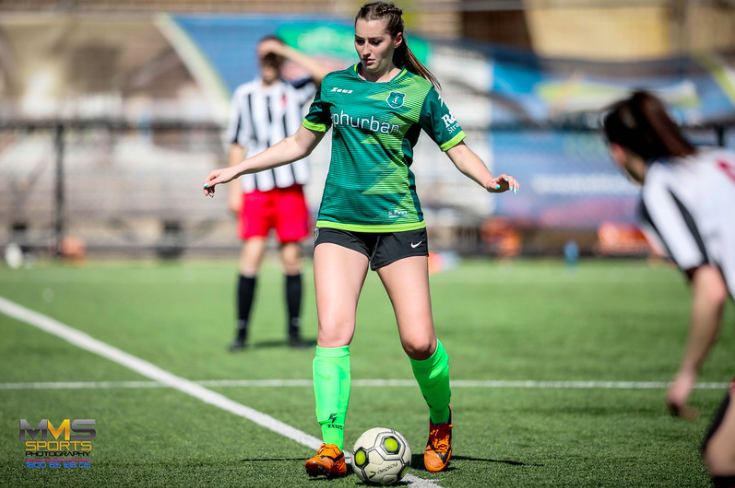
‘I have no future here’:
Despite these two very different paths to a career in the sport, one thing that was a constant for both sisters was the lack of female representation they witnessed in Australian football right from the very beginning.
“I know for myself, not finding even referees, coaches, managers, not seeing women in those positions, it just made me feel like, even as a young girl, that I have no future here. This is clearly something that’s not made for women,” Angelica says.
This feeling of not belonging didn’t hold the Georgopoulos sisters back though. Instead, they took it upon themselves to break barriers in the industry.
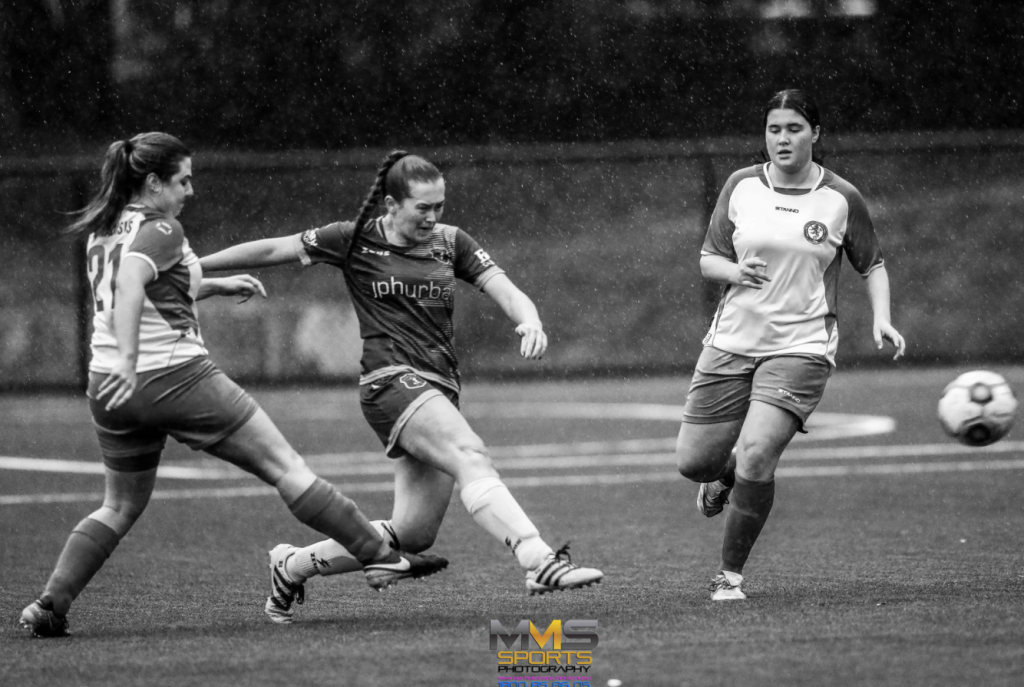
The girls have not only helped organise their own successful Female Football Festival featuring close to 36 teams, but Alexandra has also seen a sharp rise in female participation and retention numbers at Strathfield FC.
“We reduced our [the Club’s] registration to about half price and that made people feel less guilty about spending money on themselves because women will put their education, their kids, their family first and then think about themselves,” Alexandra says.
“So by reducing that registration, we attract them to the game and off the back of that, this year we have three brand new teams… we’ve managed to attract 50 to 60 women into the club.”
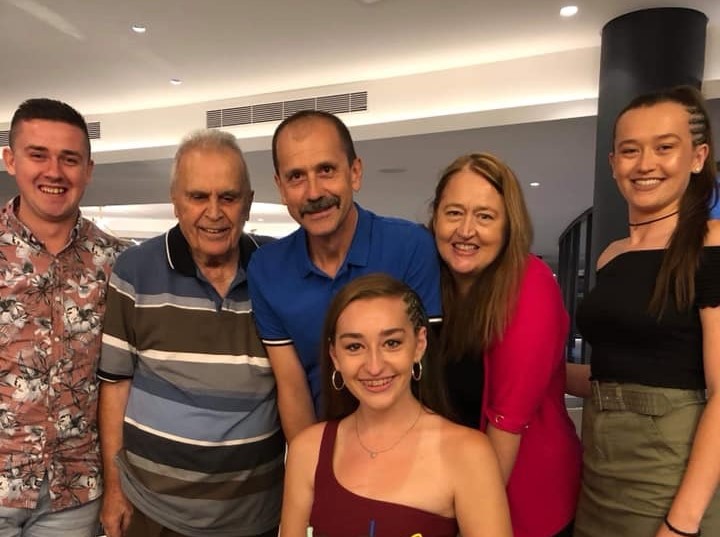
Changing the face of Australian football:
Alexandra says it’s also been nice to see a shift in the mentality of the females who have taken up the sport.
“In the team we had last year, we had women too scared to get out of the car and attend training, worried that they’ll be not good enough,” she explains.
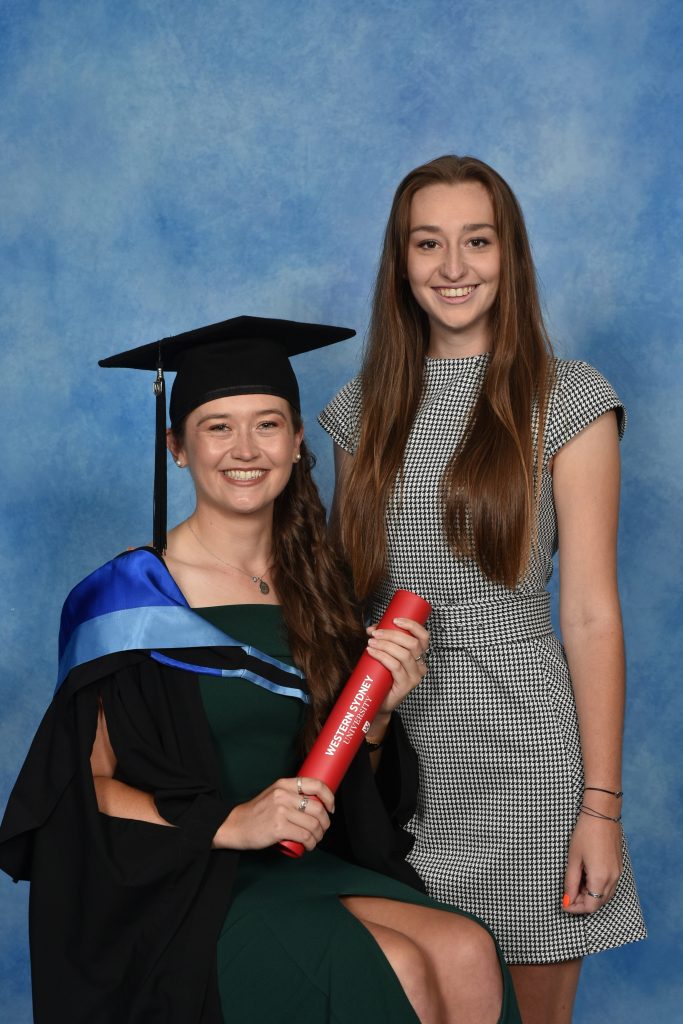
“But it’s been interesting to see their mentality change from ‘I’m too nervous, I shouldn’t be doing this’ to ‘hang on, it’s time for me to get on the field, for me to focus on my fitness as well as my own family.’
“It’s just reminding them that… they don’t just belong in the kitchen. They’re allowed to do things for themselves and they can put themselves first.”
Do the Georgopoulos sisters believe that this positive shift in the football world is here to stay? They both answer with a resounding “yes.”
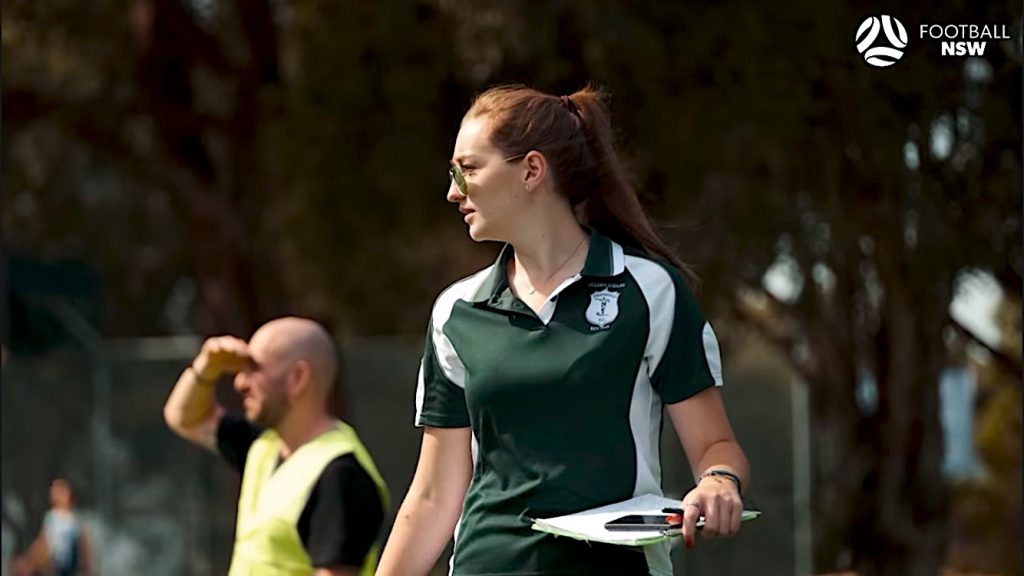
“I’m coaching girls from about four years old to about 40 years old and I’m definitely seeing these young girls that are coming through, they’ve got their own football boots and they’ve got pink on them and they’ve got their own jerseys with their name on it,” Angelica concludes with a smile.
“When I was playing sport at that age, no girl did that. So girls can now start acting like professionals and they can start being serious in the sport. Absolutely it’s changed… and I can only imagine what next year is going to bring!”