Greece opens underwater archaeological sites to scuba divers

·

Greece is going all out to attract visitors this summer.

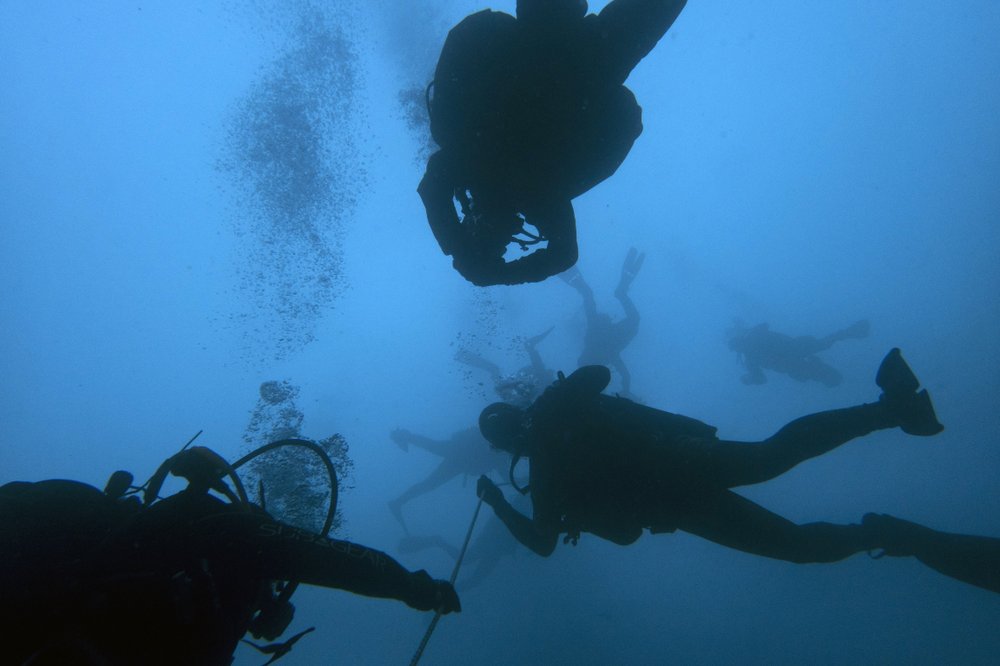
Once-stringent scuba diving regulations for Greek waters were recently lifted, eliminating diving depth limits and allowing diving at archaeological sites and sunken ships in the seas around Greece.

This latest loosening of restrictions follows the passing of a 2019 bill in Parliament easing scuba diving laws, and is part of larger group of incentives to encourage the return of international tourists to Greece following the worldwide coronavirus lockdown.
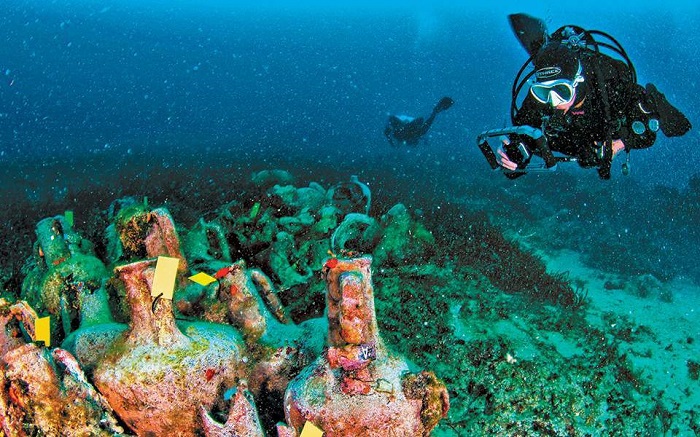
Prior to the passage of the bill, scuba divers could only enter archaeological sites when accompanied by qualified underwater divers, who are typically hard to come by.

Now, scuba divers are understandably expected to flock to Greece’s many sunken ships, as the 2019 bill allows for unescorted visits to shipwrecks that are older than 50 years.

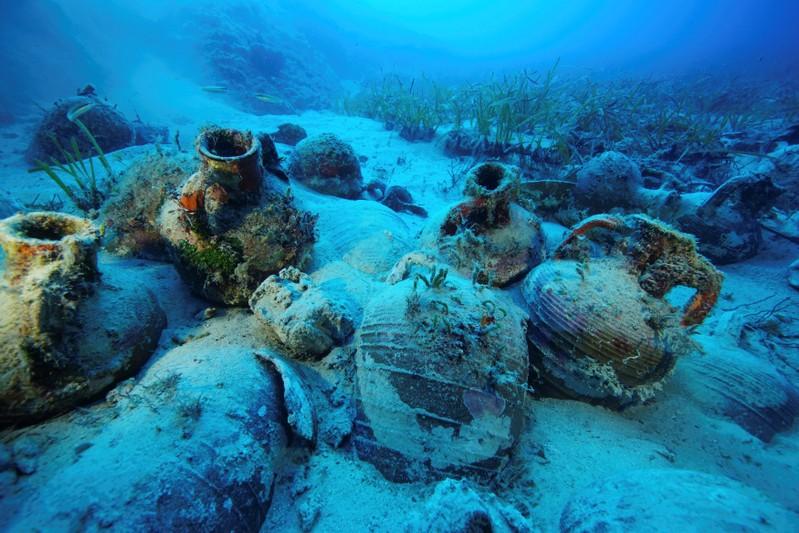
In 2019, the Ephorate of Underwater Antiquities, a department of Greece’s Ministry of Culture, along with the Ministry of Tourism, designated four ancient shipwrecks to become Greece’s first underwater museums in a bid to expand underwater-heritage marketing.

The first two Underwater Archaeological Parks in the nation are scheduled to open to visitors by this summer. The two parks are located on the islet of Sapientza, opposite Methoni town and in Navarino Bay in the Pylos area of southwestern Messinia.

Share:

KEEP UP TO DATE WITH TGH

By subscribing you accept our Terms of Service and Privacy Policy.

Latest News

Greek business owners face uncertainty as State Library of Victoria café lease ends

The State Library of Victoria is internationally recognised as one of the world’s most beautiful and most visited public libraries.

Mavromoustakos Charity Football Match raises nearly $10,000 for children in Africa

The Mavromoustakos brothers’ annual Charity Football Match has delivered its most ambitious and successful edition to date.

Peter Poulos: Why we honoured dad’s legacy on Australia’s National Monument to Migration

Peter Poulos the son of Con Poulos from the Poulos Bros shares why he honoured his father on Australia's National Monument to Migration.

‘Show must go on’ as World Greek Language Day committee meets without its founder

Melbourne’s World Greek Language Day celebrations are on the final straight, with the organising committee meeting this week.

Andrew Liveris says Brisbane 2032 will learn from Milano Cortina challenges

Brisbane 2032 president Andrew Liveris acknowledged budget pressures for the Games, citing the dispersed venues across Queensland.

You May Also Like

Athens art museum becomes more inclusive for visitors with autism

National Museum of Contemporary Art in Athens has teamed up with The Happy Act to make its institution more friendly to visitors with autism.

Vadoulis Garden Centre in South Australia closes after 64 years

The owner of Vadoulis Garden Centre in South Australia has announced its closure after 64 years of operation. Read more here.

Michael Christofas named finalist in prestigious Percival Photographic Portrait Prize

Michael Christofas has been named finalist in North Queensland's prestigious Percival Photographic Portrait Prize.