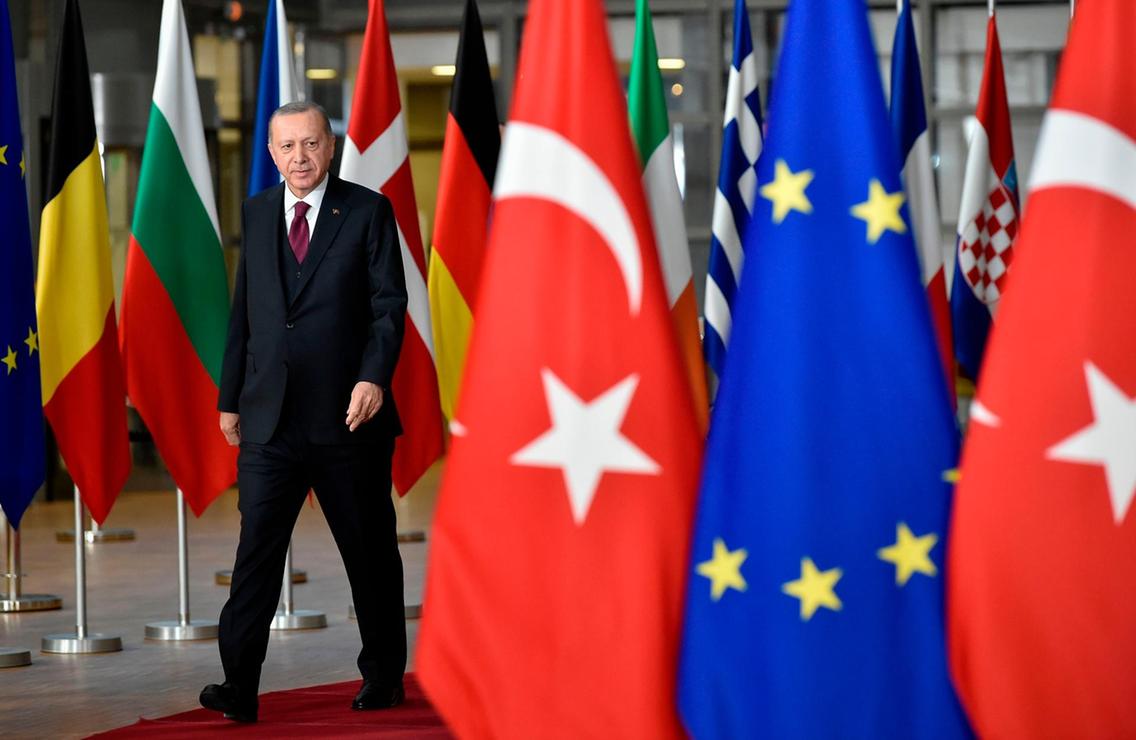
A European Commissioner has recently revealed that the European Union has purchased equipment for the Turkish armed forces, which is now being used to make repeated provocative moves against Greece.
Oliver Varhelyi, the European Commissioner for Neighborhood and Enlargement, has confirmed that the bloc purchased four vessels for the Turkish Coast Guard as part of the EU and Turkey’s Joint Declaration on the Refugee Crisis.
According to a report by Proto Thema, the vessel purchases were made last year as part of an EU initiative to “ensure proper border management with the aim of securing and protecting refugees, the local population, and ultimately, Turks and European citizens.”
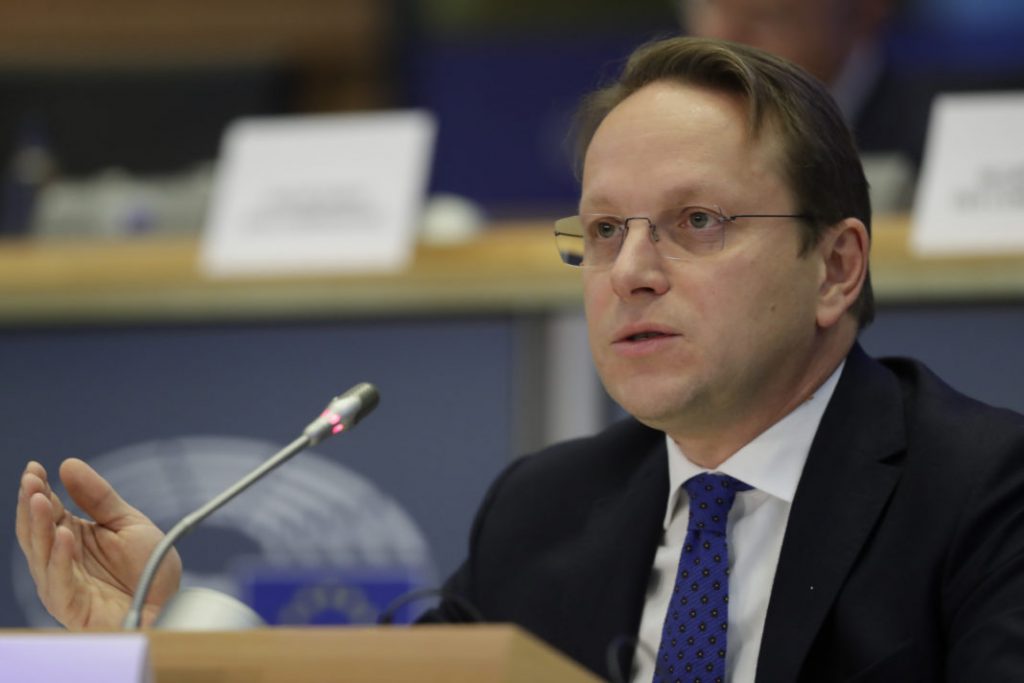
In addition to the vessels, Varhelyi confirmed that the EU has also funded the purchase of armoured vehicles and surveillance equipment for Turkey to be used as part of its border security efforts.
“Flying border surveillance equipment, surveillance radars and thermal cameras were also purchased, with most of this equipment already delivered,” Varhelyi said.
“The Commission will continue to monitor the situation to ensure that all previous commitments are honoured.”
Nikos Androulakis, an MEP from Greece, responded to these comments overnight, expressing his concern that the European Union will continue to fund purchases for the Turkish Armed Forces and security forces.

“While it is unacceptable for (Turkish President) Erdogan to use refugees and migrants as a means to blackmail Europe, the Commission continues to fund purchases for the Turkish Armed Forces and security forces,” Androulakis said in a statement concerning the issue.
“Especially after the events in Evros, where the entire European leadership visited the Greek border and saw the magnitude of the threat to European security from Turkey’s actions, the Hungarian Commissioner cannot be indifferent and continue such programs normally.
“Turkey must stop receiving money from the Pre-Accession Assistance Fund, especially for projects related to the purchase of equipment for the Turkish security forces. Immediate explanations are needed from the European Commission regarding this policy.”