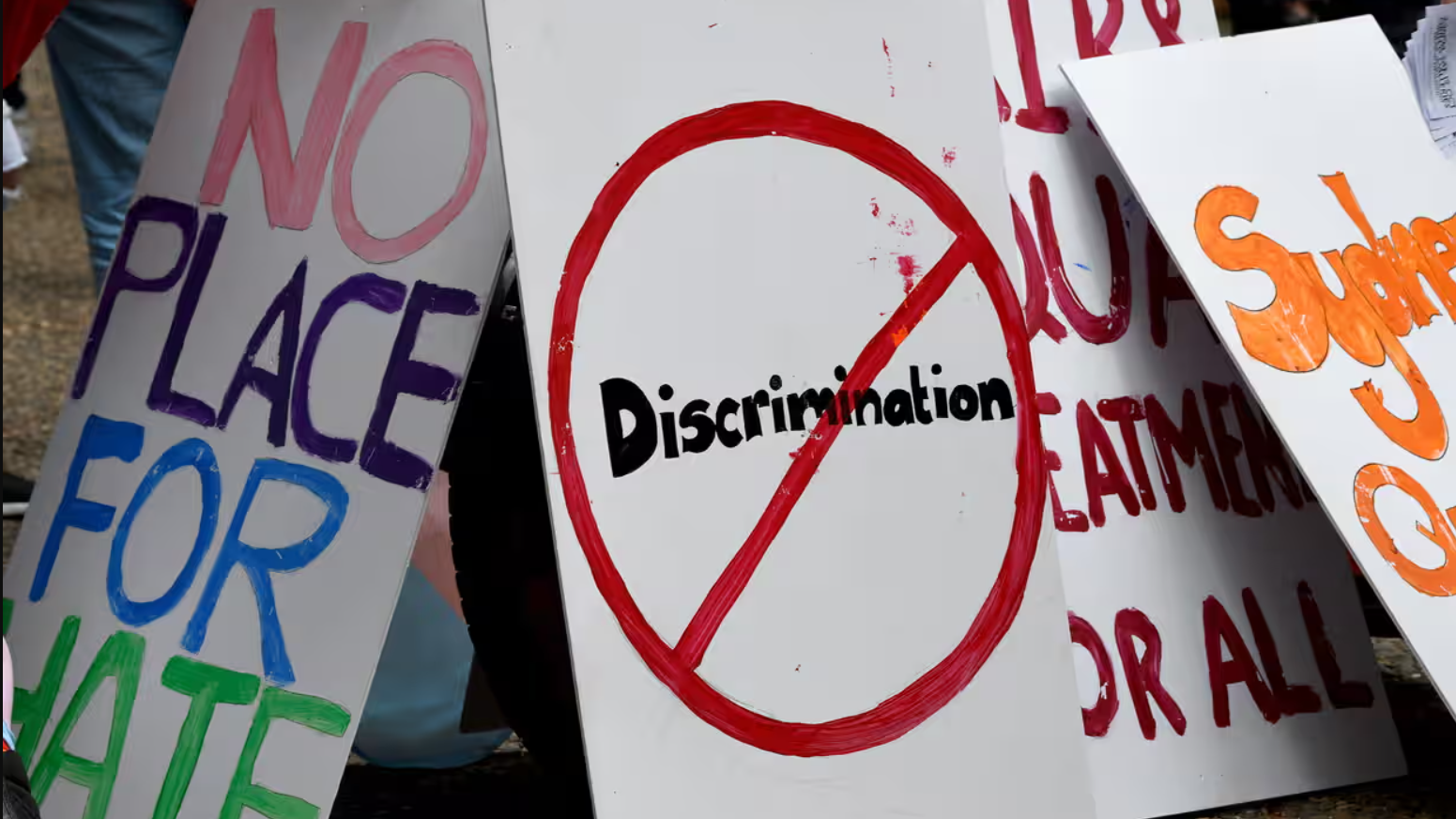
New law banning religious vilification passes NSW Parliament

·

Legislation to prohibit religious vilification passed NSW Parliament on Thursday.

The amendment to the NSW Anti-Discrimination Act 1977 makes it unlawful to, “by a public act, incite hatred towards, serious contempt for, or severe ridicule of, a person or group of persons, because of their religious belief, affiliation or activity.”

A “public act” includes any form of communication to the public, verbal and non-verbal.

The legislation mirrors existing provisions in the Anti-Discrimination Act that make vilification unlawful on the grounds of race, homosexuality, transgender status and HIV/AIDS status.

People who do not have a religious belief or affiliation or do not engage in religious activity are also protected under the new law, which recognises that these are also positions in relation to religion which should be respected.
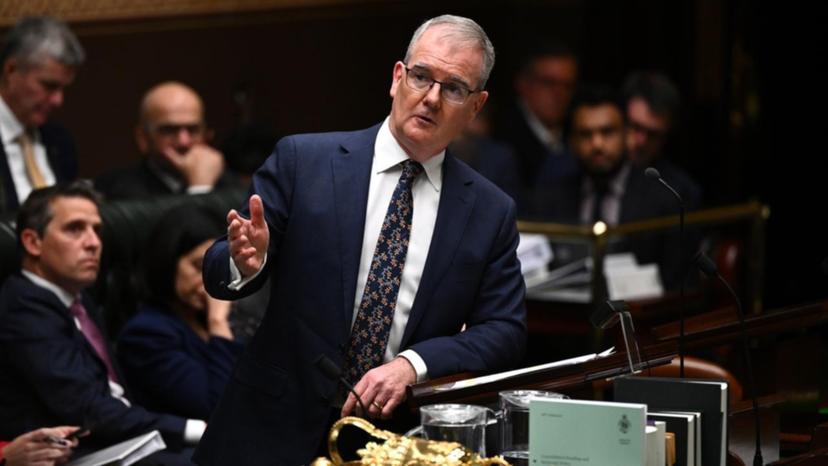
NSW Attorney General Michael Daley says religious vilification is “completely unacceptable.” Photo: Dan Himbrechts/AAP PHOTOS.

A wide range of stakeholders were consulted on the amendment, including faith-based organisations, community groups, multicultural associations, legal advocates and NSW Government agencies.

The new law comes into effect three months after the date of assent to the Act.

NSW Attorney General Michael Daley said “vilification on the grounds of a person’s religion (or no belief) is completely unacceptable in our community.”

“Now we have a clear law to protect people from public actions that incite hatred or serious contempt or severe ridicule of them on the basis of their religious belief or lack of belief,” Mr Daley said.

NSW Minister for Multiculturalism Steve Kamper said “it is regrettable to see any expression of vilification towards certain groups based on their beliefs.”

“This legislation sends a strong message to those people who seek to stir hatred and division in our community. It won’t be tolerated,” Mr Kamper said.

Share:

KEEP UP TO DATE WITH TGH

By subscribing you accept our Terms of Service and Privacy Policy.

Latest News

Cannabis use among Greek teens reaches 25-year high

Cannabis use among teenagers in Greece has climbed to its highest level in 25 years, according to new findings released.

Metallica fans shook Athens harder than Iron Maiden, seismologists find

Fans of Metallica generated stronger seismic activity than supporters of Iron Maiden during recent Athens concerts, according to a study.

Investigation underway after historic bell disappears from Pylos fortress

Authorities in southwestern Greece are investigating the disappearance of a commemorative bell from a chapel inside the historic Niokastro fortress in Pylos.

Standoff grows over reopening of Kalavryta’s historic rack railway

A disagreement has emerged between the Greek government and local authorities in Kalavryta over the reopening of the famous Diakofto–Kalavryta rack railway.

Greece bans junk food from school canteens in major health overhaul

Greece's Ministry of Health has announced a new strict public health regulation which will remove processed 'junk' food from school canteens.

You May Also Like

Greece launches new restoration phase for iconic Larissa theatre

A major new phase of restoration is underway at the ancient Theatre A of Larissa, one of the largest Hellenistic monuments in Greece.

Tsitsipas serves up souvlaki for bushfires

A souvlaki named after Hellenic tennis hero Stefanos Tsitsipas is back on the menu at a Melbourne restaurant during the Australian Open, with 100 per cent of sales going to bushfire relief.

Magna Graecia – Part 2: The Greek foundations of a new city

Neapolis was formally established around the 6th century BCE by Greek settlers who had earlier founded the nearby colony of Cumae.