Home Blog Page 34

Greek-owned ships first to cross Hormuz before reported closure amid shaky ceasefire

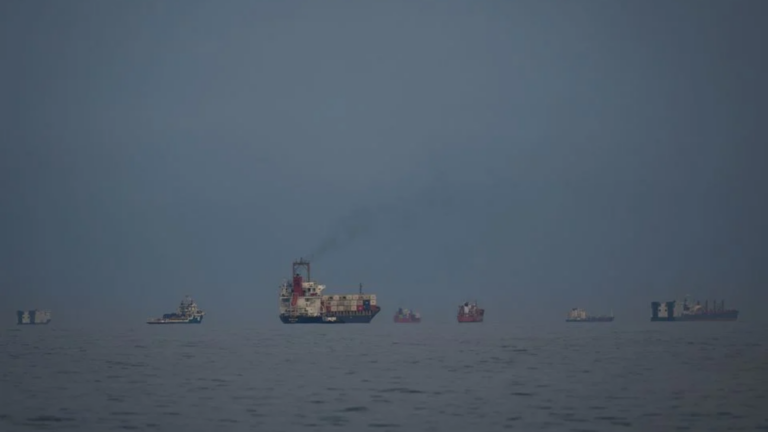
Although two Greek-owned cargo ships were the first to cross the Strait of Hormuz since the two-week ceasefire deal was announced between the United States, Iran, and Israel, reports have emerged that the strait has since been closed due to the mass Israeli attack on Lebanon.

The first signs of renewed movement through the Strait of Hormuz emerged Wednesday morning, with two Greek cargo vessels successfully crossing and continuing eastward, according to maritime tracking data.

Despite this, analysts and shipowners remain cautious. The vital route — once handling about 20% of global oil trade — has seen a sharp drop in traffic, with hundreds of vessels still waiting at its entrances and many more anchored across the Persian Gulf.

Experts warn that while the recent crossings may signal a gradual return, it is unclear whether they reflect a broader reopening or isolated cases, and any recovery in traffic is expected to be slow and uncertain.

Nonetheless, some shipping has continued throughout the disruption, particularly involving Iranian-linked vessels and ships connected to China. Iran has maintained significant oil exports during this period, with China remaining its primary buyer.

Ceasefire hangs in balance as Iran claims strait closed

The recent agreed upon two-week ceasefire between the US, Israel and Iran now hangs in the balance after Israel launched 100 strikes in a 10 minute window on Hezbollah targets in Lebanon.

US President Trump’s key condition in the ceasefire deal was to secure the “COMPLETE, IMMEDIATE, and SAFE OPENING of the Strait of Hormuz.”

Iran has accused Israel of breaching the ceasefire with the strikes while Israeli Prime Minister Benjamin Netanyahu stressed that Lebanon was not included in the truce. 

As a result, Tehran has reportedly blocked ships’ passage through the Strait of Hormuz, while the White House has disputed such reports. A White House spokeswoman Karoline Leavitt said, “We have seen an uptick of traffic in the Strait today. And I will reiterate the president’s expectation and demand that the Strait of Hormuz is reopened immediately, quickly and safely. That is his expectation.”

This comes as shipping companies say they have been warned not to cross the strait without permission or risk having their ships destroyed.

UK shipbroker SSY confirmed that ships in the Gulf had received the following message which warned, “Attention all vessels. Attention all vessels. Attention all vessels in Persian Gulf and Oman Sea. This is the IRGC Navy Station. Transiting the Strait of Hormuz remains closed and you need permission from the IRGC before sailing through the strait. Any vessel trying to travel into the sea will be targeted and destroyed.”

Source: Kathimerini, ABC News

Harshest Israeli strikes hit Lebanon, killing 254 and wounding over 800

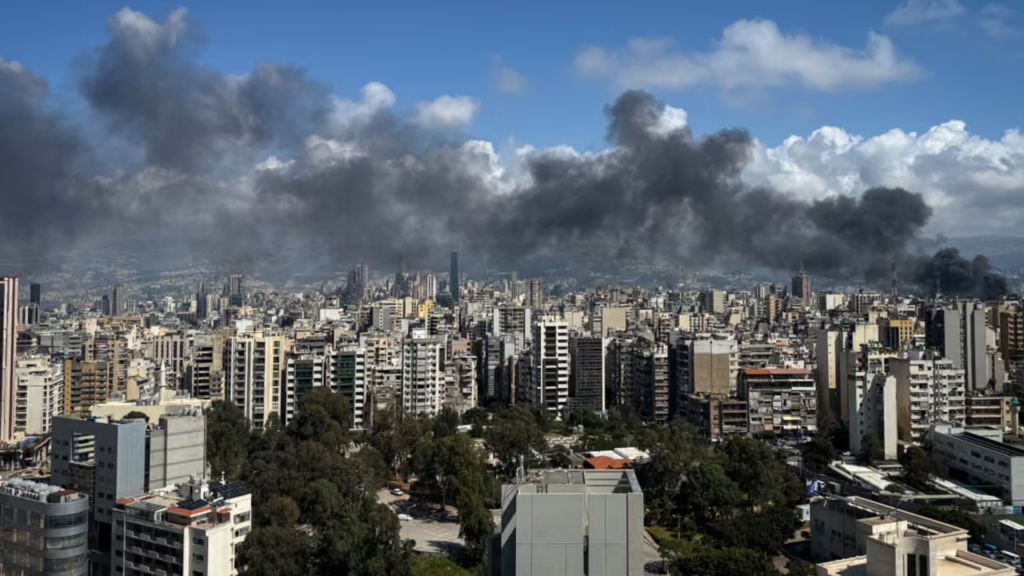
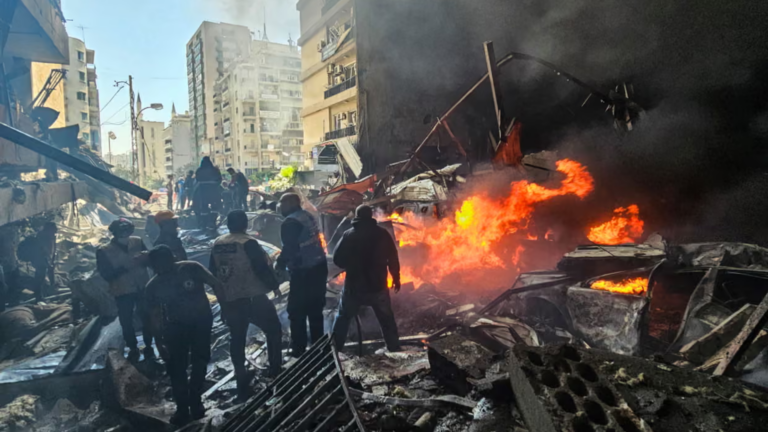
Overnight, hundreds of people have been killed and wounded after Israel carried out its largest attack on Lebanon since 2024 against claimed Hezbollah targets. Massive explosions were reported across the country.

The Israel Defense Forces (IDF) launched 100 different attacks on the Iranian-backed militant group in a 10 minute window on Wednesday. Lebanon’s defence ministry have announced the attack has left at least 254 people dead and over 800 injured.

While the IDF had issued some warnings which urged Lebanon residents to evacuate, not all areas were notified. IDF’s international spokesperson Lieutenant Colonel Nadav Shoshani said “There are certain elements and incidents where the element of surprise is necessary and is used.”

Areas of Beirut after Israeli attack. Photo: Dylan Collins / AFP / Getty Images.

A statement released from the office of the Lebanese President, Joseph Aoun, said the “massacre” Israel had committed was “barbaric.”

“This dangerous escalation places full responsibility on the Israeli entity for its repercussions, and we affirm that the continuation of these aggressive policies will only lead to further tension and a complete lack of stability, at a time when all are most in need of de-escalation and respect for commitments,” the presidency said.

While Israel insists Hezbollah is its target when striking, the rising death toll of civilians forms a different narrative. Before Wednesday’s mass attack, Lebanon’s death toll was more than 1,500 people with near 5,000 people injured. More than 1 million people have been displaced.

Australia responds to Lebanon attack

Australia has released a statement about the attacks alongside Brazil, Colombia, Indonesia, Jordan, Sierra Leone and the UK, urging that Lebanon be included in the Middle East ceasefire. They expressed their concern about “the worsening humanitarian situation and displacement crisis in Lebanon.”

“Attacks that threaten the safety and security of humanitarian personnel must stop. International humanitarian law must be upheld by all parties to the conflict in all circumstances,” the statement read.

“We condemn in the strongest terms actions that have killed UN peacekeepers and significantly increased the risks faced by humanitarian personnel in southern Lebanon.”

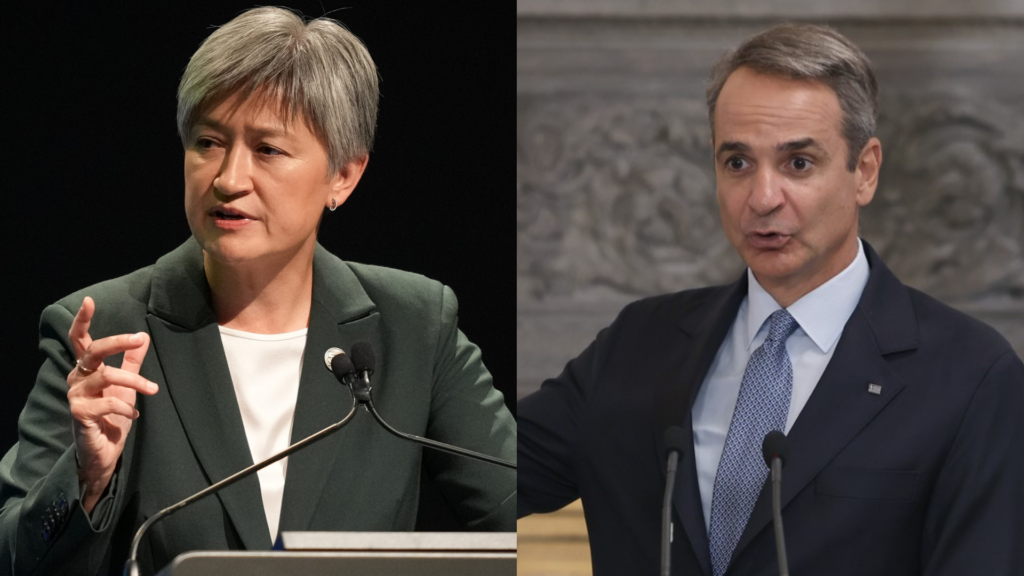
Foreign Affairs Minister Penny Wong said in an interview that if fighting were to continue in Lebanon “it risks the whole ceasefire across the region.”

“So we called for that last night,” she said. “We’ve been joined overnight by the G7 and other countries saying the same thing, and we continue to assert that.”

Australian Foreign Minister Penny Wong and Greece’s Prime Minister Kyriakos Mitsotakis respond to Lebanon attacks.
Greece’s Prime Minister expresses concern over attacks

Greek Prime Minister Kyriakos Mitsotakis called Israeli operations in Lebanon “counterproductive” and warned that an increase in attacks could trigger a humanitarian crisis. 

In a CNN interview, Mitsotakis emphasised that all attacks must stop to reach a continued ceasefire.

He stressed Greece’s support for maritime security and the reopening of the Strait of Hormuz, saying Greece is “the world’s leading maritime power, and I have always supported unrestricted passage,” and insisted “the Strait of Hormuz has always been open to free navigation, and I believe it must remain so in the future.” He also opposed any future shipping fees.

He reaffirmed confidence in NATO, calling for a stronger European defence role, higher defence spending, and greater strategic autonomy, noting it would complement—not undermine—the alliance.

Source: ABC News, The Guardian, Kathimerini

Sydney University Greek Society elects its 2026 Committee

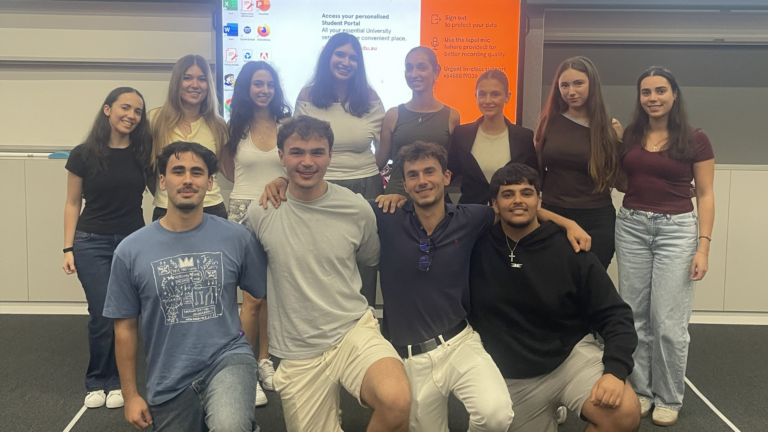
The Sydney University Greek Society (SUGS) has elected its 2026–27 committee, with a renewed commitment to deepening cultural engagement and fostering a close-knit community among its members.

The Annual General Meeting (AGM) of the Society took place on Tuesday, March 17 at the Social Sciences Building at the University of Sydney, with a strong turnout of members in attendance.

SUGS’ new president, Maria Kakali, speaking for and on behalf of the incoming committee, expressed excitement for the year ahead and a clear vision for building on the legacy of previous committees.

“We aim to strengthen the sense of belonging that defines SUGS, while placing a greater emphasis on cultural connection and engagement with Hellenism,” she said.

“Our focus is on cultivating a more tight-knit community where members feel genuinely connected. Not only through social events, but through shared language, traditions and a deeper understanding of our heritage.”

Maria also highlighted the importance of identity and the role of Greek youth within the diaspora.

“As young members of the Greek diaspora, we carry a strong sense of pride in our identity. SUGS plays an important role in creating a space where that identity can be explored, celebrated and passed on, ensuring that our culture remains vibrant and meaningful for future generations,” she said.

The SUGS president added that the committee is particularly committed to promoting Greek culture in both social and intellectual ways.

“We are passionate about encouraging engagement with Greek language, history, religion and contemporary issues, while also creating meaningful opportunities for members to connect with one another and the broader Greek Australian community,” she said.

Maria noted that collaboration remains a key priority for the year ahead.

“We look forward to working closely with the Department of Modern Greek and Byzantine Studies, as well as other student societies and community organisations, to deliver initiatives that bring people together and strengthen our cultural presence on campus,” she concluded.

The full Committee is:

  • President: Maria Kakali
  • Vice President: Natasha Scionti
  • Treasurer: Janni Evangelidis
  • Secretary: Anne-Marie Aroney
  • Marketing Officer: Alexander Stylianou
  • General Committee: Mary Glekas, Vasiliki Delimarkou, Chrysoula Kirkis, Philip Antipas, Penny Kalantzis
  • First Year Representatives: Anthony Parissis, Paraskevi Brakoulias

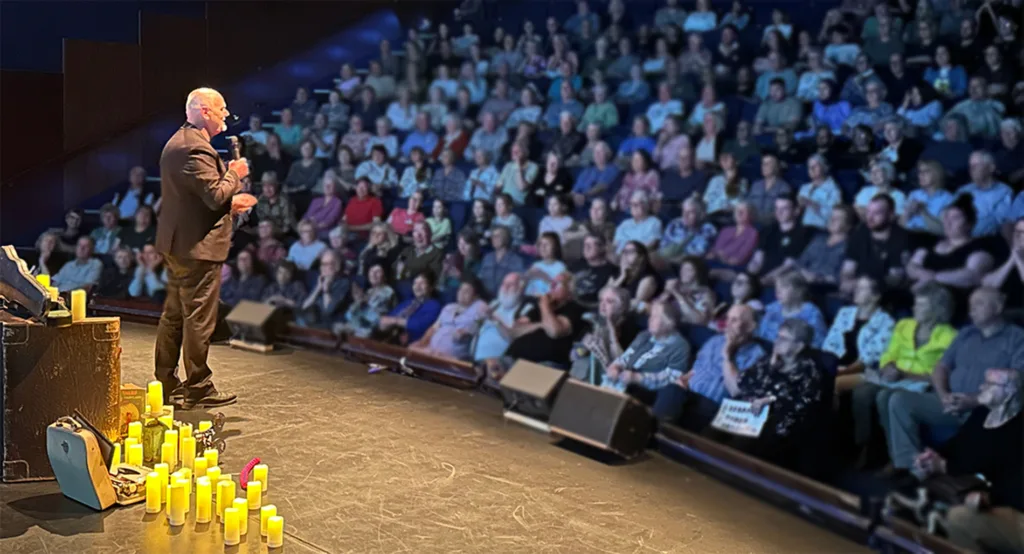
30,000 Greeks passed through Bonegilla: Why is your story still missing?

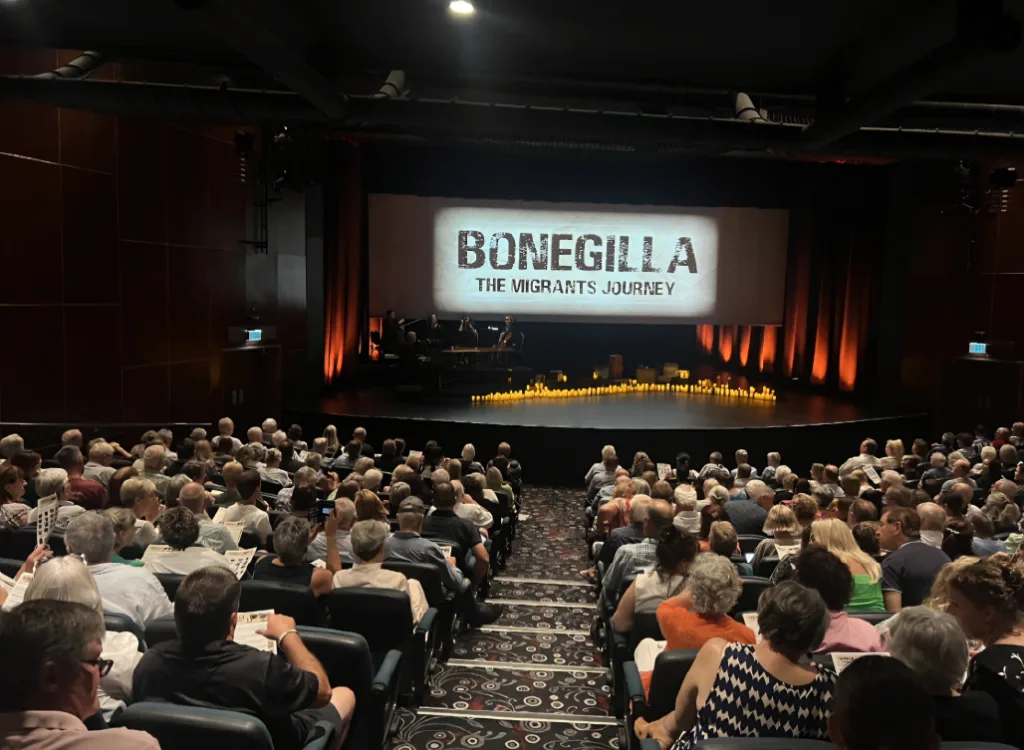
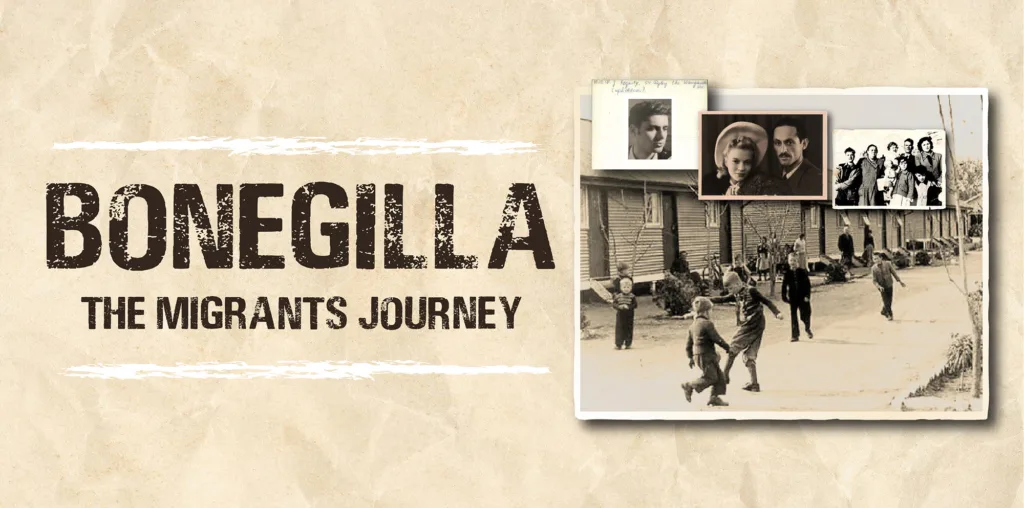
Before the cinema lights dim and the piano notes begin for Bonegilla – The Migrant’s Journey, Simon Reich has one urgent message for the Greek community: your chapter is still waiting to be written.

Reich is taking his immersive documentary on the road with live screenings booked across Victoria and New South Wales: Cameo Cinema Belgrave (April 12), Polish Club Ashfield (April 17), St Ives Community Hall (April 18), North Ryde School of Arts Community Centre (April 19) and Griffith Regional Theatre (August 29).

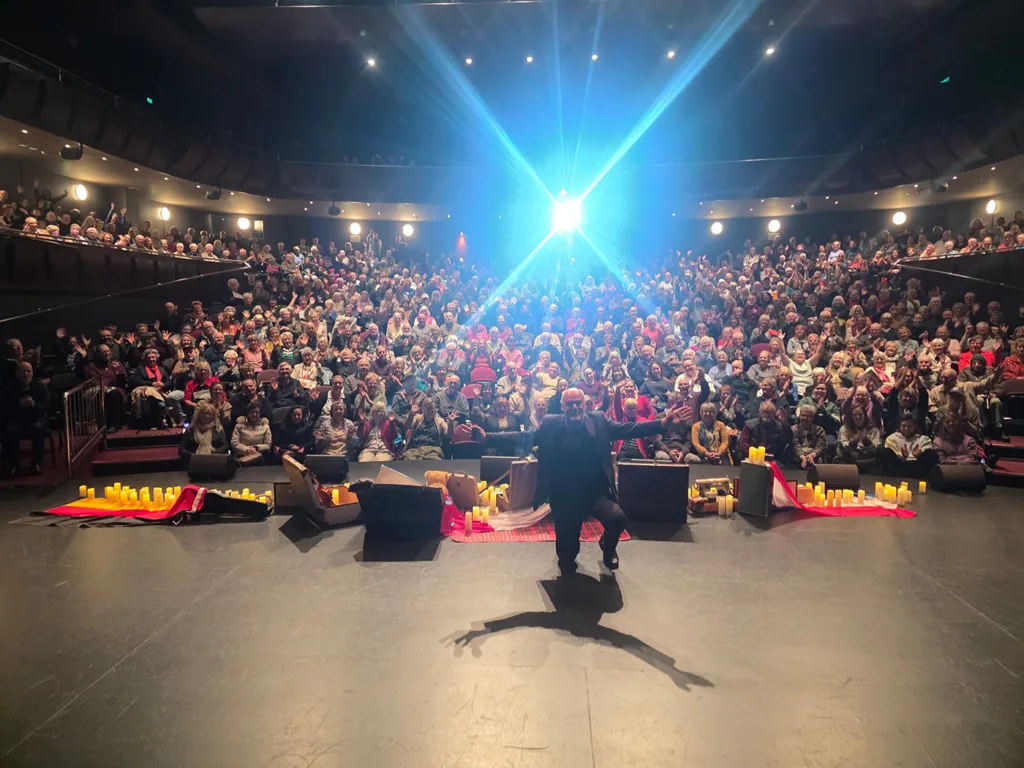
This is no ordinary screening. A composer and pianist, Reich performs live as multi-screen documentary footage unfolds, sometimes joined by strings.

“My musical brain affects everything, the editing, the rhythm of the words, the placement of music,” he says. “You can forgive average footage, but if you can’t understand the sound, you’ve lost the audience.”

The result is deeply emotive. During its premiere season at Melbourne Museum, audiences wept openly. The production later won the People’s Choice Award at the Melbourne Documentary Film Festival.

But even as audiences fill theatres, Reich is searching for one missing thread: the Greek story.

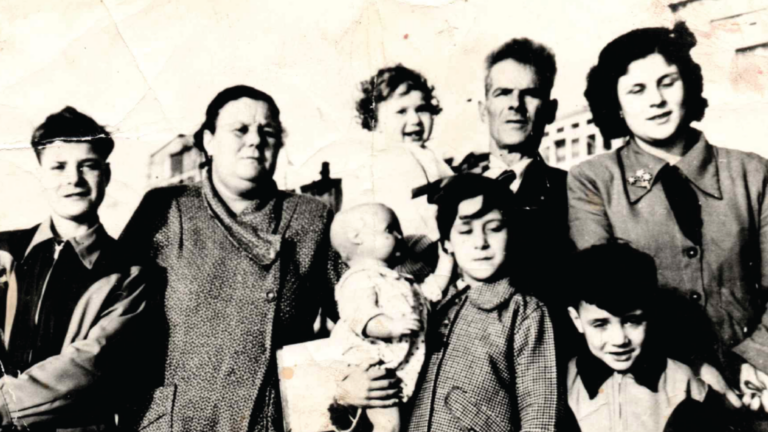
Up to 30,000 Greeks passed through the Bonegilla Migrant Reception and Training Centre between 1947 and 1971, part of the more than 300,000 migrants processed there. When including those sponsored by relatives who bypassed the camp, post-war Greek migration to Australia swells to around 250,000.

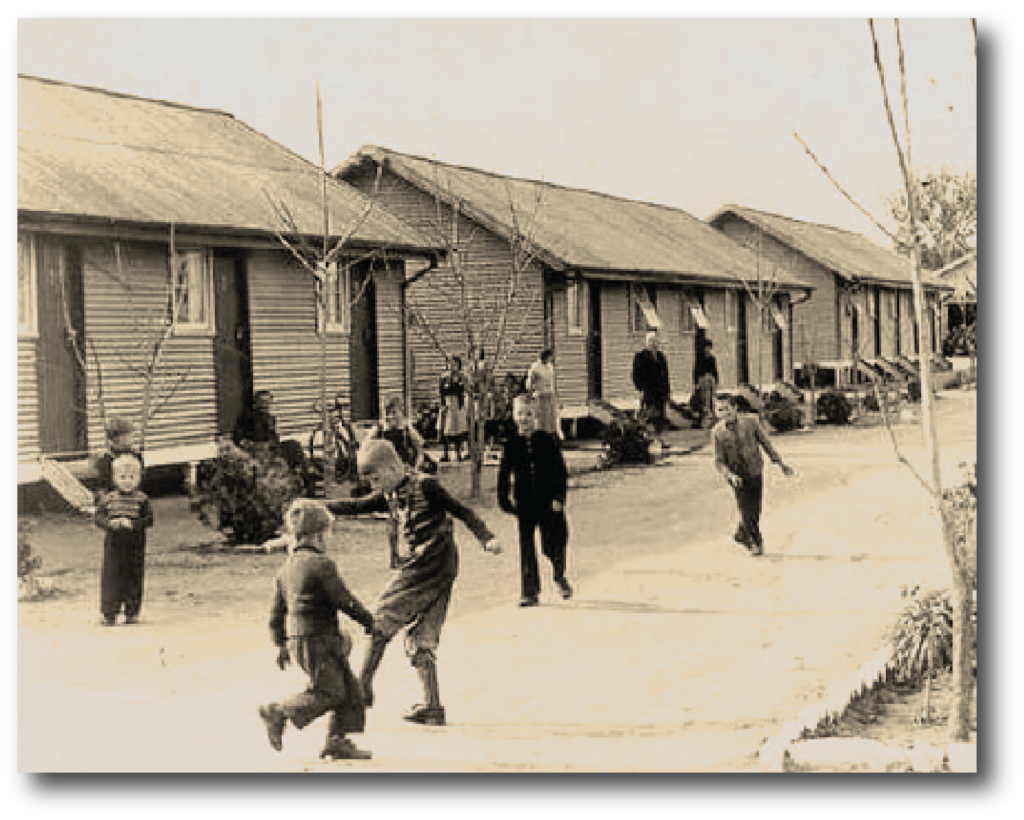
Bonegilla was the gateway. Migrants arrived under assisted passage schemes after surviving war, displacement and hunger. They signed two-year work contracts. The huts were basic, the camp resembling a military installation. During recessions in 1952 and 1961, unemployment left many stranded. Protests erupted; one sign declared Bonegilla a “place of no hope.”

And yet, another theme echoes through Reich’s interviews: solidarity.

“When you arrived at a huge camp like that, you realised everyone was in the same boat,” he says.
“You were never alone.”

Friendships forged in those timber huts have lasted 50 to 70 years.

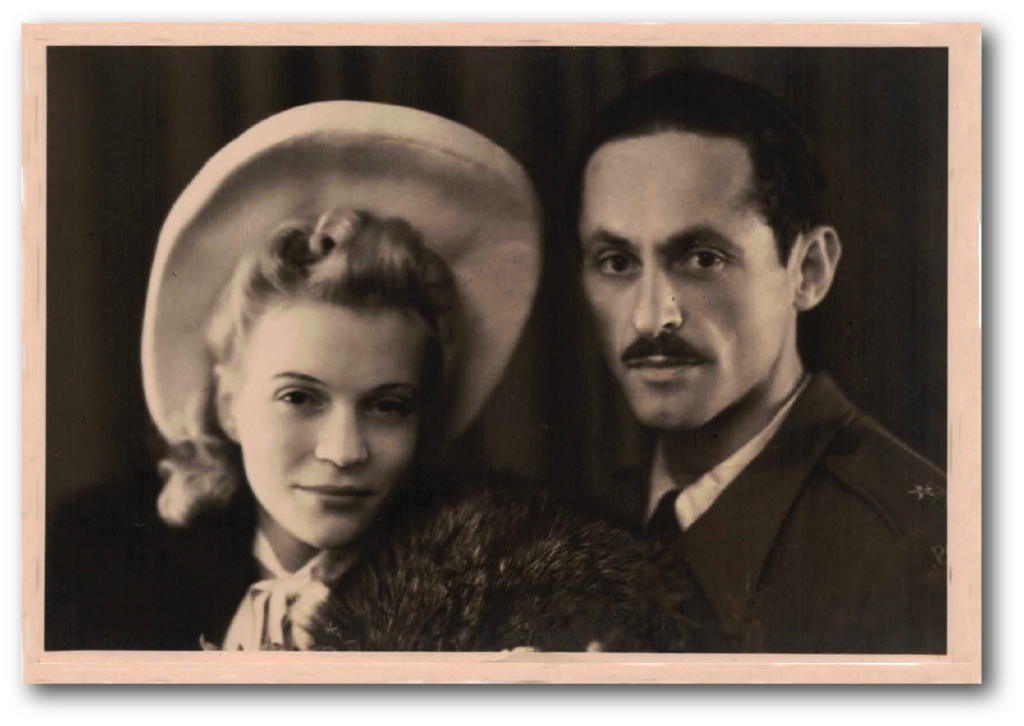
For Reich, the project is personal. His father arrived as a refugee from Germany after World War II, passing through Bonegilla before rebuilding his life in Australia. Seven years ago, when Reich approached the site, now run as the Bonegilla Migrant Experience, he was stunned by the lack of recorded testimonies.

“There were some written accounts, but hardly any video, and what existed was poorly recorded,” he says.

He began filming. Seven years on, he has recorded around 50 in-depth interviews across nationalities.

His process is painstaking. “Basically I record many different nationalities and then transcribe their interviews,” he explains. “I read them like a book and highlight the things that stand out. When I find stories that relate to others, I see a narrative unfolding.”

One sequence became especially powerful.

“Three people told of how their fathers left to fight in the war while their wives were pregnant. When these men returned years later, their child was four or five and didn’t know who they were. Because all three described that same sad but happy reunion, I placed them together. It formed a hard-hitting section of the documentary.”

But when it comes to Greeks, the silence has surprised him.

“I’ve joined all the Melbourne Greek Facebook groups and made constant pleas for people to come forward,” Reich says. “Unfortunately, no one has replied. I’m hoping this article brings people out from the shadows who are willing to share and record their stories with me.”

He is particularly seeking the earliest arrivals.

“I’m mostly after those who came out in the earlier phases from 1947 to 1960,” Reich says. “After that, people flew by airplane and the facilities were upgraded. I’m trying to capture the anecdotes of those who had it the toughest.”

Those pioneers are now in their late eighties or nineties.

“It’s a race against time to preserve these interviews for future generations,” he says.

Reich is developing a sequel, Bonegilla – Their Life in a Suitcase, and is even considering a Greek-focused documentary.

“Depending on how well the plea for Greek subjects goes is how many I can insert into future projects. I’m thinking of doing a full Greek version – but once again, I need willing participants,” he says.

For a community that helped define post-war Australia, the invitation is simple – and urgent: Tell your story. Before it disappears.

To find out where documentary shows are playing around Australia, visit Simon Reich’s website https://www.bonegillamigrants.com.au/ 

Young actors to explore Greek myth in ‘Finding Prometheus’ theatre workshop

A group of schoolchildren will be given the opportunity to learn about the myth of Prometheus and channel the knowledge through acting, during a two-day theatrical workshop at AHEPA Hall in mid-April.

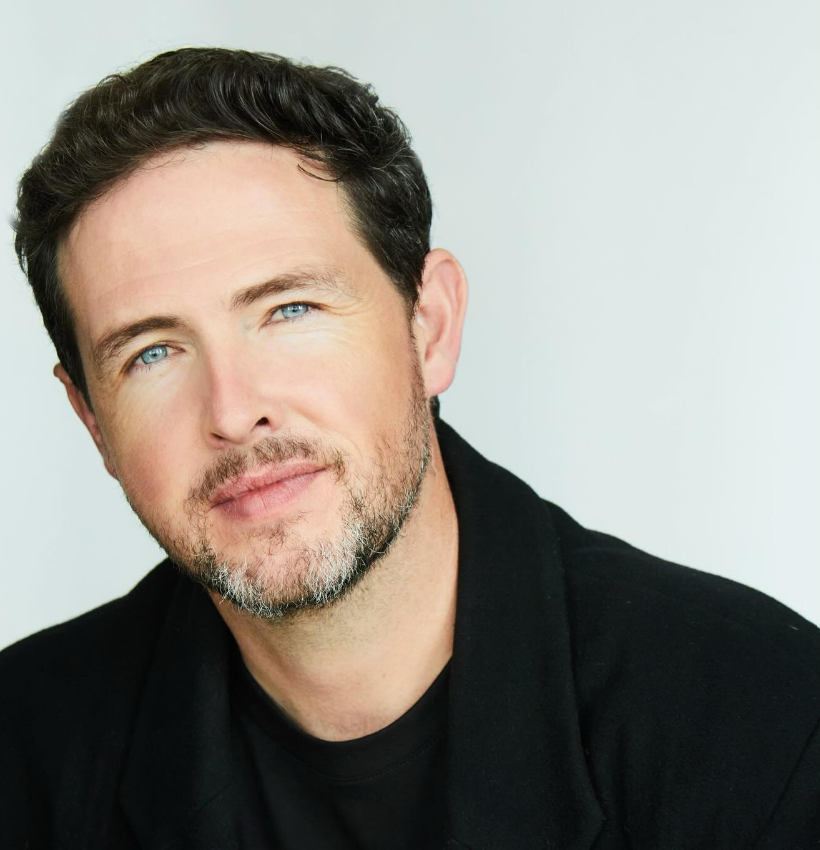
The aspiring young actors, aged between nine and 14, will acquire knowledge and learn new skills under the guidance of two established performing arts mentors – NIDA graduates Phaedra Nicolaidis and Sean Hall.

The workshop, titled Finding Prometheus, will combine mythology, theatre and some Greek language aiming to bring together the transcendental values of dignity, courage and sacrifice, all held to high esteem in ancient times.

As Ms Nicolaidis explained, the goal of the workshop is to offer a learning environment that inspires and encourages artistic expression.

“It will be a work in progress, allowing the children to explore and develop their creativity,” she said.

About her colleague, Mr Hall, Ms Nicolaidis said his contribution will be his deep understanding of the mindset of young talents, his teaching background and his musical training.

NIDA graduate Sean Hall will run the workshop alongside fellow graduate Phaedra Nicolaidis.

Both see their role primarily as facilitators and anticipate interesting thespian interactions between the children, with some of them having performed in school plays.

The theatrical workshop has been organised by AHEPA Sydney & NSW Incas part of the drive to bring Greek culture closer to the young generation.

“The event has our full support, and we hope that this is only the beginning,” Nick Katris, the president of the Cultural Committeeof AHEPA Sydney & NSW Inc, said.

Mr Katris spoke highly of Ms Nicolaidis’ experience in television and stage productions in Australia, which has also been enriched by her collaboration with theatrical companies in Greece, during her working stint there.

“We should make the most of the vast talents of Greek Australians in order to preserve and propagate our cultural heritage,” Mr Katris said.

Finding Prometheus will be held at AHEPA Hall in Rockdale over two days at the end of the NSW school holidays. The workshop will cater for 16 students, with all places already filled.

Michael Alexandratos awarded 2026 National Book Collecting Prize

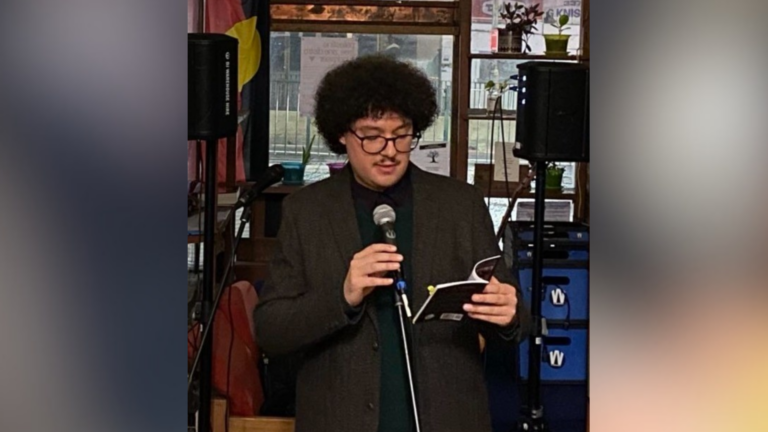
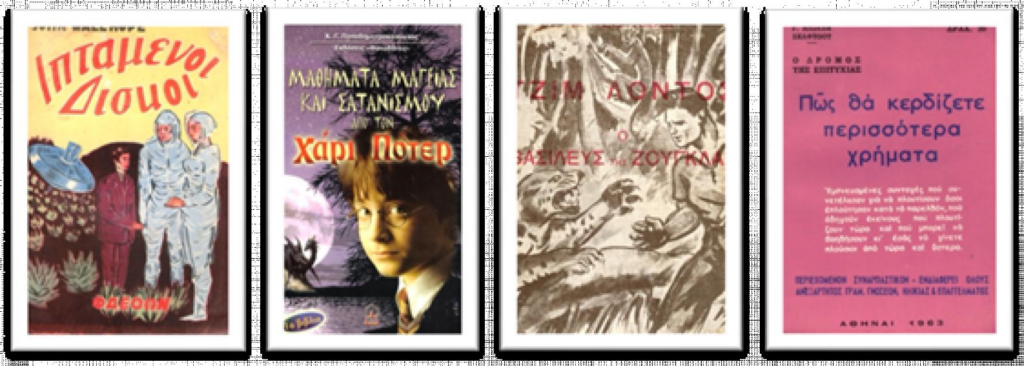
Michael Alexandratos from Roselands, NSW has been awarded the 2026 National Book Collecting Prize for his collection of fugitive literature: Greek Weird Books; Strange and curious books in the Modern Greek language, encompassing poetry, fiction and non-fiction works.

Alexandratos collects Greek-language books that he describes as “marginal literatures” which are “written by marginalised people, or about topics and in genres that never secured a place in the canon,” often challenging conventional ideas of Greece and “Greekness.”

Influenced by rebetika music, folklorist Elias Petropoulos, and Athenian bookseller Nektarios Papadimitriou, his collection emphasises the “weird” and highlights how private collecting can diverge from institutional priorities, while being shaped by geographical limits.

Alexandratos’ interest in seeking out rare and unsual books began in his early teens but has also served practical purposes. “As a researcher and publisher, it became a necessity to build my own archives. Living on the other side of the world, I lacked easy access to Greek libraries, and even then, when I made trips to Greece I realised there were serious gaps in their collections,” he said.

“This is partly due to Greece’s unreliable legal deposit system, and that the books which interested me were never acquisition priorities for major institutions. Today, my collection numbers around 100 titles, dating from the late 19th century to the present day, spanning rare pulp fiction works, bibliophilic art editions and out-of-print paperbacks, all linked by their odd and erratic content.”

Alexandratos’ collection goes beyond personal interest, aiming to place neglected Greek-language books in conversation with world literature. He explained, “My collection made… sense as the starting point for a writing project, narrating and contextualising these books anew for non-Greek audiences.”

His essay for this year’s National Book Collecting Prize impressed judges for its passion, clarity, and accessibility, allowing appreciation of the collection without prior knowledge of the titles.

Alexandratos will receive a prize to the value of nearly $2,000 AUD which includes a cash prize, a return flight to the 2026 ANZAAB Rare Book Fair in Melbourne, gift vouchers, and memberships to the Bibliographic Society of Australia and New Zealand (BSANZ) and the Book Collectors’ Society of Australia (BCSA). He has also been invited to speak about his prize-winning collection during Melbourne Rare Book Week in July.

The National Book Collecting Prize, for Australians up to age 35, was founded in 2019 by Dawn Albinger of Archives Fine Books, which administers and sponsors the award alongside BSCA, BSANZ, and private donors.

Source: International League of Antiquarian Booksellers

Dimitris Basis to headline special concert with WA Youth Orchestra in Perth

Acclaimed Greek vocalist Dimitris Basis will perform at the Taryn Fiebig Concert Hall in Churchlands, Western Australia, at 5pm on Sunday 26 April 2026, joining the WA Youth Orchestra for an unforgettable evening of beloved Greek traditional song.

Renowned for his unmistakable voice and profound emotional depth, Basis will bring the heart of Greek music to the stage in a special concert celebrating Greece’s rich musical heritage. Effortlessly moving between traditional repertoire and contemporary classics, Basis has earned a devoted following across generations.

In this concert, he will present a rich program of traditional Greek songs alongside some of his most cherished works, including Psithiroi Kardias and Spasmeno Karavi. Each performance will reflect his deep connection to storytelling, lyricism, and the soul of Greek culture.

Joined by the WA Youth Orchestra, the music will be reimagined on a grand symphonic scale. This powerful collaboration blends youthful energy with timeless melodies, bringing new colour, depth, and emotion to songs that have long resonated with audiences.

A celebration of memory, emotion, and cultural pride, this concert promises a moving and unforgettable journey through Greece’s enduring soundscape.

Event Details:

  • What: Dimitris Basis with the WA Youth Orchestra
  • When: 5:00pm, Sunday 26 April 2026
  • Where: Taryn Fiebig Concert Hall, Churchlands, Western Australia
  • Tickets: $60–$100
  • Bookings: wayo.com.au

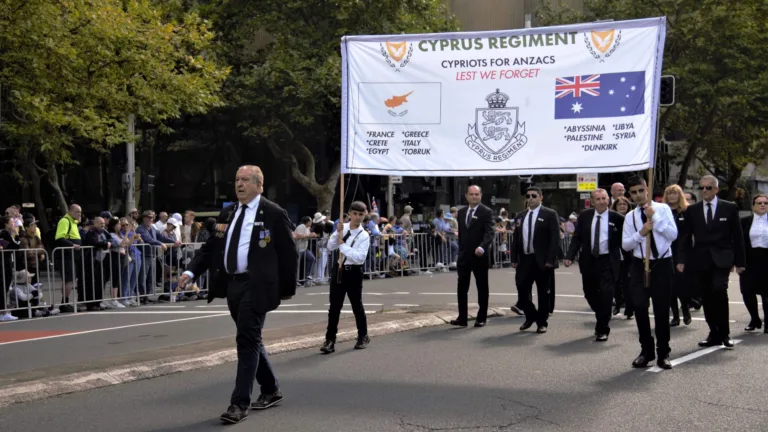
Thousands of Cypriot descendants entitled to march in Sydney on ANZAC Day 2026

By Michael Peters Kyriacou*

On April 25, Australia will commemorate the 1915 ANZAC landings on a peninsula known in antiquity as Kallipolis, meaning “Beautiful City,” a name given by the ancient Greeks who settled the region.

Situated at the entrance to the Hellespont, the peninsula held longstanding strategic importance, controlling access between the Aegean Sea and the Sea of Marmara. In the ancient Greek world, nearby cities such as Cardia and Sestos were central to trade and military movement, effectively controlling key maritime routes, and the region featured in conflicts as early as the Persian Wars.

The connection between the Hellenic world and Gallipoli extends beyond the events of 1915. It is a landscape long associated with Greek history, geography and strategic significance, known across the Greek world from southern Italy and the Aegean islands to Asia Minor, Crete, mainland Greece and Cyprus.

In the modern era, that connection continued, as men of Greek origin — including those from mainland Greece, Cyprus and the broader Hellenic diaspora in Australia — served in the conflicts of the twentieth century.

Cyprus’ contribution to the First World War alongside the ANZACs, together with its significant contribution to the Second World War, is well documented in military records and examined in academic literature. Cypriots served in support roles during the First World War, most notably through the Cyprus Mule Corps, providing logistical support to Allied and ANZAC forces. That pattern continued in the Second World War, where Cypriots enlisted in substantial numbers in British forces, particularly through the Cyprus Regiment.

Historical sources consistently place Cypriot enlistment at approximately 30,000 individuals. With a total population of approximately 400,000 to 450,000, this represents around 6.5% to 7.5% of the entire population.

Military service was concentrated among men of fighting age. The 1946 Census records 65,884 males aged 20 to 39. When assessed against this cohort, the participation rate is 45.5%. Using a narrower cohort of ages 20 to 34, representing 52,044 males, the participation rate increases to 57.6%.

These figures indicate that between approximately 45% and 58% of Cypriot men in prime military age served during the Second World War.

This means that, within the relevant military-age cohorts, wartime service extended across a substantial proportion of the population. By ordinary demographic standards, this is a high mobilisation rate, reaching broadly across households and family networks rather than being confined to a small group.

What does this mean for their descendants today?

There is no dataset that identifies, on an individual basis, which persons have a father, grandfather or relative who served. However, the scale of the descendant population can be reliably estimated using established statistical methods.

The relevant method is the complement rule in probability theory, which determines the likelihood that at least one event has occurred by calculating the probability that none have occurred and subtracting that value from one.

Applied here, it asks a simple question: if a known proportion of men served, what is the probability that at least one male ancestor in a person’s lineage belonged to that group?

Using the historical participation rates and applying the method conservatively to two male ancestors at grandparent level, the probability that a present-day person of Cypriot ancestry has at least one grandfather who served falls between approximately 70.3% and 82.1%. While this assumes independence between family lines, it remains a sound estimate for population-scale outcomes where complete genealogical data is unavailable.

Based on 2021 Census data, 40,091 Australians identify with Cypriot ancestry, of whom 36.5% reside in New South Wales, producing an estimated population of approximately 14,633 people.

Applying the model to this population produces a range of approximately 10,293 to 12,007 individuals likely to have at least one grandfather who served. On a conservative basis, taking into account statistical margins of error, it is reasonable to conclude that at least 9,000 people in NSW of Cypriot ancestry have a direct wartime family connection.

A mobilisation rate of this scale means the Second World War was embedded across a substantial share of Cypriot family histories. A large number of individuals of Cypriot ancestry in NSW therefore have a genuine basis for descendant commemoration.

Under current RSL NSW arrangements, descendants are eligible to march on April 25.

Australians of Cypriot descent are encouraged to come forward, recognise that service, and ensure that this history is carried forward. The contribution of Cyprus across both world wars was significant, and its formal recognition has been long overdue.

The Community has committed substantial resources to this effort, supported by volunteers who have worked to place this issue on the agenda of governments and institutions in Australia and internationally. That work is increasingly being recognised, including by diplomatic representatives of allied nations in Australia.

The subcommittee is advancing plans to implement a dedicated annual commemoration, comprising a church service and ceremony at the Hyde Park Memorial, to formally recognise the descendants of those who served in all conflicts.

“Lest we forget” carries particular weight for Australians of Cypriot ancestry. It is a duty to remember and honour those who served. ANZAC Day is a moment for all Australians to come together in that spirit – to reflect, acknowledge sacrifice, and ensure that these histories are not lost.

The number of eligible participants able to take part in ANZAC Day and related commemorations is substantial.

All Australians of Cypriot descent are invited to register online at https://thecyprusclub.org.au/anzac-day/

A particular focus is on engaging younger generations. Participation in the Cypriots for Anzacs initiative is open and accessible through the Community’s website, and new members are encouraged to contribute to its ongoing work.

On ANZAC Day, all are invited to come forward, register, and take your place in remembrance.

*Michael Peters Kyriacou is Honorary President of the Cyprus Community of NSW, and Member of the Cypriots for Anzacs Subcommittee
Greece to host 3rd Greek Youth Diaspora Symposium in Athens

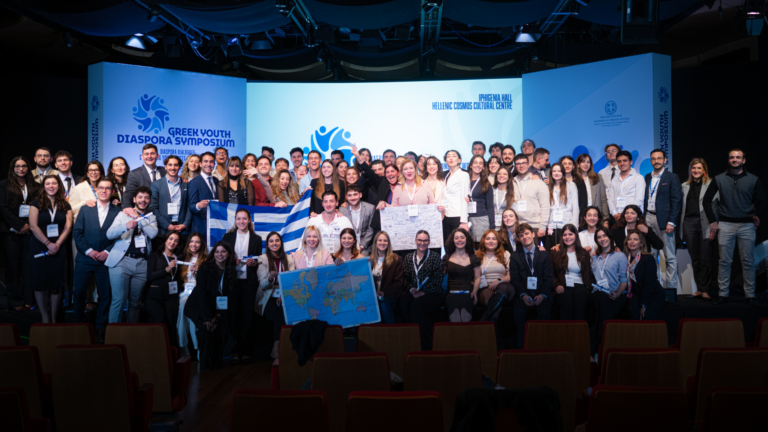
The Greek government has announced the upcoming 3rd Greek Youth Diaspora Symposium, which will take place in Athens from 18 to 25 June 2026, bringing together young people of Greek heritage from across the globe.

Organised by the General Secretariat for Greeks Abroad and Public Diplomacy, the initiative forms part of ongoing efforts to strengthen engagement between Greece and its international diaspora, particularly among younger generations.

The symposium is expected to attract participants from a wide range of countries, reflecting the global footprint of Hellenism today.

The week-long program will centre on a series of thematic discussions and collaborative sessions exploring key areas such as Greek identity in a global context, the role of language and education in preserving cultural continuity, and the importance of innovation and entrepreneurship within diaspora communities.

Additional focus will be placed on culture and creative expression, as well as youth leadership and civic participation.

Through a structured program of forums, workshops and networking opportunities, participants will be encouraged to exchange ideas, share experiences, and build connections with peers from different parts of the world.

The initiative also aims to foster a greater sense of belonging and collective identity among young Greeks abroad, while reinforcing links with contemporary Greece.

The symposium builds on previous editions of the program, which have sought to create a platform for dialogue between diaspora youth and institutions in Greece, as well as to highlight the evolving role of younger generations in shaping the future of global Hellenism.

It is understood that the program will include a range of cultural and educational activities, offering participants a broader experience of Greece alongside the formal symposium agenda.

The initiative reflects a continued focus by Greek authorities on diaspora engagement, with particular emphasis on strengthening long-term connections, encouraging participation, and supporting the next generation of Greek Australians and other diaspora communities worldwide.

Pan-Macedonian Association of NSW to mark 85th anniversary of the Battle of Vevi

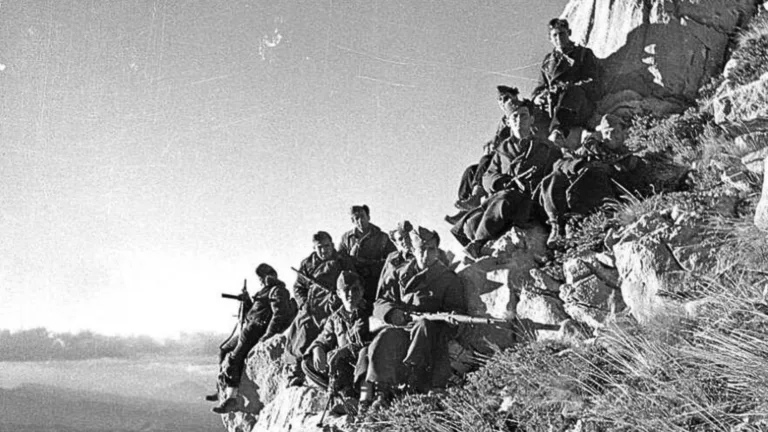
The Pan-Macedonian Association of NSW will host a special commemorative event on Sunday 19 April 2026 to mark the 85th anniversary of the Battle of Vevi, honouring the courage, sacrifice and legacy of the Greek and ANZAC soldiers who fought together in northern Greece in April 1941.

The Battle of Vevi, fought on 11–12 April 1941, holds a significant place in the shared wartime history of Greece, Australia and New Zealand. It was one of the earliest occasions in which ANZAC forces confronted Nazi troops on European soil, standing alongside Greek soldiers in defence of freedom, democracy and sovereignty.

To commemorate this important anniversary, the Pan-Macedonian Association of NSW will hold a community event at Marrickville Pavilion Hall, located within the Marrickville Library, from 2:00 pm to 4:30 pm.

The ceremony will provide an opportunity for community members, dignitaries and descendants of veterans to reflect on the bravery of those who served and to acknowledge the enduring bonds between the peoples of Greece, Australia and New Zealand.

The Association is honoured to welcome Dr Panayiotis Diamadis as the keynote speaker for the occasion. His address is expected to highlight the historical significance of the battle and the contribution of those who fought on Greece’s northern borders during one of the most critical moments of the Second World War.

The event will also serve as a tribute to all ANZACs who defended Hellenism and stood for liberty during the wartime campaigns in Macedonia. In doing so, it reaffirms the importance of preserving historical memory and passing these stories on to future generations.

This year’s commemoration will take place in a new venue format, and as such, no wreath-laying ceremony will be conducted.

Hosted by the Pan-Macedonian Association of NSW, the event is a meaningful reminder of the shared history and friendship forged through sacrifice. Community members are encouraged to attend and join in honouring the fallen and remembering a battle that remains deeply significant to Hellenic and ANZAC history alike.

The event will be held at 313 Marrickville Road, Marrickville, and bookings can be made via TryBooking here: www.trybooking.com/DKUIM