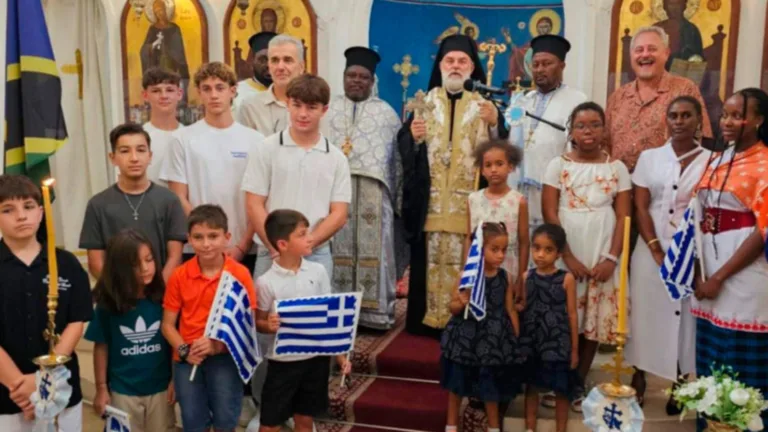
The newly established Greek school of the Greek community in Dar es Salaam, Tanzania, began operating this year, marking a significant step in efforts to preserve Greek language and cultural identity in the country. The school is staffed by educator Nikos Kommatás, who brings decades of teaching experience in Greece and Africa and whose mission extends beyond language instruction, according to protothema.gr
The initiative follows years of attempts to strengthen Greek education among Tanzanian Greeks. As the Greek Ministry of Education has not seconded teachers to Tanzania since 1980, the local community decided to establish the school independently, inviting Kommatás to lead the effort from the ground up.
According to Dimitris Mantheakis, vice president of the Greek Community of Tanzania and chairman of the school’s board, the aim is to maintain strong ties with Greece and ensure that Greek identity and tradition endure across generations. The teacher’s salary is fully covered by the community.
The school currently serves 32 students aged 4 to 87, including members of the Greek diaspora and individuals connected to Greece through family or professional ties. Students are divided into nine groups based on age and learning needs. Lessons combine language, history, literature and music, often using interactive digital material created by the teacher.
Classes are held weekly, with additional online lessons for children in Arusha. Plans are also underway to mark national celebrations such as March 25 with community events featuring the Greek flag and national anthem.
The Greek community in Tanzania numbers around 150–160 people, with Dar es Salaam hosting the largest concentration. Community leadership continues to support education, healthcare and cultural activities, viewing the school as a bridge between East Africa and Greece and a key pillar in sustaining Hellenic heritage abroad.
The annual stream of European summer holiday photos now seems to stretch well beyond the traditional peak – and there’s a clear reason why, according to theaustralian.com.au. Increasingly, Australians are choosing to travel to Europe during the shoulder seasons of April–May and September–October, drawn by lower costs, milder weather and thinner crowds.
Flight booking data from Webjet shows June remained the most popular month for Europe-bound Australians in 2024, accounting for 16.7 per cent of bookings. July and September followed at 12.6 per cent each, with August close behind at 12 per cent and May at 11.3 per cent. Early figures for 2025 suggest demand for May and September travel is holding steady, reinforcing the strength of shoulder season travel.
Australian Travel Industry Association chief executive Dean Long said the decline of traditional early-bird airfare deals has pushed travellers to seek value outside peak periods.
“I’m not sure shoulder seasons will ever overtake the peak period but they are growing in popularity as people are trying to find good value at a good price,” he said.
Flight Centre Travel Group managing director Graham Turner said travellers were increasingly keen to avoid Europe’s crowded summer months, when locals are also on holiday.
“So that’s when everything is crowded, everything is packed… It’s just a more pleasant experience.”
The trend has also led to earlier planning. In 2025, 25 per cent of Australians booked European trips more than six months ahead, while 35 per cent booked three to six months in advance — both higher than in 2024.
While Europe’s shoulder seasons are booming, destinations such as Bali and Japan continue to attract Australians year-round. Travel to the US, however, remains subdued, with Mr Turner citing political uncertainty as a key deterrent.
In ancient Greece, the beard was an important symbol for men. It acted as a badge of virility; a sign of manliness. In the epics of Homer, the beard was treated with such reverence that heroes would touch the beard of men they were addressing.
By the Classical era, the beard also had connotations with wisdom and became particularly associated with the philosophers. Socrates, Plato and Aristotles were all bearded. So prevalent was the connection that there was an ancient saying; “a long beard does not make a philosopher.”
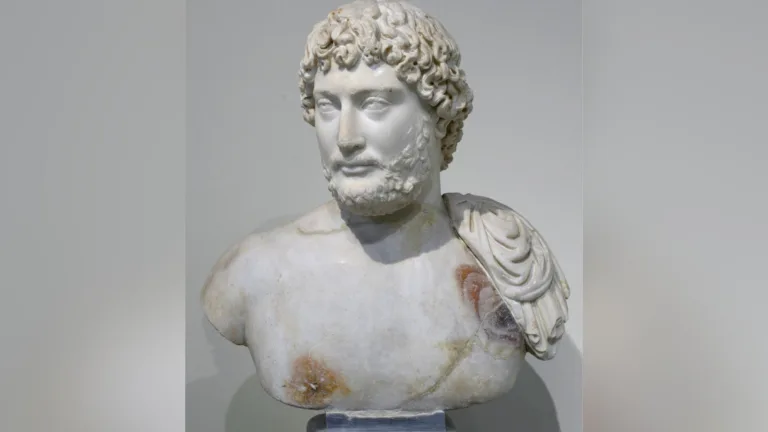
In contrast, for much of Roman history, clean-shaven was the preference. Until the Roman emperor Hadrian (76-138 CE; reigned 117-138 CE) that is. Hadrian was the first Emperor to consistently wear a full-beard.
Some contemporary sources said this was to express his admiration for Greek philosophy and cultural traditions. Others, less-kindly, said the beard was a means of hiding his blemished facial skin. Either way, under Hadrian, the beard in Rome became popular too and the “Atticising” trend became a symbol of intellectual sophistication.
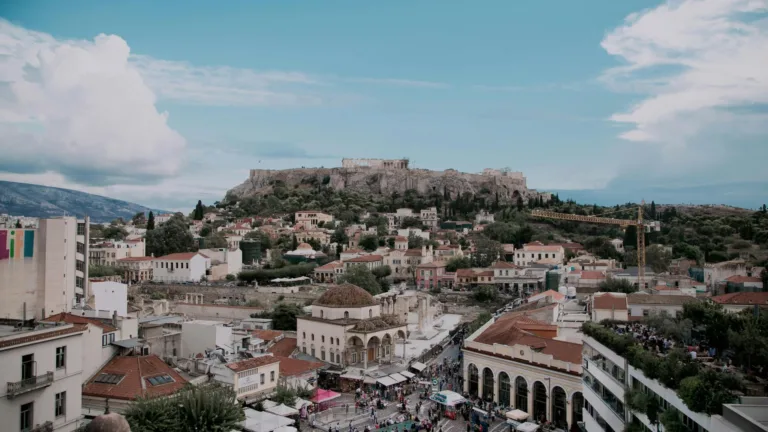
No other Roman emperor was so influenced by Greek culture, and in return no other Roman shaped Athens so much. In his thirties, Hadrian spent time in the city and was granted Athenian citizenship. When he was Emperor, he returned to the city several times, extolling Athens as the spiritual centre of Greek culture and as the cultural capital of the entire Empire.
His influence on Athens is still visible. The Arch of Hadrian (Hadrian’s Gate) still stands, while he oversaw the completion of the Temple of Olympian Zeus (Olympieion) which had begun more than seven centuries earlier. Water fountains and aqueducts were constructed under his reign and the Theatre of Dionysos modified. Hadrian’s Library, of which the western wall still stands, was constructed just to the north of the Agora under the shade of the Acropolis.
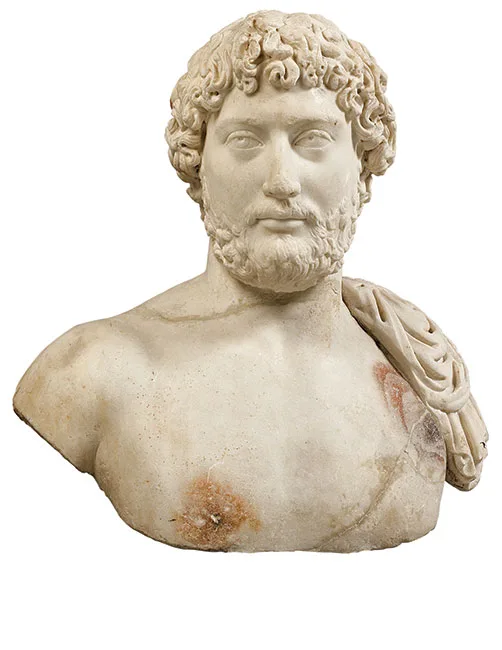
So, of course, it is not surprising that statues of the bearded Emperor citizen are common in Athens as are representations of his (clean-shaven) young Greek lover Antinous. Perhaps most famous is the idealised portrait bust of the emperor carved from Pentelic marble and now in the National Museum of Athens, showing the emperor with his Greek beard. It was found near the Olympieion.
Just as impressive is the broken colossal statue of the emperor, now in Piraeus Museum and found near Roman baths in the port city in 1963. It too is made from Pentelic marble and the bearded head survives to just over 1.48 metres, but the statue is estimated to have stood at more than three metres high. Another colossal portrait with an oak wreath was also likely found in the Olympieion.
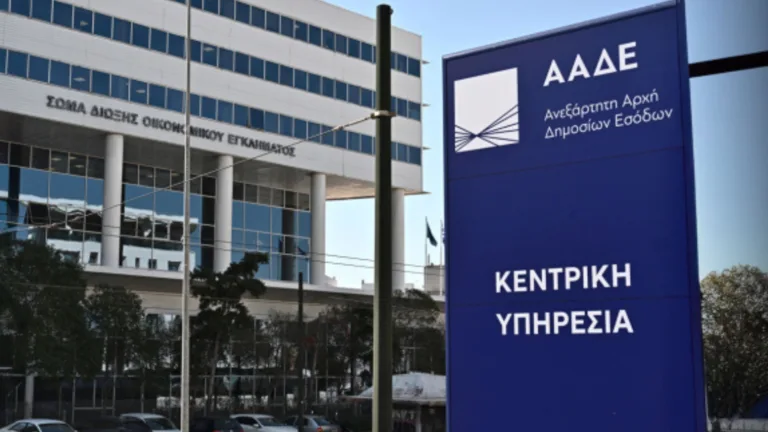
The Independent Authority for Public Revenue (AADE) has released a new practical guide aimed at addressing some of the most common tax-related issues faced by Greeks living permanently abroad who continue to have obligations in Greece, according to en.protothema.gr.
The guide sets out, step by step, how expatriates can obtain a tax identification number (AFM), access TAXISnet and myAADE, submit income tax declarations, and understand what applies to property ownership, vehicles and tax residency. It also outlines special tax regimes for pensioners, employees returning to Greece and investors
According to the guide, the starting point for any interaction with the Greek tax system is registration with the tax authorities. The issuance of an AFM, activation of digital access codes and entry to myAADE can now be completed remotely, including identification via video call, eliminating the need for a visit to a local tax office. Alternatively, taxpayers may appoint a tax representative in Greece through a power of attorney and a signed acceptance declaration.
A central section focuses on tax residency. Individuals who live permanently abroad may apply electronically to transfer their tax residency outside Greece by submitting form D210. Once approved, they are no longer taxed in Greece on their worldwide income. However, income originating in Greece—such as rent, pensions, interest, dividends, royalties or occasional employment—must still be declared, even by foreign tax residents. Simply owning property without income or a non-operational vehicle does not automatically trigger a filing obligation.
The guide also highlights double taxation treaties, stressing the importance of providing a tax residency certificate from the country of residence to avoid being taxed twice. It further explains preferential tax regimes for returning pensioners, incoming employees and investors, all of which require timely applications.
Finally, AADE emphasizes the importance of digital services, noting that most procedures can now be completed online, helping expatriates avoid long-standing bureaucratic complications.
Global wealth is increasingly on the move, and Greece has secured a place among the most attractive destinations for the ultra-rich, tovima has reported. According to the Henley Private Wealth Migration Report 2025, Greece ranks within the world’s top ten countries drawing in millionaires, alongside the United Arab Emirates, the United States, Italy, Switzerland, Saudi Arabia, Singapore, Portugal, Canada, and Australia.
The report points to a sharp rise in cross-border relocation among high-net-worth individuals-defined as those with assets exceeding $1 million. In 2025 alone, more than 142,000 millionaires are expected to relocate worldwide, including several thousand with fortunes above $30 million.
This unprecedented movement of capital is visible in booming construction from Dubai to Lisbon and from Miami to Athens. While lifestyle factors such as climate, food, and coastal living remain important, financial and strategic considerations are equally influential. Favorable tax regimes, strong investment prospects, personal security, and access to advanced infrastructure all play a decisive role.
Leading the global rankings, the United Arab Emirates is projected to attract 9,800 new wealthy residents this year. The United States follows with an estimated inflow of 7,500 millionaires, many arriving from Asia, Latin America, and the UK. Italy ranks third, drawing around 3,600 newcomers, supported by its 4% inheritance tax, cultural appeal, and renowned quality of life.
Switzerland, Saudi Arabia, Singapore, Portugal, Greece, Canada, and Australia complete the top ten. Greece’s growing appeal is linked to its investment migration schemes, competitive tax environment, and Mediterranean lifestyle. Demand for luxury real estate is rising sharply, particularly along the Athens Riviera and in the Cyclades islands.
In contrast, the United Kingdom is expected to experience the largest net outflow in 2025, with approximately 16,500 millionaires leaving. Significant losses are also forecast for China and India, as well as France, Spain, Germany, Ireland, Norway, and Sweden.
Property ownership remains central to this global shift in wealth. Many ultra-high-net-worth individuals maintain multiple luxury residences across different countries, using real estate as a hedge against uncertainty, a long-term investment, and a means of sustaining international mobility.
As geopolitical instability, climate pressures, technological transformation, and evolving tax policies reshape global priorities, this “great wealth migration” continues to gather pace-with Greece now firmly positioned among the world’s most desirable destinations for the global elite.
Researchers have identified the long-forgotten site of Washingtonia, a brief but ambitious 19th-century refugee settlement in Greece established by American doctor and humanitarian Samuel Gridley Howe, according to ekathimerini.com. The discovery, reported by Archaeology Magazine, revives a largely overlooked story connecting the Greek struggle for independence with early American philanthropy.
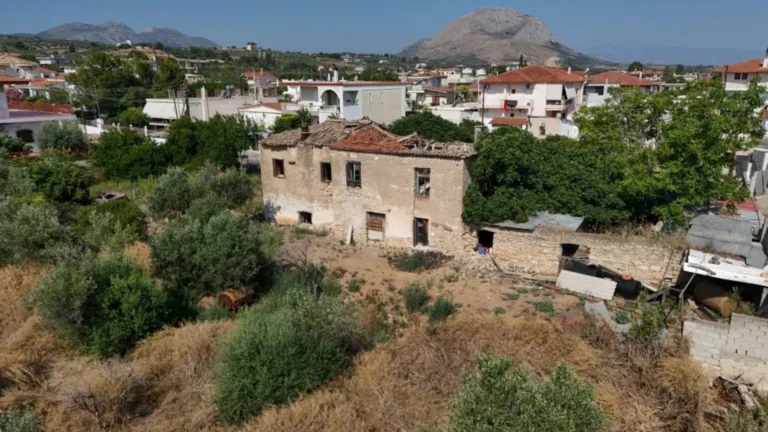
Washingtonia was founded in the late 1820s, following the Greek War of Independence, as a planned community for displaced Greek families. Created through the collaboration of Howe, Greece’s first governor Ioannis Kapodistrias, and prominent philhellenes, the settlement aimed to be self-sufficient. It was built on 2,000 acres near the abandoned village of Ano Examilia on the Isthmus of Corinth. Howe supervised the reconstruction of houses, cultivation of farmland, establishment of schools, and even the opening of a pharmacy-an uncommon institution in Greece at the time. Within its first year, the colony is believed to have supported more than 225 residents.
Despite early optimism, the settlement did not endure. Agricultural setbacks, disease among livestock, attacks by bandits, and ongoing political unrest led to its decline. Howe departed Greece in 1830, and by the mid-1830s Washingtonia had effectively disappeared, fading from historical memory.
Interest in the lost colony was renewed in 2016, when a team led by archaeologists David Pettegrew and Kostis Kourelis, along with geospatial expert Albert Sarvis, launched a new investigation. Their key breakthrough came from an unpublished 1830 draft map created by French geographer Pierre Peytier, an acquaintance of Howe. By digitally aligning the historic map with modern geography, the researchers traced the settlement to Botizia ridge, where they uncovered structural remains and artifacts overlooking both the Saronic and Corinthian gulfs.
The discovery will be detailed in an upcoming issue of the Journal of Greek Archaeology. It is also explored in a series of digital projects, including an interactive story map and a student-produced documentary. The full report is available through Archaeology Magazine, published by the Archaeological Institute of America.
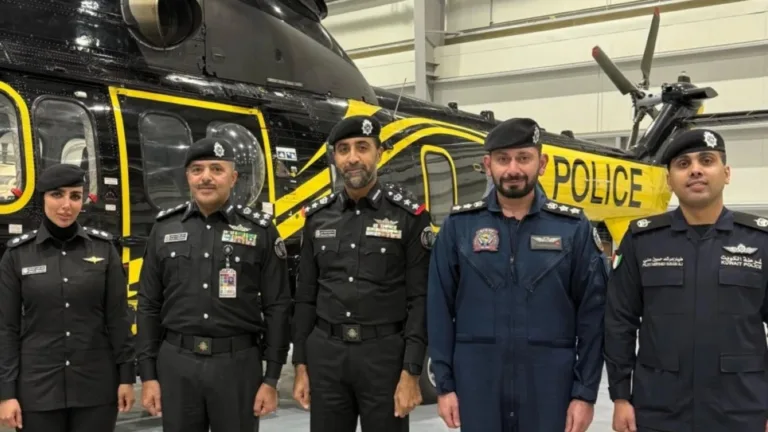
The Interior Ministry of Kuwait announced on Sunday that First Lieutenant Dana Al-Shaleen has been selected to study aviation sciences in Greece, becoming the first woman in Kuwait’s history to serve as a police pilot, according to kuwaittimes.com.
In a statement issued by the ministry, Director General of the Police Aviation Department Air Commodore Salem Al-Shehab described the scholarship as a historic milestone for Kuwait’s security and military institutions. He explained that Al-Shaleen will undergo intensive academic studies and practical flight training in Greece to qualify as a pilot officer.
“This step clearly embodies the state’s vision of empowering women and enhancing their participation in various security sectors as well as keeping pace with the latest developments in the security field,” Al-Shehab stated.
He added that the initiative comes as part of the Interior Ministry’s ongoing modernization efforts led by First Deputy Prime Minister and Interior Minister Sheikh Fahad Al-Yousef Al-Sabah.
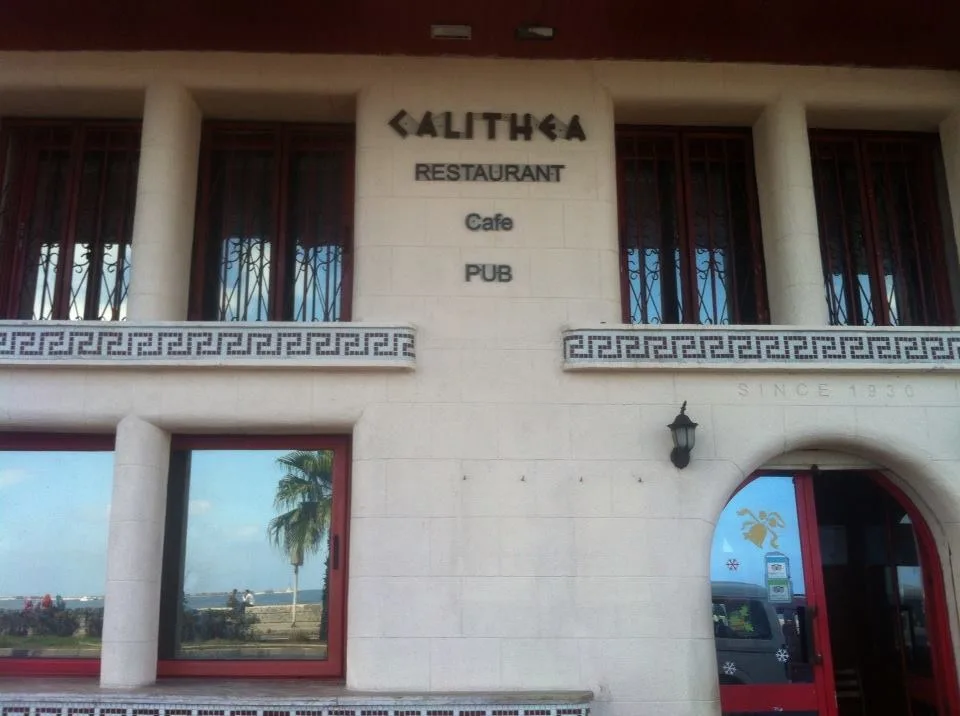
As I sat by the 1920s style Greek owned cafe opposite the harbour, I reflected on two simple questions I asked locals.
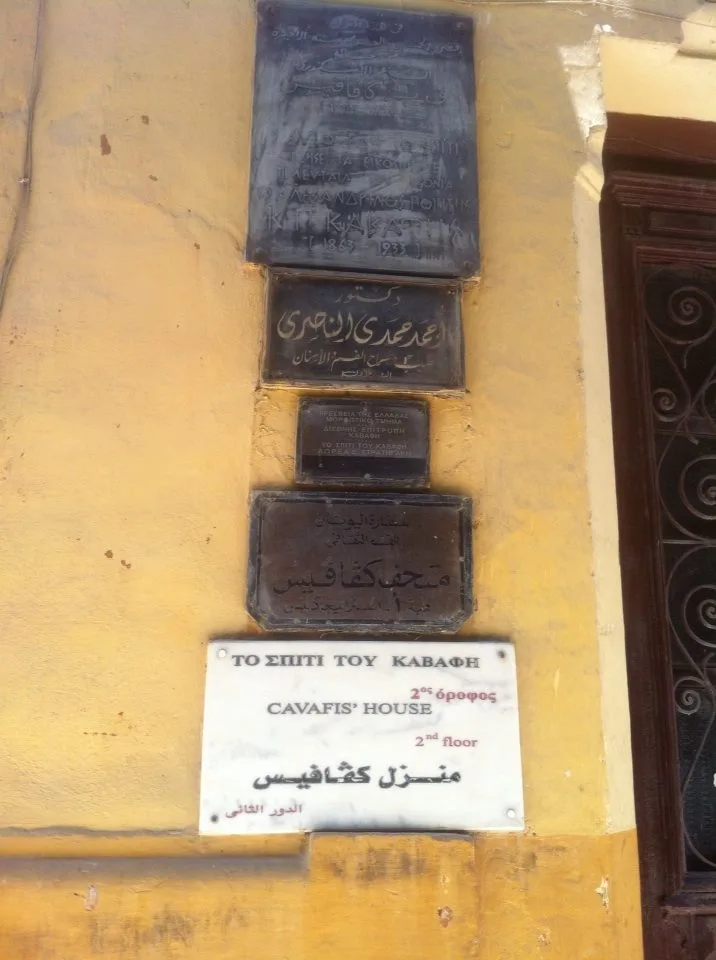
The first was in relation to a great poet. “Do you know where I can find the House of Cavafy?” I asked an Egyptian, who replied, “you mean the Greek poet?”
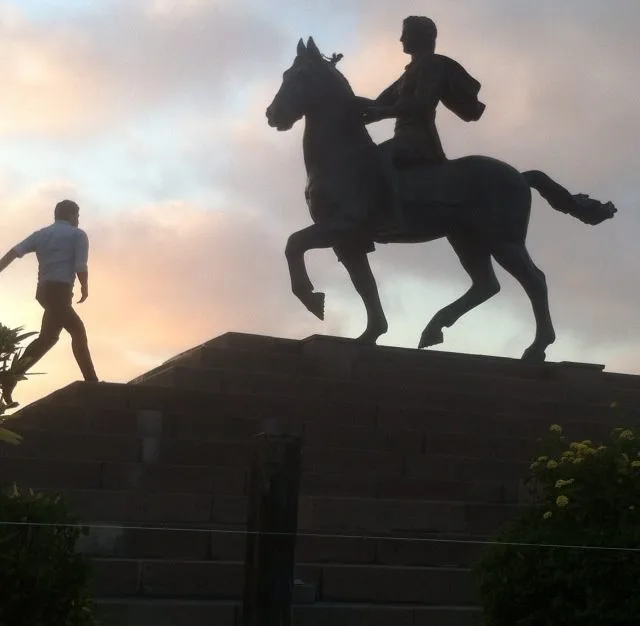
The second, “do you know where I can find the Greek Community Club?”, I asked another Egyptian. “Ah you are a Greek man, you will see the Alexander the Great Statue on the main road, he is Greek too.”
It was a fair indication that the people of Alexandria are comfortable with recognising the Greek past.
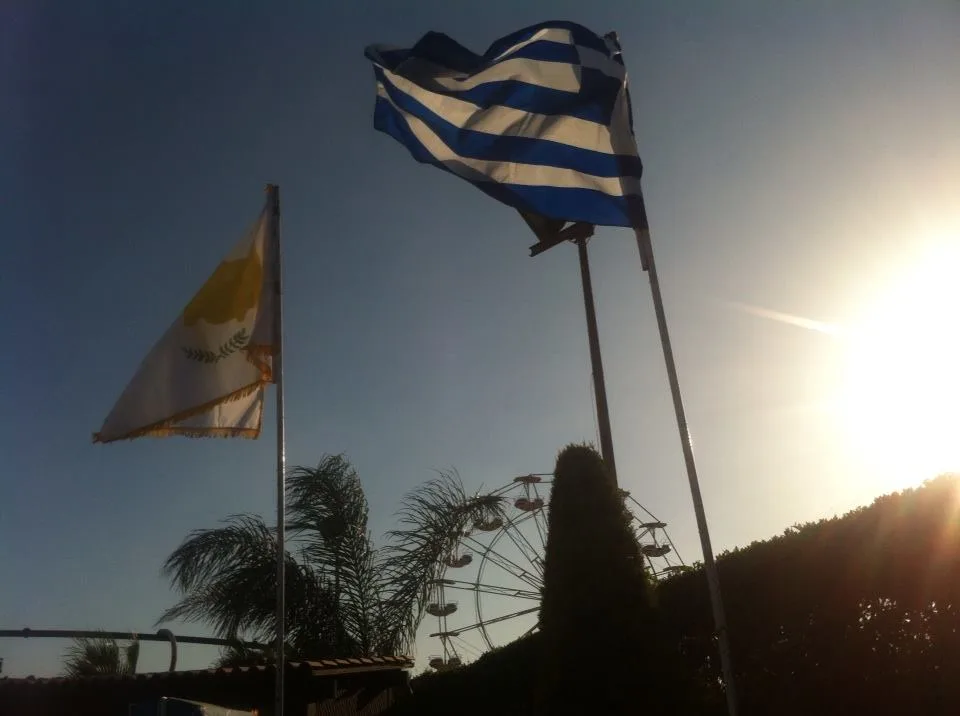
Hellenic flags fly at the Greek Community in Alexandria.Statue of Alexander the Great in Egypt.Billy at Cavafy’s house in Alexandria.
In the 1950s and 1960s, the once vibrant Greek community of Alexandria was emptied out. Driven out due to the nationalism under President Nasser. Numbers vary but it is likely that there were close to 400,000. I have bumped into people who were either born there or have parents from the city of Alexander. In London, Athens, Cyprus, Sydney, Melbourne, New York.
I was in Alexandria and was able to meet the remainder of the Greek Community, those who chose to stay. I was told that there are over 4,000 people of Greek origin in Alexandria and perhaps 10,000 in Egypt all up.
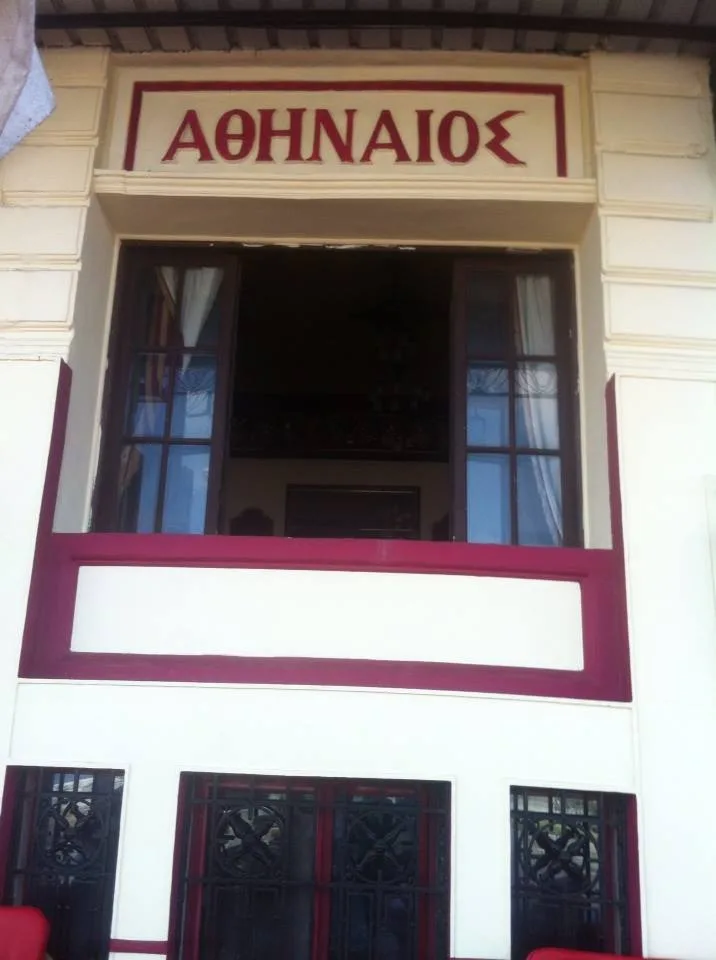
Every day I would play a game of spot the Greek shop, hoping to meet Greek speakers. Excitedly, I would enter an establishment such as Atheneos and ask if the owner was there. Sadly, just about all of them were no longer owned by Greek people. What was interesting is that out of respect to the previous Greek ownership, they keep the name of the business.
Former Greek owned eateries.
Possibly the most famous citizen was Cleopatra, the last Hellenic queen of Egypt. How can this be true, I hear you ask?
When Alexander the Great conquered Egypt in 334, he established an amazing new city called Alexandria. When Alexander died in 323BC, one of his favourite generals Ptolemy took control of Egypt and the surrounding lands, establishing the Ptolemaic kingdom. The Hellenic city of Alexandria was the capital, a city that was rivalled only by Babylon, Athens, Rome and Constantinople.
This Kingdom was unique. Royalty only spoke Greek and intermarried (we now call that incest) to protect the bloodline. Conversely, they also called themselves successors to the Pharaohs. A smart policy that Alexander had created as he sought to blend Greek with local cultures.
Ptolemy adopted many local customs to keep the local population on side. His successors never learnt the local language. Cleopatra was the first to speak a language other than Greek or Latin! Actually, if you were a Greek living in Egypt, you were subject only to Hellenic law.
The Ptolemaic Kingdom ended in 30 BC when Cleopatra, having chosen to side with Marc Antony, was defeated by Rome. She was only 39 years old.
Cleopatra is one of the most famous women of all time, perhaps the most famous. Pity though that the Ptolemaic Kingdom is not as well known.
At its peak, the Kingdom included Libya, Cyprus, Egypt and part of the Middle East. They also encouraged the migration of tens of thousands of Greek speakers who formed the elite ruling class.
Alexandria.
Prior to the arrival of the all conquering Alexandros, a city called Naucratis existed. The proximity of Egypt to Greece ensured there was a continuous presence of commercial traders, with archaeological evidence suggesting this extends as far back as Minoan times. The small settlement of circa 570 is not too far inland from where Alexandria was built, on the Nile. Naucratis was built for Greek merchants, becoming one of the most important ancient Hellenic cities in Africa, the first permanent Greek city in Egypt.
However, Herodotus tells of a story whereby shipwrecked Greek renegades land in Egypt. The ousted Pharaoh Psammetichus had been foretold of their arrival via an Oracle and employed the men to regain power. As a reward they may have been given land on the Nile, which could be the ancient city of Daphnae, creating their own colony.
Ptolemy, like the other Diadochi generals in the Hellenistic Era, initially claimed to rule on behalf of the Macedon (Alexander) dynasty. Within a year, the wars of the Diadochi were taking place and he defended Egypt from an invasion by Perdiccas. Thereafter he consolidated territory in Egypt and its surrounds; this included Palestine/Judea, Cyprus and a foray into Greece. Confident that he was the master of the region by 305, he declared himself King of Ptolemaic Egypt and taking the title of Saviour, “Soter.” Whilst he may have been master, he lost Cyprus and earned the wrath of the Seleucids of Syria for extending his empire into Asia.
In 295 he recaptured Cyprus. A number of other Greek cities were created and Greek education flourished. Ptolemy retired in 285, succeeded by his Queen Berenice and their son Ptolemy II. Most of their successors would be called Ptolemy. Just like the Greek Seleucids in Asia, they didn’t seem to deviate much in the name department.
The second Ptolemy was known as Philadelphus. Whilst being known as one who was highly educated and cultured, he conquered many Aegean islands and parts of Asia Minor.
By 270, Philadelphus expanded further south in Egypt against the Kushite Kingdom (Sudan) which once controlled Egypt. What is important about this development is that Hellenic culture spread deeper into Africa.
Philaddelphus became the patron of arts and scientific research whilst the great Library of Alexandria was expanded significantly.
Ptolemy Eugergetes came to power in 246, conquering more territory in Asia at the expense of the Seleucids, whilst he ventured further north in Greece as far as Thrace.
Ptolemy IV Philopator rode out the remainder of the century to 205, again a King who married his sister. His reign was known for native Egyptian rebellions.
His infant son ruled to 181 and took the surname Epiphanes. Agathocles was the initial regent whilst the child remained a minor, only to be replaced by an incompetent administration.
With Macedon and the Seleucids circling, the former had regained possessions in Thrace and the Aegean, the Ptolemies took a highly unusual step. One that earmarked them for eventual conquest. They took the phone a friend option and brought in Lepidus from Rome. He helped them reorganise Egyptian affairs including the military set up. In turn he brought in Thessalian Aristomenes to help manage state affairs.
The competent Aristomenes was poisoned by the young King around the time of his being 17. Epiphanes was in turn murdered by his own military officers.
He was then succeeded by his seven-year-old son. Yet again a child ruler; fortunately his mother, another Cleopatra, was an able administrator.
By 170, the Ptolemies invaded Syria unsuccessfully and were easily repulsed by King Antiochus. Had it not been for a second intervention by Rome, Egypt may have been conquered. This incident highlighted two issues. The stupidity to invade a fellow Hellenic empire which is a constant theme in Greek history, and the almost “unalienable right” of Rome to interfere in Ptolemaic Egypt.
Over the next eight decades, a series of rulers quarrelled and fought within their family, leading to civil war and the consistent intervention of Rome. At one stage the Kingdom was split between Egypt proper, and Cyprus as rival brothers reigned, Dionysos and Auletes.
Around 55BC, the latter, previously driven out of Egypt by the local population, was returned to his throne by Pompey. No Greek or Egyptian was keen to fight the Roman forces which by now controlled most of the Mediterranean. The once mighty Ptolemies were now on the brink of collapse.
The King was succeeded by his teenage daughter Cleopatra in 51 and her 13-year-old brother, who became her husband! Not content with sharing rule of Egypt, civil war broke out, leading her to flee Egypt. This is where Julius Caesar comes to the rescue as a Prince Charming and protector.
By 48 they had regained Egypt. Cleopatra, though installed to the throne, was forced to marry her other brother. She had him poisoned four years later.
Cleopatra remained ruler until the romantic end in 30. Her liaison with Marc Antony resulted in disastrous consequences for both of them. Whilst it was only a matter of time before Egypt was officially conquered, one cannot help thinking that Marc was the wrong choice as lover and protector. Tinder didn’t exist then!
As a noble queen, Cleopatra, defeated in battle, took her own life. Thus, ended the Ptolemaic Empire, arguably the equal of the Seleucids as the best Hellenic entity to emerge post Alexander, and is the greatest Hellenic empire in Africa.
The competition for this title includes Cyrene in Libya, the Byzantine presence (534 – 711 AD) and the short-lived Alexandrian empire. Each of these had a profound impact on their time, however they were short lived. It is the Ptolemies who had a lasting impact as they produced a plethora of writers, artists, philosophers, scientists, linguists and architectural triumphs.
One of the most influential Greek astronomers and mathematicians is Ptolemy Claudius, a Greek from Alexandria. Hundreds of poets such as Palladas or mathematicians such as Aristaeus the Elder, Thedorus the philosopher or Euclid the patron of geometry were born here. Add the talented librarian Eratosthenes; he was the man who understood chronology, geography and measuring the circumference of the earth. Ctesibius created the compressed air (a pump is an example). The list is endless and attributable to the prominence of Alexandria and the ability of the Ptolemies to recognise the importance of elements that contributed to progress, from science to theology.
Even the first King created a new God based on Egyptian and Greek influences. He was known as Serapis and would be used as the medium to worship the Ptolemies as a new lineage of the Pharaohs.
Upon the ending of the empire, the Greek language remained a useful tool in civic/bureaucratic circles under the Romans. When the Byzantine Greek forces conquered Egypt in 534 AD under Belisarius, they inherited a region that still had a Greek upper class and institutions.
In 641 AD, Constantinople, which had control of most of Egypt, was defeated by Arab forces; a counterattack was launched with initial success until a total collapse by 646 to a reinvigorated Arab military.
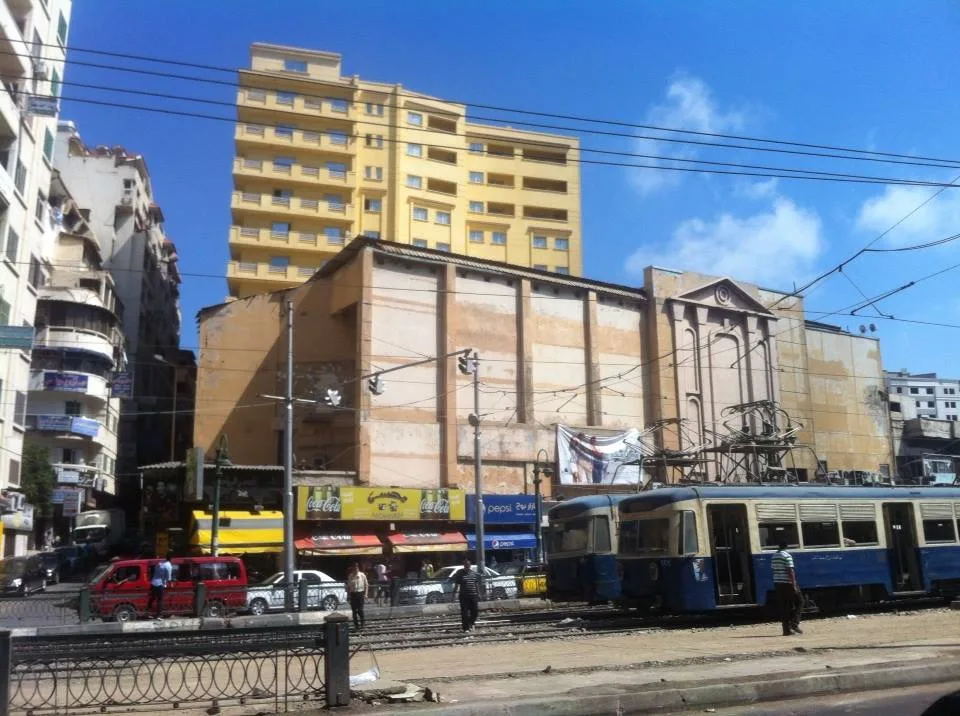
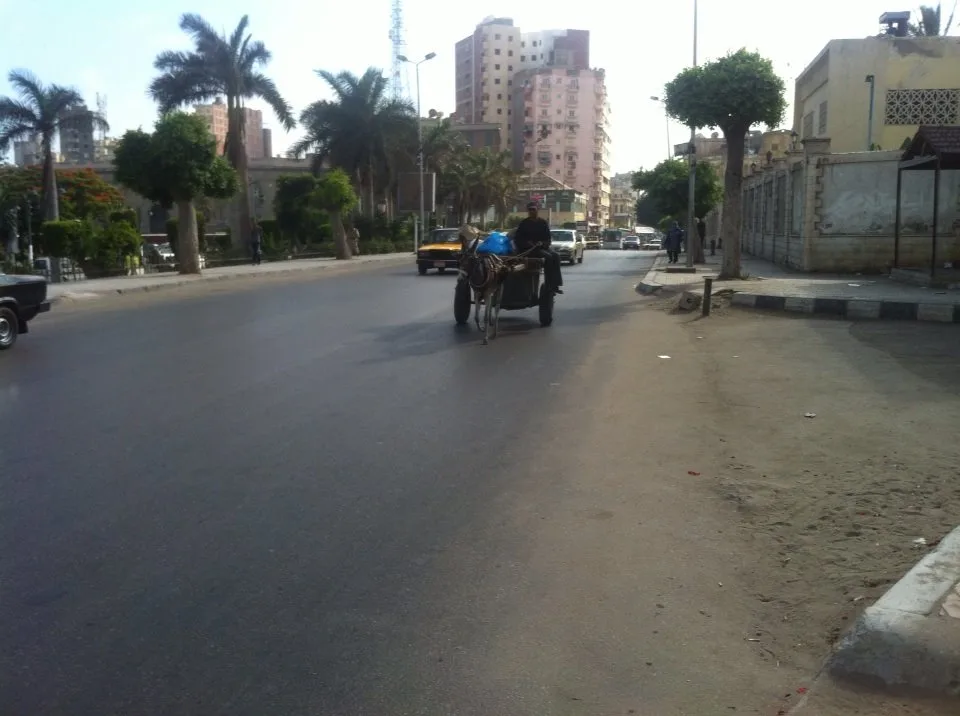
Modern Alexandria.
To understand the importance of Alexandria (and Ptolemaic Egypt), the city is comparable to modern London, a hub for writers, artists, merchants and religious types. It remained important for Africa and the Mediterranean until the exodus of Greeks and other Europeans a few decades ago.
Alexandria is what it is, a Hellenic built and developed city that has stood the test of time. Whilst the Greek Community may have dwindled, the imposing spirit of Alexander and Cleopatra will always loom large. If you don’t believe me, just ask one of the locals.
*Billy Cotsis is the author of Aristotle Roberto Carlos Smithopoulos
For many, fitness is a hobby. For Aspa Kladakis, it’s been a lifelong passion – one that started at just 14 years old and has now led her all the way to winning the Australian WBBA Pro title. Her story isn’t just about muscles or medals; it’s about persistence, resilience, and finally living out a dream that waited patiently in her heart for years.
“When I was 17 or 18, my dream was to compete,” she tells The Greek Herald.
“But life took me on a different path, and I never had the chance to step on stage. That’s why winning meant so much — it felt like finally achieving an unfinished dream I’ve carried for so long.”
Aspa Kladakis won the Australian WBBA Pro title in 2025.
This is Aspa’s story – we hope it inspires you.
Preparing for a competition like the WBBA Pro isn’t for the faint-hearted. It’s a mix of strict routines, mental battles, and a deep commitment that goes beyond physical fitness.
“The preparation was one of the hardest things I’ve ever done,” she admits. “There were days when my hormones were so out of balance that I’d cry out of nowhere or feel like I wasn’t good enough. At one point, I even lost my period — that’s how intense prep can be on your body.”
Yet, in those moments of exhaustion and doubt, she discovered something powerful: resilience.
“Pushing through those challenges taught me so much about discipline. It made stepping on stage that day even more meaningful,” she says.
Even social life took a hit — something every athlete knows too well.
“I had to bring my meals everywhere, even to restaurants or events. Sometimes I felt embarrassed, but I reminded myself that discipline means choosing your goal over temporary comfort. Those sacrifices are what made it all worth it in the end,” she says.
Aspa Kladakis has made many sacrifices to be where she is today.
Aspa’s journey, however, didn’t just happen in the gym. It began with a bold move across the world.
“It was my family’s decision to move to Australia, and at first, I didn’t want to leave Greece,” she recalls. “I felt so connected to home. But looking back, it was one of the best things that ever happened for me.”
Australia became the place where she found opportunity — and the courage to chase her dreams again.
“This country gave me the chance to grow, to connect with amazing people, and to finally compete at this level. I’m so grateful for that,” she says.
When asked what she’d say to young people struggling with motivation, her answer is refreshingly honest.
“Don’t wait to feel perfect before you start. Just start — even if you don’t have it all figured out. Discipline isn’t about never slipping up; it’s about showing up again and again, even on the days you don’t feel like it,” she says.
It’s advice born from experience — because she’s lived it.
“I did ballet, swimming, and dance from when I was about six. I was always into sports,” she says. “At 14, I started going to the gym, and by 18 I fell in love with training and nutrition. That’s when I first dreamed of competing — and now, years later, stepping on stage feels like everything has come full circle.”
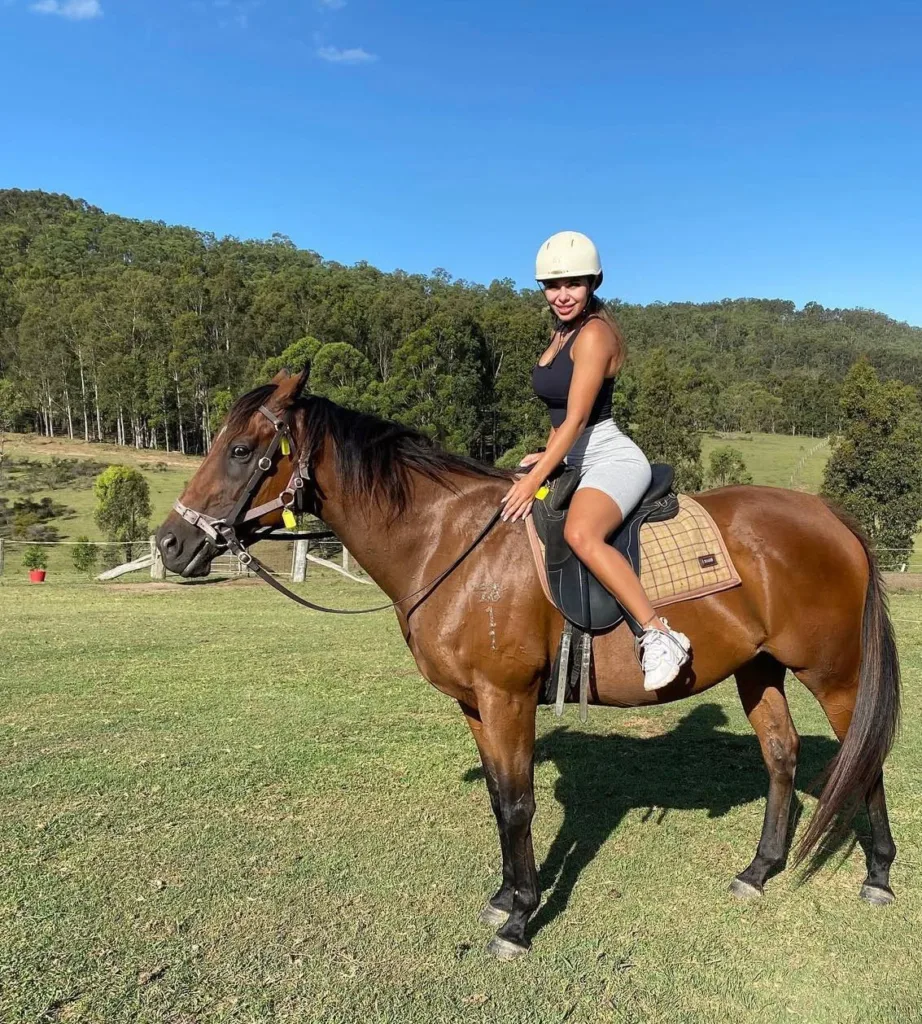
Aspa Kladakis was always into sports.
And she’s not slowing down anytime soon.
“Over the next five years, I want to keep competing, but my main focus is on building my portfolio and collaborating with brands. Modeling and creating content is something I’m passionate about — it’s how I connect with people and inspire others to live the fitness lifestyle in a positive way,” she says.
And as for competing again?
“Absolutely! Winning has only motivated me more — this is just the beginning,” she says.
Aspa’s journey proves that dreams never really expire — they just wait for the right moment.
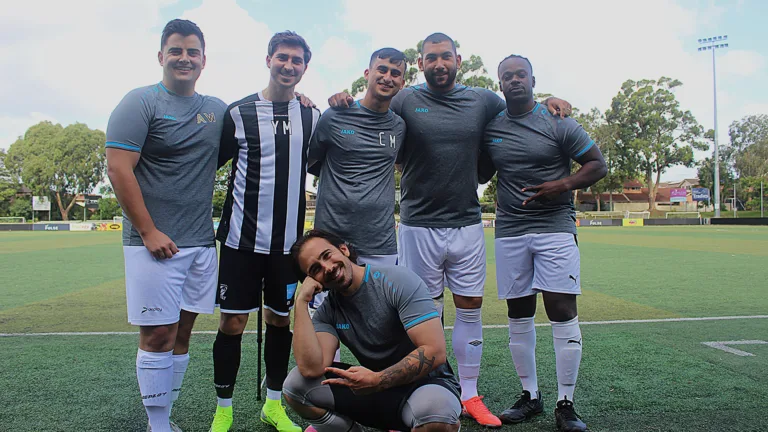
The Mavromoustakos brothers are set to return to the pitch in January 2026, with their annual Charity Football Match shaping up to be the biggest and most ambitious edition yet.
The much-loved community event will take place on Sunday, 18 January 2026, at Seymour Shaw Stadium in Miranda, with kick-off scheduled for 4pm.
Organisers Yianni and Chrisos Mavromoustakos are promising a high-energy afternoon of football, entertainment, and community spirit — all in support of children in need across Africa.
Funds raised from the match will once again support Paradise 4 Kids, which assists the vital missionary work of Father Themi Adamopoulos in Sierra Leone, providing food, clothing and education to vulnerable children.
Bigger crowd, bigger names, bigger impact
Building on the success of previous years, the 2026 Charity Match will feature more than 10 special guests, with organisers confirming the return of comedian Anthony Locascio, YouTuber Jamie Zhu, and popular NRL content creators Chris Sassine and Jean Claude Bitar.
Adding to the excitement, streetwear label Pelota has partnered with the event, supplying new kits each year in what has been described as a “partnership like no other.”
On the football front, Team Yianni will be chasing a third consecutive victory, while Team Chrisos is determined to break the streak in what has become a friendly but fiercely contested rivalry.
Beyond the game itself, the Charity Match continues to emphasise community involvement. This year, organisers are offering work experience opportunities for volunteers on the day, with participants eligible to receive professional resume and CV referrals — a unique initiative aimed at supporting students and young professionals.
Save the date
Described by organisers as the “highlight on everyone’s calendar,” the Mavromoustakos Charity Football Match has grown into a signature summer event for Sydney’s Greek Australian community — blending sport, entertainment and philanthropy for a powerful cause.
Supporters are encouraged to save the date, gather friends and family, and head to Seymour Shaw Stadium on 18 January 2026 for what promises to be the biggest Charity Match yet. Get your ticket here.