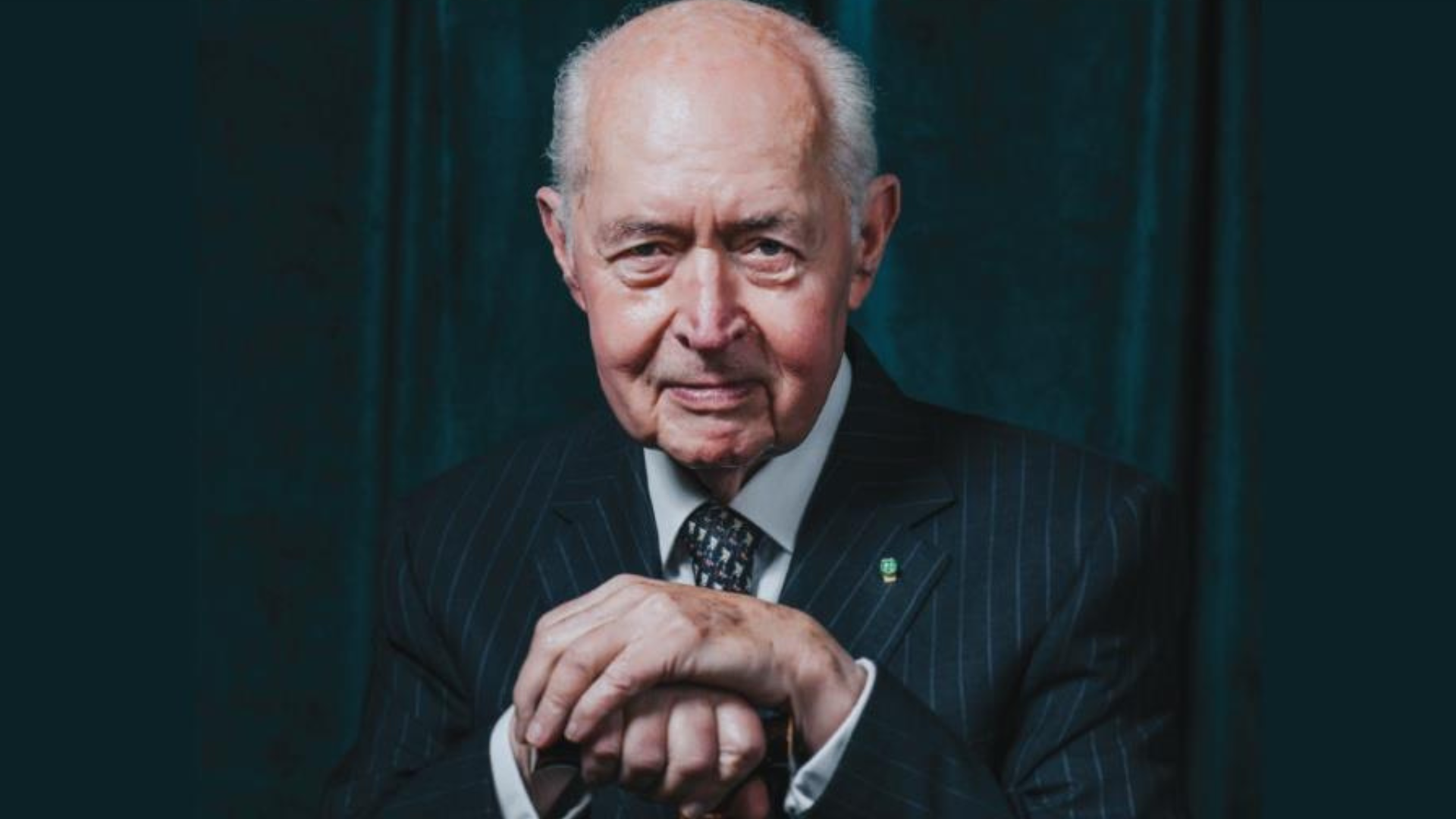
Former Cyprus president George Vassiliou, who died on Wednesday aged 94, is being remembered as a reformist leader whose political outlook was forged during the Cold War, when he risked arrest smuggling a banned manifesto out of communist Hungary.
In 1956, as Soviet tanks crushed the Hungarian uprising, Vassiliou carried one of the Hungaricus pamphlets to the West, offering some of the first uncensored accounts of the crackdown.
“I read it, agreed with what was written, and said I would gladly take it,” he later recalled.
Born in 1931 to communist parents, Vassiliou studied and worked across Europe before turning to economics in Budapest. Witnessing the suppression of the uprising profoundly shaped his worldview.
“The crushing of my youthful idealism by the tanks taught me that what was preached, and what was done, diverged,” he said.
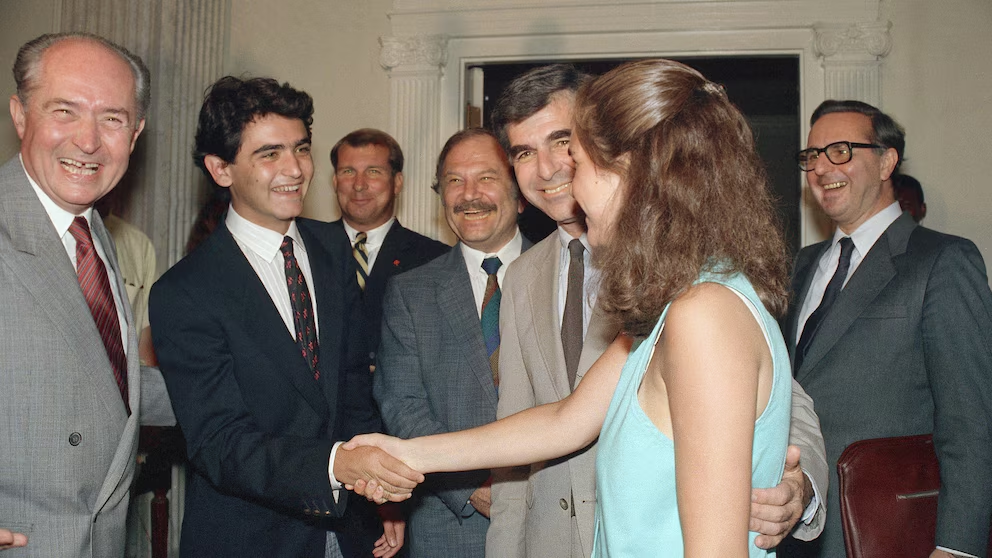
Vassiliou served as president of Cyprus from 1988 to 1993, winning office as a liberal outsider with unexpected backing from the communist AKEL party. His presidency ushered in reforms, greater accountability and a strong push toward Europe.
Under his leadership, Cyprus applied for EU membership in 1990, pegged its currency to the ECU in 1992, and laid the foundations for EU accession in 2004 and euro adoption in 2008.
He died peacefully in hospital, his wife Androulla Vassiliou said, noting they had been married for 59 years.
A self-described “eternal optimist,” Vassiliou never saw Cyprus reunified, once observing that “the tragedy of Cyprus is between what is desired and what is possible.”
