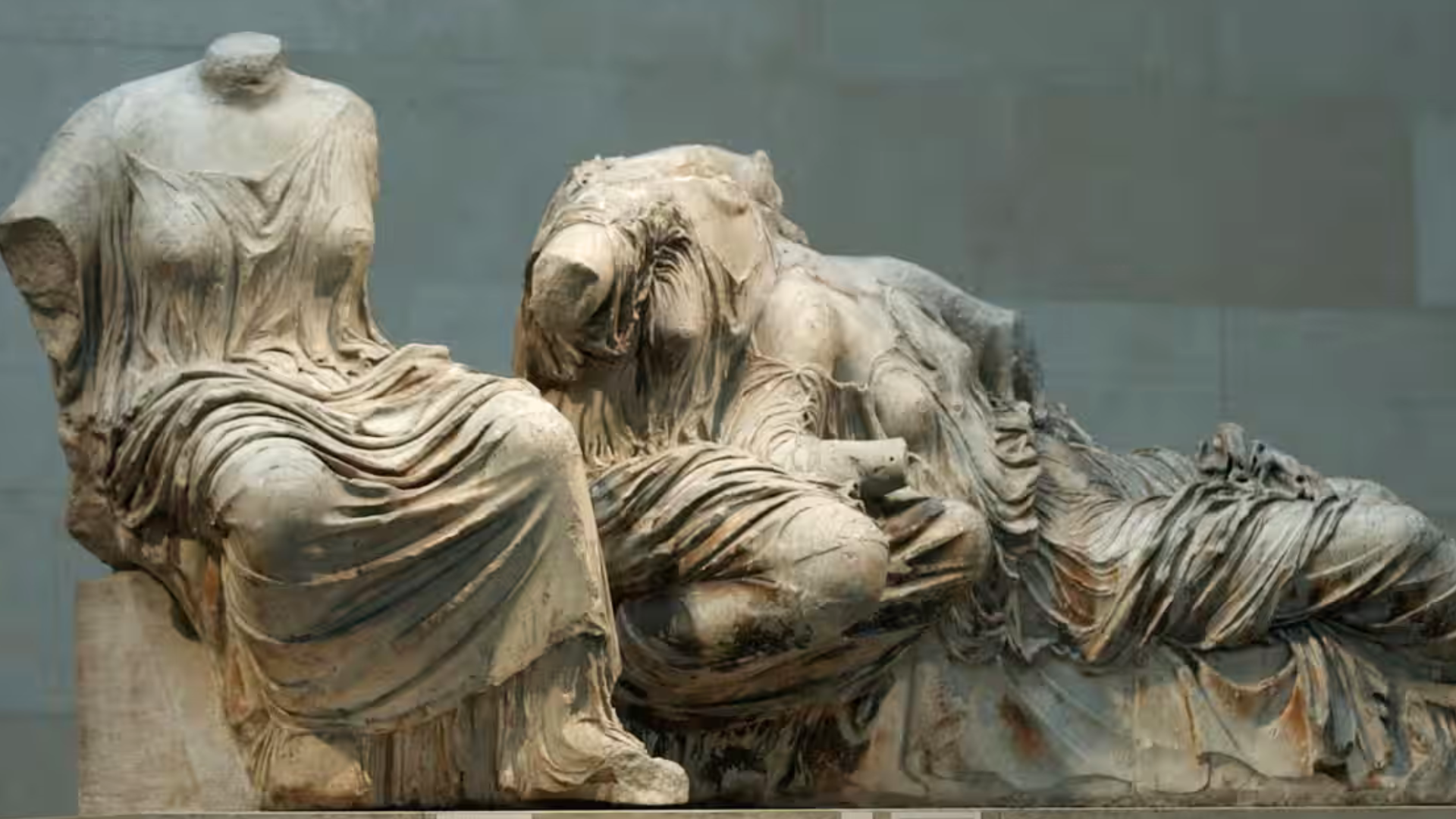
Greece’s long-running campaign for the return of the Parthenon Marbles has gained fresh momentum after a UNESCO committee urged Britain to cooperate on their reunification, with Turkey also backing Athens’ position on the legality of their removal.
At the 25th session of UNESCO’s Intergovernmental Committee in Paris, the Turkish delegation, attending as an observer, said there was no Ottoman imperial decree or “sultan’s decree” authorising the removal of the Parthenon sculptures from Athens in the early 19th century.
The intervention challenged Britain’s argument that the artefacts were lawfully taken during Ottoman rule.
The sculptures, removed by British diplomat Lord Elgin when he was ambassador to the Ottoman Empire, are now housed in the British Museum in London and remain at the centre of a decades-long diplomatic dispute between Greece and Britain.
Turkey reiterated a similar stance made at UNESCO’s 2024 session, arguing that no official Ottoman documentation has ever been found to justify the transfer and that returning the marbles to Greece would be the appropriate course of action.
The UNESCO committee for the first time formally described the Parthenon sculptures as “an integral part of Greek cultural heritage” and called on Britain to work with Greece toward their reunification and permanent display at the Acropolis Museum in Athens. Most participating countries supported Greece’s position.
Athens welcomed the decision as a “historic diplomatic victory,” while Greek media highlighted Turkey’s support for Greece’s claim. Britain continues to maintain that the marbles were acquired legally during the Ottoman period.
