Study on Santorini volcano uncovers first signs of life on earth

·

A recent study of microorganisms on the seafloor of Santorini’s largest volcano has unlocked the secrets of how life can survive in extreme conditions.

As part of the study, researchers used samples collected from the volcanos seabed to uncover diverse microbes which had strong adaptation abilities and were resistant to hot temperatures.
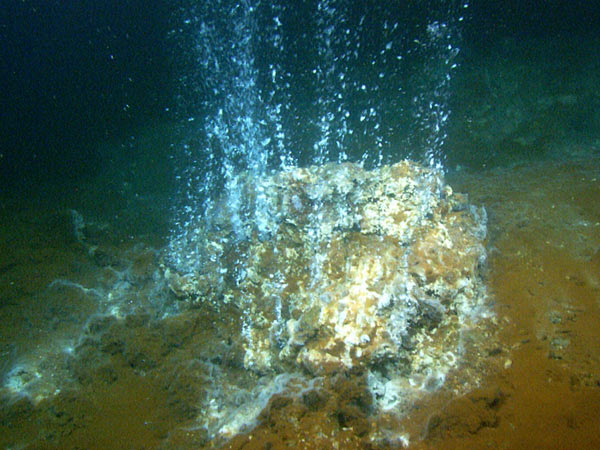
Photo: Volcano Discovery

According to a report published by Frontiers in Microbiology, the specific area located on the Santorini- Kolumbo crater produced a unique range of microorganisms which made good candidates for understanding how life can survive in any temperature.

With this study, the hope is to continue to learn more about the seafloor and how the active volcano can help with the understanding of evolution.  

Source: Frontiers in Microbiology.

Share:

KEEP UP TO DATE WITH TGH

By subscribing you accept our Terms of Service and Privacy Policy.

Latest News

Echoes from the past: Owl skyphos from Athens

The owl is one of the most famous symbols of ancient Greece. Particularly associated with the goddess Athena.

Love, language and belonging: A Valentine’s Day story about choosing to be Greek

I must have been five, maybe six, watching my neighbour flip lamb on the barbecue while Greek music drifted from inside.

More than roses: How Greek Australian couples celebrate Valentine’s Day their way

The Greek Herald spoke with Greek Australian couples to hear their love stories and learn how their bonds have strengthened over time.

Bank of Sydney shares banking tips to help households and businesses in 2026

The latest inflation data confirms that price pressures are proving more stubborn than policymakers had anticipated.

Discover Athens food culture in a new cookbook‑memoir‑guide

This book is a collection of 150 recipes, but it is also much more than that. Kochilas calls it “part memoir, part reporting, and part guide” (9).

You May Also Like

World-first robot cave tour guide Persephone leads visitors through Greek caves

Persephone is a multilingual robot who leads the public through the first 150 metres of the Alistrati Cave in northern Greece.

Full edition of Greek e-learning platform ‘StaEllinika’ released online after successful beta

The StaEllenika program covers topics ranging from basic Greek grammar and spelling, to Greek mythology and historical events such as Greek Independence Day.

Why do we celebrate International Women’s Day on March 8?

International Women’s Day (IWD) is celebrated on March 8 every year and is a focal point in the movement for women’s rights.