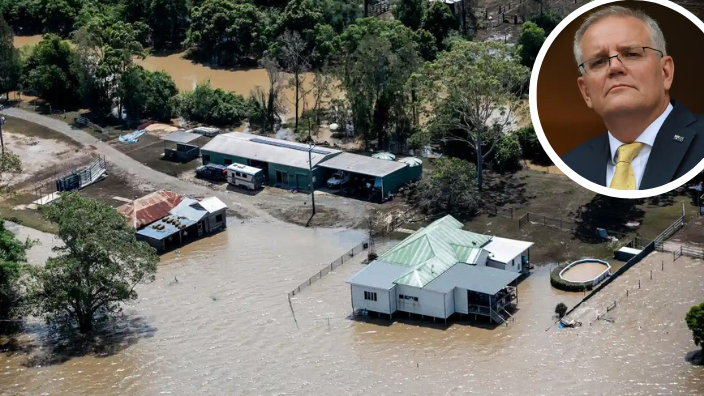
Australian Prime Minister, Scott Morrison, has declared a national emergency in response to catastrophic floods in northern New South Wales.
The declaration gives the federal government power to deploy money and resources faster. It is a legislative power that Mr Morrison sought after the 2019-2020 bushfire crisis.
Mr Morrison said he intended to ask the Governor-General to formally make the declaration which would cover both NSW and Queensland.
“I have made this decision today, in consultation with the Premiers … and it will ensure our Ministers and agencies don’t face any unnecessary bureaucracy as they roll out what communities need,” he said.
Mr Morrison made the announcement before he spoke in Lismore today, where he was greeted by angry residents whose lives have been upturned.
He also said residents in the Local Government Areas (LGAs) of Richmond Valley, Lismore and Clarence Valley would be able to access a further $2,000 for adults and $800 for children through an extension of the Disaster Recovery Payment scheme.
This announcement comes as earlier today, His Eminence Archbishop Makarios of Australia also issued a message of support for all flood victims who have lost their lives, homes and belongings in the unprecedented flood crisis across NSW and in Queensland.
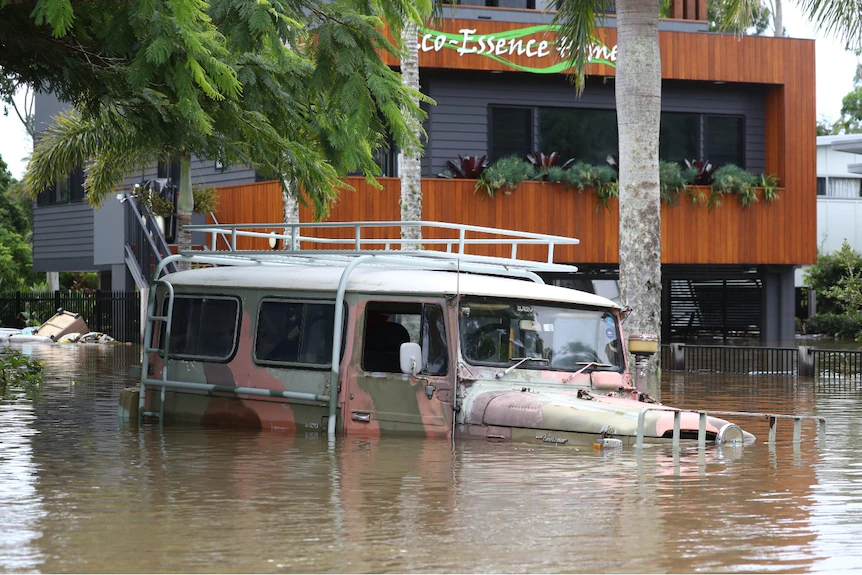
“I pray for the souls of our fellow human beings who have lost their lives and for the consolation of their relatives and loved ones, as well as for the relief of the injured and for the strengthening of those who continue to fight against the destructive floods,” the message reads.
Other additional measures announced by the government include:
- $25 to cover “emergency relief”, food relief and financial counselling services
- $7.8 million for businesses in NSW and Qld affected by the floods
- Around $6.9 million for early childhood and childcare services which have been closed for more than seven days
- $4.7 million to make sure primary health services can continue to operate in affected regions.
- $10 million to a mental health program for school-aged children in Northern NSW
- $31.2 million for mental health support services for affected communities in both states
- $5.4 million for legal services within affected communities.
Source: ABC News.

