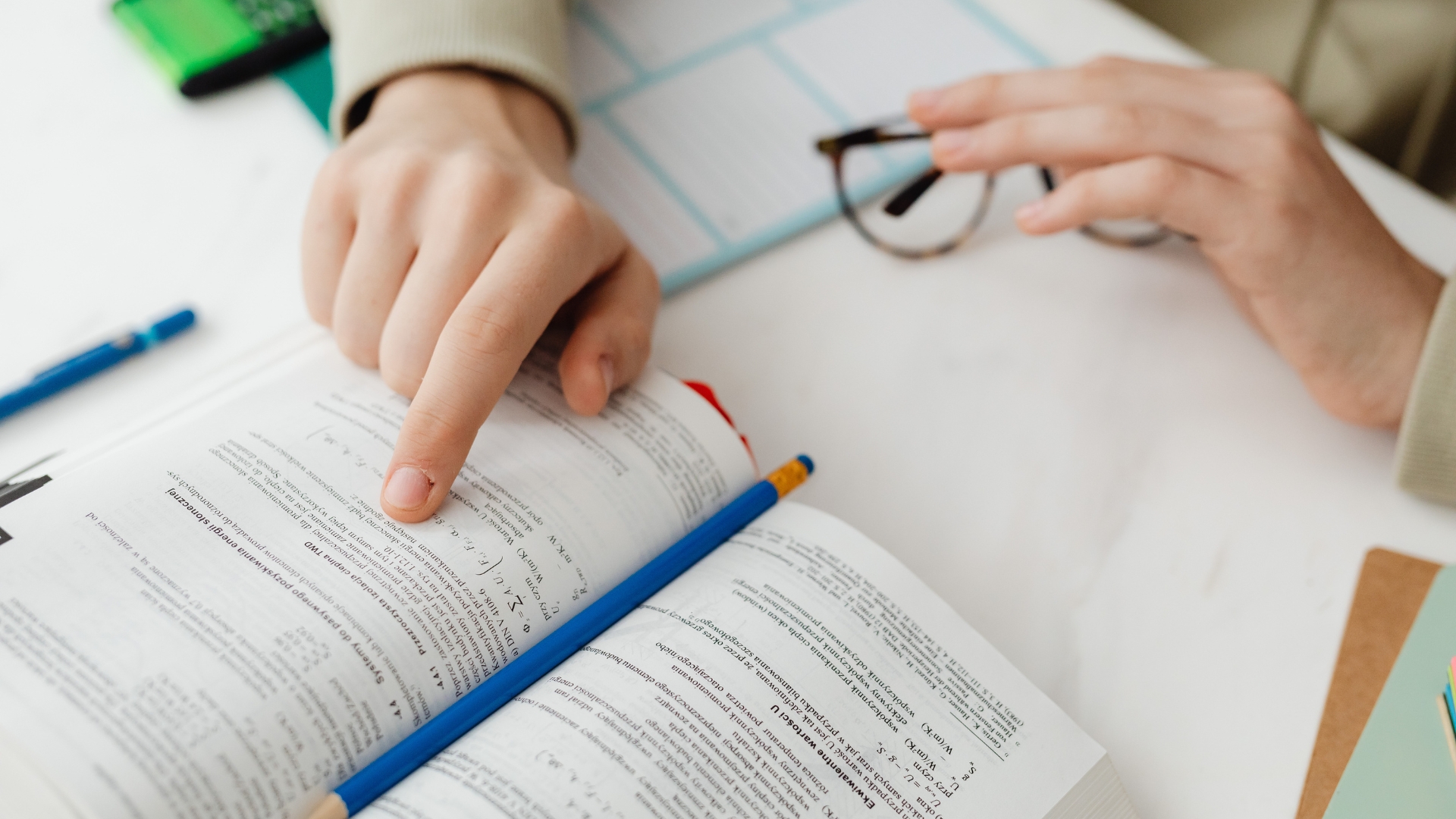
A Minns Labor Government would lift the ban on NSW public schools being able to run the International Baccalaureate (IB) to provide equitable access to the programme across all school sectors.
The IB offers four courses. The Primary Years Programme and Middle Years Programme are offered alongside the NSW curriculum from the early years through to year 10. The Diploma Programme and the Career-related Programme are offered as alternate year 11 and 12 pathways to the HSC.
International Baccalaureate programmes are currently only available in non-government schools in NSW. Lifting the restriction will bring NSW into alignment with public schools in Victoria, Queensland, South Australia and the ACT, which all have the option of running an IB programme.
Allowing the introduction of the IB was recommended by a 2017 NSW Department of Education report, which the NSW Liberal Government did not release to the public.
The report stated the program’s introduction “…would provide equity of access and will achieve a school and system improvement objective.”
It also stated the implementation of the programme would be “…feasible, possible, and practical.”
Under Labor’s plan, individual public schools would be able to lodge expressions of interest to trial the course or courses that suit their school.
Labor’s plan for schools and education in NSW:
This is just the latest announcement from Labor including:
- Ending the chronic underfunding of NSW public schools;
- Converting 10,000 temporary teachers to permanent positions to reduce the reliance on temporary teachers;
- Cutting admin hours for teachers by five hours per week;
- Ending the failed overseas recruitment program and redirecting resources towards recruiting NSW teaching students into schools;
- Creating a permanent, targeted Literacy and Numeracy tutoring program across primary and high schools
- Banning the use of mobile phones in all NSW public schools to reduce distraction, cyberbullying and improve education outcomes;
- Labor’s Growth Areas Schools Plan which will deliver new and upgraded schools in growing areas across New South Wales.
- New co-located preschools, with 100 new public preschools and 50 new and expanded preschools at Catholic and Independent schools; and
- Expanding co-ed school access for all families so every parent has the choice of where to send their children.

.)