The Australian Institute of Architects (RAIA) unveiled on Monday, May 13, the distinguished recipients of the 2024 National Prizes, recognising outstanding contributions to the field of architecture across Australia.
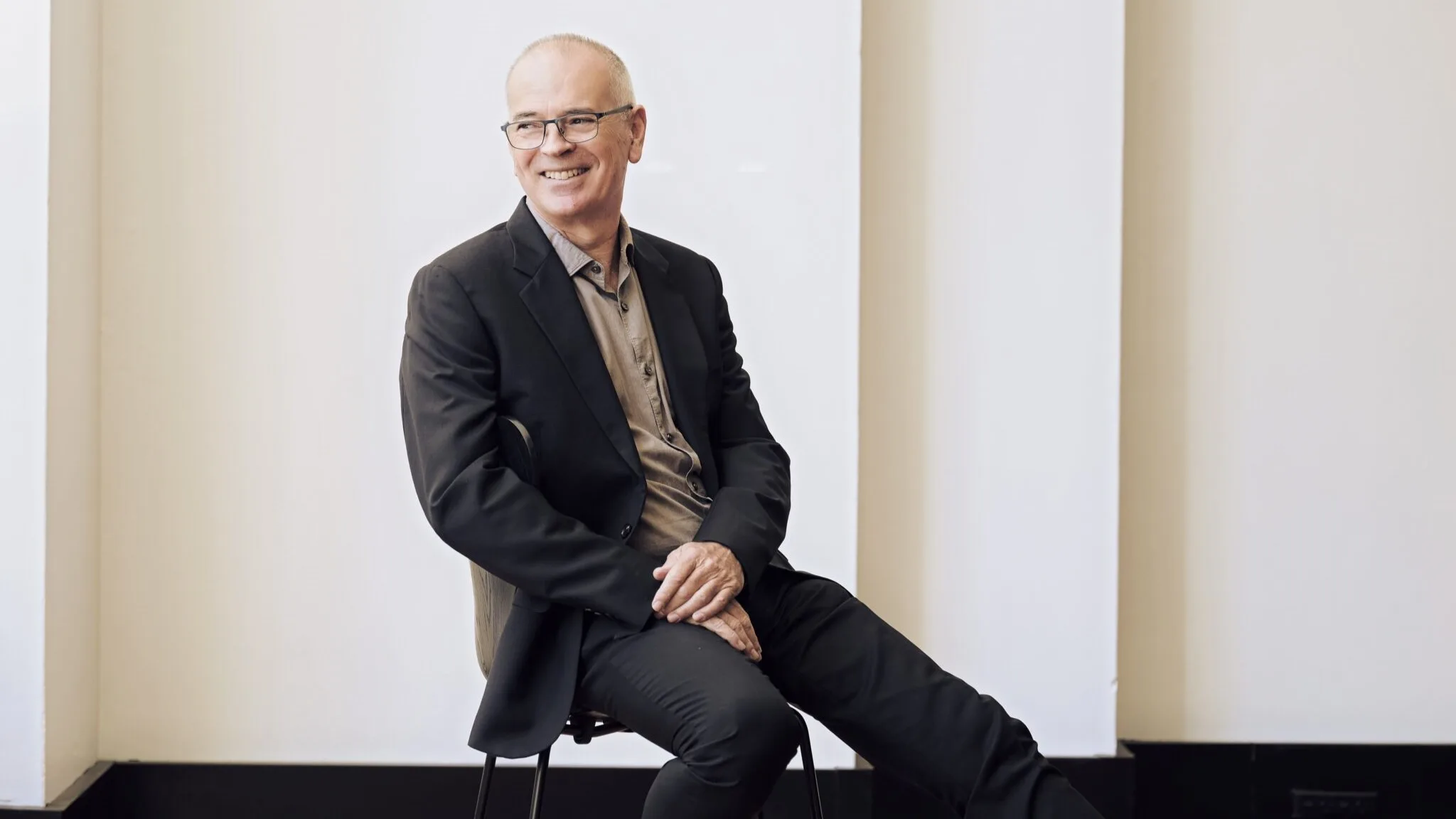
Among the award recipients was architect Philip Thalis from New South Wales, who received the prestigious Gold Medal for 2024.
The Gold Medal is the RAIA’s highest honour. It recognises distinguished service by architects who have designed or executed buildings of high merit, produced work of great distinction resulting in the advancement of architecture, or endowed the profession of architecture in a distinguished manner.
Mr Thalis is the founding principal of Hill Thalis Architecture and Urban Projects. His work demonstrates the value of research to not only built projects but also their underpinnings, such as precinct planning, urban design, typology, heritage and advocacy.
A vocal and public figure, Mr Thalis has combined excellence in design through leadership of his practice, Hill Thalis Architecture and Urban Projects, with policy and advocacy for the built environment, as an elected independent councillor with City of Sydney (2016–2021). It is this capacity to span both private and public arenas that places Mr Thalis in a pivotal position within the practice of architecture.
His contribution to research on Sydney’s architectural history and his ongoing commitment to teaching also consolidates his all-round exceptional leadership in the field.
Other prize recipients include:
- National Presidents Prize, Naomi Milgrom (VIC)
- Paula Whitman Leadership in Gender Equity Prize, Monica Edwards (NSW)
- Neville Quarry Architectural Education Prize, Simon Anderson (WA)
- Leadership in Sustainability Prize, Abbie Galvin and Paulo Macchia (NSW)
- Student Prize for the Advancement of Architecture, Hudson Smith (QLD)
National President of the RAIA, Stuart Tanner, said the breadth of experience and excellence showcased by this year’s award recipients filled him “with immense pride.”
“Each honoree exemplifies the highest architectural innovation, leadership, and dedication standards, leaving an indelible mark on the profession. Their collective contributions not only shape our built environment but inspire future architects to push boundaries and redefine what is possible in architecture,” Mr Tanner said.
