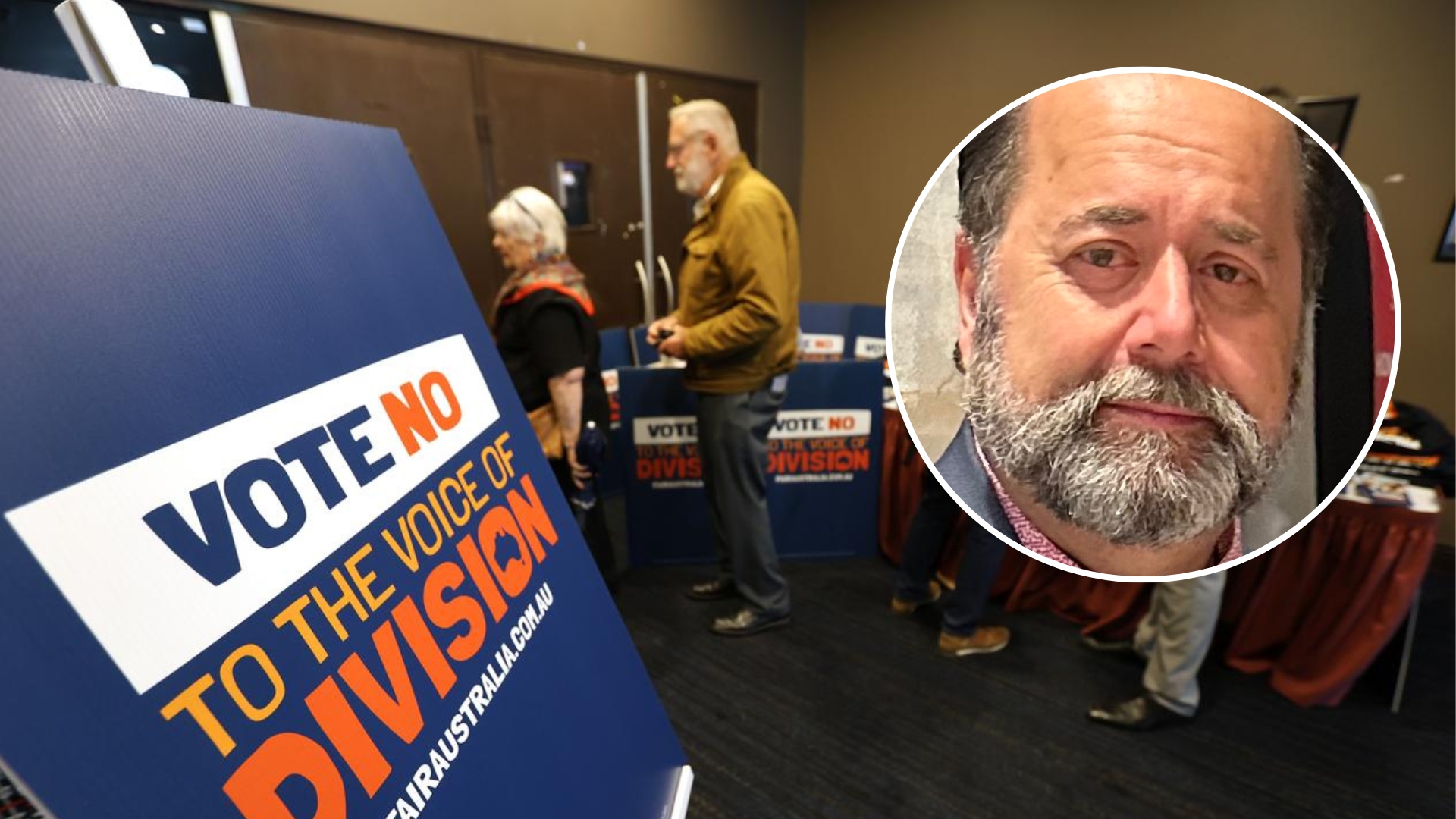
By Jim Tsolakis
The upcoming referendum is a missed opportunity to bring about unity throughout all parts of the Australian multicultural community. Our Indigenous community is as much a part of the multicultural community as are the other 130 nationalities that exist and prosper in our great nation. We are all Australians.
Voting ‘Yes’ or ‘No’ will achieve nothing in this ill-conceived referendum. The Federal Government has made a number of fundamental mistakes, and it is unfortunate that Australians have supported a referendum that does not and will never achieve what Australia needs to enable her to move to the next century as a unified nation. This cannot be a victim or sympathy vote.
Firstly, multiculturalism has not delivered a unified Australia. Assimilation is what will bring together the peoples from all parts of the world under our flag. Multiculturalism has technically failed, yet Government after Government say how wonderful it is. We are not building a nation. We are building enclaves of different races and religions.
Successive governments have tried to assimilate our Indigenous communities for many years. There has been limited success with many Indigenous peoples living in our great cities having been assimilated into mainstream Australia. We have many famous and successful Indigenous people amongst us, who are praised and accepted as fellow Australians, just like our many migrants.
Our Indigenous community is precious. It is Australia’s true culture. Recognition exists in spades across the nation. In May 1967, Australians voted ‘Yes’ to change the Constitution, recognising Aboriginal and Torres Straight Islander peoples.
It is support that we have a struggle with. It is estimated that governments give significant funding each year to Indigenous programmes and support, but is it getting to the right places? There are also over 400 taxpayer-funded Aboriginal Groups, supposedly delivering services into Indigenous communities. The Minister for Indigenous Australians cannot answer any questions on where the money is spent and what these programmes achieve, yet it is her role to know, as it was the prior Ministers.
Currently, Indigenous Australians receive significantly more support than the rest of us. There are 23 Indigenous politicians across the nation. What are these people doing to support their own? It appears not that much. The referendum has not addressed this issue and there are concerns it may not do so.
Secondly, the details of how the Voice will work has not been forthcoming from the Government. The strategy for this referendum was completely flawed on a number of fronts. The Prime Minister asked Australians to make a serious change to the Australian Constitution based on documents he had not read. He also failed to ensure there were forums and debates about this change to the Constitution leading up to the referendum. Further, he failed to ensure the workings of the Voice were part of the wording for the Constitutional amendment.
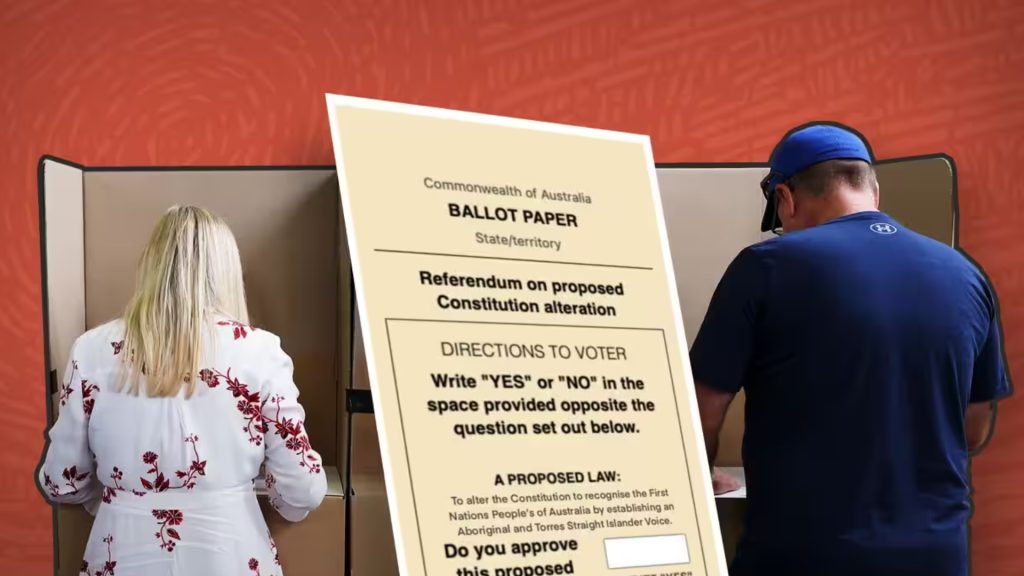
What is disappointing about all of these flaws is that the ‘Yes’ campaigners have taken the Prime Minister’s word on blind faith. A Constitution is a sacred document that protects the people from Government overreach. Section 128 of the Constitution provides that the Constitution may only be changed by a proposed law that has first been passed by parliament and is then presented to the voters of Australia. The proposed law is short on details, proposing that the details on how the Voice will work will be decided later by Parliament and the 24 elected Indigenous members of the Voice. Therefore, this amendment is not correct in the context of being a correctly worded amendment and therefore has no place in the Constitution. Another flaw by the Government.
It should be noted that the writer is not against this concept but is against this concept in the way it has been presented to the Australian voters. It feels like a scam. It feels incomplete. It feels we are not being told the full truth, nor the full reason why this is so important to the Government and to the architects of this concept.
The architects of the Voice are also short on logic and reason and have appeared to be seeking endorsement even though they know they have presented a race-based case at best. The referendum gives a right to a certain group of people, based on their race, which is divisive, and it is being imbedded into our Constitution. These elites, these intellectuals, for want of a better word, these educated people, who have advised the Government, and who support the vote, do not represent the majority of the Indigenous communities nor their elders. Many of these people are not even of Aboriginal descent. They have claimed that 80% of Indigenous peoples support the Voice. This was a poll conducted by IPSOS on the 27 January 2023 – First Nations Voice Sentiment, which was commissioned by the Uluru Dialogue. The sample size was just 300 people. We have over 800,000 Indigenous peoples in Australia, including those who (somehow) identify as Indigenous.
In summary, I have no understanding what the impact of a ‘Yes’ vote will have our Indigenous peoples. Why is there no audit of the current Ministers office or the hundreds of Indigenous groups? I also want to understand what the impact on the rest of us will be. Is the land I own safe? Will we have to pay a lease tax for the land our homes stand on? Will non-Indigenous children be granted equal opportunity to enter University? Will our non-Indigenous sick and elderly have equal rights to be admitted into hospital? Will we all pay the same taxes? These are just a few questions we need to think about. Remember that every new law or revised law affects us all, so the Voice will have a say over every single law that Parliament presides over. We are the mechanisms to ensure all the people of Australia are safeguarded against eccentric politicians that may be elected in the future.
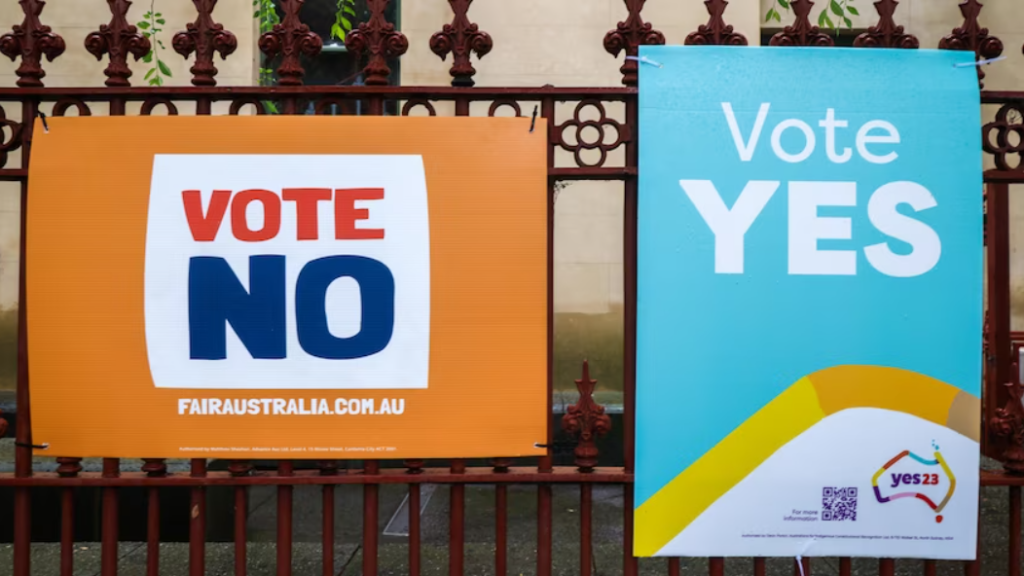
We need to know what this Voice can and may do in the future. Nowhere in the amendments or in the chapter of the proposed law is the word “advisory” or the word “advice” used. Nowhere. Given this huge amount of uncertainty, and the failure of the Government to incorporate how the Voice will actually work into the Constitutional wording, I will be voting ‘No.’
