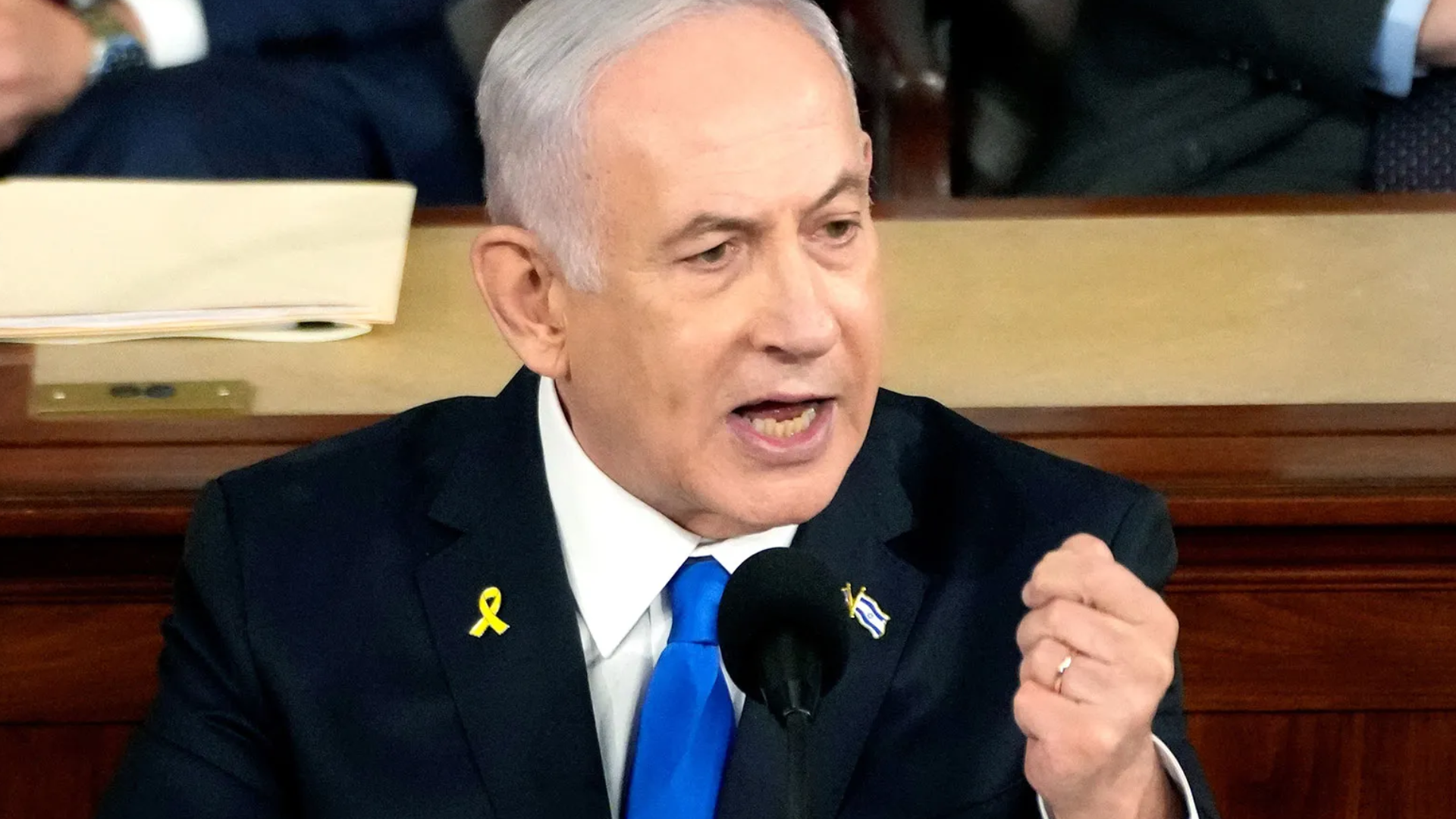
With the ongoing Middle East conflict, Israeli Prime Minister Benjamin Netanyahu has confirmed plans to widen the country’s invasion in southern Lebanon, advancing deeper into territory that has already been under attack for over three weeks.
The announcement comes after a weekend of additional strikes across Lebanon. The number of people killed in Israeli attacks against claimed Hezbollah targets has risen to nearly 1,200.
Among those killed on Saturday were three journalists: Ali Shoeib from the Hezbollah-linked Al Manar network, and siblings Fatima and Mohamed Ftouni from Al Mayadeen. Their deaths have sparked anger among Lebanese officials and media organisations both domestically and internationally.
Meanwhile, Pakistan has convened discussions with Turkey, Saudi Arabia, and Egypt, seeking to establish itself as a central mediator in the conflict. Recently, Pakistan delivered a US-prepared proposal to Iran aimed at ending the war, but Tehran rejected it.
During these diplomatic efforts, Iran cautioned the United States against initiating a ground offensive, accusing Washington of sending contradictory signals by expressing interest in negotiations while simultaneously increasing its military presence in the Middle East.
Israel has also carried out strikes against Iran, claiming to have hit facilities involved in missile and drone production as well as weapons storage sites. Iran retaliated by launching missiles toward Israel, with one striking a chemical plant near the southern city of Be’er Sheva and causing a significant fire.
At the same time, international leaders have urged Israel to permit Easter services in Jerusalem’s Old City. Tensions rose after a senior Catholic figure in the region was prevented from entering the Church of the Holy Sepulchre on Palm Sunday. Leaders including Italian Prime Minister Georgia Meloni, French President Emmanuel Macron and US ambassador Mike Huckabee criticised the decision.
Netanyahu defended the restriction as a security measure but indicated that arrangements would be made to allow access ahead of Easter. Earlier, the Al-Aqsa Temple Mount compound had been closed during Ramadan due to safety concerns amid the conflict, and missile debris has recently fallen within the Old City.
Source: ABC News
