By Argyro Vourdoumpa-Kritsantonis
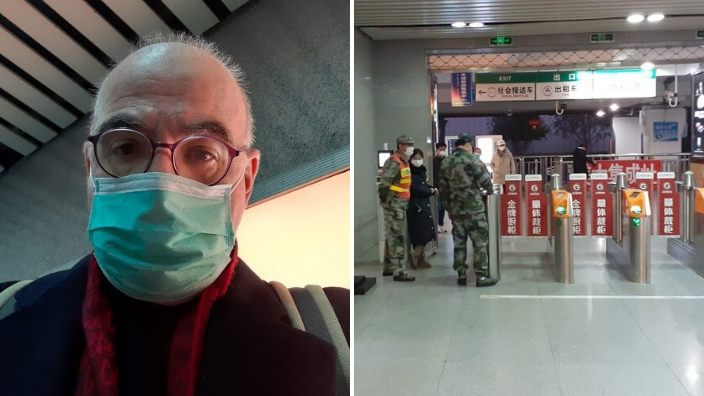
Although the coronavirus (COVID-19) races around the world and causes public anxiety, some people like Greek teacher Elias Kollias, choose to stay in China and comply with the country’s strict containment measures.
With an estimated 118,000 cases in 114 countries across the world and more than 4,000 recorded deaths, the majority of them in China, coronavirus has taken its toll on economies, global travel and governments desperate for ways to contain it.
“The threat of a pandemic has become very real… We need to remember that with decisive, early action, we can slow down the virus and prevent infections. Among those who are infected, most will recover,” said World Health Organization (WHO) Director General, Dr. Tedros Adhanom Ghebreyesus, on Monday.
“Chinese citizens and government fight the virus collectively”
Ellias Kollias, a private school teacher, has been living and working in Shangyu, Zhejiang province, for seven months. In February 4, he returned to China after a holiday in Greece.
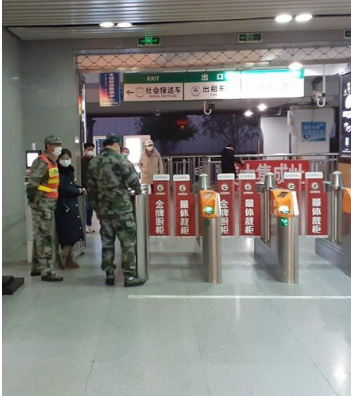
“It was my decision to come back. I feel safe in China due to how disciplined the population is here. People comply fully with emergency procedures. There is no panic,” said Mr Kollias.
“After my return, I remained self-quarantined for 14 days as everyone does here. During this period, I had three visits from the public hospital doctors who wanted to make sure I was well,” said Mr. Kollias.
However, China’s aggressive response has been criticised for its heavy impact on local commerce and communities and experts disagree whether these extreme measures could be effective in other countries.
“I have been teaching online for more than five weeks now and I don’t know when I will return to work physically. The dates keep changing. The million-dollar question is when the businesses and factories will start operating again. Local economy has come to a halt,” said Mr Kollias.
Facemask as a sign of solidarity
Last week, the World Health Organization warned against hoarding and panic buying of critical protective gear as healthcare professionals rely on personal protective equipment to protect themselves and their patients from being infected and infecting others.
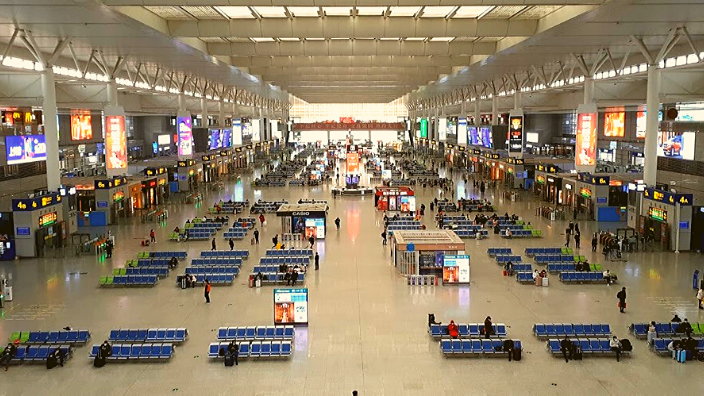
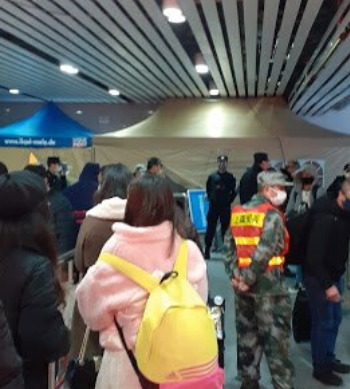
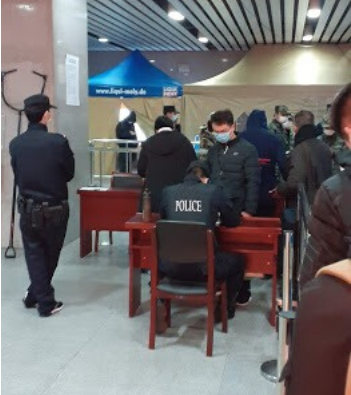
“When you go out it is mandatory to wear a mask and it shows not only compliance but solidarity,” said Mr Kollias.
“Let hope be the antidote to fear. Let solidarity be the antidote to blame. Let our shared humanity be the antidote to our shared threat,” the World Health Organisation Director General, Dr. Tedros, said.
See the latest Novel Coronavirus statistics here: https://experience.arcgis.com/experience/685d0ace521648f8a5beeeee1b9125cd
