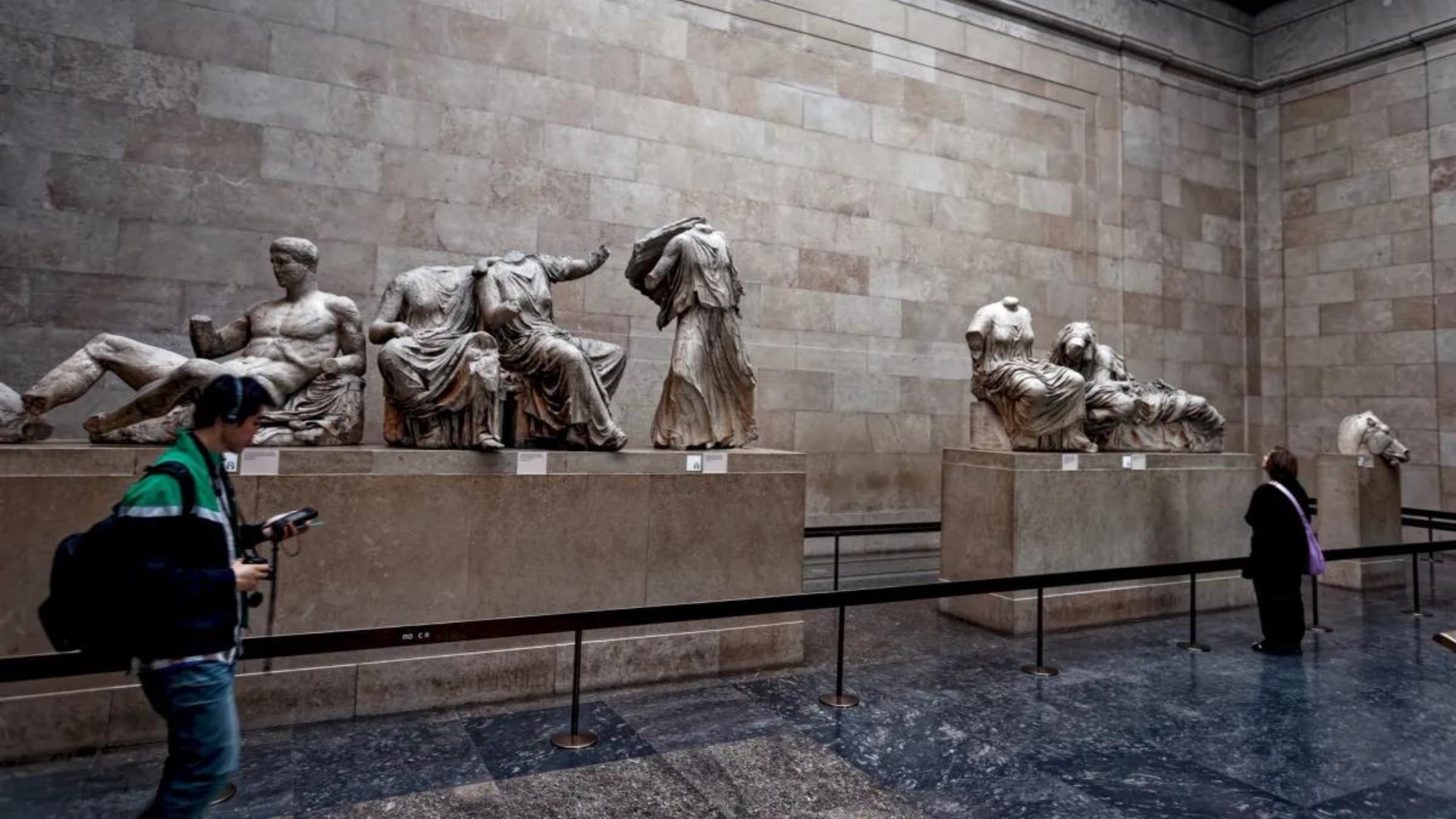
The President of the Greek Community of Melbourne (GCM), Bill Papastergiadis OAM, and the GCM Board of Management, sent an official letter to ABC Channel to express their deep concern and disappointment regarding the recent coverage of the Parthenon Marbles, where they were consistently referred to as the “Elgin” Marbles.
GCM has addressed this misrepresentation and has requested a correction to ensure the accurate portrayal of these significant cultural artifacts, along with a formal apology by ABC Channel.
The Parthenon Marbles, known colloquially as the “Elgin” Marbles due to their removal by Thomas Bruce, the 7th Earl of Elgin, from the Parthenon in Athens during the early 19th century, hold immense importance for the Greek community worldwide.
In a press release, the GCM said it is crucial to recognise that the use of the term “Elgin” Marbles can contribute to a biased narrative, overshadowing the broader historical and cultural context.
“It inadvertently perpetuates the narrative of their removal rather than acknowledging their intrinsic connection to the Parthenon and the broader cultural context,” the release adds.
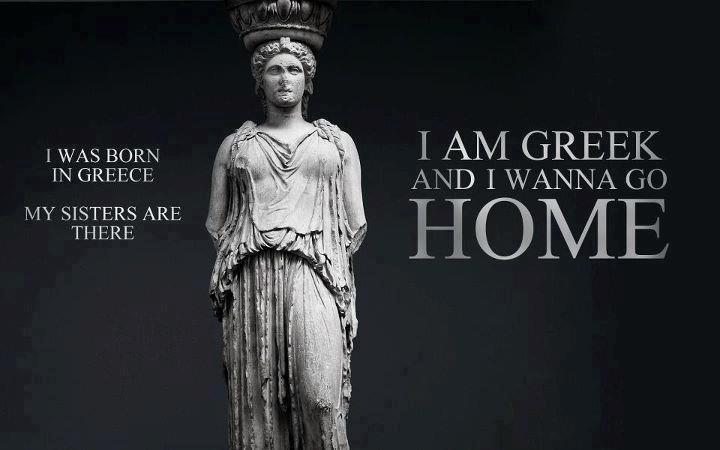
“These artifacts represent the pinnacle of ancient Greek art and architecture and are integral to Greece’s cultural heritage. Referring to them solely by the name of the individual responsible for their removal may inadvertently diminish their significance and sidestep the ongoing discussions about their repatriation to Greece.”
GCM Secretary, Nick Koukouvitakis, added, “A more neutral and accurate terminology, such as “Parthenon Marbles,” would better reflect the broader cultural and historical context of these artifacts.”
Mr Papastergiadis stated, “The return of the Parthenon Marbles, is not merely a matter of national pride, but a universal call to honour the integrity of cultural heritage. It is a gesture that transcends national boundaries, promoting a shared commitment to safeguarding the world’s cultural heritage.”
“Their return to Greece signifies the restoration of a fragmented narrative, allowing these masterpieces to be appreciated within the cultural and historical landscape that gave them life. Let them breathe again on the soil that birthed their significance,” Mr Papastergiadis said.
GCM Vice President, Anthea Sidiropoulos, said, “Understanding our history is the thread that weaves resilience into our future. Without it, we risk losing the map to our progress, for history is not just a record, but a compass guiding us forward. Together, we can ensure that these treasures are returned to their home and continue to inspire generations to come.”
