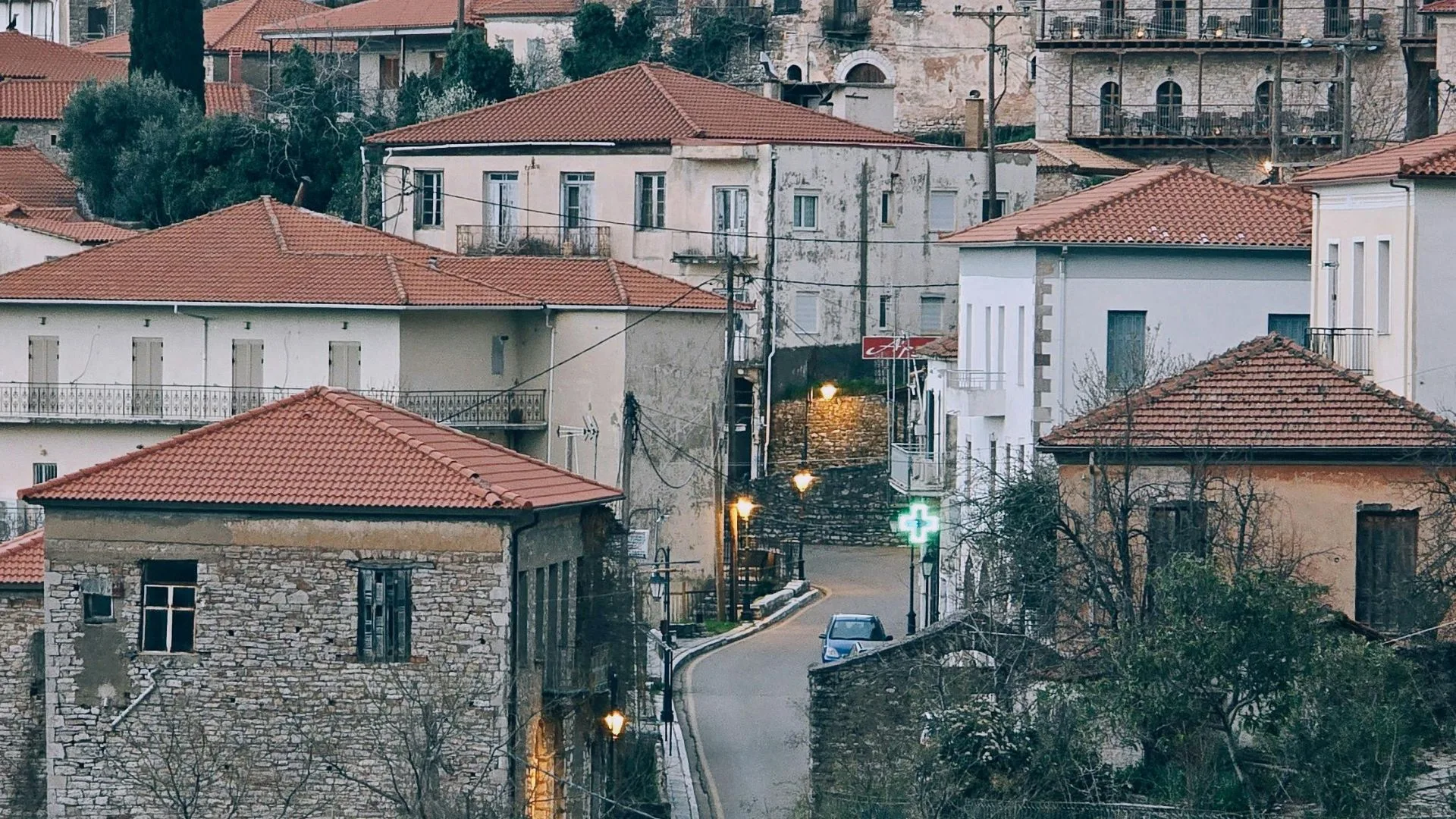
In the sunlit hills of Arcadia, the village of Lasta sits largely abandoned. Once home to around 300 residents, it now has just three. Crumbling stone houses and empty paths tell a story repeated across Greece, according to abc.net.au
“The villages, they are becoming ghost towns,” says Lambros Papalambros to abc, recalling a place that was once “full of life.”
Across the country, more than a hundred villages face similar decline. This local crisis reflects a broader national trend: Greece’s population is shrinking rapidly. Low birth rates, economic hardship, and decades of emigration are accelerating the loss. Projections suggest the population could fall by 20% by 2050, creating deep strain on the workforce, healthcare, and pensions.
“It’s an existential problem,” says demographer Alexandra Tragaki.
The roots of this crisis stretch back years. Economic turmoil after the 2009 debt crisis drove hundreds of thousands-mostly young people-abroad. Many have not returned. Those who stayed often delay starting families, prioritizing stability after years of uncertainty.
“With what we went through during our twenties, we really want to make sure we have a very stable life situation before starting a family,” says Klairi Sacha.
In rural areas, the consequences are stark. Some villages have no children left at all. Schools are closing, services disappearing, and entire communities aging into silence.
“The old people are dying, the young people don’t marry, and they leave,” one resident explains.
Despite government incentives and grassroots efforts to reverse the trend, there is no simple solution. As one official admits, “If we had some kind of magic remedy… we would have done it.”
Source: abc.net.au
