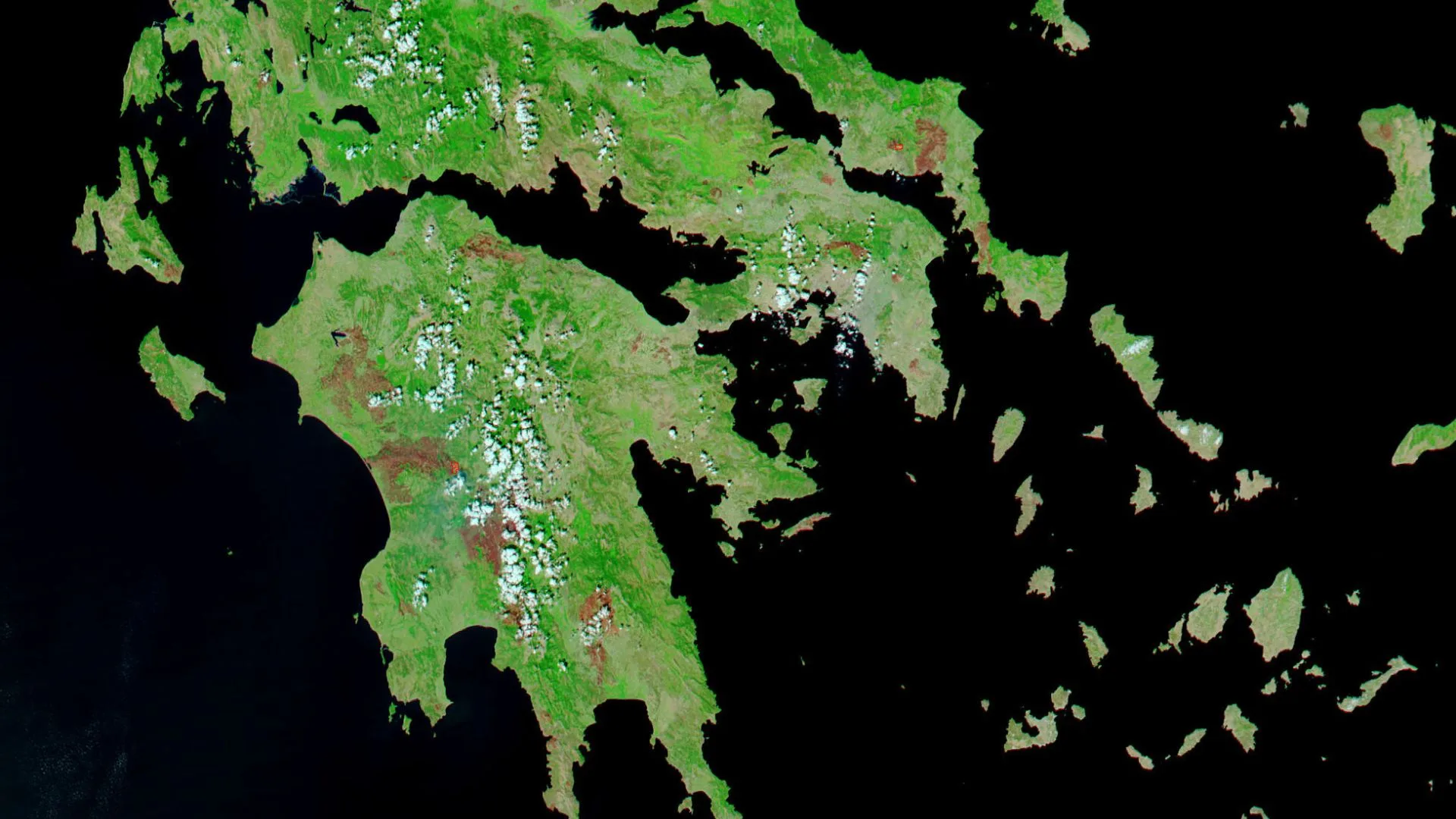
Google is enhancing its fire boundary detection capabilities using Artificial Intelligence (AI) to provide detailed tracking of fire perimeters in Search and Maps, along with location-based push notifications, amna.gr has recorded.
According to a recent update from Google, this tool is being extended to 15 additional countries across Europe and Africa, including Greece. The new countries are: Andorra, Bosnia & Herzegovina, France, Greece, Spain, Italy, Kenya, Croatia, Cyprus, Montenegro, Monaco, Portugal, Rwanda, Slovenia, and Turkey.
The information is spread through alerts and features that offer safety tips for people near a fire.
Accurate and Reliable Tracking
Google’s AI fire monitoring model is trained using multiple data sources, including extensive satellite photos. The wildfire model is validated by comparing it with Google’s model of fire scars—shapes left on the ground after a fire has been contained—based on data from previous fires. Additional AI models are used to confirm the existence of fires, resulting in more precise fire boundaries than satellite photos alone can provide.
Accessible and Useful Information When People Need It
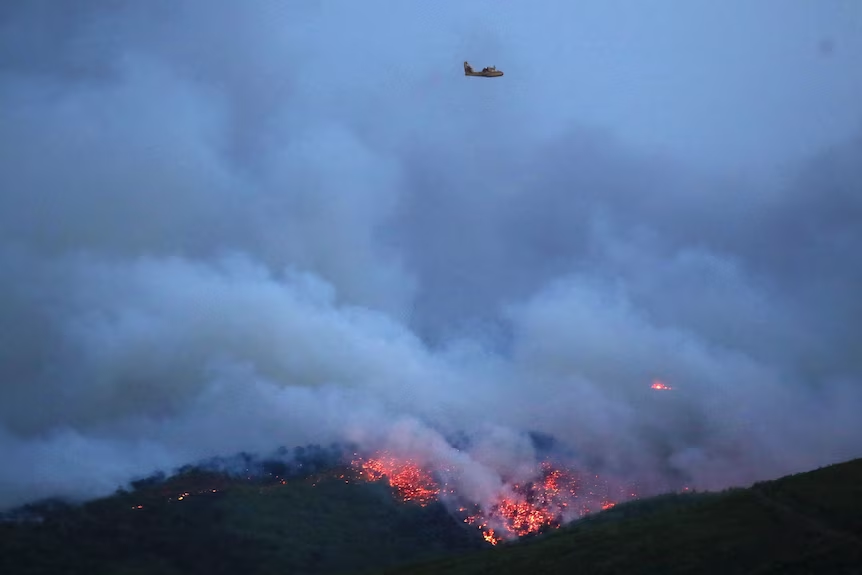
Launched this summer, Google has already mapped over 40 wildfires in southern Europe, including recent fires in Spain, Greece, and Cyprus, and others from Portugal to Kenya. Google displays fire boundaries in Search and Maps and provides this information through notifications, complementing existing efforts to help people access critical information and stay safe.
When using the navigation function
The information is also available on Google Maps when using the navigation feature, helping travelers understand if there are wildfires near their route.
This initiative is part of Google’s broader effort to use AI to help communities around the world adapt to the effects of climate change and the associated risks. The feature has already been launched in countries affected by fires and is based on the quality of Google’s model in each country. As the company continues to improve its services, it aims to expand to more countries to share important information with people when they need it.
Source: amna.gr
 to provide tracking of fire perimeters.)