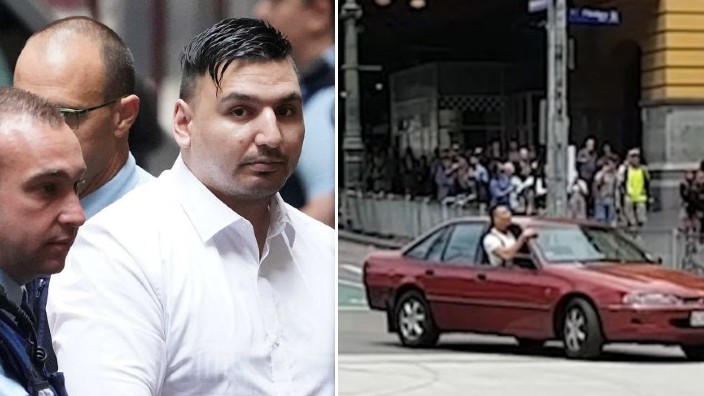
James Gargasoulas’s murderous Bourke Street rampage was helped by a “perfect storm” of police deficiencies, which led to a “confluence of events” that worked in the killer’s favour, a Victorian coroner has found.
Gargasoulas is currently serving at least 46 years in jail for murdering six people and injuring 27 others by driving a Holden Commodore through the Bourke Street Mall on January 20, 2017.
Coroner Jacqui Hawkins delivered her findings following an inquest into the deaths, and said “poor planning, a lack of assertive leadership [and a] lack of adequate resources,” combined with “inflexible attitudes,” allowed Gargasoulas to roam across Melbourne before speeding through the lunchtime crowds in Melbourne’s CBD.
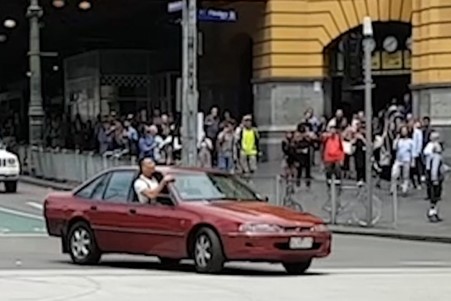
Ms Hawkins said a plan to persuade Gargasoulas to surrender was destined to fail. She said a formal pursuit should have been called, and a failure to do so led to a lack of oversight.
But the coroner said she was unable to determine if the murders would have been prevented if any circumstance had been different, saying stopping moving offenders was “incredibly difficult.”
‘Strategy never had a chance of succeeding’:
Gargasoulas had been pursued by police since the early hours of the morning of January 20 after he stabbed his brother Angelo.
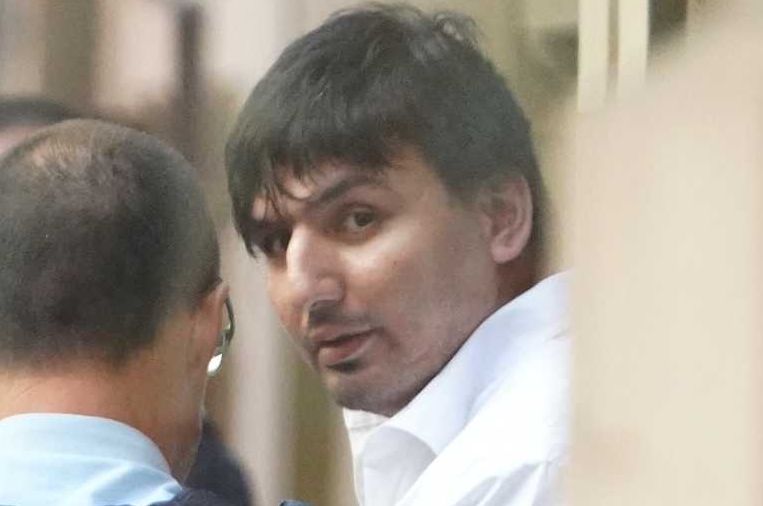
A search for him began about an hour after the stabbing, but police failed to stop him until after his deadly attacks at about 1:30pm.
About half an hour before the killings, Detective Murray Gentner, who had several previous interactions with Gargasoulas including at his bail hearing six days earlier, tried to negotiate for Gargasoulas to surrender.
“The strategy never had a chance of succeeding,” Ms Hawkins said.

The coroner noted police came agonisingly close to stopping Gargasoulas as he drove towards the city, but said police were fearful of the consequences of ramming his car.
She said police had done much “soul searching”, and that a number of changes to policy on pursuits had already been made, limiting the need to make drastic findings.
Out of respect for the families of the dead, Ms Hawkins did not use Gargasoulas’s name when delivering her findings.
Source: ABC News.
