By Ilias Karagiannis
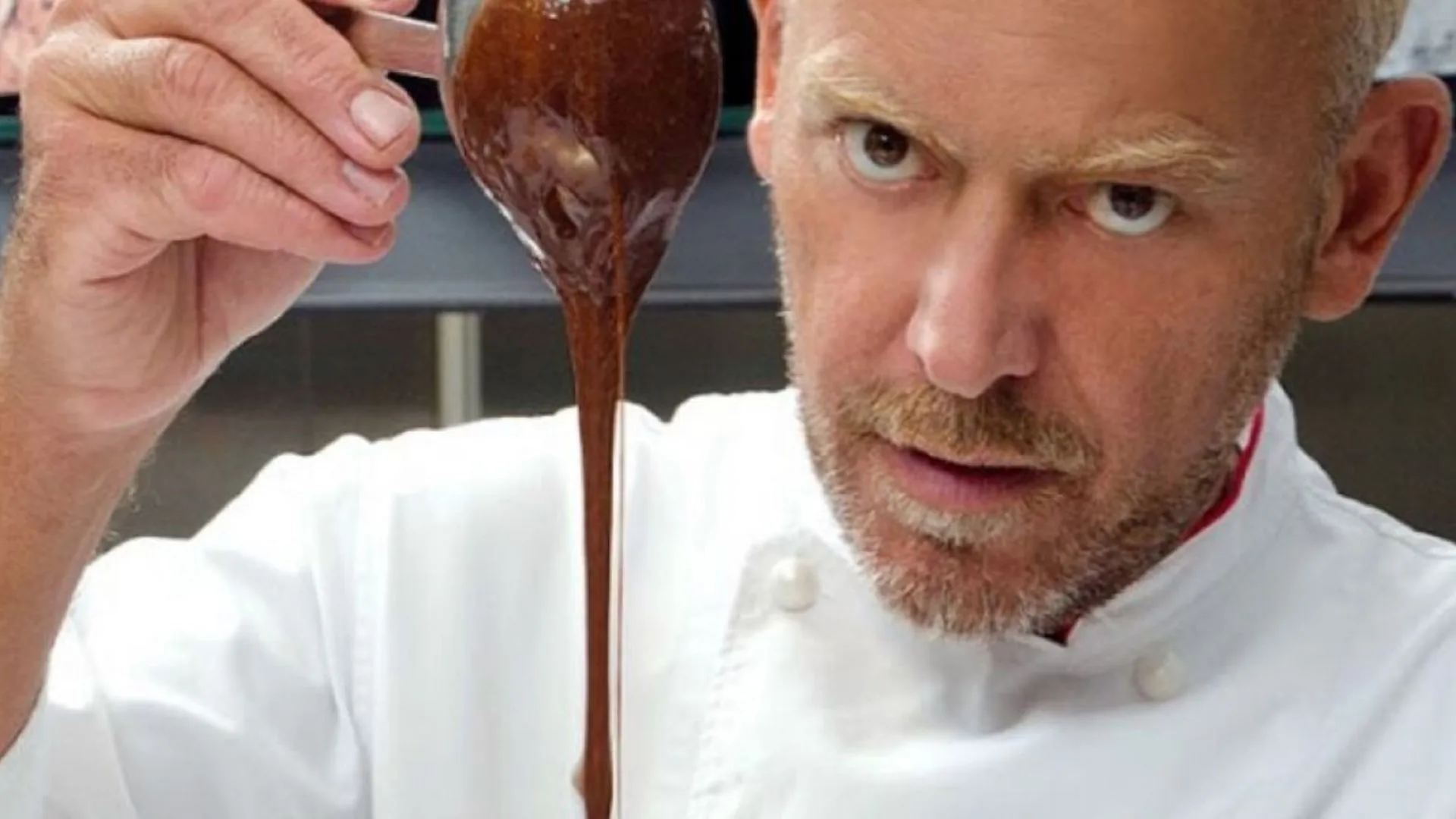
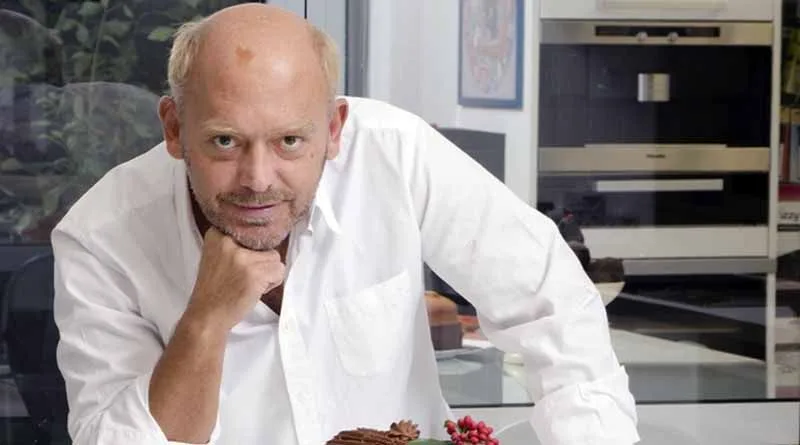
Some people don’t need to raise their voice to be heard. Nor do they need to crowd a display window with bright, sugary creations to make an impression. One of those people is Stelios Parliaros — Greece’s most poetic pastry chef, who has spent decades refining his craft not through spectacle, but through sincerity, grace, and soul.
Easter is his moment. A time that awakens childhood memories, flickering candlelight, family gatherings, and the gleam of chocolate eggs waiting patiently behind glass until a child’s eager hand shatters their shell with joy. It is the most tender, most symbolic season of the year — a season of renewal, reflection and rediscovery.
In a deeply personal interview with The Greek Herald, Stelios Parliaros shares his philosophy on the Easter chocolate egg, viewing it not simply as a sweet treat, but as an artistic expression, a keeper of tradition, and a quiet rebellion against commercial trends.
He recalls a time when everything was made by hand. “When I started out in 1979, working at Papaspirou Patisserie, we made everything ourselves — nothing was standardised. Everything was artisanal.” That spirit of craftsmanship, he says, is now rare. “Today they stick on a ready-made ornament and call it done. Back then, it took skill. It was an art.”
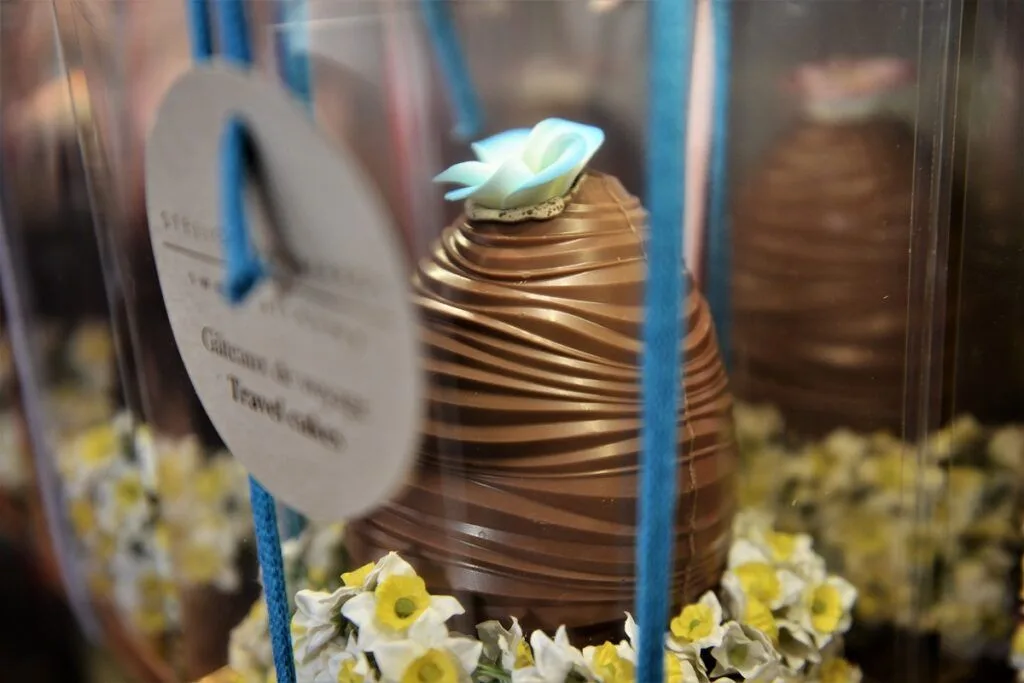
Parliaros still handcrafts his signature Easter creations — ducks, bunnies, classic egg shapes — all from high-quality milk chocolate. “When we were young, we’d never seen milk chocolate. The eggs were always dark. Now, the chocolate is finer, more delicate, but also harder to handle. It melts quickly. It’s not for everyone.”
Despite the passage of time and change in tastes, Parliaros remains firmly rooted in authenticity. “Innovation should come from memory, not in opposition to it,” he says. And in his view, authenticity requires resisting trends like the popular “Dubai Chocolate” — a pistachio-laced praline currently flooding the market. “I refuse to make it,” he says. “It doesn’t speak to me. It’s not creation. It’s imitation.”
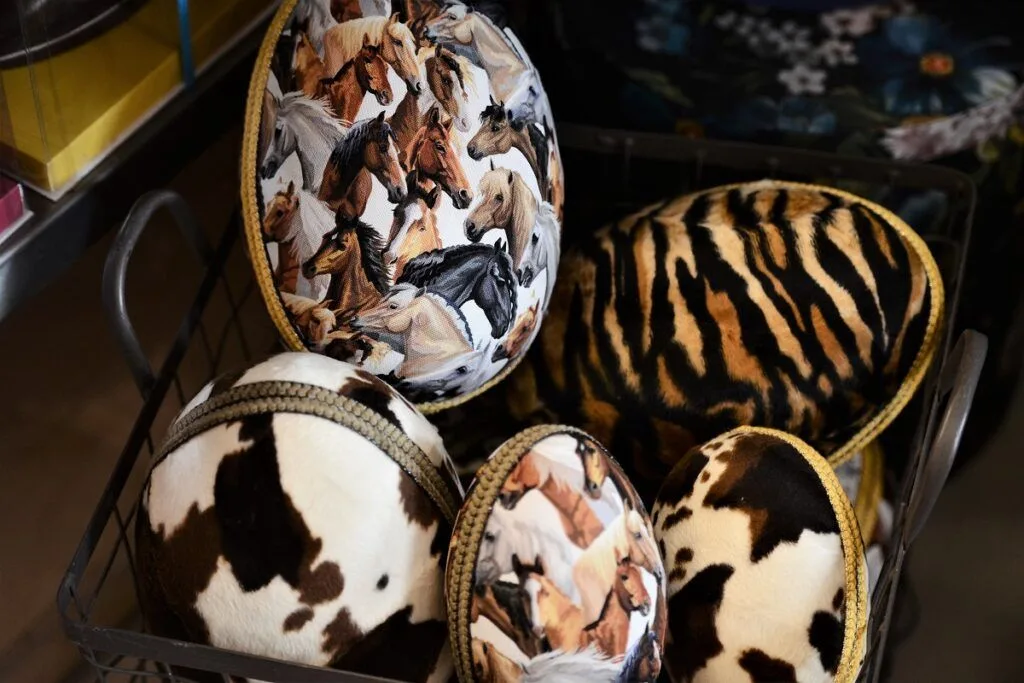
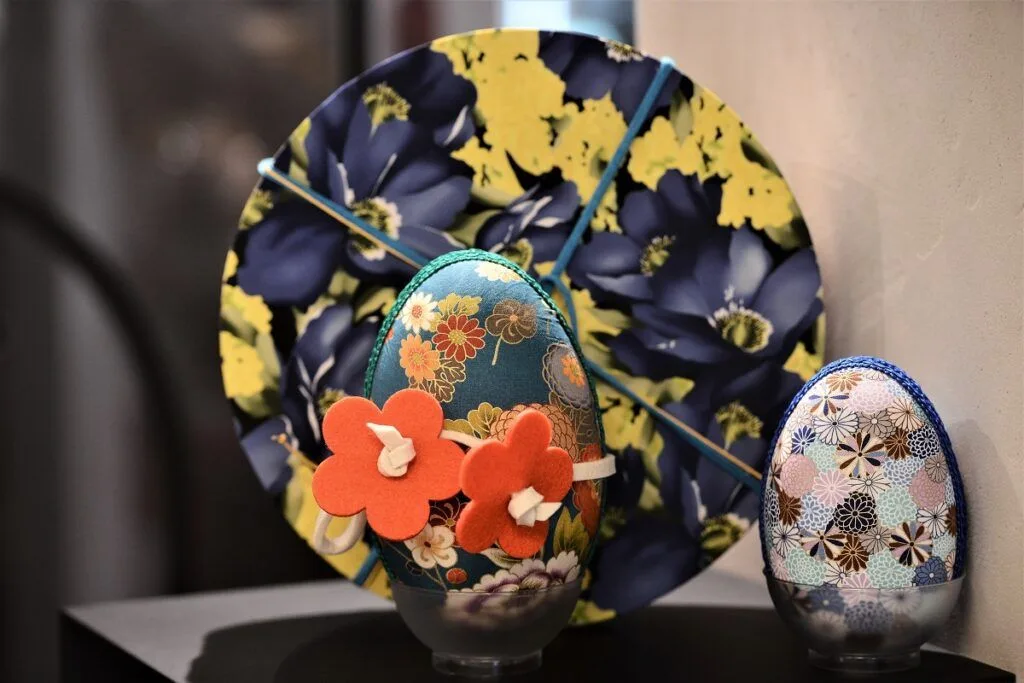
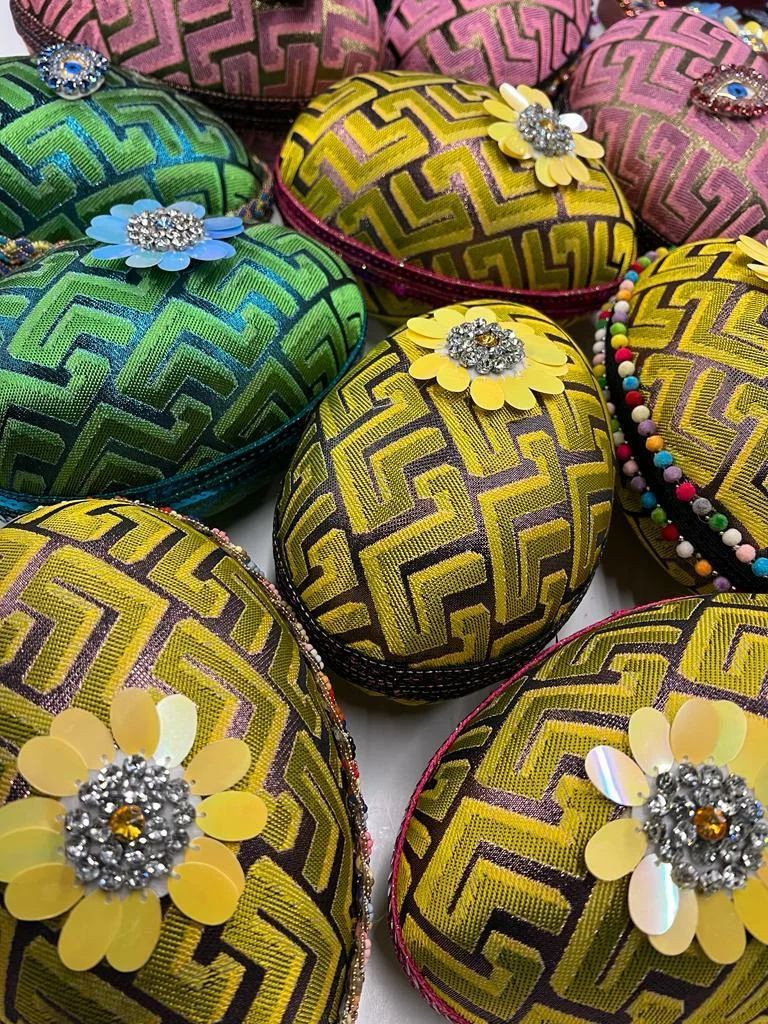
Parliaros’ Easter egg creations are, instead, closer to high art. Collaborations with fashion house Deux Hommes have turned his eggs into couture pieces — complete with fabric embellishments, feathers, bold textures and Indian-inspired fabrics for this year’s collection. “We even have playful lines for kids — lions, footballers, little characters. There should be something for everyone.”
Every collection takes around nine months to develop — from concept to execution — with a clear theme each year. One year, it was the flower children of the ‘60s. Another, delicate feathers and Italian lace. “I work with one of the last remaining craftsmen in Greece who can still make these traditional egg decorations, the way we remember from Constantinople. We begin each year together, making something special.”
While chocolate eggs were once just for children, today, Parliaros says, 80% of buyers are adults — giving them as gifts, pairing them with handmade candles, or sending them to corporate clients. “Our candles are another story,” he adds, explaining collaborations with monasteries in the Peloponnese, where nuns create unique, hand-painted designs with crosses, stones, reds and golds.
“I don’t like offering something mass-produced. I want it to be unique.”
This attention to detail, he explains, extends to his ingredients. “I choose only natural, edible materials. No artificial colourings. It has to be safe. Sometimes I import things myself. It takes imagination — but I don’t go to extremes.”
The rise in ingredient costs is a concern. “Everything’s more expensive — sugar, sunflower oil, butter. It all went up with the war in Ukraine. Prices are slowly dropping now, but many suppliers aren’t passing that on. It’s also a marketing issue. People want cheap, but cheap comes at a price. When you see a chocolate egg for €1.50, don’t you wonder what’s in it?”
On Australia and authenticity:
Asked about his connection to Australia, Parliaros lights up. “I first visited 20 years ago. I was lucky to meet chef George Calombaris — he became a family friend. He invited me several times. We did culinary events and presentations together. I also have friends in Melbourne. Australia is a country I could have lived in, if I were younger.”
He sees promise in Australian patisserie. “There’s interest, progress. But like in Greece, everyone copies the French. I studied there myself. But I’ve always believed we should create something our own. My desserts don’t resemble the French. Nor the new generation, who copy them exactly. In Greece, you go to a hotel and they serve you macarons instead of traditional amygdalota. Let the French make macarons. We should rediscover our own roots.”
“I carry the East within me. I carry Romiosyni, the flavours of our place. And wherever I travel — Australia or elsewhere — I always return with an idea, a new ingredient, an inspiration. To make it my own. To turn it into something authentic. That’s what matters.”
In the hands of Stelios Parliaros, the chocolate Easter egg becomes more than a confection. It becomes memory, craft, resistance, and art — a celebration not just of Easter, but of identity itself.
