
As the coronavirus spreads, we are reminded to reduce exposure with other people, and take care of ourselves if we get sick.
While these are important tips, we’re are hearing less about how we can best boost our immunity so that if we do get exposed to the virus our body can effectively fight back.
Our immune systems are designed to fight off sicknesses and viruses. But unfortunately, the immune system can get worn down by many things typical of a modern life like stress, toxins, lack of exercise and unhealthy eating. This prevents our bodies from effectively fighting off sickness.
With coronavirus continuing to spread, it’s more important than ever to strengthen our immune systems. Here are some small adjustments that Greeks can make to their daily routine to do this effectively.
Greek coffee needs to go

While it may be the only thing getting us through the day, it may be time for Greek coffee to go. Numerous studies have shown that too much caffeine can decrease the ability of our immune system to fight infections, as well as remove damaged or abnormal cells. Sleep expert Dave Gibson spoke on these effects to the Express saying, “Chronic elevations of cortisol can alter the immune system responses.”
No more Ouzo

Alcohol, particularly high percentage alcohol such as Ouzo, has disastrous impacts on our overall health, particularly our immune system. Alcohol affects the way health gut microbes interact with the immune system, also disrupting the gut barrier, allowing more bacteria to pass into the blood.
Eat more Avgolemono

Soup meals such as Avgolemono have been recommended for hundreds of years to help fight colds and the flu. Avgolemono possesses strong immune-boosting properties that may not only help reduce cold and flu symptoms, but also help prevent them.
Sleep, sleep sleep!
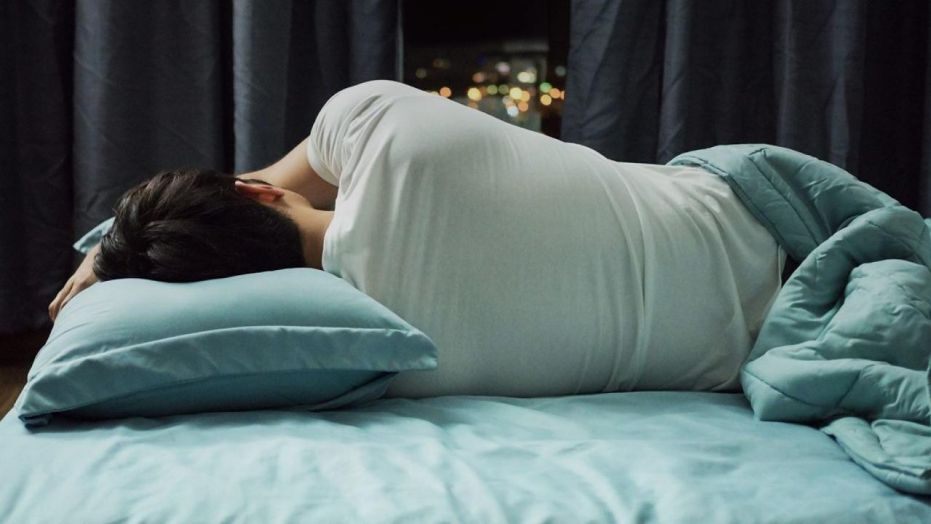
In times such as these, it is important that people gain the recommended hours of sleep in a day, as hard as that may be for some. According to Mayo Clinic, during sleep, your immune system releases proteins called cytokines, which need to increase when you have an infection or inflammation. Sleep deprivation may decrease production of these protective cytokines.
Enjoy natures beauty

Not so Greek-orientated, but important enough that it deserves a mention anyway. While it is vital that people stay in their homes, to reduce the spread of coronavirus, never leaving the house brings disastrous consequences for our health. Scientists believe that breathing in phytoncides—airborne chemicals produced by plants—increases our levels of white blood cells, helping us fight off infections and diseases. So while we don’t recommend you go to a park and touch every piece of play equipment, make sure you spend some time going for a walk everyday, or simply siting outside in your backyard.
