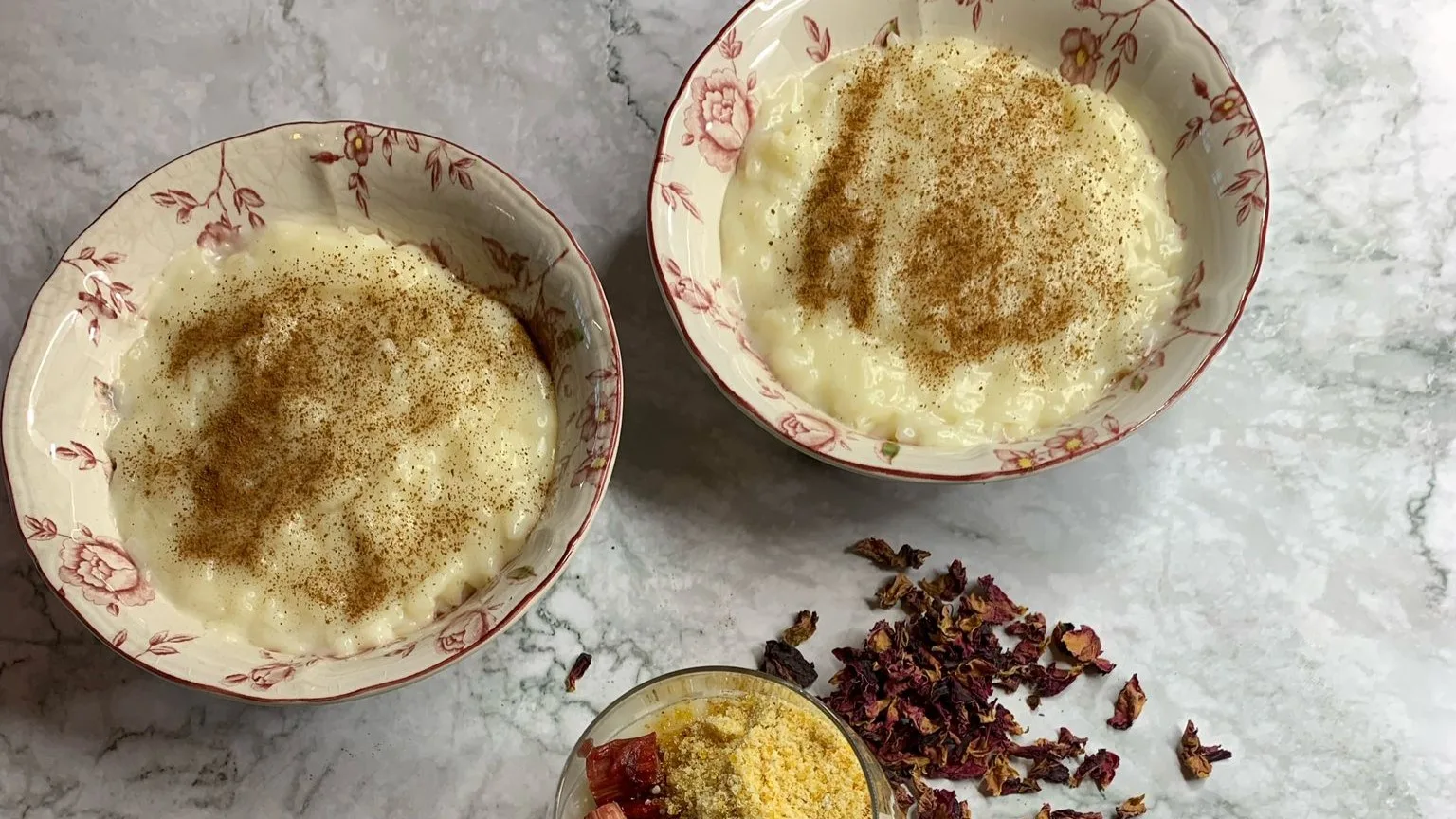
Niki Louca from My Greek Kitchen shares her favourite recipe for rizogalo (Greek rice pudding) with The Greek Herald. You can follow her on Instagram @mygreekkitchen for more!
Even though it is officially spring, Australia’s weather still calls for a warm, comfort dessert on a cool night. A traditional recipe with options to jazz it up and serve at a dinner party.
Serves: 4
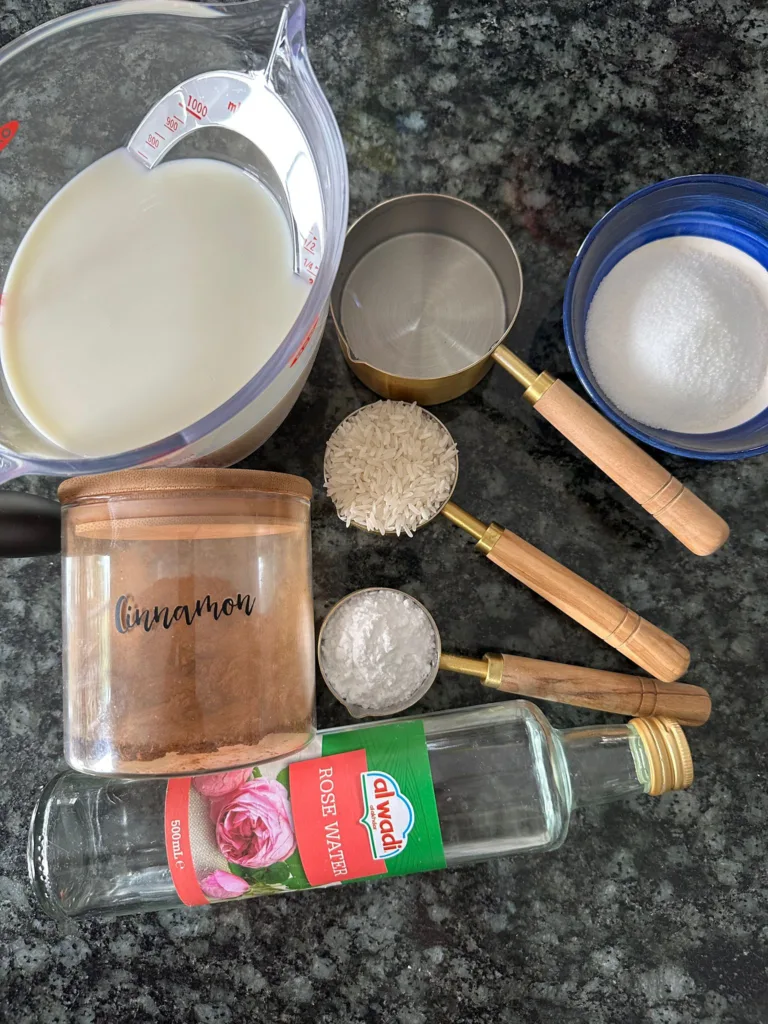
Ingredients:
- 1/3 cup long grain rice washed and drained
- 3 cups milk – reserve ½ to dilute cornflour in
- 1 cup water
- 4 tbsp sugar
- 4 ½ tablespoons corn flour diluted in ½ cup milk reserved
- 2 tablespoons rose water
- ground cinnamon to serve (for the traditional method)
Method:
- Rince your rice till water runs clear – set aside to drain.
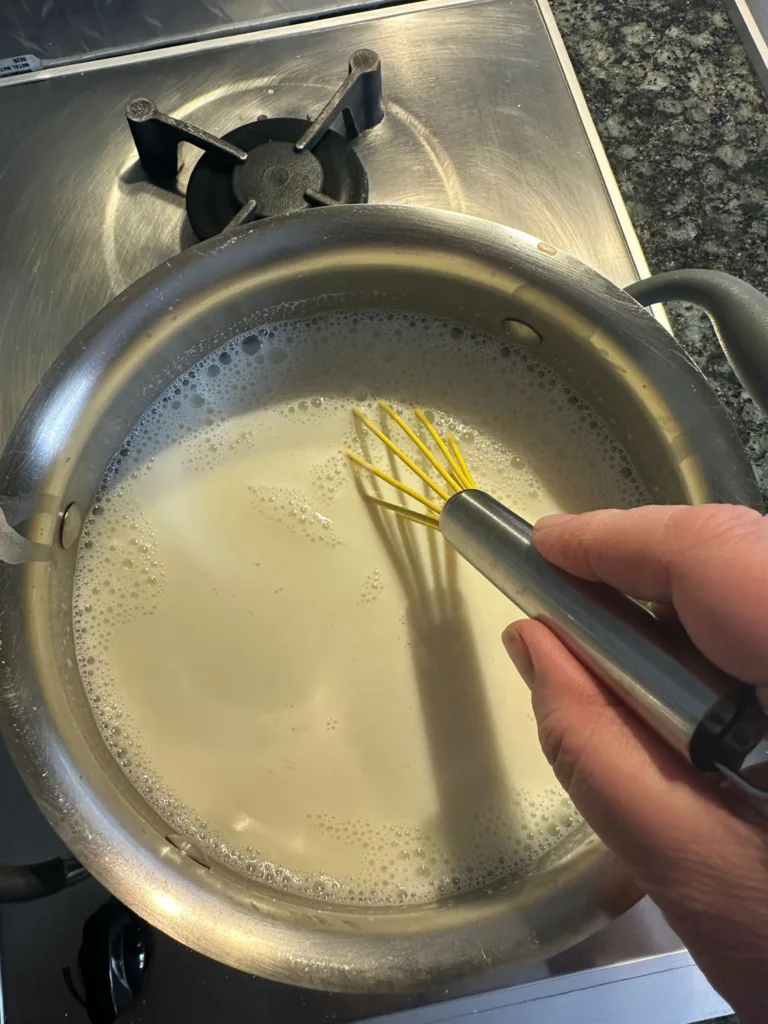
- In a heavy based saucepan add your rice with water. Cover and bring to boil stirring occasionally.
- In the meantime, prepare your corn flour and milk mixture – set aside.
- When the rice is nearly cooked and most of the water absorbed, add the remainder milk. Stir to mix through.
- Add your sugar, corn flour mixture, and rose water. Do not walk away from it. Bring it to a simmer but keep stirring till it thickens.
- As it thickens you will notice that it is still a little on the runny side – don’t worry, as it cools down it will thicken further.
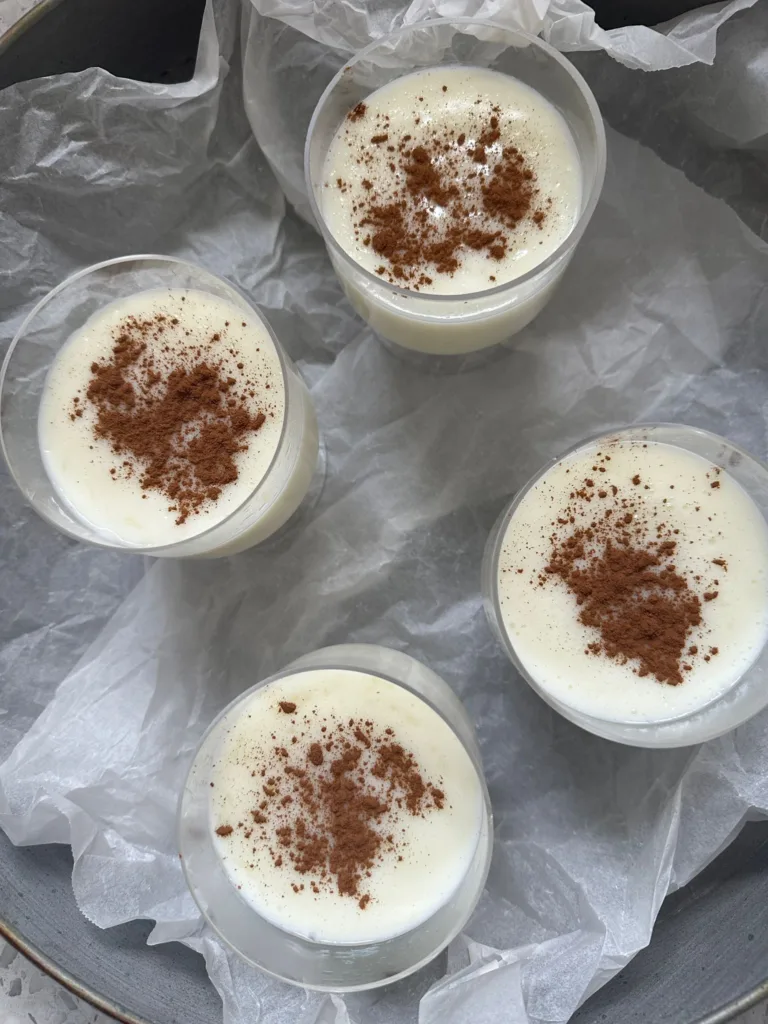
- Divide pudding into ramekins/bowls and dust them with cinnamon. Serve warm or cold.
Notes:
– The rice seems like a small amount, but as it cooks and swells it will increase.
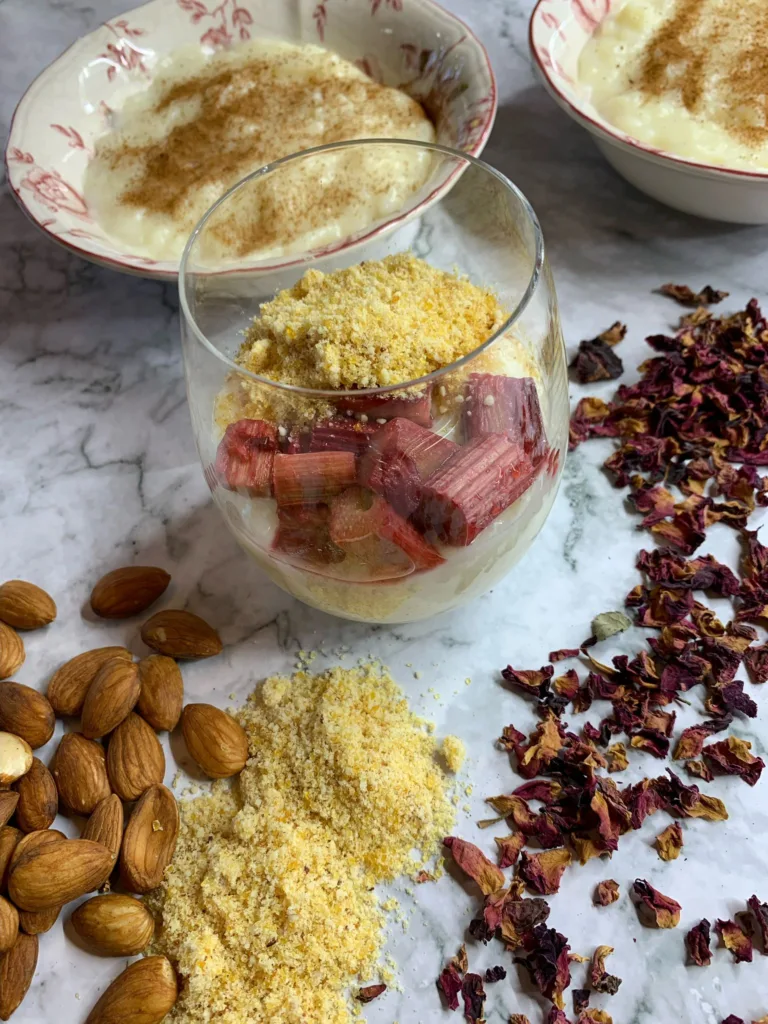
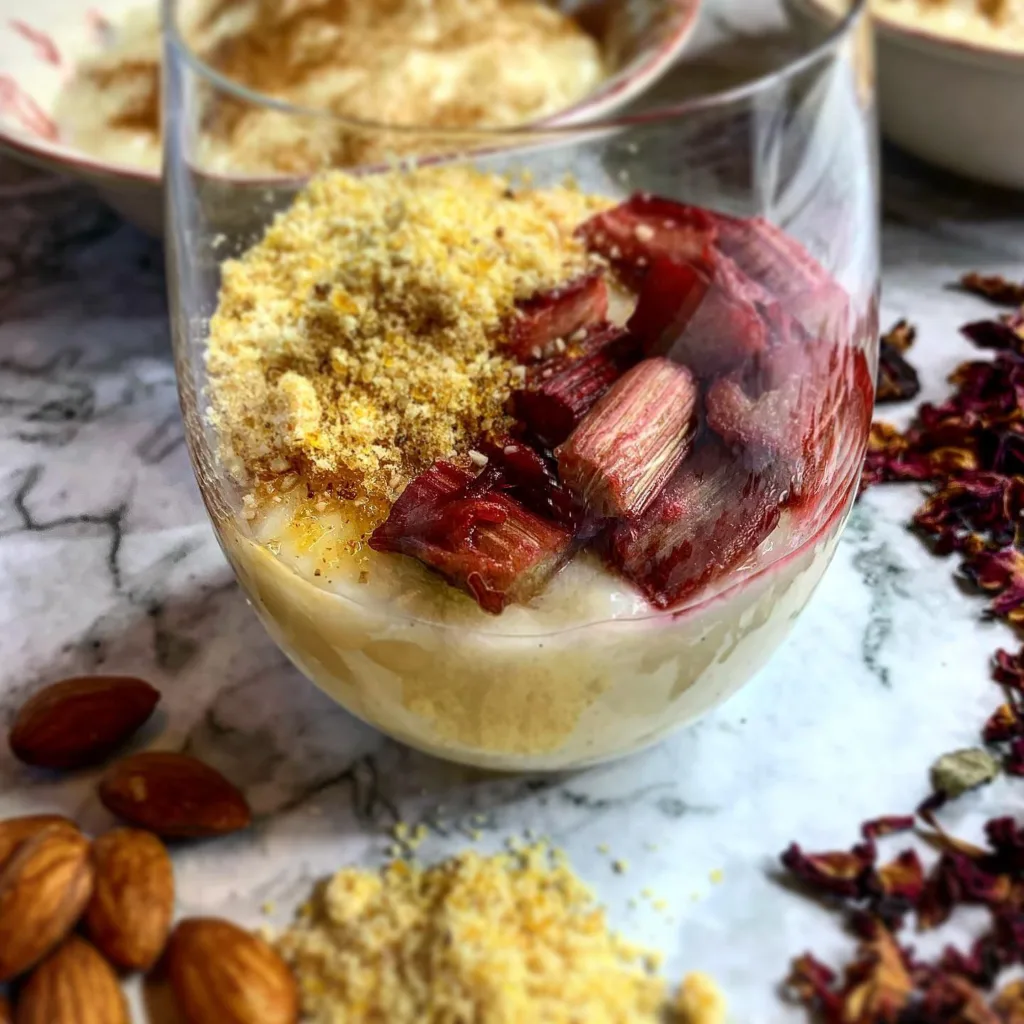
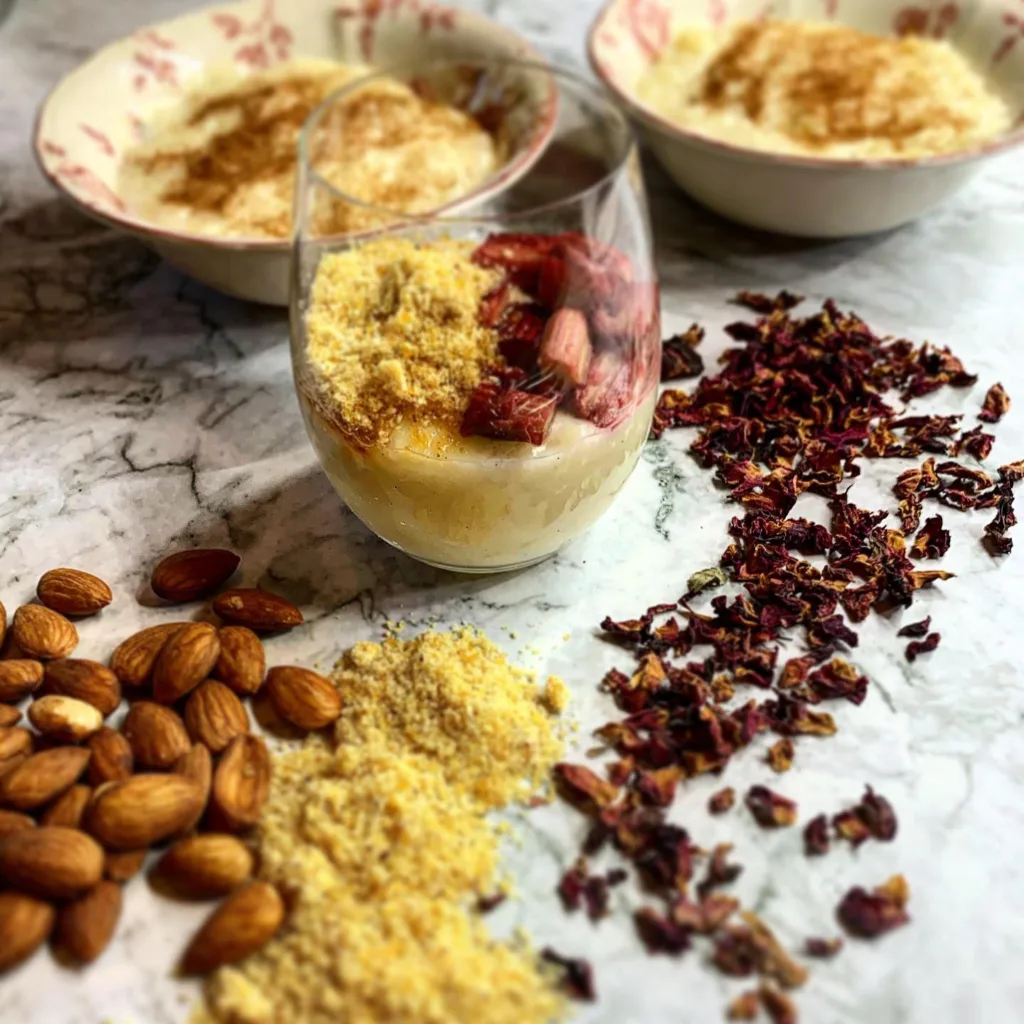
– You can jazz up your rizogalo by adding some rhubarb and praline. In an oven, sprinkle 3 tbsp sugar on a couple of rhubarb stalks. Bake till soft but still holding its shape. Once cooked set aside to cool down.
– In a heavy based saucepan on medium heat, sprinkle 1 ½ cups sugar. Once all sugar is dissolved and you have a nice honey golden colour, add ¾ cup of raw almonds. Stir them around so they are fully covered and pour onto a baking sheet. Spread them as best as you can and let the mixture cool. Once fully cooled, blitz them in a food processor till fine crumbs – set aside.
– To assemble – divide you rizogalo mixture into 4 serving cups/bowls and add some of the rhubarb to once side of bowl and then the praline on the other side. It is best served warm.
Niki Louca runs cooking classes in Melbourne. For more or to book classes visit My Greek Kitchen at www.mygreekkitchen.com.au or Instagram @mygreekkitchen. You can email Niki at: niki@mygreekkitchen.com.au.
 with The Greek Herald.)