By Ilias Karagiannis and Argyro Vourdoumpa
Australia is doing relatively well in its response to the coronavirus pandemic compared to other countries, and has been able to limit the virus’ impact. However, the stricter mitigation measures announced by both international and domestic governments are having significant economic impacts to our workers, businesses and communities.
What is the economic outlook in Australia, Greece and Cyprus and what role can Australia’s Greek and Cypriot community play in the economic recovery?
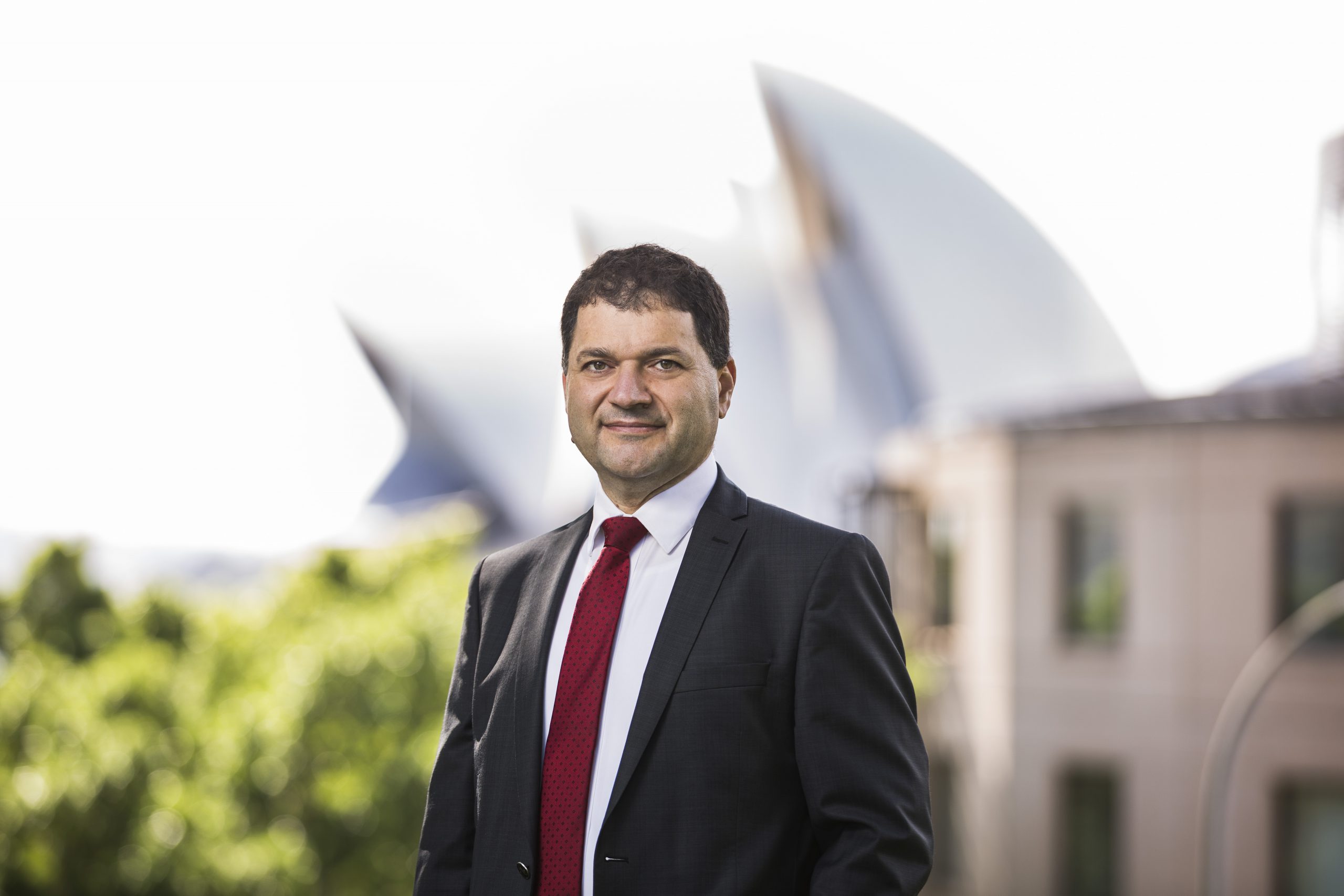
In a quest to find informed answers for our readers, we caught up with the Bank of Sydney CEO Miltos Michaelas.
Australia’s economy is resilient in the face of global recession:
Now in his second term in Australia as the Bank of Sydney’s Chief Executive Officer (CEO), Miltos Michaelas has experienced a number of economic crises, including those of Greece and Cyprus.
“We all found ourselves in an unprecedented situation. Thankfully the Bank’s Pandemic Plan (yes, we have one of those too!) helped my team to be more proactive, initiating an early response plan which sent our most vulnerable home very early on. Thanks to this early response, Bank of Sydney remains open to support our customers and the community,” Michaelas said.
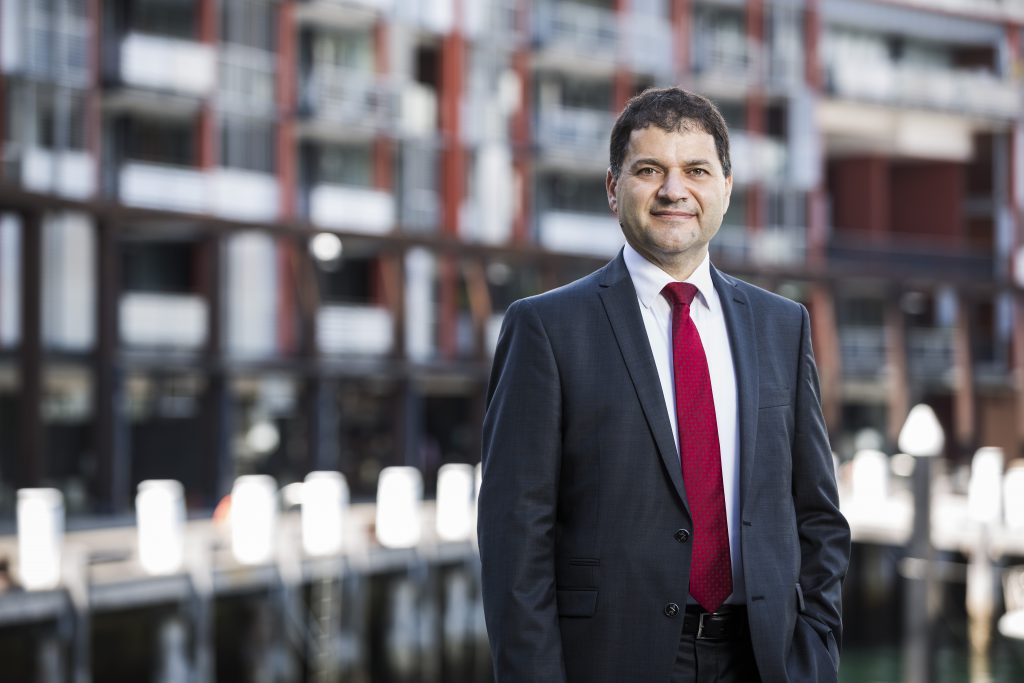
Commenting on Australia’s current economic situation caused by the coronavirus pandemic, Michaelas mentioned that Australians are luckily less experienced in economic and financial crises than Greeks and Cypriots, where survival instincts and skills have hardened.
“After the recession in the 1990s, Australia was only affected temporarily by the global financial crisis in 2013. However, it did not last long and the economy bounced back quickly.”
Earlier this month, the Australian Bureau of Statistics released new data showing the pandemic’s impact on business, based on a survey of 3,000 companies in the days after the government’s tough social distancing restrictions were announced on 29 March. Two-thirds of businesses across all sectors reported taking a hit to revenue or cash flow due to COVID-19. Roughly the same number reported they had suffered decreased demand.
“Australia has a ‘AAA’ credit rating, low public debt, a budget surplus and positive economic growth in 2019. Economies are a little bit like COVID-19 patients. If the patient has underlying health issues, the virus will have more serious effects on them and the effects may be severe; compare this to healthy ones, who equipped with a strong immune system, can reduce the effects of the virus. Australia is a very healthy COVID-19 patient. It can and will overcome this crisis,” Michaelas told The Greek Herald.
“A ‘V’-shaped economic recovery by 2021 is a possible scenario for the country. The COVID-19 cases are low, Australians respect the social distancing rules, testing is becoming more vigorous and scientists are getting closer to finding a coronavirus therapy and further on, a vaccine. Encouraging news like these will help the economic activity bounce back. It’s a matter of time for the positives to overcome the negatives and for things to trek back to normal.”
Greece and Cyprus will endure the crisis:
Amazingly, Greece stands out internationally as an example for successfully handling the pandemic. Together with Cyprus, the two countries have been praised for responding timely and in a responsible manner.
“Both Greece and Cyprus rely heavily on tourism and they will be significantly affected by the apparent loss of the 2020 summer season,” Michaelas said, staying optimistic that both countries can afford to lose this season in order to continue handling the health crisis situation successfully.
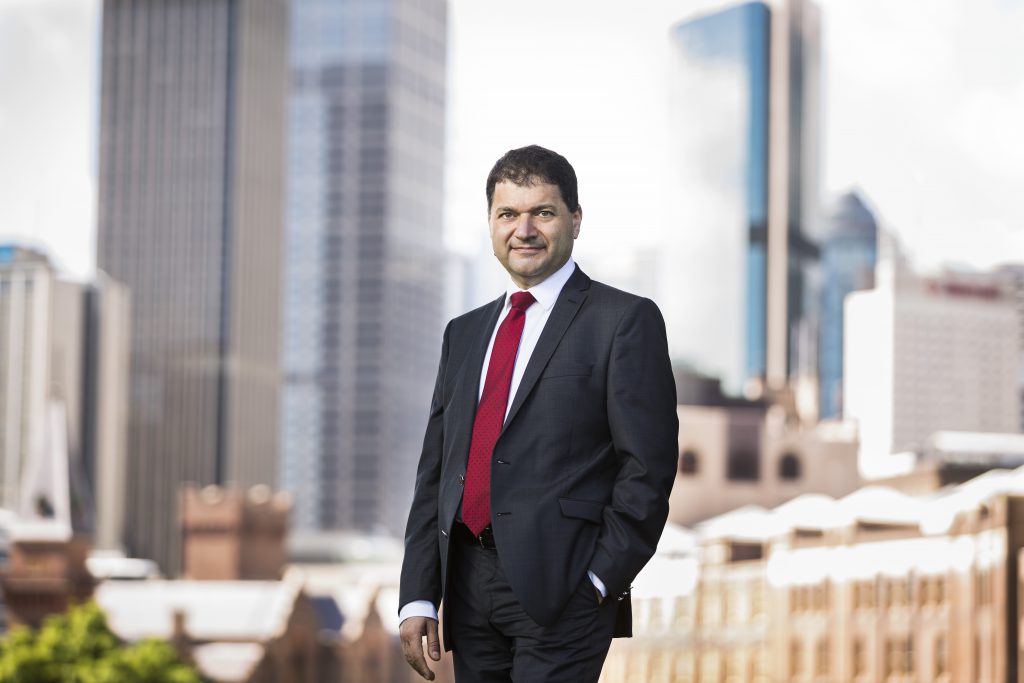
“Greeks and Cypriots have gone through many crises in recent years. They have proved they have the mental reserves to cope and overcome the crisis. We will miss going back this summer. Maybe we get a chance for a winter trip this year, as airlines and hotels adjust to the COVID-19 challenges. I don’t think we will lose the 2021 summer season,” he added, urging the community to look after their loved ones and themselves during these uncertain times, wherever they may be.
“My team and I are here to support our clients. We are working closely with the government and the Australian Banking Association and we are here to help. We can and will assist our clients who have been impacted. Visit one of our stores, call us on 139500 or email us.”
“Life is a marathon, not a sprint. We need to stay optimistic”:
As we were ready to wrap up this interview, we asked Mr. Michaelas to share a message with the community.
“We will get through this crisis. The first generations of Greeks who came to Australia had nothing. Their own migration was caused because of an economic crisis itself caused by a different trigger, mostly wars. They got aboard ships and ended up in Australia. They had nothing, spoke no English and yet they managed to build a better life for themselves. They created families, became financially independent and they helped the next generation thrive,” he concluded.
“Now, this second generation has not felt the impact of crises in life, like their parents or grandparents have. To have a good life, you must accept that there are ups and downs; when down, resilience and speed of mental recovery matter. Resilience starts with good health, which is strongly embedded in the Greek DNA – we toast on good health “Στην Υγειά μας”, and then we typically add “Για να πάνε κάτω τα βάσανα» – “to get over our hardships!”
“We know that if you have health, you can move on and leave the crisis behind. Life is ahead and it’s a marathon, not a sprint. What matters is how quickly you can stand up every time you fall. Let’s stay positive and learn a lesson from those countless generations of Greek and Cypriot immigrants.”
