From marbles statues to rare ancient coins, 2024 has been another year full of great archaeological discoveries across Greece and the world.
Here are The Greek Herald‘s top five archaeological finds of the year.
5. Marble statue unearthed near Acropolis during gas pipe installation
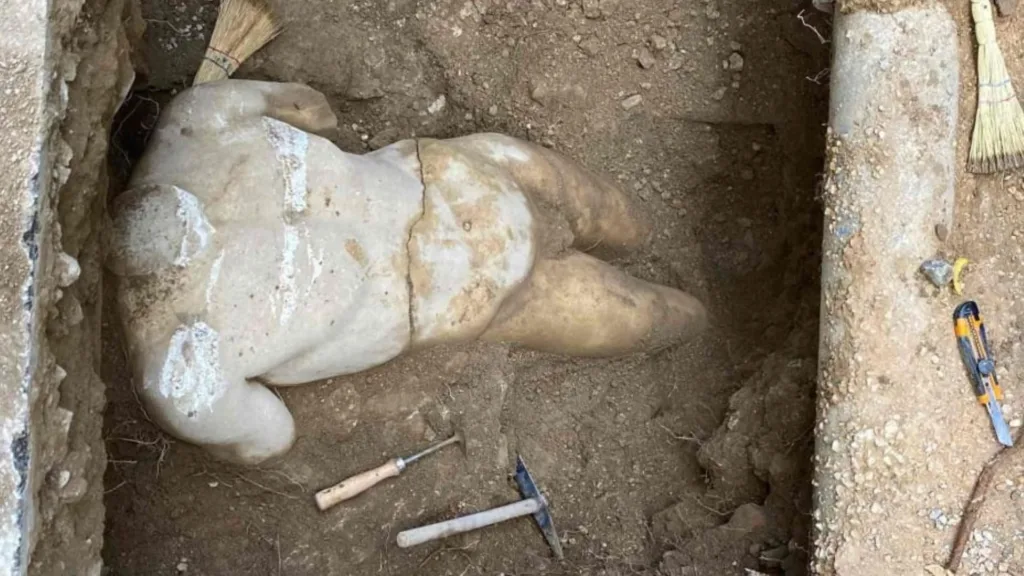
A white marble statue of a nude male figure was uncovered this year near the Acropolis in Athens, Greece, during preparatory work for laying natural gas pipes.
The statue, designed in the Hermes Ludovisi style, was found in a trench approximately one metre wide near the south side of the Odeon of Herodes Atticus, at the intersection of Erechthiou and Kalliperi streets.
4. Cache of gold coins unearthed in ancient Greek city in Anatolia
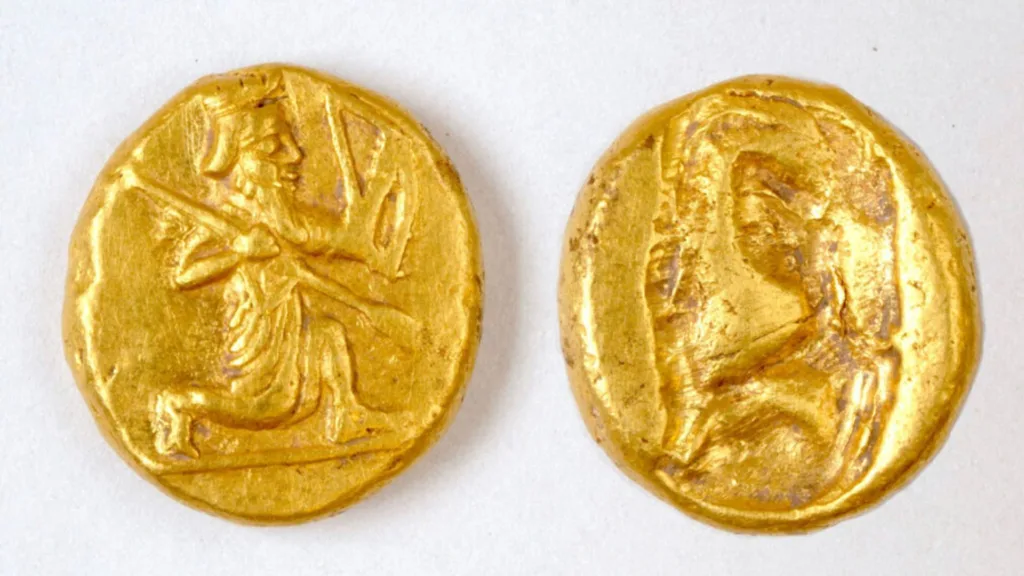
A cache of gold coins dating to the late fifth century B.C. was discovered in the ancient Greek city of Notion, located on the west coast of Anatolia.
The find was made by Christopher Ratté of the University of Michigan and his team. The coins were stored in an olpe, a type of small jug, and buried in the corner of a dwelling beneath the courtyard of a house from the third century B.C.
3. A 2,300-year-old tomb was unearthed in Greece
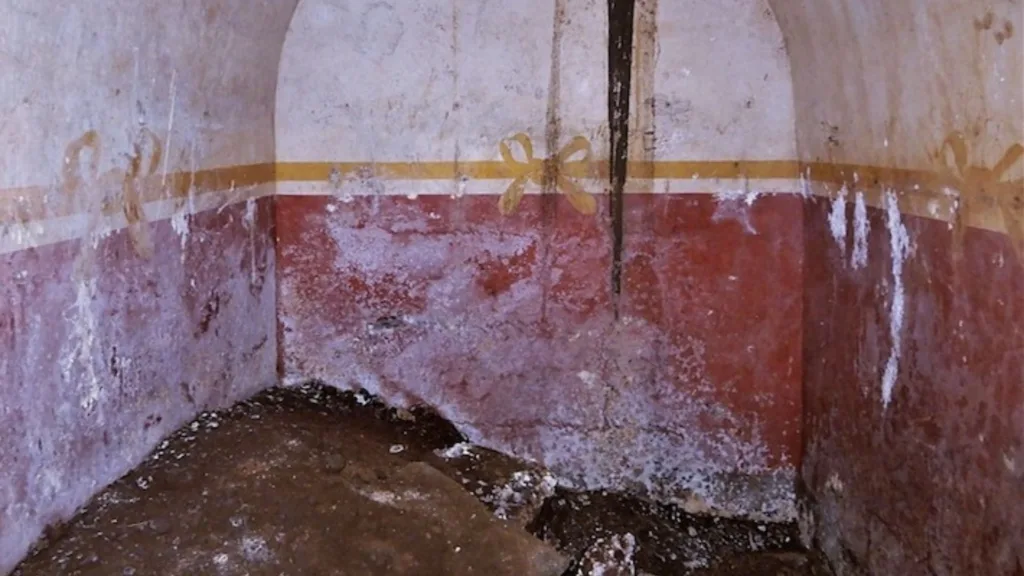
A tomb in the ancient Macedonian city of Aegae in modern Vergina, Greece, was unearthed this year.
The tomb is believed to have belonged to a couple and dates back to the third century B.C., according to Angeliki Kottaridi, Honorary Superintendent of the Ephorate of Antiquities of Imathia.
2. Portrait of last Byzantine Emperor Constantine XI Palaiologos discovered
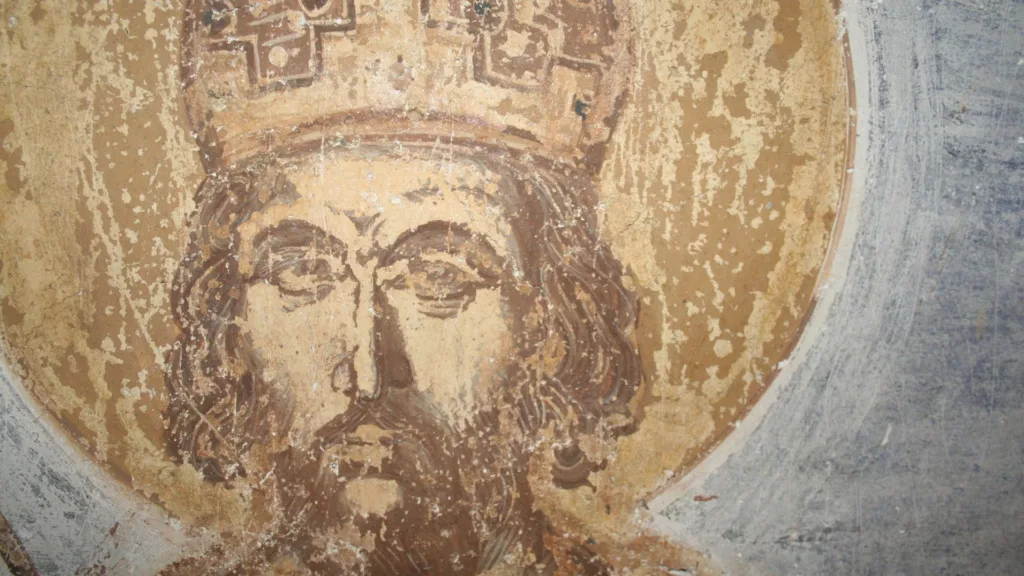
A unique depiction of the final Byzantine Emperor, Constantine XI Palaiologos, has been unveiled within the Katholikon of the Old Monastery of Taxiarches in Aegialia.
The frescoes, originating from the late Byzantine era, exhibit exceptional artistic quality and align with the aesthetic standards of Constantinople during that time.
1. Archaeologists in Crete mystified by 4000-year-old discovery
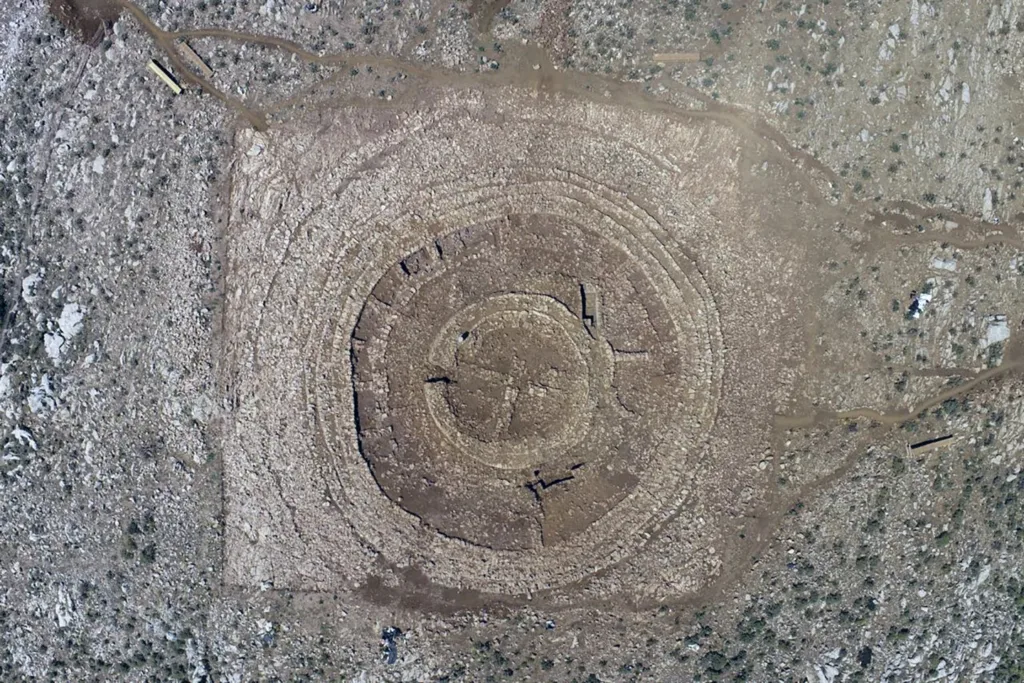
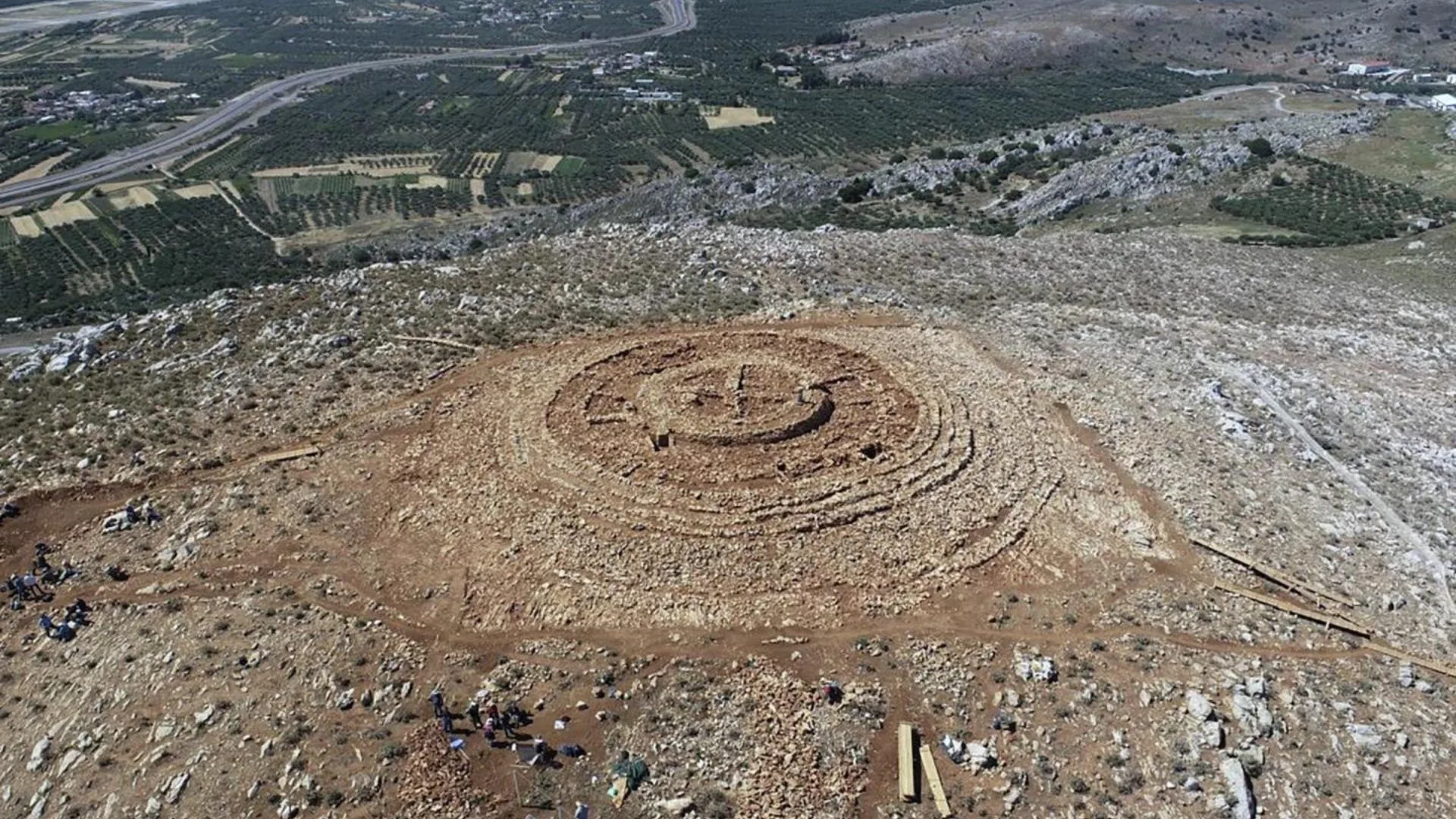
A recently discovered 4,000-year-old stone building on a hilltop in Crete is puzzling archaeologists and potentially delaying a major airport project on the Greek tourist island.
Greece’s Culture Ministry announced that the structure is a “unique and extremely interesting find.”
The purpose of the hilltop structure remains unknown as it is still under excavation and has no known Minoan parallels. Experts speculate it could have served a ritual or religious function.
