August 31, 1944, Slovene Partisans executed the Raid at Ožbalt, freeing 105 Allied prisoners of war. This daring rescue mission was the most successful prisoner-of-war escape of the twentieth century. It is a testament to courage and strategic brilliance in the face of overwhelming odds.
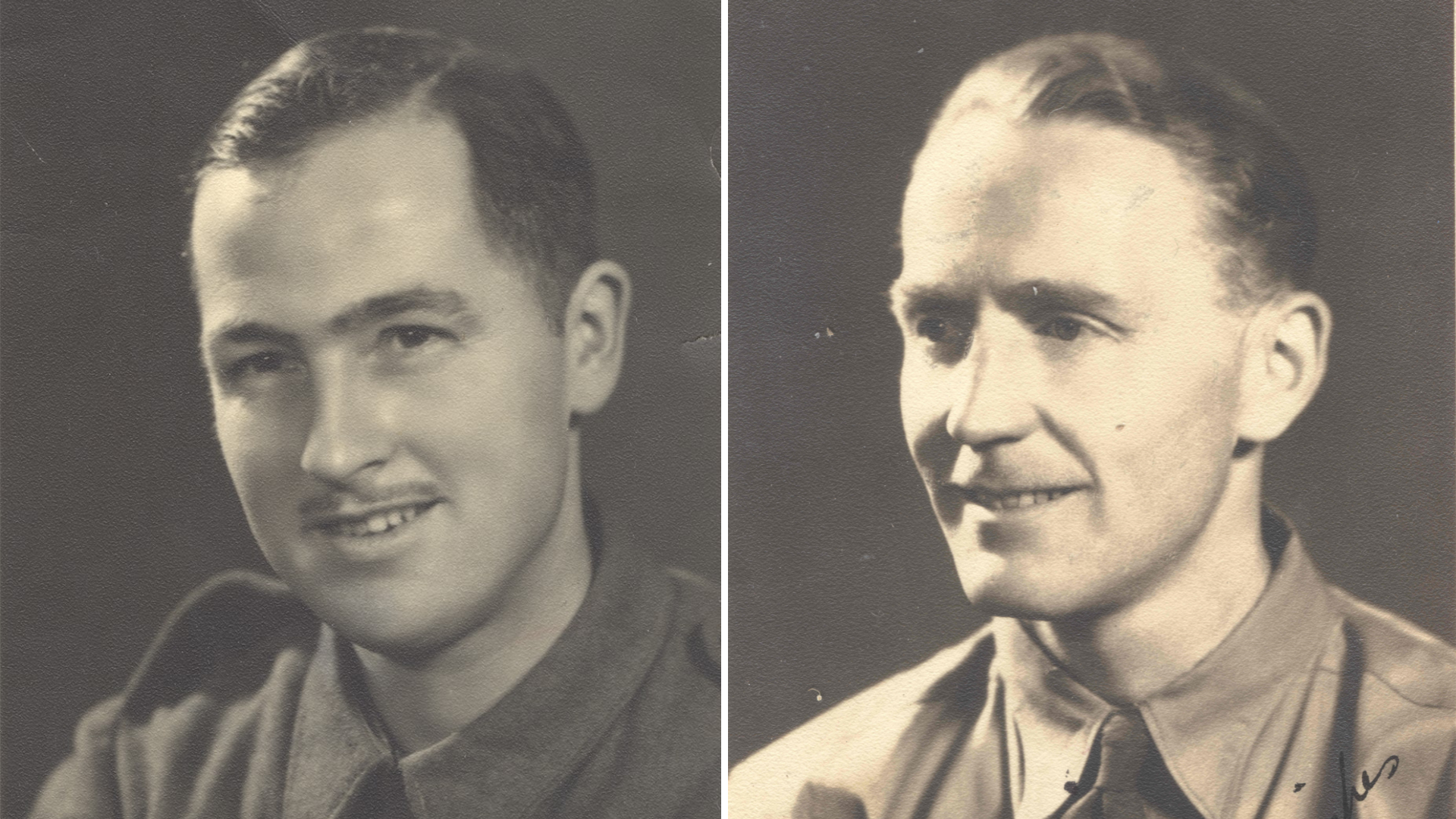
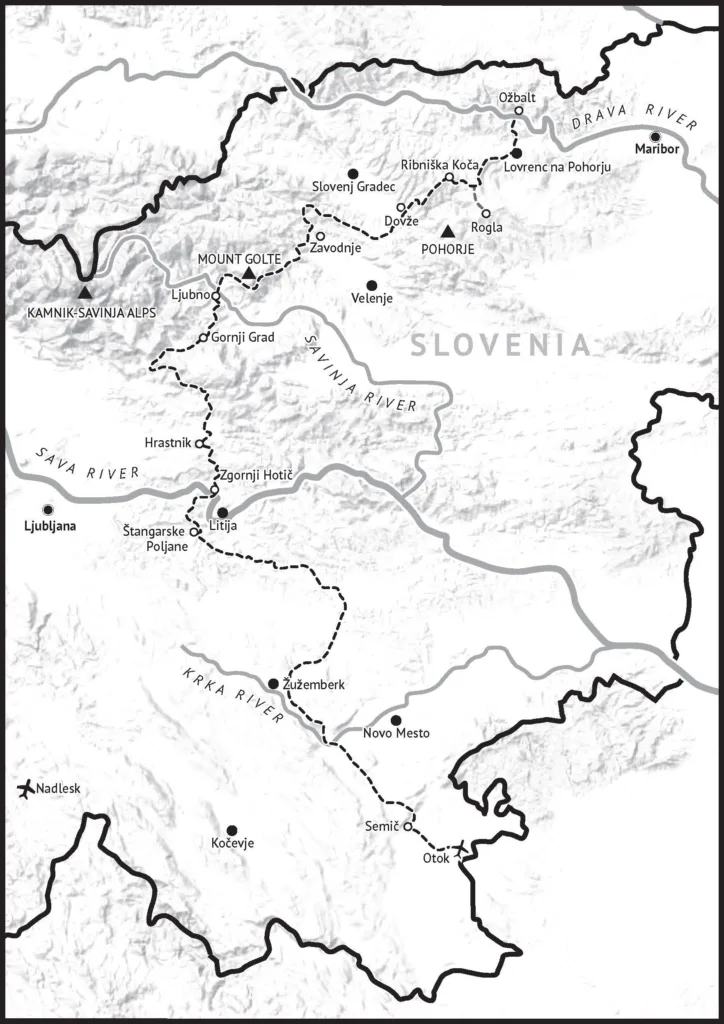
The raid occurred near the village of Ožbalt, about 25 kilometres west of Maribor, Slovenia’s second-largest city. Railway projects relied on forced labour from Camp 1046/GW’s prisoners of war, so the raid focused on this group of captives. Ralph Churches, an Australian private and camp leader, planned and led the operation. His British deputy, Leslie Laws, provided crucial support. These two men spearheaded the daring mission, and their roles intertwined.
Churches, an Australian Army infantry soldier with the ANZAC HQ, participated in the Greek Campaign during World War II. From April to May 1941, Churches was involved in the Allied withdrawal from Greece, a crucial and challenging campaign phase.
Fierce fighting engulfed Churches as he dashed between units, relaying critical messages. Outnumbered and besieged, Australian troops engaged in a desperate rear-guard action. They then withdrew to save their forces.
German forces captured Churches as he attempted to row to Crete with three others. He endured harsh conditions in POW camps in Greece before transferring to Stalag XVIII-D in Maribor, Slovenia.

After three and a half years of captivity, Churches and Laws, with Slovenian Partisans, executed their plan. They first freed 78 POWs, then another 25, including soldiers from Britain, France, New Zealand, and Australia.
Completing the escape was challenging. The group travelled 250 kilometres through occupied territory, dodging German patrols. They arrived in Semič, Slovenia, before boarding a flight to Bari, Italy, on September 21, 1944. Churches received the British Empire Medal and Laws the Distinguished Conduct Medal for their bravery.
The Raid at Ožbalt highlights Partisan courage, POW resilience, and the planners’ strategic skill. It’s a great example of wartime resistance, far more successful than the famous but tragic “Great Escape” from Stalag Luft III.
