By Martina Simos
The ancient art of weaving is referenced in a few ancient Greek texts and is indicative of the vital role it once played in the ancient world, as part of its economic activity and as a form of artistic expression.
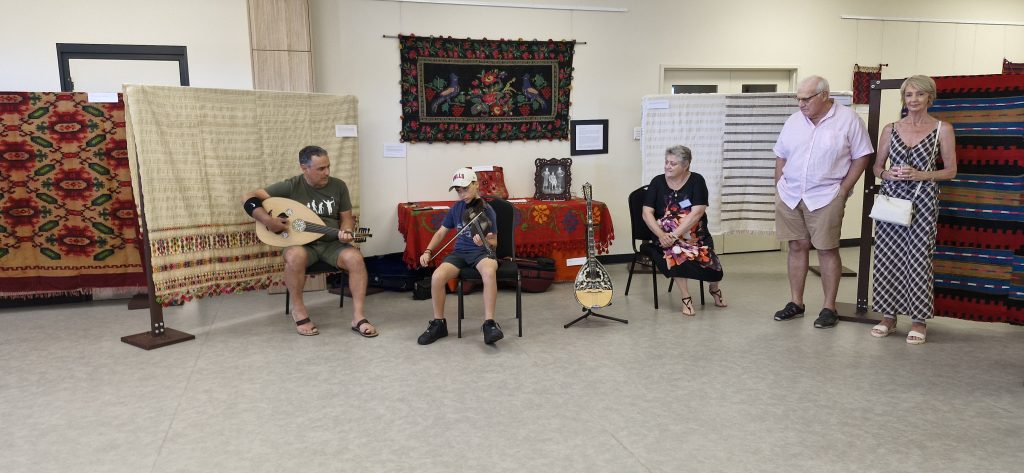
The newest exhibition, Looms of Greece, from the Greek Museum of Adelaide Inc. hopes to renew interest in the art of weaving amongst the broader community. It is the 13th exhibition organised since 2019, when the idea of a museum came to a fruition.
The museum is the brainchild of Chrysoula Melissinaki (President of the Greek Museum of Adelaide), her husband Panagiotis Mavraidis and like-minded members of South Australia’s Greek community.
Chrysoula was born in Athens, Greece and moved to Adelaide, South Australia with her Greek Australian husband in 2011. Together with her husband, past and present committee members, the not-for-profit museum was opened in May 2019, with a series of grants from Multicultural Affairs through the SA Department of the Premier and Cabinet.
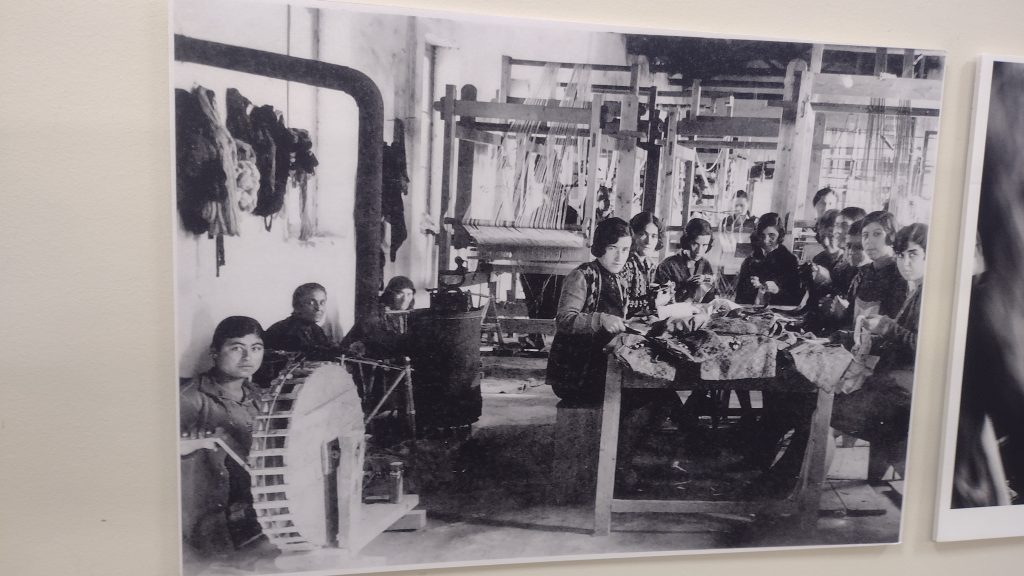
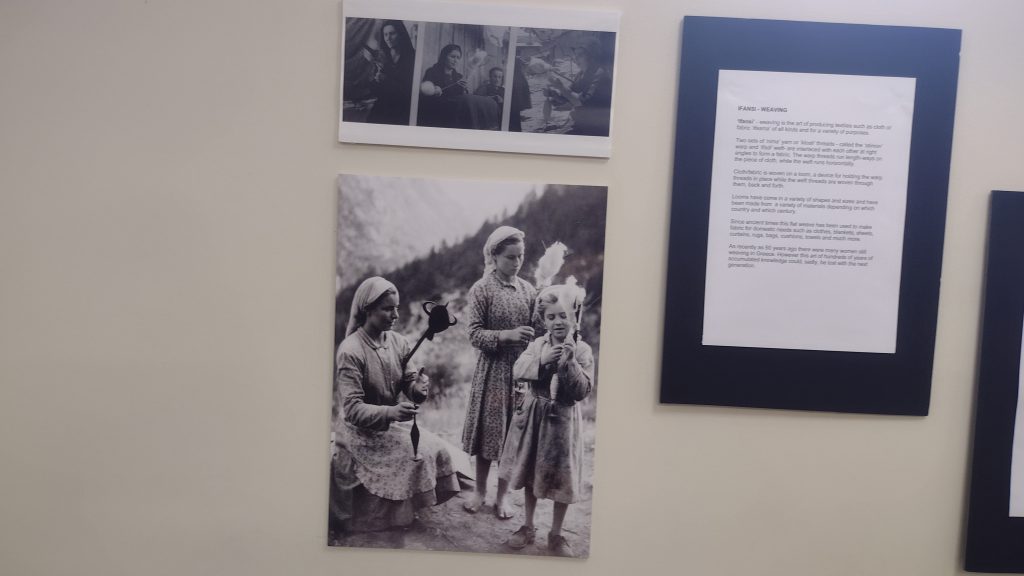
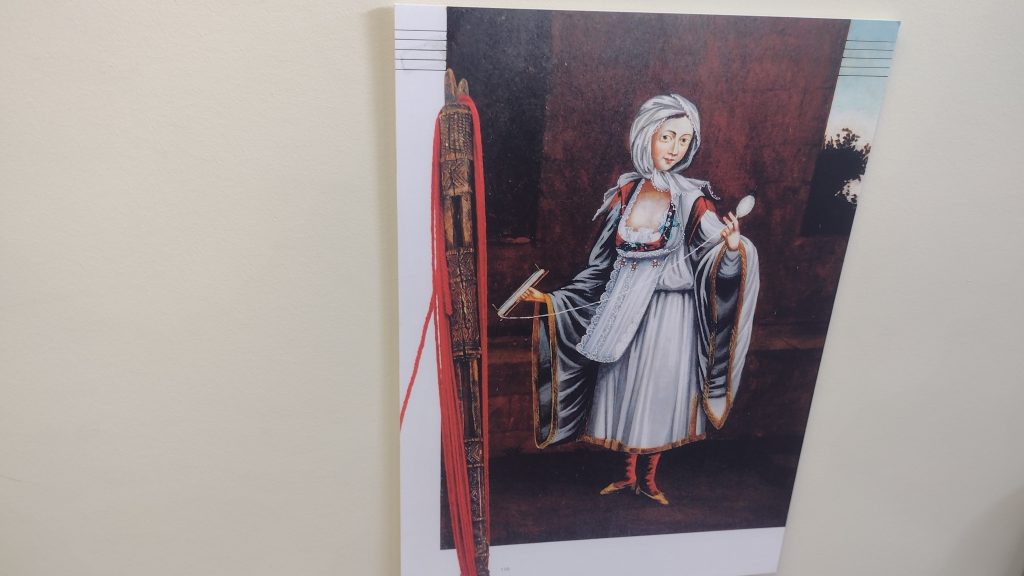
The museum’s purpose is to promote and preserve the Greek culture in SA, by showcasing an array of traditional artefacts from Greece, such as traditional costumes, coins and musical instruments.
Current committee members include: Sofia Orfanos, Andriana Economou, George Foumakis, Mira Zacharia, Kay Anastassiadis and Helen Kari. The foundation members who were first involved include: Victor Eleftheriou, Spiros Sarris, Anna Zounis, Christos Vlachos and Dimitris Katsambis.
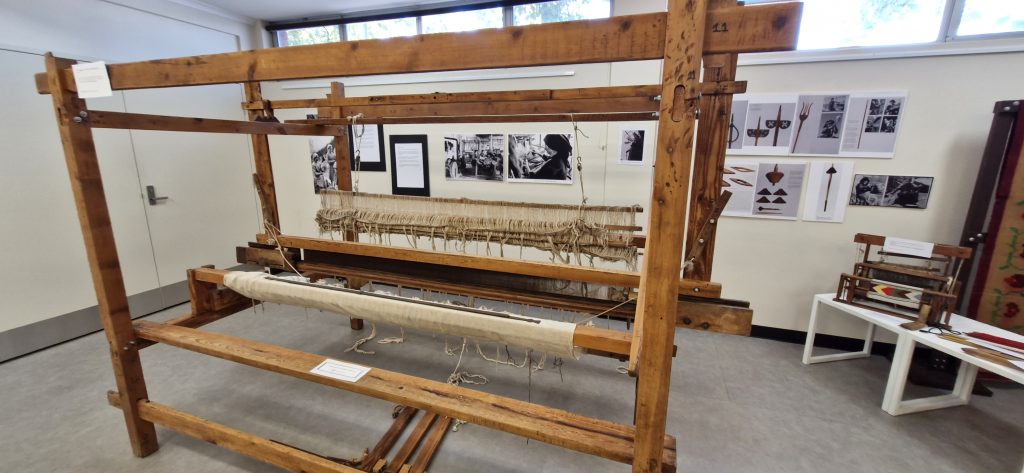
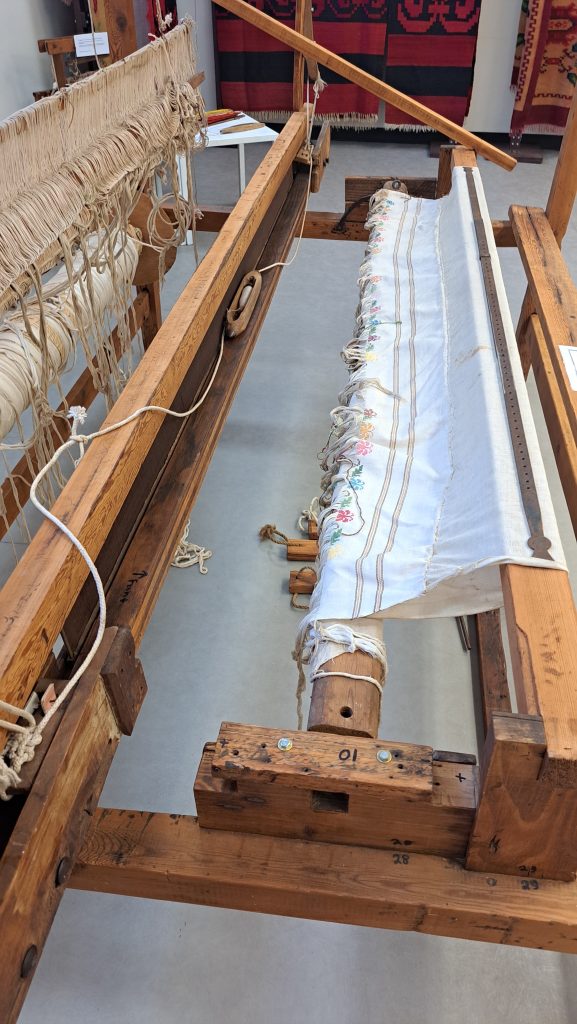
‘Looms of Greece’ exhibit
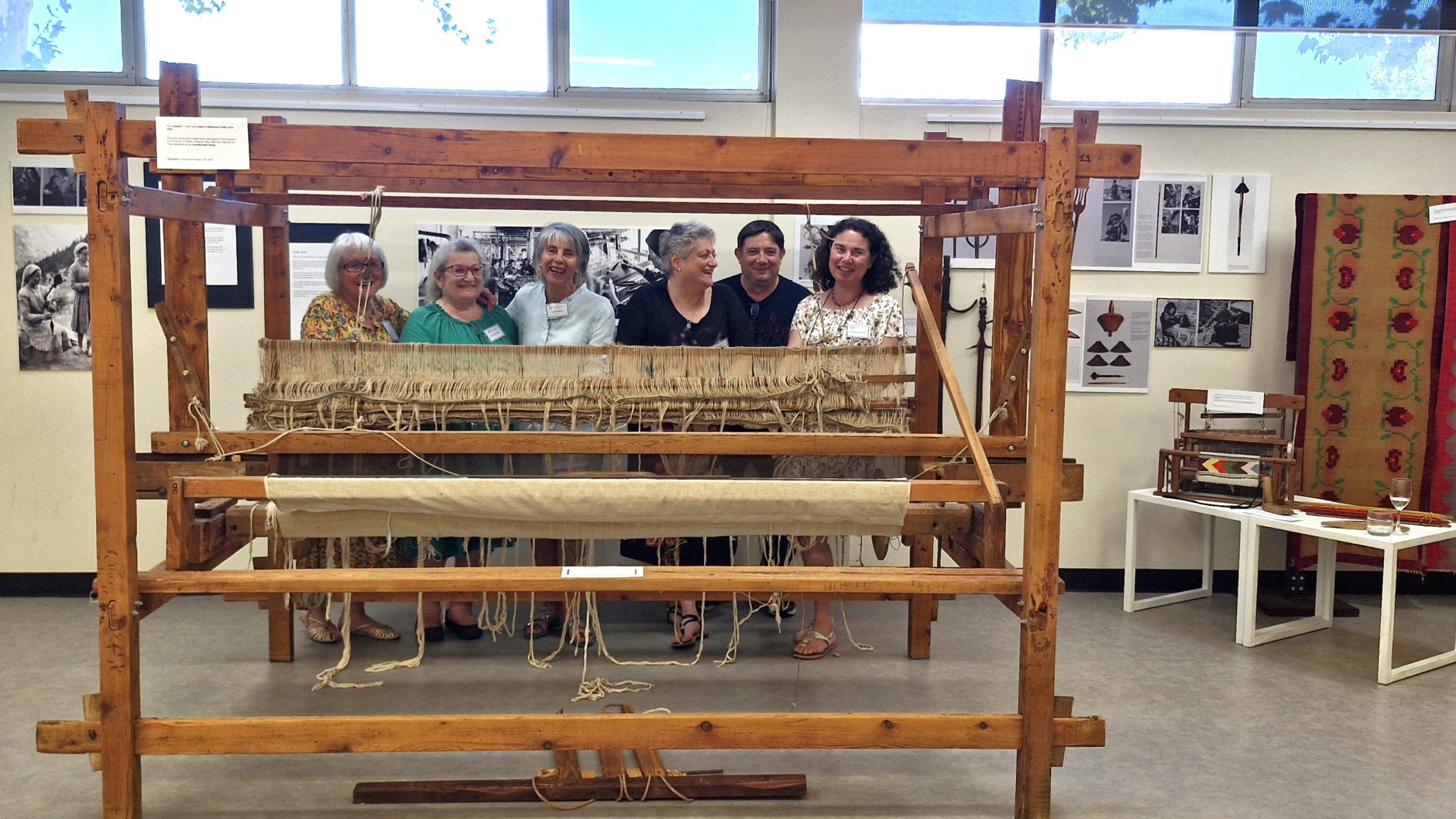
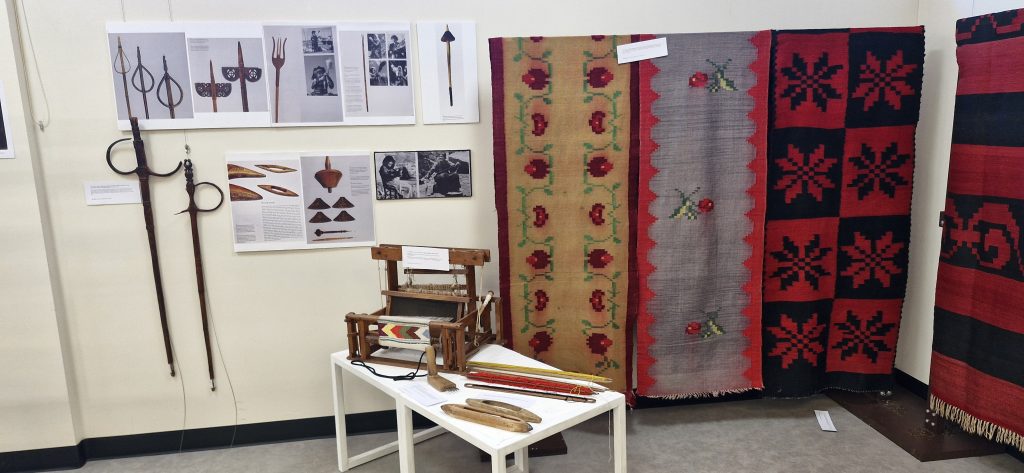
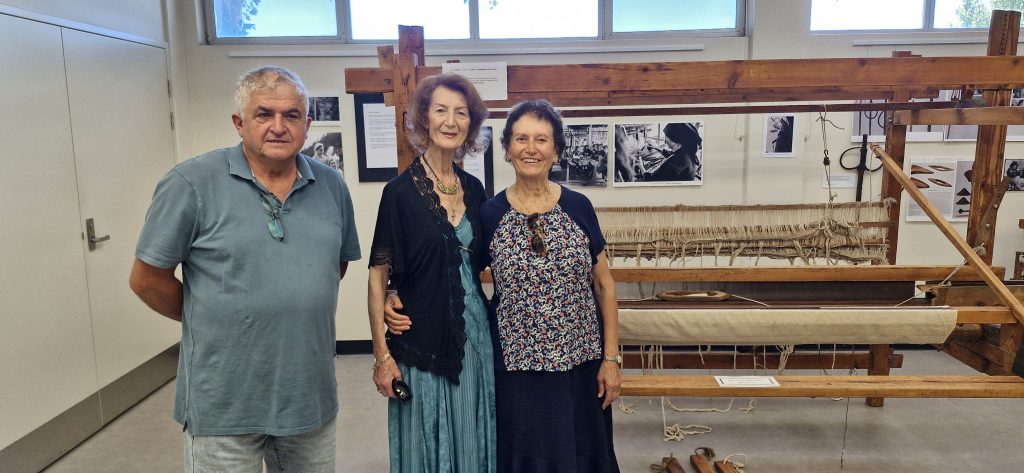
There are two original looms currently on display at the Looms of Greece exhibition. They were hand-made on the Greek island of Crete. The smaller loom was made in the 1920s and the larger one in the 1950s.
Both looms were donated by the Livadiotakis family and were brought to the museum by the family’s friend Stamatis Borakis.
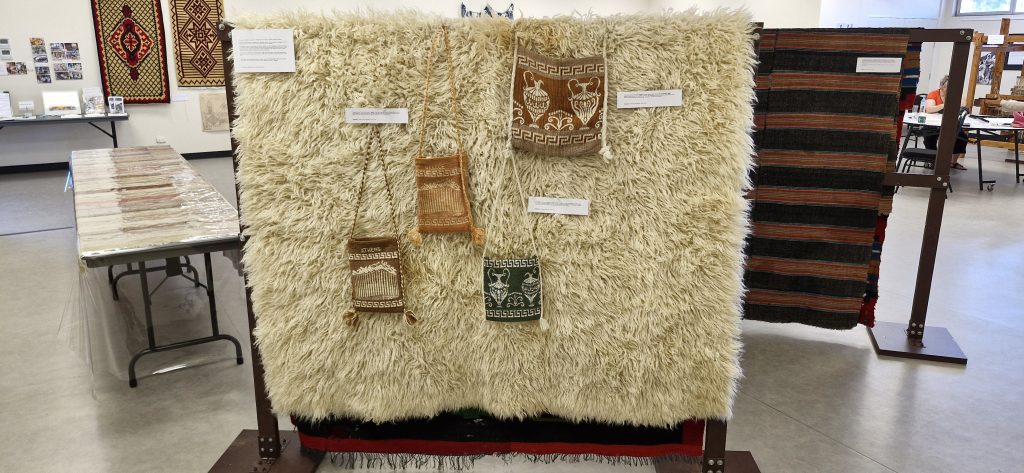
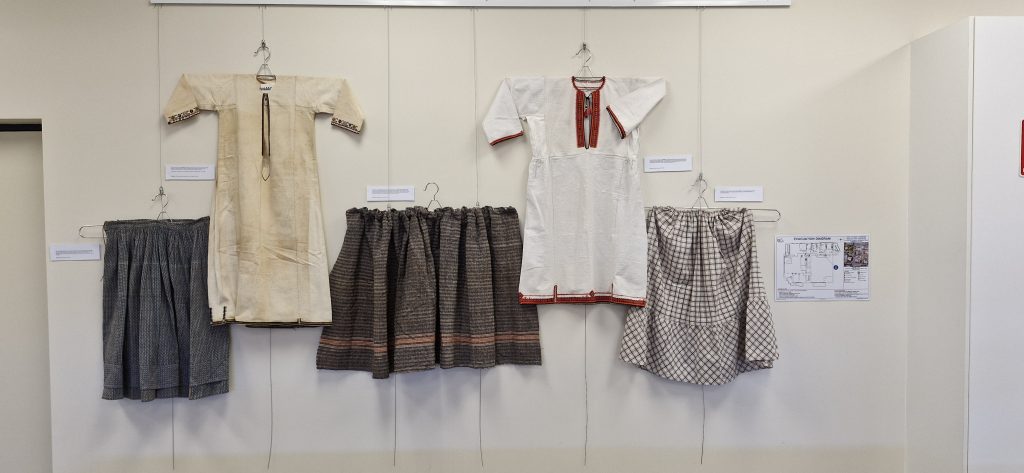
Other items on display include donated items such as woven fabric skirts circa 1920s or 1930s, woven long sleeve shirts from 1910 to 1930, woven bed sheets, blankets and wooden tools used in weaving.
All exhibitions, including Looms of Greece, run for a short period of time as the museum doesn’t have a permanent building.
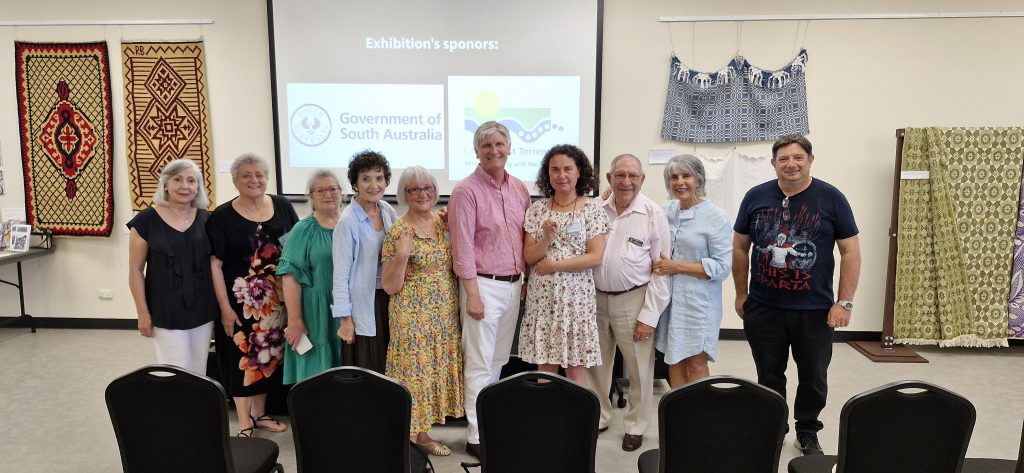
The current exhibition is housed in a community hall provided by the City of West Torrens and was officially opened by the Mayor of the City of West Torrens, Michael Coxon.
“The visitors who attend the exhibitions have commented that there should be a permanent building for artefacts of Greek history,” Chrysoula told The Greek Herald.
“We have a dedicated vision (of a permanent museum) as a gift for the community and we will work to get a permanent building.”
Chrysoula said the committee is grateful for the support of Mayor Coxon for providing the current building, and past support from other councils.
Volunteers and school visits welcomed
As a new organisation, volunteers from all ages and working backgrounds can become involved in research, curation, or setting up exhibitions. Chrysoula’s two teenage sons are also involved in the museum, assisting at opening events and sharing the activities among their peers.
Schools in Adelaide are encouraged to visit the museum as part of their students’ educational journey and this is something the Committee are promoting in the teaching community.
“During past exhibitions, and this new one, we had St George College, Adelaide High School, Cowandilla Primary School and GOCSA Greek classes,” Chrysoula said.
“I have also spoken with the Greek Teachers’ Association, about our activities as a museum, inviting them and their students to visit our exhibitions.”
Exhibition details:
- What: Looms of Greece
- When: Sunday, February 4 until Sunday, February 25
- Open: 11am and 3 pm Tuesdays, Saturdays and Sundays.
- Where: Cowandilla Community Room, 175 Sir Donald Bradman Dr, Hilton
- Cost: Free admission

